
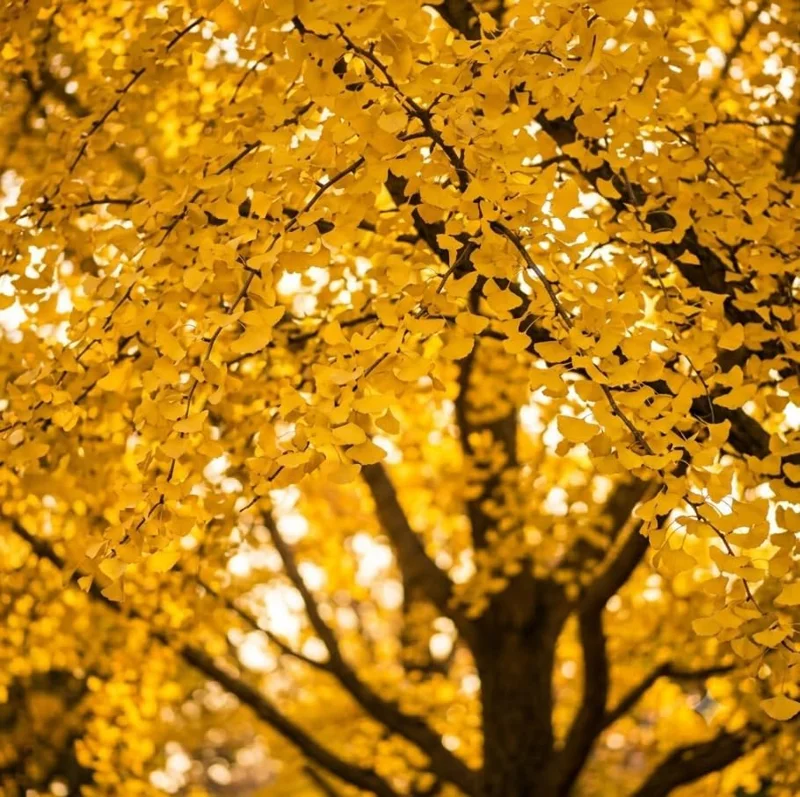
Yellow Ginkgo Tree Live Plant, Maidenhair Tree, 8-12″ Tall, Quart Pot, Outdoor
Original price was: $44.98.$22.49Current price is: $22.49.
Bring brilliant fall color to your landscape with the yellow ginkgo tree. This maidenhair tree live plant arrives 8-12 inches tall in a quart pot, ready for outdoor planting. Known for its distinctive fan-shaped leaves and vibrant golden-yellow autumn foliage, it’s a remarkably hardy and adaptable specimen.
-
USDA Hardiness Zone
3-9 -
Soil Type
Well-draining soil -
Sunlight Exposure
Full sun -
Expected Planting Period
Fall to Spring

You can track your order HERE
Oct 31
Nov 05 - Nov 07
Nov 10 - Nov 14
Shipping and return policies: Our Alive & Thrive Guarantee covers issues with your plants within the first 30 days. Reach out to us. Our team will answer your questions and help you find the plants that are truly suitable for your environment, climate, and personal preferences.

Overview
Introduce a piece of living history to your garden with the yellow ginkgo tree, also known as the Maidenhair Tree (Ginkgo biloba). This extraordinary deciduous tree is a survivor, tracing its lineage back millions of years, making it a unique and fascinating addition to any landscape. Our offering is a healthy, established maidenhair tree live plant, typically 8-12 inches tall, nurtured in a quart pot and eager to thrive in its new home. It’s perfect for those seeking a distinctive ornamental tree that provides spectacular seasonal interest, particularly its renowned golden-yellow fall foliage that truly brightens the autumn garden.
The Ginkgo biloba is celebrated not only for its striking beauty but also for its incredible resilience and adaptability. It can withstand a wide range of urban conditions, making it an excellent choice for street plantings, parks, or as a stately specimen in a home garden. Its unique fan-shaped leaves are instantly recognizable, and while it doesn’t produce showy flowers, its vibrant autumn display more than compensates, transforming your outdoor space into a canvas of rich, warm hues. This yellow ginkgo tree is an investment in long-term beauty and ecological value.
Key Benefits
The yellow ginkgo tree offers a multitude of benefits, making it a highly desirable plant for various garden styles and purposes. Its unique characteristics contribute to both aesthetic appeal and environmental well-being, providing lasting value to your property.
- Spectacular Fall Foliage: The most renowned feature of the maidenhair tree live plant is its brilliant, uniform golden-yellow fall color. The leaves turn a stunning shade of gold almost simultaneously, creating a breathtaking display before dropping cleanly, leaving minimal mess.
- Exceptional Hardiness and Adaptability: This tree is incredibly tough, thriving in a wide range of soil types, pH levels, and urban environments. It’s highly resistant to pests, diseases, and air pollution, making it a low-maintenance choice for many climates.
- Drought Tolerance: Once established, Ginkgo trees are remarkably drought-tolerant, requiring minimal supplemental watering, which is a significant advantage in water-conscious landscaping.
- Long Lifespan: Ginkgo trees are known for their longevity, often living for hundreds or even thousands of years. Planting a yellow ginkgo tree is truly planting a legacy for future generations to enjoy.
- Unique Leaf Structure: The distinctive fan-shaped leaves are unlike any other, providing year-round visual interest and a unique texture to the landscape. They emerge a fresh green in spring and maintain their color through summer before their dramatic fall transformation.
- Versatile Landscape Use: Ideal as a shade tree, a majestic ornamental focal point, a street tree, or as an accent in a mixed border. Its upright, somewhat pyramidal growth habit lends itself well to various landscape designs.
- Minimal Maintenance: After establishment, a ginkgo tree care routine is very simple. It requires little pruning and is generally trouble-free, allowing you to enjoy its beauty without constant work.
Plant Care & Growing Tips
Proper ginkgo tree care ensures a healthy and vigorous specimen that will provide decades of beauty. The yellow ginkgo tree is known for its resilience, but providing optimal conditions during its establishment phase is crucial for its long-term success. This maidenhair tree live plant prefers a location with full sun, meaning at least 6 hours of direct sunlight per day. While it can tolerate partial shade, full sun exposure will promote the best growth and the most vibrant fall color. It is highly adaptable to a wide range of soil conditions, but well-draining soil is paramount. Avoid locations where water tends to collect, as soggy roots can lead to problems. Loamy or sandy soils with good drainage are ideal, and it can tolerate both acidic and alkaline pH levels.
Watering is critical during the first few years after planting. Keep the soil consistently moist but not waterlogged. Deep watering once or twice a week is generally sufficient, depending on your climate and soil type. Reduce watering once the tree is established and shows new growth. Ginkgo trees are remarkably hardy, suitable for USDA Zones 3–9, making them adaptable to many regions across the United States. They can withstand cold winters and hot summers. Fertilization is not typically required for mature trees, but a balanced, slow-release fertilizer can be applied in spring during the first few years to encourage robust growth. Common problems are rare for Ginkgo, but ensure good air circulation to prevent fungal issues in very humid environments. Regularly inspect for any signs of pests, though they are generally not a concern for this resilient species. Following these simple ginkgo tree care tips will lead to a thriving and beautiful tree.
Size & Details
This yellow ginkgo tree arrives as a vibrant, young live plant, carefully cultivated and established in a quart-sized nursery pot. The plant typically stands approximately 8–12 inches tall from the top of the soil, providing a solid foundation for future growth. As a deciduous tree, it will shed its leaves in the fall and grow new ones in the spring. Ginkgo biloba has a moderate growth rate, typically adding 1-2 feet of height per year under ideal conditions, eventually reaching a mature height of 50-80 feet with a spread of 30-40 feet, though smaller in urban settings. It ships as a healthy, rooted plant, ready for immediate planting in your garden or landscape. Expect the tree to establish quickly and begin showcasing its characteristic fan-shaped leaves and eventually the brilliant golden hues of its autumn foliage within the first few seasons.
Frequently Asked Questions
- Q: How big does this plant get? A: This yellow ginkgo tree arrives 8-12 inches tall in a quart pot. Mature Ginkgo trees can reach impressive heights of 50-80 feet with a spread of 30-40 feet over many years, though their size can be managed with proper pruning.
- Q: Is this an indoor or outdoor plant? A: The maidenhair tree live plant is a hardy deciduous tree meant for outdoor planting. It requires a period of dormancy in cold weather to thrive and is not suitable for long-term indoor cultivation.
- Q: How much sunlight does it need? A: Ginkgo trees prefer full sun, meaning at least 6 hours of direct sunlight daily, to ensure optimal growth and the best fall color. They can tolerate some partial shade but may not grow as vigorously.
- Q: Is this plant easy to care for? A: Yes, the ginkgo tree care requirements are relatively low once established. They are very adaptable, drought-tolerant, and resistant to most pests and diseases, making them an excellent choice for beginners and experienced gardeners alike.
- Q: What condition will it arrive in? A: Your yellow ginkgo tree will arrive as a healthy, well-rooted seedling, established in a quart pot, and ready to be planted. We take great care in packaging to ensure its safe journey.
- Q: When is the best time to plant? A: The best time to plant a maidenhair tree live plant is in the spring or fall. Fall planting allows the roots to establish before winter, while spring planting gives the tree a full growing season to settle in.
- Q: Will it survive winter in my zone? A: Yes, Ginkgo trees are exceptionally hardy and are suitable for USDA Zones 3–9, meaning they can tolerate a wide range of winter temperatures across most of the United States.
- Q: What’s the minimum temperature it can tolerate? A: Ginkgo trees can typically withstand temperatures down to -30°F (-34°C) once mature and established, making them very cold-hardy.
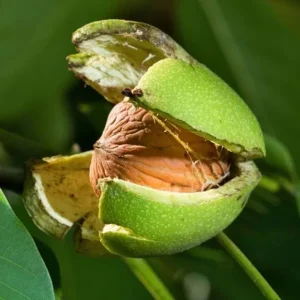
- Q: Does this tree produce fruit or nuts? A: Only female Ginkgo trees produce a fleshy, strong-smelling fruit. Our trees are typically unsexed seedlings or male varieties to avoid this issue, ensuring your yellow ginkgo tree provides only beautiful foliage.
- Q: How often should I water my newly planted ginkgo? A: For the first 1-2 years after planting, water your ginkgo tree deeply 1-2 times per week, especially during dry periods, to help establish a strong root system. Reduce frequency once it’s well-established.
Be the first to review “Yellow Ginkgo Tree Live Plant, Maidenhair Tree, 8-12″ Tall, Quart Pot, Outdoor”
People Also Viewed
Vegetable Seeds
Trinidad Moruga Scorpion Red Pepper Seeds – 1000 Count – Vegetable Seeds – World’s Hottest
Sold 95 products
$217.29
Vegetable Seeds
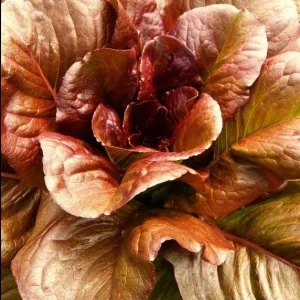
Cimmaron Red Romaine Lettuce Seeds – Bulk Heirloom Vegetable Seed Pack (500-5000 Seeds)
Sold 63 products
From $4.71


Vegetable Seeds
Cimmaron Red Romaine Lettuce Seeds – Heirloom, Crisp & Flavorful – 500 to 5000 Seeds
Sold 70 products
From $4.71





Succulents
Light Pink Christmas Cactus Live Plant 4-6″ Tall in 2″ Pot – Indoor Blooming Tropical Succulent
Sold 53 products
Original price was: $35.98.$17.99Current price is: $17.99.




Reviews
There are no reviews yet.