






Winter Chervil Seeds – French Parsley Heirloom Herb – 100 to 1500 Seed Packs
From $4.71
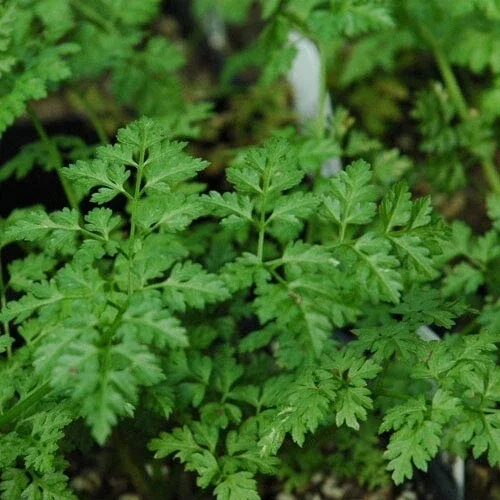
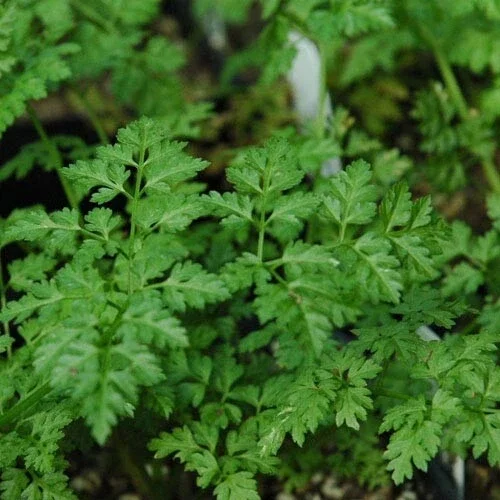
Cultivate your own gourmet herbs with our premium winter chervil seeds. These heirloom French Parsley seeds are ideal for cool-season gardening, offering delicate, anise-flavored foliage perfect for culinary dishes. Choose from 100 to 1500 seeds to start your herb garden.
-
USDA Hardiness Zone
USDA zones 3-9 (as an annual) -
Soil Type
Rich, well-draining, moist soil -
Sunlight Exposure
Partial shade to full sun (cooler climates) -
Expected Planting Period
Early spring or late summer to fall

You can track your order HERE
Sep 17
Sep 22 - Sep 24
Sep 27 - Oct 01
Shipping and return policies: Our Alive & Thrive Guarantee covers issues with your plants within the first 30 days. Reach out to us. Our team will answer your questions and help you find the plants that are truly suitable for your environment, climate, and personal preferences.

Overview
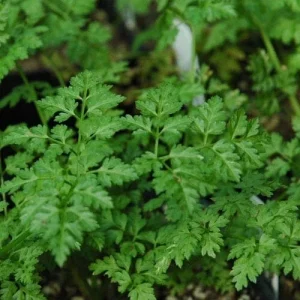
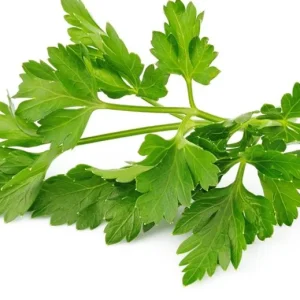
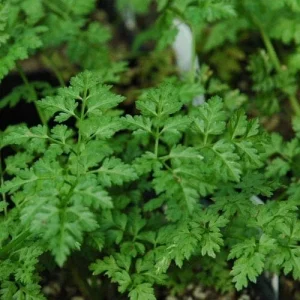
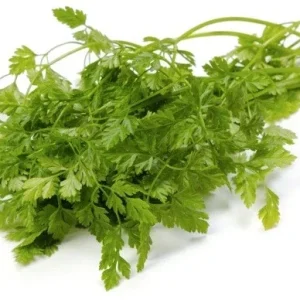
Embark on a delightful culinary journey by growing your own fresh herbs with our high-quality winter chervil seeds. Chervil, often referred to as French parsley, is a delicate annual herb renowned for its subtle flavor, which is a delightful blend of parsley and a hint of anise. These heirloom seeds promise a rewarding gardening experience, yielding beautiful, finely cut, deep-green leaves that are a staple in classic French cuisine. Perfect for those who appreciate gourmet flavors and enjoy the satisfaction of harvesting their own ingredients, these seeds are suitable for both seasoned gardeners and enthusiastic beginners. Growing heirloom chervil from seed allows you to ensure the purity and quality of your herbs, providing a fresh, vibrant addition to your kitchen garden. Our selection offers various pack sizes, from 100 to 1500 seeds, catering to small home gardens or larger wholesale needs.
Winter chervil seeds are particularly valued for their ability to thrive in cooler temperatures, making them an excellent choice for extending your gardening season into the late fall or early spring. Unlike many herbs that bolt quickly in summer heat, winter chervil prefers the milder climate, producing tender leaves for a longer period. This elegant herb is not just a culinary delight but also adds a touch of sophistication to any herb garden with its fern-like foliage. Discover the joy of growing this exquisite herb and elevate your home cooking with the freshest ingredients directly from your garden.
Key Benefits
Growing winter chervil seeds offers numerous advantages, from enhancing your culinary creations to enriching your gardening experience. This versatile herb is a must-have for any home chef or gardening enthusiast.
- Gourmet Culinary Flavor: Chervil provides a unique, delicate flavor profile that is a cross between parsley and subtle anise. It’s a key ingredient in fines herbes blends, perfect for enhancing soups, salads, sauces, and egg dishes without overpowering other flavors. Freshly harvested chervil brings an unparalleled zest to your meals.
- Cool Season Growth: Unlike many herbs that struggle in cooler temperatures, chervil thrives in the spring and fall, making it an excellent choice for extending your gardening season. You can enjoy fresh herbs when other plants are dormant, ensuring a continuous supply of delicate greens.
- Heirloom Quality: Our heirloom chervil seeds ensure genetic purity and consistent flavor, allowing you to save seeds for future seasons and maintain a sustainable garden. Heirloom varieties are often known for their robust growth and authentic taste.
- Easy to Grow: Chervil is relatively easy to cultivate, making it suitable for gardeners of all experience levels. With proper soil and moisture, these seeds germinate readily and produce a bountiful harvest, providing a rewarding experience.
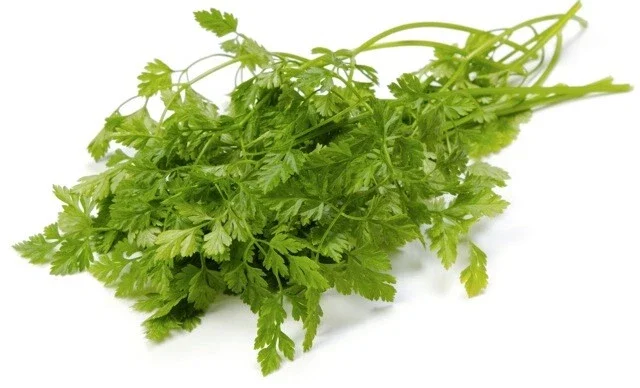
- Versatile Garden Addition: The fern-like, feathery foliage of chervil adds an elegant texture to herb gardens, raised beds, or containers. It can also be used as a delicate garnish, adding visual appeal to your culinary presentations.
- Nutrient Rich: Chervil is not just flavorful but also contains vitamins and minerals, contributing to a healthy diet. Incorporating fresh herbs into your meals is a simple way to boost nutritional intake.
- Freshness at Your Fingertips: Having fresh chervil readily available means you can harvest it just before use, ensuring maximum flavor and nutritional value that store-bought herbs often lack.
Plant Care & Growing Tips
Cultivating winter chervil seeds is a rewarding experience, especially with a few key care tips. Chervil generally prefers cooler weather and can be sown directly outdoors once the danger of hard frost has passed in early spring, or in late summer for a fall/winter harvest. Plant seeds about 1/4 inch deep and 6-8 inches apart in rows, or scatter them for a more natural look. Germination typically occurs within 7-14 days. For continuous harvest, consider succession planting every 2-3 weeks during its preferred growing season.
Chervil thrives in partial shade, especially in warmer climates where direct afternoon sun can cause it to bolt quickly. In cooler regions, it can tolerate more sun. The ideal soil for French parsley seeds is rich, well-draining, and consistently moist. Amend your garden soil with compost or other organic matter to improve fertility and moisture retention. Avoid letting the soil dry out completely, as this can stress the plants and lead to premature flowering. Regular, light watering is usually sufficient. Chervil is not a heavy feeder, but a balanced liquid fertilizer can be applied sparingly if growth appears slow. Protect young plants from strong winds. While generally pest-resistant, keep an eye out for aphids and slugs; organic pest control methods are usually effective.
Harvesting chervil is best done when the plants are young and tender, typically about 6-8 weeks after planting. Snip the outer leaves near the base of the plant, leaving the inner leaves to continue growing. Frequent harvesting encourages more bushy growth and delays bolting. If the plant does begin to flower, the leaves can become bitter, so it’s best to harvest before this stage. You can also allow some plants to go to seed to collect your own chervil herb seeds for the next season. Chervil is best used fresh, as its delicate flavor diminishes significantly when dried or cooked for too long.
Size & Details
Our winter chervil seeds are offered in various quantities to suit your gardening needs, from small home gardens to larger planting projects. You can select packs containing 100 seeds, 400 seeds, or 1500 seeds. Each seed is carefully selected to ensure high germination rates and robust plant growth, providing you with healthy, flavorful chervil plants. These heirloom seeds will produce plants that typically grow to about 12-24 inches in height and spread about 6-12 inches wide, forming a delicate, fern-like mound of foliage. The growth rate is moderate, with plants reaching maturity and readiness for harvest in approximately 6-8 weeks from seeding.
The seeds are packaged to maintain viability and freshness, ensuring they are ready for planting upon arrival. Chervil is an annual herb, completing its life cycle within one growing season. For continuous harvest, successive plantings are recommended. The delicate nature of chervil means it’s best used fresh, though leaves can be frozen for short-term storage. These French parsley seeds are perfect for direct sowing in garden beds, raised beds, or containers, offering flexibility for various gardening setups.
Frequently Asked Questions
- Q: How big does chervil get? A: Chervil plants typically grow to a height of 12-24 inches and spread about 6-12 inches wide. Its delicate, feathery foliage creates a compact, attractive mound in the garden.
- Q: Is this an indoor or outdoor plant? A: While chervil primarily thrives outdoors in garden beds or containers, it can also be grown indoors in a bright, cool spot, such as a windowsill, provided it receives adequate light and consistent moisture.
- Q: How much sunlight does chervil need? A: Chervil prefers partial shade, especially in warmer climates where direct afternoon sun can cause it to bolt. In cooler regions, it can tolerate more sun, ideally 4-6 hours of direct sunlight.
- Q: Is this plant easy to care for? A: Yes, chervil is considered relatively easy to grow. Its main requirements are consistent moisture, well-draining soil, and protection from intense heat and direct sun. It’s a great choice for beginner herb gardeners.
- Q: What condition will the winter chervil seeds arrive in? A: Your winter chervil seeds will arrive in a protective packet, carefully sealed to maintain their viability and freshness, ensuring they are ready for planting.
- Q: Can I use chervil in cooking? A: Absolutely! Chervil is a prized culinary herb, often called French parsley. It’s excellent in salads, soups, omelets, sauces, and as a garnish. Its delicate flavor is best added at the end of cooking.
- Q: When is the best time to plant chervil herb seeds? A: The best time to plant chervil seeds is in early spring after the last frost, or in late summer for a fall and winter harvest. It prefers cooler temperatures.
- Q: Will chervil survive winter in my zone? A: Chervil is an annual and generally won’t survive harsh winters. However, in mild winter climates (USDA zones 7-10), it can often be grown through the winter if protected from hard freezes.
- Q: What’s the minimum temperature chervil can tolerate? A: Chervil can tolerate light frosts, but prolonged freezing temperatures will typically damage or kill the plant. It thrives best in temperatures between 50-70°F (10-21°C).
- Q: What makes these French parsley seeds heirloom? A: Heirloom seeds come from plants that have been open-pollinated for generations, meaning they produce seeds that will grow true to type, allowing you to save seeds from your harvest for future planting.
| Number of seeds | 100 Seeds, 1500 Seeds, 400 Seeds |
|---|
Be the first to review “Winter Chervil Seeds – French Parsley Heirloom Herb – 100 to 1500 Seed Packs”
People Also Viewed
HousePlants
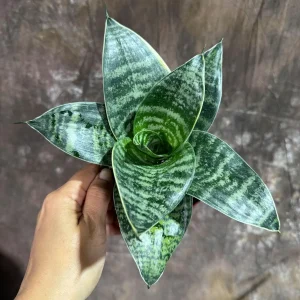
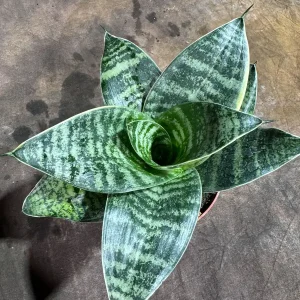
Sansevieria Trifasciata ‘Hahnii’ Bird’s Nest Snake Plant 4″ Pot – Live Indoor Houseplant
Sold 94 products
Original price was: $57.96.$28.98Current price is: $28.98.
Sold 76 products
Original price was: $24.98.$11.99Current price is: $11.99.
Sold 50 products
Original price was: $47.96.$23.98Current price is: $23.98.
Sold 95 products
From $79.96
Sold 84 products
Original price was: $64.00.$51.20Current price is: $51.20.
Sold 84 products
From $24.98
Sold 85 products
Original price was: $35.98.$17.99Current price is: $17.99.
Sold 89 products
From $34.80
Sold 50 products
Original price was: $41.58.$20.79Current price is: $20.79.
Sold 62 products
Original price was: $29.98.$16.99Current price is: $16.99.
Sold 88 products
Original price was: $72.00.$36.00Current price is: $36.00.
Sold 54 products
Original price was: $126.98.$109.98Current price is: $109.98.
Sold 74 products
Original price was: $39.98.$19.99Current price is: $19.99.
Sold 85 products
Original price was: $38.98.$22.98Current price is: $22.98.
Sold 69 products
Original price was: $67.80.$33.90Current price is: $33.90.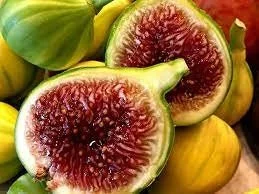
Trees
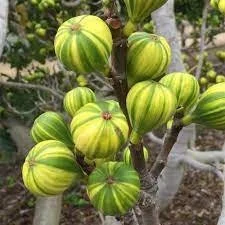
Panache Tiger Fig Tree Live Plant – 2 to 3 Feet Tall – Ships in 3 Gallon Pot – Outdoor Fruit Tree
Sold 62 products
Original price was: $319.96.$159.98Current price is: $159.98.
Sold 56 products
Original price was: $43.96.$21.98Current price is: $21.98.
Sold 76 products
Original price was: $69.98.$34.99Current price is: $34.99.




Reviews
There are no reviews yet.