
White Flowering Dogwood Tree Live Plant – Cornus florida, Quart Pot, 10-16 inches Tall, Outdoor
Original price was: $45.98.$32.18Current price is: $32.18.
Introduce classic American beauty to your garden with this white flowering dogwood tree, a live dogwood plant in a quart pot, approx. 10-16 inches tall. Known for its brilliant spring blossoms and four-season appeal, it’s a perfect ornamental dogwood for outdoor landscapes.
-
USDA Hardiness Zone
5-9 -
Soil Type
Well-drained, slightly acidic to neutral soil -
Sunlight Exposure
Full sun to partial shade -
Expected Planting Period
Early spring or fall

You can track your order HERE
Mar 20
Mar 25 - Mar 27
Mar 30 - Apr 03
Shipping and return policies: Our Alive & Thrive Guarantee covers issues with your plants within the first 30 days. Reach out to us. Our team will answer your questions and help you find the plants that are truly suitable for your environment, climate, and personal preferences.

Overview
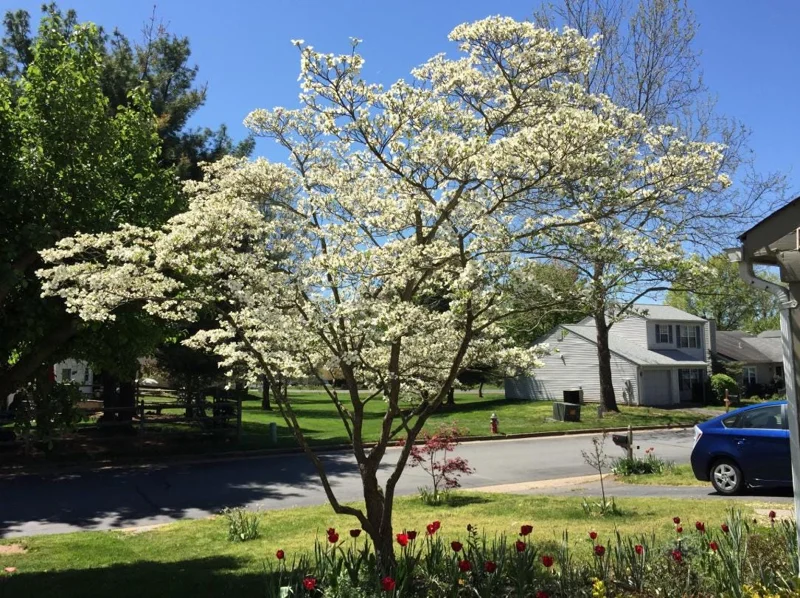
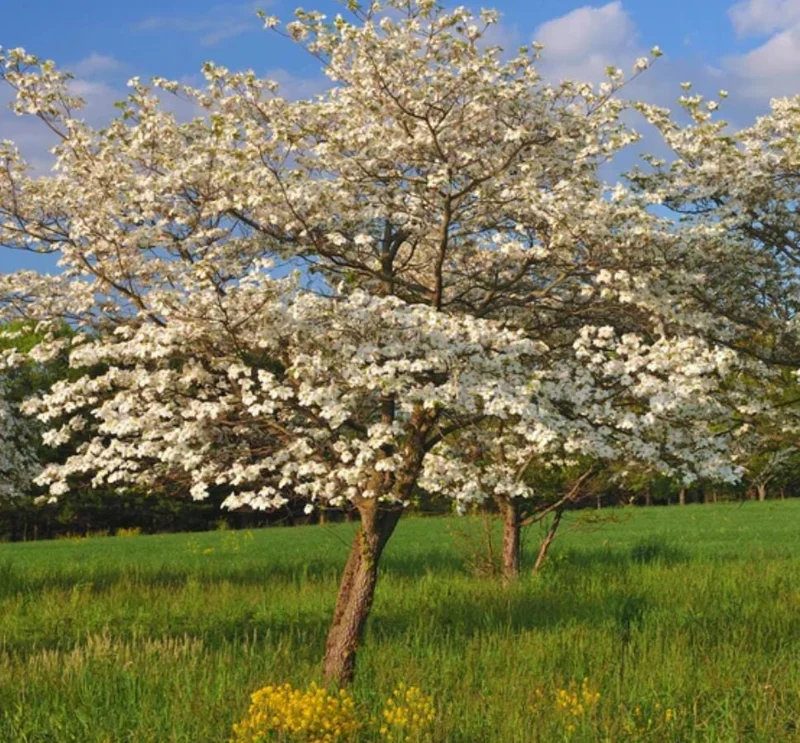
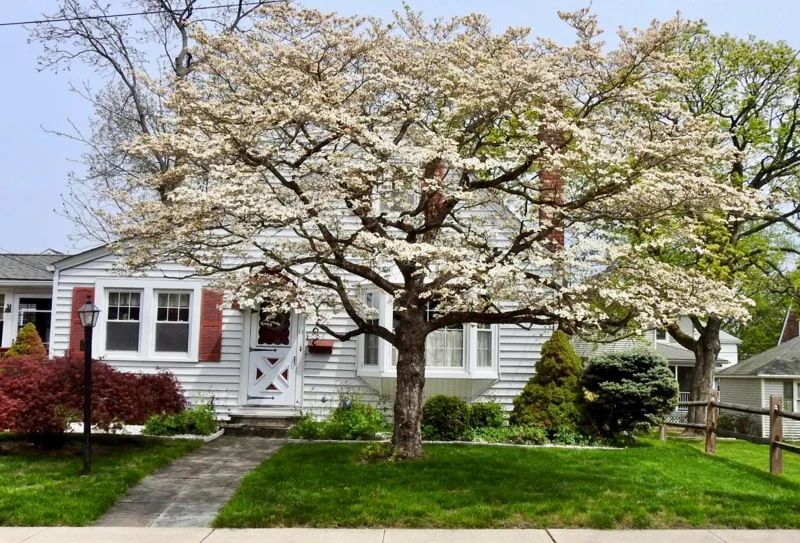
Introduce classic American beauty to your landscape with the white flowering dogwood tree (Cornus florida). This iconic ornamental tree is celebrated for its breathtaking brilliant white blossoms that emerge in early spring, signaling the season’s arrival. Known for its graceful form, lush green summer foliage, and spectacular vibrant red and purple fall colors, the white flowering dogwood tree offers year-round appeal. As a beloved native species to the Eastern U.S., it’s a fantastic choice for supporting local ecosystems and adding a touch of natural elegance to your garden or yard. This live dogwood plant is shipped in a quart pot, ready to establish and flourish, bringing timeless charm from Maine to Texas.
The white flowering dogwood tree is not just a garden favorite; it holds cultural significance as the state tree of both Missouri and Virginia. Its distinctive layered branches and unique winter silhouette contribute to its four-season interest, making it a focal point in any setting. Whether you’re looking to create a striking specimen plant, enhance a woodland garden, or add a native touch to your landscape, the Cornus florida plant is an excellent selection. Its relatively moderate growth rate and adaptability to various conditions make it a rewarding tree for gardeners of all experience levels.
Key Benefits
Choosing a white flowering dogwood tree for your property offers numerous advantages, from aesthetic appeal to ecological benefits. Its versatility and natural beauty make it a truly exceptional addition to any outdoor space.
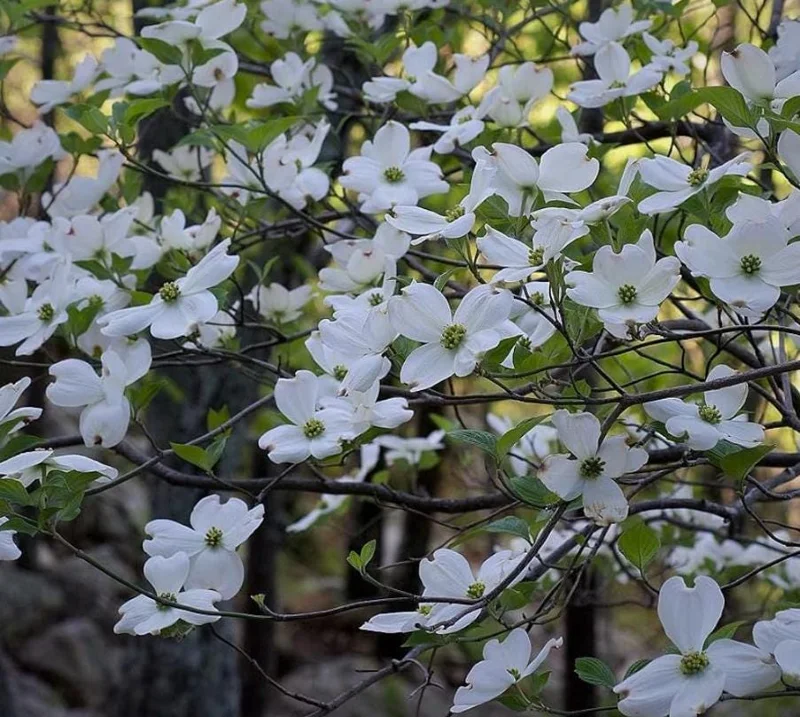
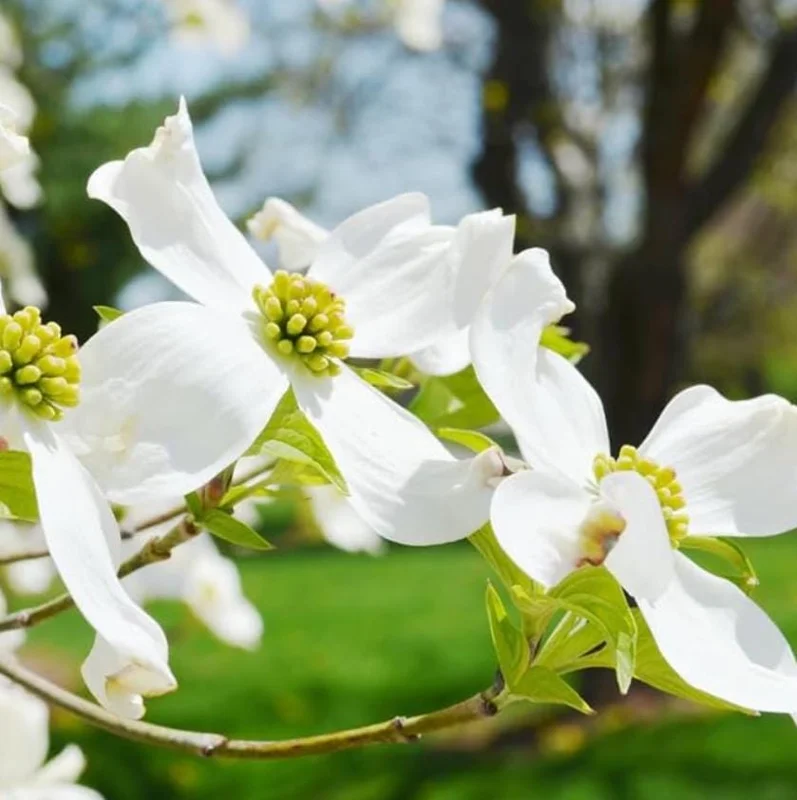
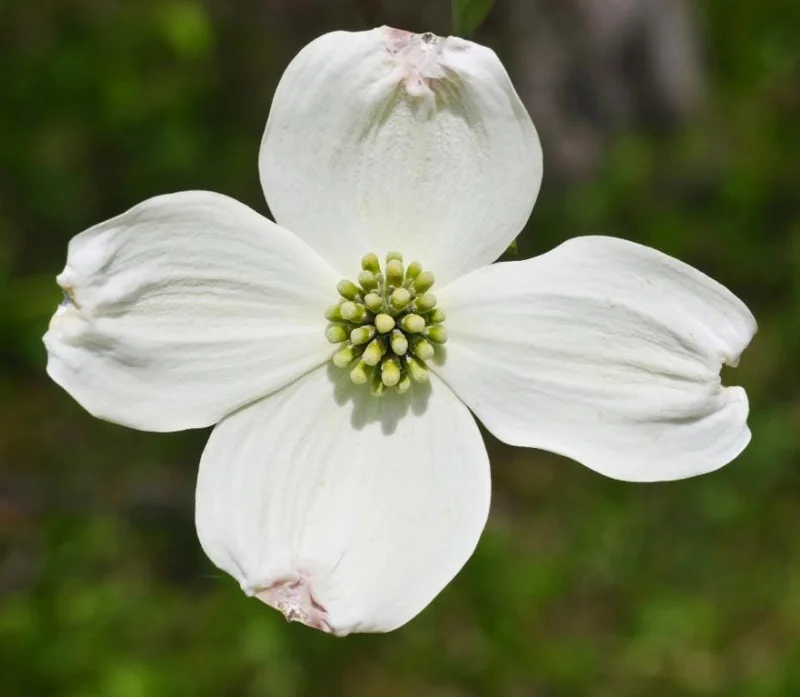
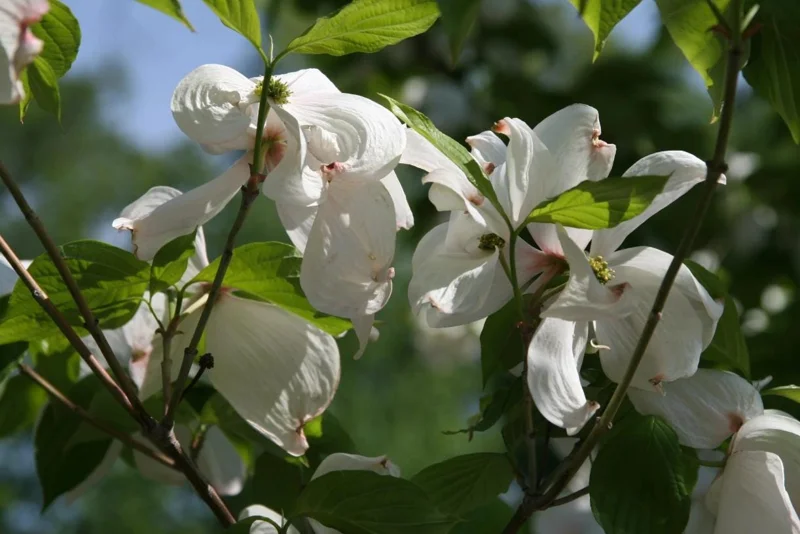
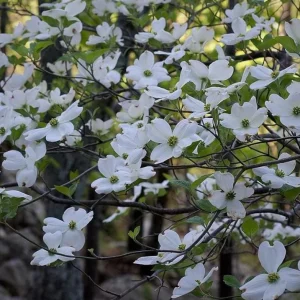
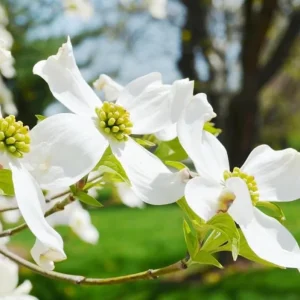
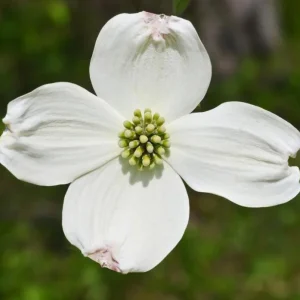
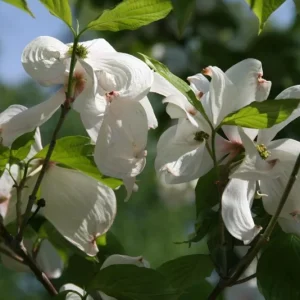
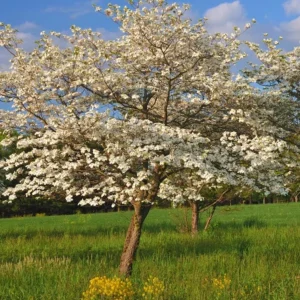
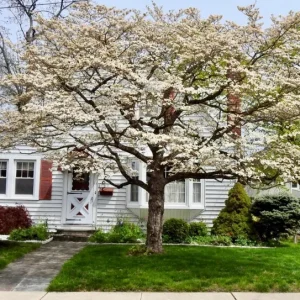
- Iconic Spring Blooms: Enjoy a spectacular display of bright white, star-like flowers every early spring, often coinciding with other early bloomers like redbuds. These blossoms provide a stunning visual impact and attract early pollinators, enhancing the beauty of your native dogwood tree.
- Four-Season Appeal: Beyond its spring flowers, this ornamental dogwood offers lush green leaves in summer, which transform into brilliant shades of red and purple in the fall, followed by an interesting branch structure in winter. This year-round interest makes the white flowering dogwood tree a standout.
- Native Beauty: As a native to the Eastern U.S., the native dogwood tree supports local wildlife, including birds who feed on its bright red berries (though not for human consumption), and insects. It contributes to a healthy local ecosystem.
- Architectural Form: The distinctive horizontal branching pattern of the Cornus florida creates a beautiful architectural element in the landscape, even when dormant. This structural beauty adds visual interest to your garden.
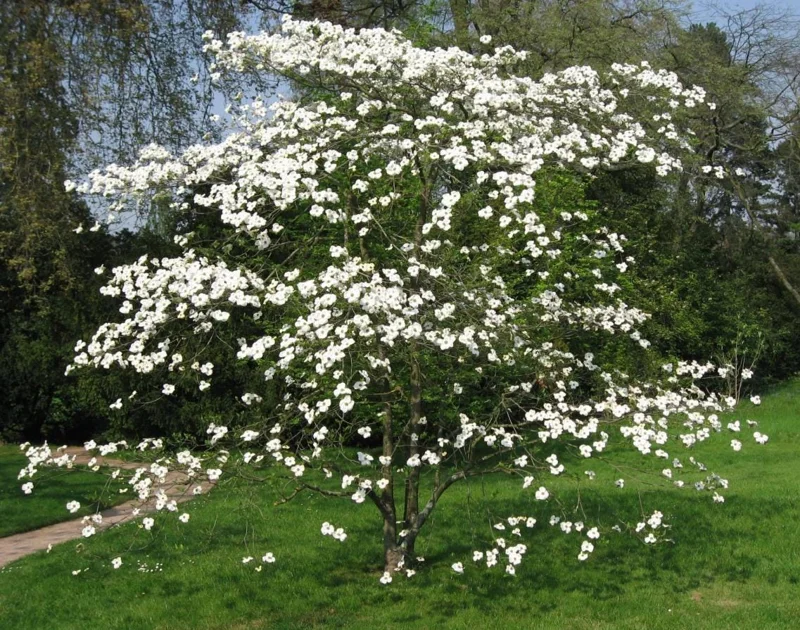
- Moderate Size: Reaching a manageable height of 15-30 feet, the white flowering dogwood tree is suitable for a variety of garden sizes, from small urban yards to larger estate landscapes.
- Adaptable & Hardy: This resilient tree thrives in USDA Zones 5-9, tolerating a range of soil types and light conditions, making it a reliable choice for many regions. Its adaptability makes dogwood tree care straightforward.
- Low Maintenance: Once established, the live dogwood plant requires minimal care, making it an excellent choice for busy gardeners seeking high impact with low effort.
Plant Care & Growing Tips
Ensuring the success of your white flowering dogwood tree begins with proper planting and consistent care during its establishment phase. This beautiful tree prefers a location with full sun to partial shade. In hotter climates, some afternoon shade can help protect it from scorching. Well-drained, slightly acidic to neutral soil is ideal for optimal growth. Avoid planting in areas where water tends to collect, as dogwoods do not tolerate consistently wet feet. Proper soil is key to good dogwood tree care.
When planting your live dogwood plant, dig a hole that is twice as wide as the root ball and just as deep. Gently loosen any circling roots before placing the tree in the hole. Backfill with native soil, ensuring the top of the root ball is level with the surrounding ground. Water thoroughly immediately after planting and continue to water regularly, especially during dry periods, for the first year or two until the tree is well-established. Maintaining consistent moisture is crucial for young dogwoods. Applying a 2-3 inch layer of organic mulch around the base, keeping it a few inches away from the trunk, will help retain soil moisture, regulate soil temperature, and suppress weeds. Fertilize sparingly if needed, using a balanced slow-release fertilizer in early spring as new growth emerges. Pruning is generally minimal, focusing on removing dead, damaged, or crossing branches to maintain a healthy structure for your Cornus florida plant.
Protecting your white flowering dogwood tree from common pests and diseases is also important. While generally robust, they can be susceptible to powdery mildew or anthracnose in humid conditions. Ensure good air circulation around the tree and consider disease-resistant varieties if these issues are prevalent in your area. With proper care, your ornamental dogwood will grow into a magnificent specimen, providing years of beauty and enjoyment.
Size & Details
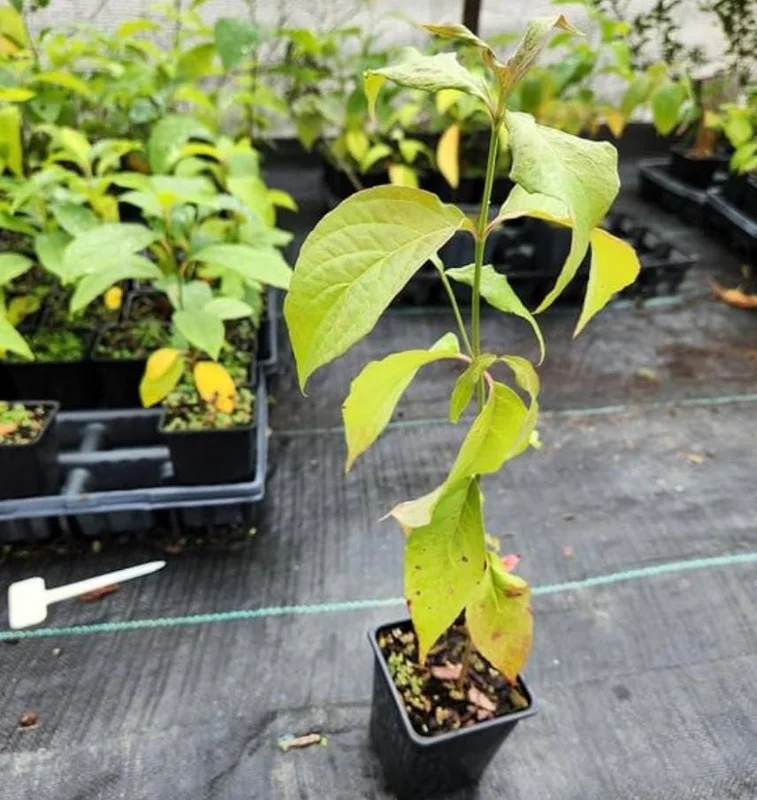
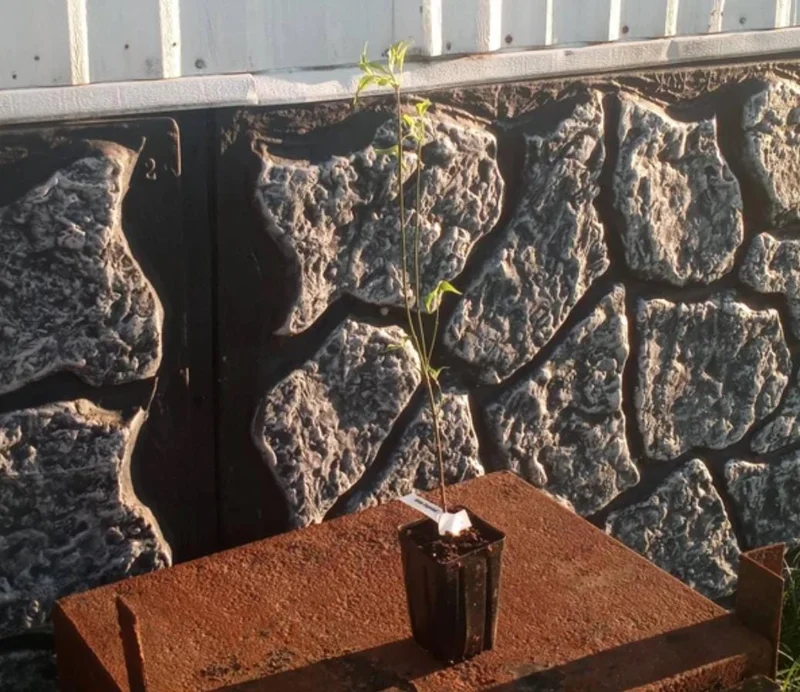
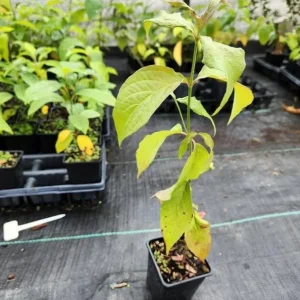
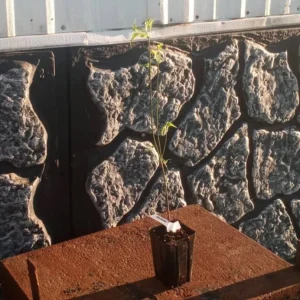
This white flowering dogwood tree is a vibrant live dogwood plant, shipped in a quart-sized pot. Upon arrival, the tree will typically measure approximately 10-16 inches tall, providing a healthy young specimen ready for planting. Dogwoods are known for their moderate growth rate, eventually reaching a mature height of 15-30 feet with a similar spread, creating a beautiful, rounded canopy. The tree’s white flowers are typically 2-4 inches across, appearing in clusters before the leaves fully emerge in spring. Foliage remains a lush green throughout the summer, transitioning to brilliant reds and purples in the fall. This specific variety is hardy in USDA Zones 5-9, making it suitable for a wide range of climates. When mature, the native dogwood tree provides excellent shade and a stunning visual presence in any garden setting.
Frequently Asked Questions
- Q: How big will my white flowering dogwood tree get? A: A mature white flowering dogwood tree typically reaches a height of 15-30 feet with a similar spread. Its size can vary depending on growing conditions and climate, but it generally forms a beautiful, rounded canopy, making it a substantial ornamental dogwood.
- Q: Is this an indoor or outdoor plant? A: The white flowering dogwood tree is an outdoor plant. It requires natural sunlight and winter dormancy to thrive and is best suited for garden landscapes, not indoor environments.
- Q: How much sunlight does the white flowering dogwood need? A: This live dogwood plant prefers full sun to partial shade. In hotter climates, providing some afternoon shade can prevent leaf scorch and promote healthier growth.
- Q: Is this plant easy to care for? A: Once established, the white flowering dogwood tree is relatively low-maintenance. It requires consistent watering during its first few years and prefers well-drained soil. Good dogwood tree care is simple for established plants.
- Q: What condition will my dogwood plant arrive in? A: Your Cornus florida plant will arrive as a live plant in a quart pot, approximately 10-16 inches tall. During winter months, it may arrive dormant and leafless, which is completely normal and healthy.
- Q: When is the best time to plant a white flowering dogwood tree? A: The best time to plant your ornamental dogwood is in early spring or fall. This allows the tree to establish its root system before the stress of summer heat or winter cold.
- Q: Will this native dogwood tree survive winter in my zone? A: The native dogwood tree is hardy in USDA Zones 5-9. If you are within these zones, your plant should successfully overwinter and return with new growth in the spring.
- Q: What are the best conditions for a Cornus florida plant? A: The Cornus florida plant thrives in well-drained, slightly acidic to neutral soil and prefers full sun to partial shade, especially with afternoon shade in hotter climates. Consistent moisture during establishment is crucial.
- Q: Why should I choose a native dogwood tree? A: Choosing a native dogwood tree supports local ecosystems, provides food and shelter for wildlife, and is well-adapted to the local climate, often requiring less intervention than non-native species.
Be the first to review “White Flowering Dogwood Tree Live Plant – Cornus florida, Quart Pot, 10-16 inches Tall, Outdoor”
People Also Viewed
Sold 86 products
Original price was: $39.99.$19.99Current price is: $19.99.
Flower Bulbs
Organic Garlic Bulbs Mix 8 oz – Multi-Variety Selection for Planting, Hardneck & Softneck, Allium
Sold 63 products
Original price was: $38.76.$19.38Current price is: $19.38.

Sold 50 products
Original price was: $8.20.$4.10Current price is: $4.10.

Sold 65 products
Original price was: $8.48.$4.24Current price is: $4.24.
Sold 99 products
Original price was: $127.96.$63.98Current price is: $63.98.
Sold 82 products
Original price was: $65.98.$46.18Current price is: $46.18.
Sold 53 products
Original price was: $39.98.$27.98Current price is: $27.98.
Flower Plants
Sold 81 products
Original price was: $27.98.$13.99Current price is: $13.99.
Sold 97 products
Original price was: $213.58.$128.14Current price is: $128.14.
Sold 72 products
Original price was: $97.98.$48.99Current price is: $48.99.
Sold 93 products
Original price was: $211.96.$105.98Current price is: $105.98.
Sold 65 products
Original price was: $79.98.$39.99Current price is: $39.99.
Sold 66 products
Original price was: $64.00.$51.20Current price is: $51.20.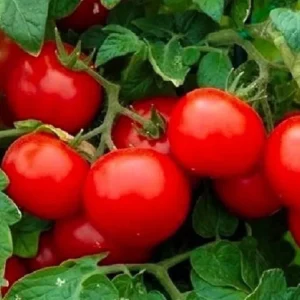

Vegetable Seeds
Large Cherry Tomato Seeds | Heirloom NON-GMO Vegetable Seeds | Red Fruit | Indoor/Outdoor
Sold 73 products
Original price was: $8.36.$4.18Current price is: $4.18.
Sold 68 products
Original price was: $147.16.$73.58Current price is: $73.58.
Sold 76 products
Original price was: $179.00.$89.50Current price is: $89.50.
Sold 68 products
Original price was: $63.98.$31.99Current price is: $31.99.
Sold 58 products
Original price was: $57.60.$28.80Current price is: $28.80.



Reviews
There are no reviews yet.