
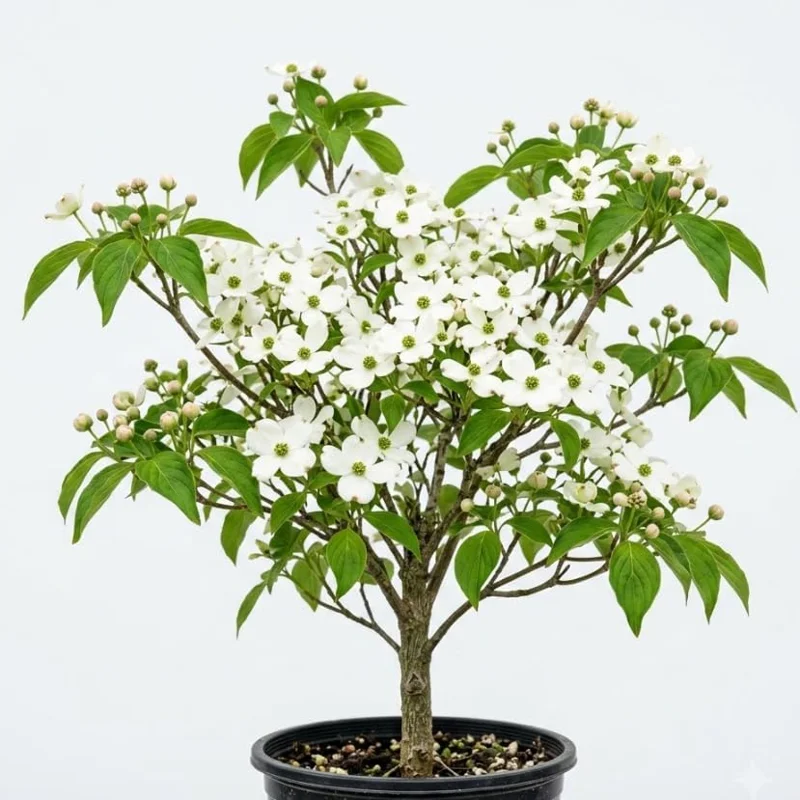
White Dogwood Tree Live Plant, Deciduous Shrub, 6-12″ Tall, Quart Pot, Outdoor
Original price was: $41.98.$20.99Current price is: $20.99.
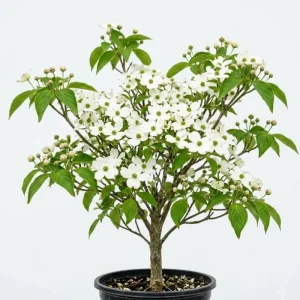
Bring classic beauty to your landscape with this white dogwood tree live plant. Arriving 6-12 inches tall in a quart pot, this deciduous shrub is ready to plant. Enjoy elegant white flowers and seasonal interest as it matures into a stunning small tree.
-
USDA Hardiness Zone
USDA Zones 5-9 -
Soil Type
Well-draining, acidic to neutral soil -
Sunlight Exposure
Partial sun to filtered sunlight -
Expected Planting Period
Spring to early summer or early fall

You can track your order HERE
Oct 31
Nov 05 - Nov 07
Nov 10 - Nov 14
Shipping and return policies: Our Alive & Thrive Guarantee covers issues with your plants within the first 30 days. Reach out to us. Our team will answer your questions and help you find the plants that are truly suitable for your environment, climate, and personal preferences.

Overview
Introduce timeless elegance to your garden with a white dogwood tree live plant. This exquisite deciduous shrub, scientifically known as Cornus florida, is celebrated for its breathtaking white blooms that signal the arrival of spring. Each plant is carefully cultivated and arrives well-established in a quart-sized pot, standing approximately 6 to 12 inches tall, perfectly primed for transplantation into your yard or garden. The white dogwood tree live plant transforms any outdoor space into a serene sanctuary, offering year-round visual appeal from its delicate spring flowers to its vibrant fall foliage. It’s an ideal choice for gardeners seeking a plant that combines ornamental beauty with relative ease of care, making it a beloved addition to diverse landscape designs across the United States.
The allure of the dogwood extends beyond its flowers; its distinctive branching structure and manageable size ensure it remains a focal point even when not in bloom. This particular variety, known for its classic white bracts, provides a sophisticated touch to woodland gardens, accent plantings, or as a graceful specimen tree in smaller yards. As a deciduous garden tree, it offers dynamic seasonal interest, from the stark beauty of its winter silhouette to the lush greenery of summer. Investing in a white dogwood tree live plant means cultivating a piece of natural artistry that will flourish and enhance your home’s curb appeal for years to come.
Key Benefits
The white dogwood tree live plant offers a multitude of benefits, making it an excellent choice for any garden or landscape. Its aesthetic appeal and ecological value are significant, providing both beauty and support for local wildlife.
- Stunning Ornamental Value: Features classic, showy white blooms in spring that create a captivating display, adding significant visual interest and elegance to any garden or landscape setting. The distinctive flowers are a true highlight.
- Seasonal Interest: Provides year-round beauty, transitioning from delicate white flowers in spring to lush green foliage in summer, vibrant red-purple leaves in fall, and an attractive branching structure in winter. This makes it a dynamic feature in your yard.
- Wildlife Attraction: The flowers attract pollinators like bees and butterflies, while the bright red berries produced in late summer and fall serve as a crucial food source for various bird species, contributing to local biodiversity.
- Versatile Landscape Use: As a manageable small tree, it is perfect for front yards, accent plantings, woodland gardens, or as a specimen plant, adapting well to many garden settings and design styles.
- Relatively Low Maintenance: Once established, the dogwood tree care requirements are moderate, primarily needing consistent watering during dry periods and occasional pruning to maintain shape and health.
- Adaptable to Various Zones: Thrives in USDA hardiness zones 5-9, showcasing its resilience and adaptability to a wide range of climates across the United States.
- Enhances Property Value: A well-established and healthy flowering dogwood shrub can significantly boost the aesthetic appeal and market value of your property, making it a wise long-term investment.
Plant Care & Growing Tips
Proper dogwood tree care is essential for ensuring your white dogwood tree live plant flourishes and produces its iconic blooms. Dogwoods prefer a site with well-drained soil and partial sun to filtered sunlight. While they can tolerate full sun in cooler climates, they generally perform best with some afternoon shade, especially in hotter regions, to protect their leaves from scorching. Aim for at least 4-6 hours of morning sun with protection from intense afternoon rays. Good air circulation is also important to prevent fungal diseases. When planting, amend the soil with organic matter to improve drainage and fertility, as dogwoods dislike heavy, waterlogged conditions.
Watering should be consistent, especially during the first few growing seasons after planting and during dry spells. The soil should be kept evenly moist but not saturated. A good rule of thumb is to water deeply once or twice a week, allowing the top inch or two of soil to dry out slightly between waterings. Mulching around the base of the tree with 2-4 inches of organic mulch (like pine bark or shredded leaves) can help retain soil moisture, regulate soil temperature, and suppress weeds. Avoid piling mulch directly against the trunk, as this can lead to rot. Fertilize sparingly in early spring with a balanced, slow-release fertilizer formulated for trees and shrubs, following package directions. Over-fertilization can harm the tree, so less is often more.
Pruning is generally minimal for a flowering dogwood shrub. Remove any dead, damaged, or crossing branches in late winter or early spring before new growth begins. You can also prune to maintain a desirable shape or size, but extensive pruning can reduce the number of blooms in the following season. Watch out for common issues like powdery mildew, anthracnose, and dogwood borers. Choosing resistant varieties, ensuring good air circulation, and proper watering techniques can help prevent many of these problems. With consistent and attentive care, your cornus florida will become a cherished part of your landscape for many years.
Size & Details
This white dogwood tree live plant arrives as a well-rooted specimen, typically standing 6 to 12 inches tall, measured from the soil line. It is shipped in a quart-sized nursery pot, providing a robust root system ready for successful transplantation into your garden or landscape. As a young deciduous garden tree, its growth rate is moderate, and it will gradually reach its mature size over several years. Expect it to mature into a small tree, generally reaching heights of 15 to 30 feet with a spread of 15 to 20 feet, making it an excellent choice for various garden applications where a compact yet stately tree is desired.
The plant is prepared for planting in spring to early summer, but can also be planted in fall in milder climates. It will begin to establish itself quickly, producing its characteristic white flowers in subsequent spring seasons. The specific timing of blooms and overall growth will depend on local climate conditions and the care provided. This white dogwood tree live plant is a beautiful addition, offering a promise of future beauty and shade as it grows.
Frequently Asked Questions
- Q: How big does this plant get? A: This white dogwood tree live plant typically matures into a small tree, reaching heights of 15-30 feet with a spread of 15-20 feet. Its manageable size makes it suitable for many garden spaces.
- Q: What size pot does it come in? A: The plant arrives well-established in a quart-sized nursery pot, standing approximately 6 to 12 inches tall, ready for immediate planting in your garden.
- Q: Is this an indoor or outdoor plant? A: The white dogwood tree live plant is an outdoor deciduous tree, best suited for planting in gardens and landscapes where it can receive natural sunlight and experience seasonal changes.
- Q: How much sunlight does it need? A: It thrives in partial sun to filtered sunlight, ideally receiving 4-6 hours of morning sun and protection from intense afternoon rays. Too much direct, hot sun can scorch its leaves.
- Q: Is this plant easy to care for? A: Yes, with proper planting and consistent initial care, dogwoods are relatively low-maintenance. Key aspects of dogwood tree care include well-drained soil, adequate watering, and minimal pruning.
- Q: What condition will it arrive in? A: Your flowering dogwood shrub will arrive as a healthy, well-rooted live plant in its nursery pot, carefully packaged to ensure its safe journey and readiness for planting.
- Q: When is the best time to plant? A: The best time to plant your cornus florida is typically in spring after the last frost or in early fall before the ground freezes, allowing it time to establish its root system.
- Q: Will it survive winter in my zone? A: This deciduous garden tree is suitable for USDA hardiness zones 5-9 and is well-adapted to surviving winters within this range. Ensure proper mulching for winter protection in colder zones.
- Q: What type of soil does it prefer? A: Dogwoods prefer well-drained, acidic to neutral soil that is rich in organic matter. Avoid heavy clay soils that retain too much moisture, as this can lead to root rot.
- Q: How long until it blooms? A: This young white dogwood tree live plant will typically begin producing its beautiful white blooms in the spring following its first full year of establishment in your garden, with more abundant flowering as it matures.
Be the first to review “White Dogwood Tree Live Plant, Deciduous Shrub, 6-12″ Tall, Quart Pot, Outdoor”
People Also Viewed






HousePlants
Lithops Live Plants Mix – 30 Colorful Succulents – Living Stones for Indoor/Outdoor Planting
Sold 66 products
Original price was: $65.98.$32.99Current price is: $32.99.













Reviews
There are no reviews yet.