
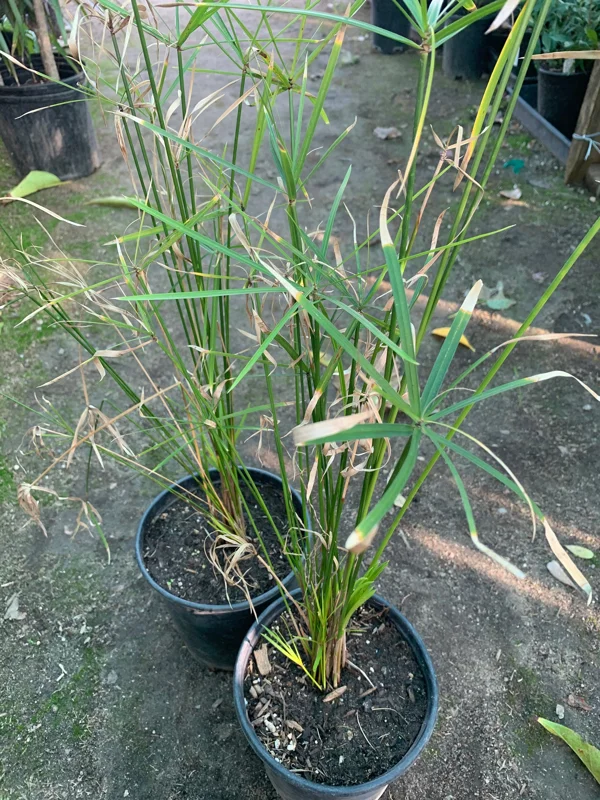
Umbrella Palm (Cyperus Alternifolius) Live Plant – 1-2 ft Tall, 1 Gallon Pot
Original price was: $147.16.$73.58Current price is: $73.58.
Add a touch of tropical elegance to your pond or home with this beautiful umbrella palm live plant. Known for its distinctive umbrella-like foliage, the Cyperus Alternifolius thrives in moist conditions, making it an ideal choice for water features or as a unique houseplant.
-
USDA Hardiness Zone
USDA zones 8-11 (outdoors); Year-round indoors -
Soil Type
Heavy loam or aquatic potting mix -
Sunlight Exposure
Full sun to partial shade (outdoors), Bright indirect to direct light (indoors) -
Expected Planting Period
Year-round indoors; Spring to early summer outdoors

You can track your order HERE
Mar 02
Mar 07 - Mar 09
Mar 12 - Mar 16
Shipping and return policies: Our Alive & Thrive Guarantee covers issues with your plants within the first 30 days. Reach out to us. Our team will answer your questions and help you find the plants that are truly suitable for your environment, climate, and personal preferences.

Overview
Bring a lush, tropical feel to your home or garden with the stunning umbrella palm live plant (Cyperus Alternifolius). This captivating aquatic plant, also commonly known as Umbrella Sedge or Umbrella Papyrus, is celebrated for its distinctive architectural foliage. Each slender stem is topped with a whorl of narrow, leaf-like bracts that radiate outwards, creating an elegant umbrella shape. Perfect for adding vertical interest to water gardens, ponds, bogs, or even as a vibrant container plant indoors, the umbrella palm live plant is a versatile and attractive addition to any plant collection. It’s a vigorous grower that quickly establishes itself, providing a beautiful focal point with minimal effort.
Originating from Madagascar, Cyperus Alternifolius is well-adapted to consistently moist or even submerged conditions, distinguishing it from many other ornamental plants. Its unique appearance and love for water make it an excellent choice for creating a serene and exotic atmosphere. Whether you’re an experienced aquatic gardener or just starting, this plant offers a rewarding experience with its striking form and relatively straightforward care requirements. It’s also known for its ability to help filter water, contributing to a healthier aquatic environment.
Key Benefits
The umbrella palm live plant offers a multitude of benefits, making it a highly desirable choice for various settings. Its unique aesthetic and adaptability contribute to both the beauty and ecological balance of its environment. Here are some of the key advantages:
- Striking Ornamental Appeal: The unique, umbrella-like foliage provides a strong architectural element and a tropical feel, making it a natural conversation starter. It adds a dramatic vertical accent to any water feature or indoor space.
- Excellent for Water Features: Thrives in consistently wet soil or shallow water, making it perfect for ponds, bogs, water gardens, and even rain gardens. It helps to naturalize the edges of water bodies.
- Air Purification: Like many plants, the umbrella palm live plant contributes to improved air quality by absorbing common indoor pollutants and releasing oxygen, creating a fresher living environment.
- Low Maintenance: Once established, this plant is remarkably easy to care for, requiring consistent moisture and adequate light. It’s a resilient species that can tolerate a range of conditions.
- Versatile Placement: Can be grown submerged in water, in containers with consistently wet soil, or as an attractive houseplant in a well-drained pot with a saucer of water. This versatility allows for creative landscaping and decor.
- Rapid Growth: The Cyperus Alternifolius care is relatively simple, and it grows quickly, allowing you to enjoy its full, lush appearance in a short amount of time. This rapid growth also means it can quickly fill in spaces in your water garden.
- Habitat for Wildlife: In outdoor pond settings, the dense foliage can provide shelter for small aquatic creatures and insects, contributing to local biodiversity.
Plant Care & Growing Tips
Providing the right conditions for your umbrella palm live plant ensures its vibrant growth and health. This plant, also known for its simple how to grow umbrella palm guidelines, thrives on consistent moisture and ample light. For outdoor planting, choose a location in full sun to partial shade. Full sun encourages denser growth and more vibrant green foliage. If growing indoors, place it near a bright window where it can receive several hours of direct or very bright indirect sunlight daily. Insufficient light can lead to leggy growth and less robust foliage.
Watering is perhaps the most critical aspect of Cyperus Alternifolius care. This plant is a true bog or aquatic plant, meaning it loves water. For outdoor water features, plant it directly into the muddy bottom of a pond or in a container submerged in up to 6 inches of water. If growing in a container on land, ensure the pot has no drainage holes or place a regular pot inside a larger, watertight container filled with water, keeping the soil consistently saturated. Never allow the soil to dry out, as this can quickly lead to wilting and decline. For indoor plants, keep the soil perpetually moist, almost soggy, and ensure a saucer filled with water is always beneath the pot.
The ideal soil for an umbrella palm live plant is a heavy, nutrient-rich loam or a specialized aquatic potting mix. Avoid light, fast-draining potting soils typically used for houseplants, as they won’t retain enough moisture. While not heavy feeders, a light application of a balanced, slow-release aquatic plant fertilizer in spring can promote vigorous growth. Pruning involves simply removing any yellowing or dead stems at the base to encourage new growth and maintain a tidy appearance. This potted water plant is generally pest-resistant, but keep an eye out for common houseplant pests if grown indoors in drier conditions. It is known to be hardy in USDA zones 8-11, thriving in warm, humid environments, but can be overwintered indoors in colder climates.
Size & Details
This offering is for a healthy umbrella palm live plant, measuring approximately 1-2 feet tall from the base of the plant to the top of its foliage. It is shipped in a 1 gallon nursery pot, providing a substantial root system for easy transplanting and immediate visual impact. The plant showcases the characteristic umbrella-like bracts that make it so popular as a potted water plant. When established, Cyperus Alternifolius can grow to an impressive height of 3-6 feet tall with a spread of 2-3 feet, forming dense clumps. Its growth rate is considered fast, especially in optimal, consistently moist conditions with ample sunlight. Upon arrival, the plant will be ready to be placed in your pond, bog garden, or a large, water-retentive container for indoor display. With proper indoor aquatic plant care, it will quickly develop into a magnificent specimen.
Frequently Asked Questions
- Q: How big does this plant get? A: This umbrella palm live plant is currently 1-2 feet tall in a 1 gallon pot. When mature, it can reach heights of 3-6 feet with a spread of 2-3 feet, forming a lush, dense clump.
- Q: Is this an indoor or outdoor plant? A: The umbrella palm live plant is incredibly versatile. It thrives outdoors in ponds and bog gardens in warmer climates (USDA zones 8-11) and can also be grown successfully indoors as a striking houseplant, provided it receives adequate light and moisture.
- Q: How much sunlight does it need? A: This plant prefers full sun to partial shade outdoors. If growing indoors, place it in a location that receives bright, direct or indirect light for several hours a day to ensure robust growth.
- Q: Is this plant easy to care for? A: Yes, the Cyperus Alternifolius care is considered easy. Its primary requirement is consistent moisture; it loves wet feet. As long as its soil is kept perpetually moist or submerged, it’s a very forgiving plant.
- Q: What condition will it arrive in? A: Your umbrella palm live plant will arrive as a healthy, established plant in a 1 gallon nursery pot, carefully packaged to ensure its safe journey. It will be ready for immediate planting or placement.
- Q: Is it shipped in soil? A: Yes, the plant is shipped in its nursery pot with its established root system in soil, ensuring minimal shock during transit and easy transition to its new home.
- Q: Can I grow this as an indoor aquatic plant? A: Absolutely! It makes an excellent indoor aquatic plant. You can place the potted plant directly into a decorative watertight container with water, or ensure its pot sits in a saucer of water, keeping the soil constantly saturated.
- Q: When is the best time to plant? A: For outdoor planting, spring to early summer is ideal. Indoor planting can be done year-round, as long as appropriate light and temperature conditions are met.
- Q: Will it survive winter in my zone? A: The umbrella palm live plant is hardy in USDA zones 8-11. In colder zones, it can be brought indoors for the winter or treated as an annual for outdoor water features.
- Q: What’s the minimum temperature it can tolerate? A: While it prefers warm temperatures, it can tolerate brief dips to around 40°F (4°C) but is best protected from freezing temperatures. For sustained health, temperatures above 50°F (10°C) are recommended.
Be the first to review “Umbrella Palm (Cyperus Alternifolius) Live Plant – 1-2 ft Tall, 1 Gallon Pot”
People Also Viewed
Sold 73 products
From $21.99
Sold 86 products
Original price was: $39.98.$19.99Current price is: $19.99.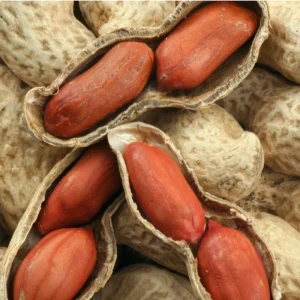
Vegetable Seeds
85g Jumbo Bailey Virginia Peanut Seeds – Organic Non-GMO Vegetable Seeds for Planting Outdoor
Sold 100 products
Original price was: $26.76.$13.38Current price is: $13.38.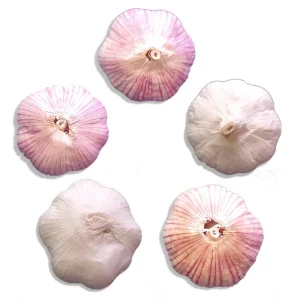
Vegetable Seeds
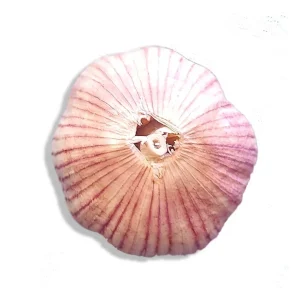
Organic Garlic Bulbs – Chesnok, Music, Italian, German, Russian Varieties for Planting & Cooking
Sold 55 products
From $23.28
Sold 88 products
From $47.80
Sold 78 products
Original price was: $60.00.$48.00Current price is: $48.00.
Sold 74 products
Original price was: $239.96.$119.98Current price is: $119.98.
Sold 77 products
Original price was: $391.96.$195.98Current price is: $195.98.
Sold 77 products
$48.38
Sold 52 products
Original price was: $29.92.$14.96Current price is: $14.96.
Sold 77 products
Original price was: $49.98.$24.99Current price is: $24.99.

Sold 55 products
Original price was: $51.98.$25.99Current price is: $25.99.
Sold 83 products
Original price was: $28.76.$14.38Current price is: $14.38.
Sold 69 products
Original price was: $161.56.$80.78Current price is: $80.78.
Sold 89 products
$175.98
Sold 90 products
From $60.00
Sold 54 products
Original price was: $259.96.$129.98Current price is: $129.98.
Sold 71 products
From $15.98


Reviews
There are no reviews yet.