
Trinette Variegated Schefflera Live Plant – Arboricola Umbrella Tree 4-6 Inch Tall, Indoor/Outdoor
$14.39
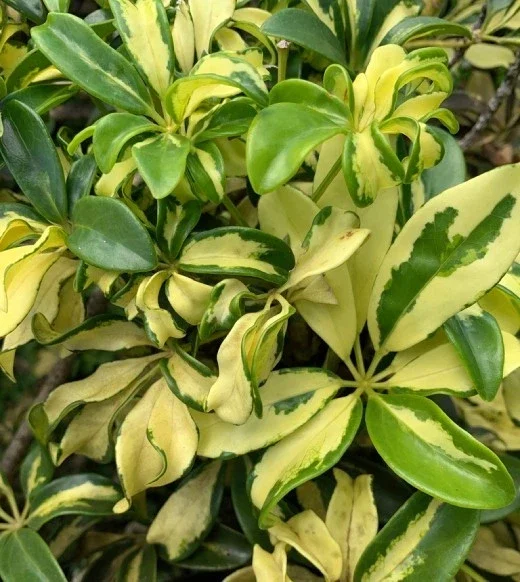
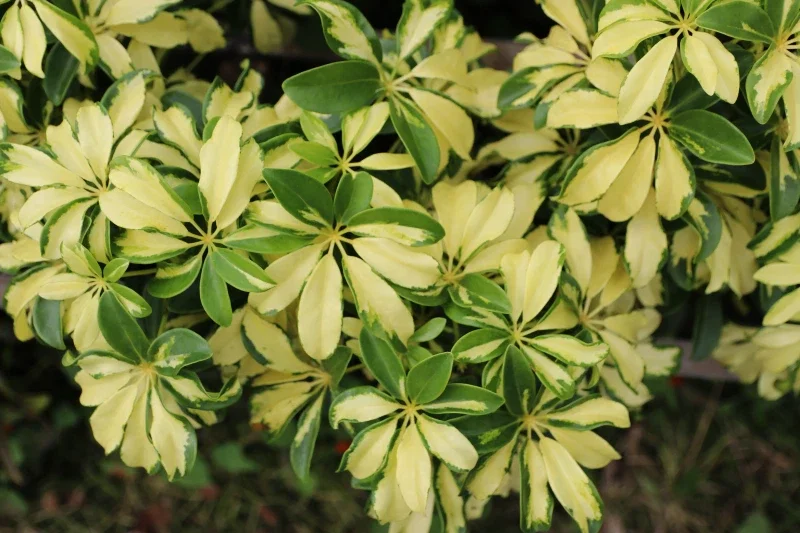
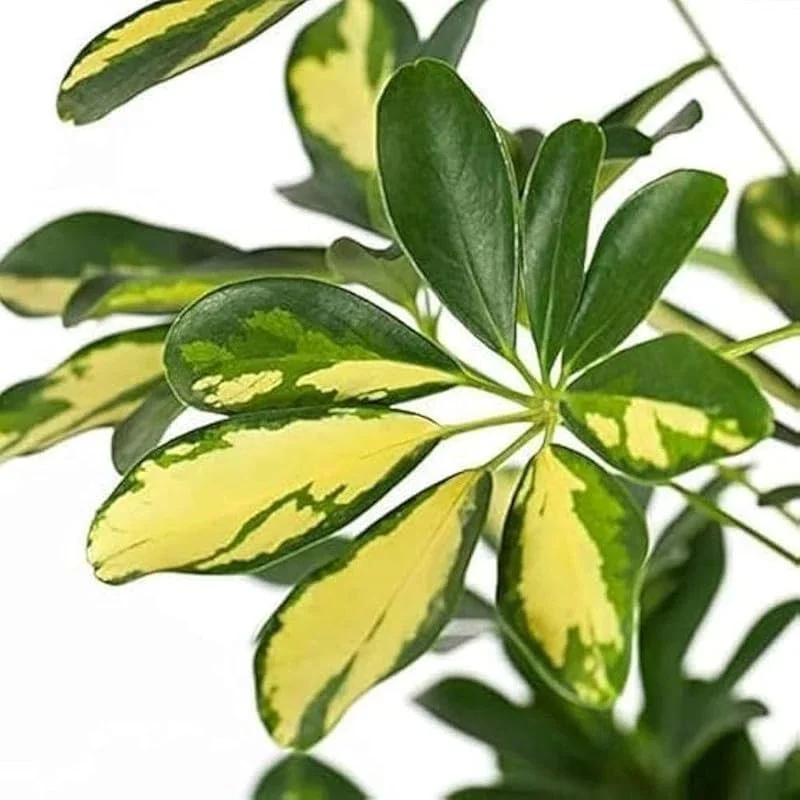
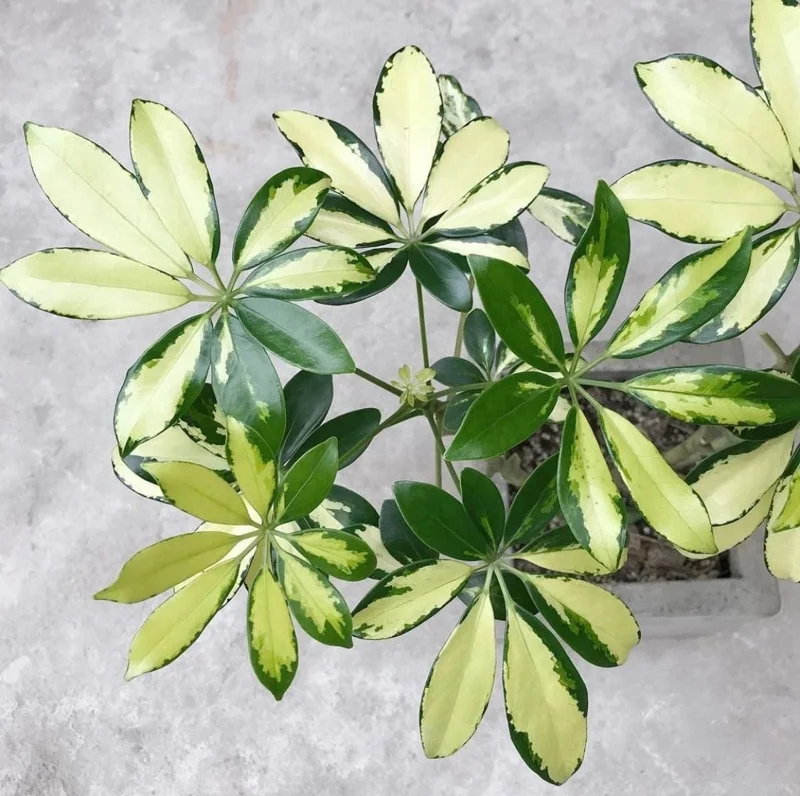
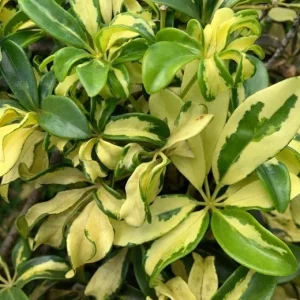
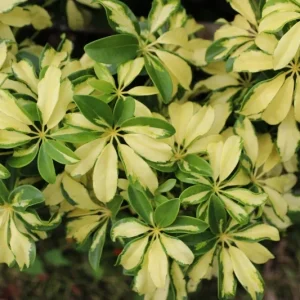
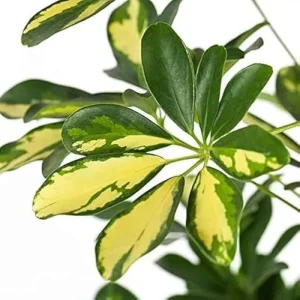
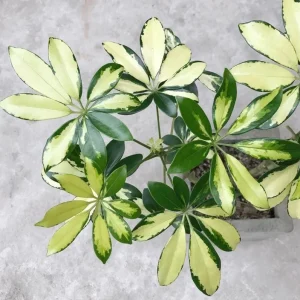
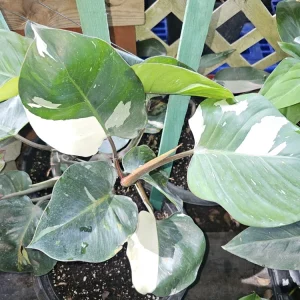
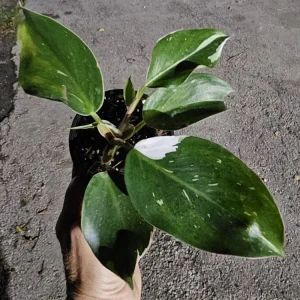
Add a touch of tropical elegance with the Trinette Variegated Schefflera plant. This beautiful Arboricola Umbrella Tree features striking green and yellow foliage, making it a vibrant addition to any indoor or outdoor setting. Standing 4 to 6 inches tall, it’s a perfect desk-friendly or small space plant.
-
USDA Hardiness Zone
USDA Zones 9-11 (outdoors); Year-round indoors -
Soil Type
Well-draining potting mix -
Sunlight Exposure
Bright indirect light (indoors), Partial shade (outdoors) -
Expected Planting Period
Year-round indoors, Spring to early summer outdoors

You can track your order HERE
Nov 22
Nov 27 - Nov 29
Dec 02 - Dec 06
Shipping and return policies: Our Alive & Thrive Guarantee covers issues with your plants within the first 30 days. Reach out to us. Our team will answer your questions and help you find the plants that are truly suitable for your environment, climate, and personal preferences.

Overview
Discover the captivating beauty of the Trinette Variegated Schefflera plant, also widely known as the Arboricola Umbrella Tree. This live plant is celebrated for its distinctive variegated foliage, showcasing lush green leaves adorned with cheerful yellow spots and dark green undersides. Originating from Taiwan, this popular plant (scientifically Schefflera arboricola ‘Trinette’) brings a vibrant, tropical aesthetic to any environment. Whether you’re looking to enhance your indoor living space or add a touch of exotic charm to your patio, the ‘Trinette’ variety is a resilient and visually appealing choice. Its compact growth habit and striking color make it a favorite among plant enthusiasts and beginners alike, offering both aesthetic appeal and relative ease of care. This particular offering provides a healthy, young plant, ready to thrive in its new home.
Key Benefits
The Trinette Variegated Schefflera plant offers a multitude of benefits, making it an excellent choice for diverse settings. Its ornamental value is undeniable, but it also contributes positively to its environment.
- Stunning Variegated Foliage: The vibrant green and yellow patterns on the leaves create an eye-catching display, adding a splash of color and tropical flair to any room or garden. This unique variegation makes the Arboricola Umbrella Tree a standout specimen.
- Versatile Placement: Suitable for both indoor and outdoor environments (in appropriate climates), this plant can adapt to various light conditions, from partial shade to brighter, indirect light. It’s a fantastic indoor umbrella tree option.
- Air Purification Qualities: Like many houseplants, the Schefflera is known for its ability to help purify indoor air, removing certain toxins and contributing to a healthier living environment.
- Moderate Growth Rate: With a medium growth rate, it’s easy to manage its size and shape through pruning, allowing you to maintain your desired aesthetic without constant upkeep.
- Relatively Low Maintenance: Once established, the variegated schefflera care is straightforward, requiring consistent watering and occasional feeding, making it ideal for busy individuals.
- Pet-Friendly Option: While it’s always wise to research specific plant toxicity, Schefflera arboricola is generally considered less toxic than some other houseplants, though ingestion should still be discouraged.
- Year-Round Interest: As an evergreen plant, the ‘Trinette’ maintains its beautiful foliage throughout the year, providing continuous visual appeal regardless of the season.
Plant Care & Growing Tips
Caring for your Trinette Variegated Schefflera plant is a rewarding experience, as this resilient plant thrives with proper attention. Understanding its needs will ensure your Arboricola Umbrella Tree remains healthy and vibrant. For optimal variegated schefflera care, consider the following guidelines.
Sunlight Requirements: The ‘Trinette’ prefers bright, indirect light when grown indoors. Direct, harsh sunlight can scorch its delicate variegated leaves, leading to fading or brown spots. If placing it outdoors, partial shade is ideal, especially during the hottest parts of the day. A location receiving morning sun and afternoon shade is often perfect. For an indoor umbrella tree, a north or east-facing window is usually best, or several feet away from a south or west-facing window.
Watering Schedule and Soil Moisture: Water thoroughly when the top 1-2 inches of soil feel dry to the touch. Allow excess water to drain completely from the pot to prevent root rot, which is a common issue for Scheffleras. Reduce watering frequency during the cooler months when the plant’s growth slows. Consistent moisture is good, but never let the plant sit in standing water. The schefflera arboricola appreciates good humidity, so occasional misting or placing it near a humidifier can be beneficial, especially in dry indoor environments.
Soil Type and Drainage Requirements: A well-draining potting mix is crucial for the health of your Schefflera. A mix formulated for houseplants, often containing peat moss, perlite, and pine bark, works well. Good drainage prevents waterlogging and ensures healthy root development. Repot every 1-2 years or when the plant becomes root-bound, choosing a pot only slightly larger than the previous one.
Temperature Range and USDA Hardiness Zone: This tropical plant thrives in warm temperatures, ideally between 65-80°F (18-27°C). Protect it from cold drafts and temperatures below 50°F (10°C), which can cause leaf drop. If grown outdoors, the Trinette Variegated Schefflera plant is suitable for USDA Hardiness Zones 9-11, where it can be grown as a perennial. In colder zones, it must be brought indoors for winter.
Fertilization Schedule: Feed your plant with a balanced liquid fertilizer every 2-4 weeks during the growing season (spring and summer). Reduce fertilization in fall and winter. Always follow the product instructions for dilution rates to avoid over-fertilizing, which can burn the roots. Pruning can be done to maintain shape and size, encouraging bushier growth. Watch out for common pests like spider mites and mealybugs; address any infestations promptly with insecticidal soap or neem oil.
Size & Details
This offering includes one healthy Trinette Variegated Schefflera plant, standing approximately 4 to 6 inches tall. The plant is shipped as a live, rooted specimen, ready for transplanting into your preferred decorative pot or garden spot upon arrival. Its compact size makes it an excellent choice for desktops, shelves, or as a vibrant accent in small outdoor containers. The Arboricola Umbrella Tree has a medium growth rate, meaning it will gradually increase in size, allowing you to enjoy its development over time. When mature, it can reach heights of several feet indoors, or even taller as a landscape shrub in ideal outdoor conditions. This plant is a fantastic way to introduce lush, variegated foliage into your home or garden.
Frequently Asked Questions
- Q: How big does this plant get? A: This Trinette Variegated Schefflera plant is currently 4 to 6 inches tall. Indoors, it can typically grow to 3-6 feet tall, and outdoors in suitable climates, it can become a much larger shrub or small tree, reaching up to 10-15 feet.
- Q: Is this an indoor or outdoor plant? A: The Arboricola Umbrella Tree is highly versatile and can thrive both indoors as a houseplant and outdoors in warm, frost-free climates (USDA Zones 9-11). It makes an excellent indoor umbrella tree.
- Q: How much sunlight does it need? A: It prefers bright, indirect light indoors. If placed outdoors, partial shade is best, especially to protect its variegated leaves from intense afternoon sun.
- Q: Is this plant easy to care for? A: Yes, the Trinette Variegated Schefflera plant is considered relatively easy to care for, making it suitable for both experienced gardeners and beginners. Consistent watering and appropriate light are key to good variegated schefflera care.
- Q: What condition will it arrive in? A: Your plant will arrive as a healthy, live, rooted specimen, carefully packaged to ensure its safe journey. It will be ready for immediate planting upon arrival.
- Q: Is it shipped in soil? A: The plant is typically shipped with its root ball intact and wrapped to retain moisture, ready for you to pot it in your chosen soil and container.
- Q: When is the best time to plant? A: For indoor growing, this plant can be planted year-round. If planting outdoors in suitable zones, spring or early summer is generally ideal to allow it to establish before cooler weather.
- Q: Will it survive winter in my zone? A: If you are in USDA Zones 9-11, the schefflera arboricola can survive winter outdoors. In colder zones, it must be brought indoors before temperatures drop below 50°F (10°C).
- Q: Is this plant pet-safe? A: While generally considered less toxic than some other plants, it’s advisable to keep pets from ingesting parts of the Schefflera. If you have curious pets, monitor them closely.
- Q: How often should I fertilize my Schefflera? A: Fertilize your Trinette Variegated Schefflera plant every 2-4 weeks during its active growing season (spring and summer) with a balanced liquid fertilizer. Reduce or stop fertilizing in fall and winter.
Be the first to review “Trinette Variegated Schefflera Live Plant – Arboricola Umbrella Tree 4-6 Inch Tall, Indoor/Outdoor”
People Also Viewed
Flower Seeds
Madagascar Hibiscus Moscheutos Seeds – Rose of Sharon – 15+ Seeds – Pink Flowers – Indoor & Outdoor
Sold 61 products
Original price was: $14.76.$7.38Current price is: $7.38.
Sold 97 products
Original price was: $29.98.$16.99Current price is: $16.99.






Reviews
There are no reviews yet.