
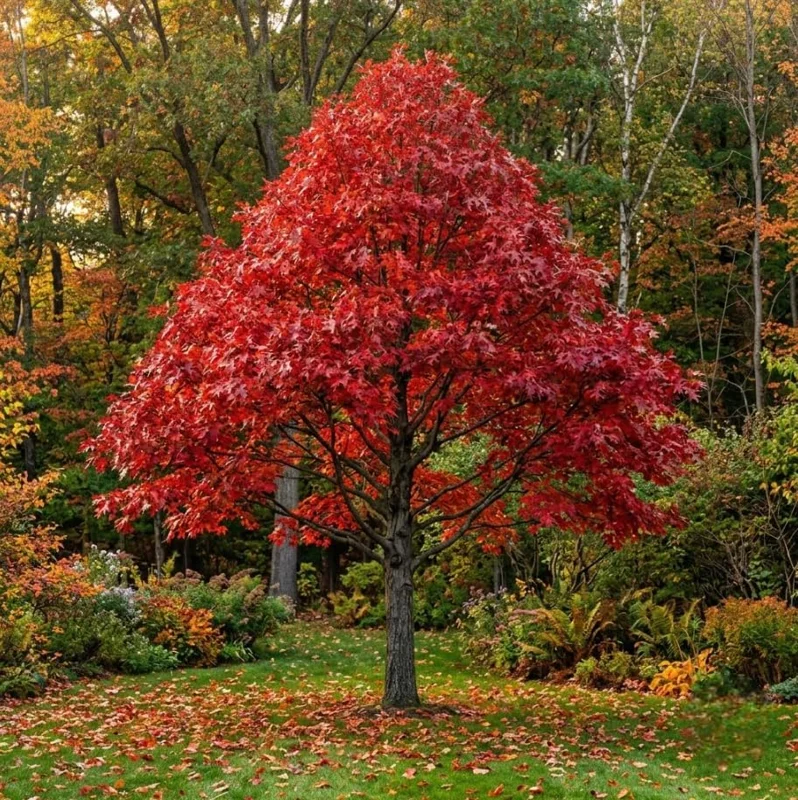
Red Oak Tree Live Plant in 4 Inch Pot, 6-12 Inch Tall, Outdoor Shade Tree
Original price was: $42.98.$21.49Current price is: $21.49.
Bring home a vibrant red oak live plant, arriving 6-12 inches tall in a 4-inch nursery pot. This fast growing oak tree is known for its stunning fall color and robust nature, making it ideal for creating a lasting landscape feature.
-
USDA Hardiness Zone
USDA zones 3-8 -
Soil Type
Well-draining, loamy soil -
Sunlight Exposure
Full sun -
Expected Planting Period
Spring or fall

You can track your order HERE
Oct 31
Nov 05 - Nov 07
Nov 10 - Nov 14
Shipping and return policies: Our Alive & Thrive Guarantee covers issues with your plants within the first 30 days. Reach out to us. Our team will answer your questions and help you find the plants that are truly suitable for your environment, climate, and personal preferences.

Overview
Transform your landscape with a thriving red oak live plant, a magnificent deciduous tree renowned for its rapid growth and brilliant fall foliage. This particular offering provides a healthy young specimen, typically 6–12 inches tall, nestled in a 4-inch nursery pot, ready to establish itself in your garden. The Red Oak, scientifically known as Quercus rubra, is a cornerstone of American forests and an increasingly popular choice for residential and commercial landscapes due to its impressive stature and aesthetic appeal. Often referred to as swamp oak tree due to its adaptability, it’s a versatile addition to various outdoor settings, from urban parks to sprawling estates. Its strong branching structure and broad canopy provide excellent shade, while its striking red leaves in autumn create an unforgettable visual display, enhancing curb appeal and offering a natural habitat for local wildlife.
Choosing a red oak live plant means investing in a tree that will grow with you, offering beauty and ecological benefits for decades. These trees are celebrated for their hardiness and ability to thrive in a wide range of conditions once established. The young plant you receive is carefully cultivated to ensure a strong root system, setting it up for successful transplantation and vigorous growth. Whether you’re starting a new garden, filling out an existing landscape, or undertaking a restoration project, this red oak live plant is an excellent choice for anyone seeking a resilient, beautiful, and impactful tree.
Key Benefits
The red oak live plant offers a multitude of benefits that make it an exceptional choice for any outdoor space. From its aesthetic appeal to its environmental contributions, this tree is a truly valuable asset:
- Vibrant Fall Foliage: Experience a breathtaking display of brilliant red leaves each autumn, making the red oak live plant a focal point in any landscape and adding significant seasonal interest.
- Fast Growth Rate: Known for being a fast growing oak tree, the Red Oak quickly establishes itself and develops into a substantial shade tree, providing shade and beauty sooner than many other tree varieties.
- Excellent Shade Tree: With its broad, dense canopy, the mature Red Oak provides ample shade, helping to cool your home and outdoor living areas during hot summer months, and offering a comfortable retreat for relaxation.
- Hardy & Adaptable: This resilient tree tolerates a wide range of well-drained soils, heat, cold, and varying moisture conditions once established, making it suitable for many climates and landscape designs. It’s a truly hardy swamp oak tree.
- Wildlife Habitat: Red Oaks provide acorns, a vital food source for numerous wildlife species, including squirrels, deer, and various birds, contributing to local biodiversity and ecological health.
- Low Maintenance: Once established, the Red Oak requires minimal care, making it an ideal choice for busy gardeners or those looking for a beautiful, long-lived tree without extensive upkeep.
- Strong & Durable Wood: The wood of the red oak live plant is prized for its strength and durability, making it a valuable timber tree and a long-term investment in your property.
Plant Care & Growing Tips
Caring for your red oak live plant is relatively straightforward, especially once it has established itself. These trees are known for their resilience, but providing the right conditions from the start will ensure robust growth. For sunlight, Red Oaks thrive in full sun, meaning they need at least 6-8 hours of direct sunlight per day. Choose a planting site that receives ample sunlight throughout the day. While they are adaptable, a location with good air circulation is beneficial to prevent fungal issues.
When it comes to watering, consistent moisture is crucial for young Red Oaks. Water regularly, especially during dry spells, to keep the soil consistently moist but not waterlogged. Once established, this fast growing oak tree becomes quite drought-tolerant, but supplemental watering during prolonged dry periods will promote healthier growth. The ideal soil type is well-draining, slightly acidic to neutral loam. While tolerant of various soils, avoid heavy clay or excessively sandy soils. Amend planting sites with organic matter to improve drainage and fertility. The Red Oak is a hardy tree, typically thriving in USDA Hardiness Zones 3-8, capable of withstanding significant temperature fluctuations. Fertilization can be beneficial for young trees; use a balanced, slow-release tree fertilizer in early spring, following product instructions carefully. Watch for common pests like oak wilt or gypsy moths, though a healthy red oak live plant is generally quite resistant.
Size & Details
This offering includes one healthy red oak live plant, carefully cultivated and shipped in a 4-inch nursery pot. The plant will arrive measuring approximately 6–12 inches tall from the top of the soil, a perfect size for successful transplanting and quick establishment. Red Oaks are known for their impressive growth rate, typically adding 1-2 feet in height per year under optimal conditions. When mature, a red oak tree care will help it reach a substantial height of 60-75 feet with a similar spread, forming a magnificent, broad canopy. The tree will be shipped with its root ball intact within the nursery pot, ensuring minimal stress during transit and a smooth transition to your garden. Expect to see significant growth within the first few years after planting, with the tree gradually developing its characteristic strong branches and vibrant fall color. This is an excellent opportunity to plant a long-lasting, beautiful tree that will enhance your property for generations.
Frequently Asked Questions
- Q: How big does this plant get? A: This red oak live plant is shipped 6-12 inches tall in a 4-inch pot. At maturity, a Red Oak tree typically reaches an impressive height of 60-75 feet with a spread of 45-60 feet, providing substantial shade and a grand presence in your landscape.
- Q: Is this an indoor or outdoor plant? A: The Red Oak is an outdoor tree, well-suited for landscaping in yards, parks, and large gardens. It requires full sun exposure and ample space to grow to its mature size. It is not suitable for indoor cultivation.
- Q: How much sunlight does it need? A: A red oak live plant thrives in full sun, meaning it needs at least 6-8 hours of direct sunlight per day. Choosing a sunny location will ensure the best growth and the most vibrant fall foliage.
- Q: Is this plant easy to care for? A: Yes, once established, the Red Oak is considered a relatively low-maintenance tree. It is hardy and adaptable, tolerating various soil types and conditions. Young trees require consistent watering, but mature trees are quite self-sufficient.
- Q: What condition will it arrive in? A: Your red oak live plant will arrive healthy and well-packaged, growing in a 4-inch nursery pot with its root system intact. We take great care to ensure the plant is protected during transit and ready for planting upon arrival.
- Q: When is the best time to plant a Red Oak? A: The best time to plant a red oak live plant is in the spring or fall. This allows the tree to establish its root system before the extreme heat of summer or the deep cold of winter, giving it the best chance for successful growth.
- Q: What’s the minimum temperature this tree can tolerate? A: The Red Oak (Quercus rubra) is very hardy and can tolerate cold temperatures down to USDA Hardiness Zone 3, which typically means it can withstand temperatures as low as -40°F (-40°C). This makes it suitable for many northern climates.
- Q: How long until it shows its red fall color? A: Young red oak live plant specimens may begin to show their characteristic red fall foliage within a few years of planting, especially as they mature and establish a strong root system. The intensity and timing can vary based on climate and growing conditions.
- Q: What type of soil does a Red Oak prefer? A: A red oak live plant prefers well-draining, slightly acidic to neutral loamy soil. While it can adapt to a range of soil types, ensuring good drainage is crucial for preventing root issues and promoting healthy growth.
- Q: Is this the same as a swamp oak tree? A: While the Northern Red Oak (Quercus rubra) is sometimes colloquially referred to as a “Swamp Oak” due to its adaptability to various moisture levels, the true Swamp White Oak is a different species (Quercus bicolor). Our offering is specifically a red oak live plant (Quercus rubra), known for its distinct red fall color.
Be the first to review “Red Oak Tree Live Plant in 4 Inch Pot, 6-12 Inch Tall, Outdoor Shade Tree”
People Also Viewed


Sold 95 products
Original price was: $300.00.$150.00Current price is: $150.00.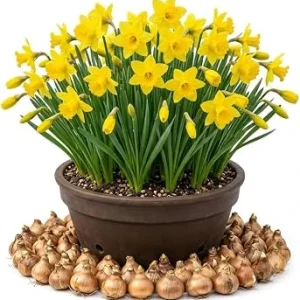
Flower Bulbs
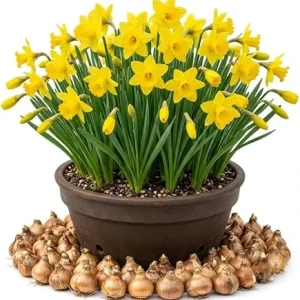
50 Yellow Daffodil Bulbs for Planting – Hardy Perennial Spring Flowers – Outdoor Landscape
Sold 90 products
Original price was: $85.98.$42.99Current price is: $42.99.

Vegetables
Super Hot Pepper Live Plant 4-Pack – Customizable – 75+ Day Old Vegetative Stage – Indoor/Outdoor
Sold 63 products
$48.00






Trees
Sold 62 products
Original price was: $17.98.$8.99Current price is: $8.99.




Reviews
There are no reviews yet.