
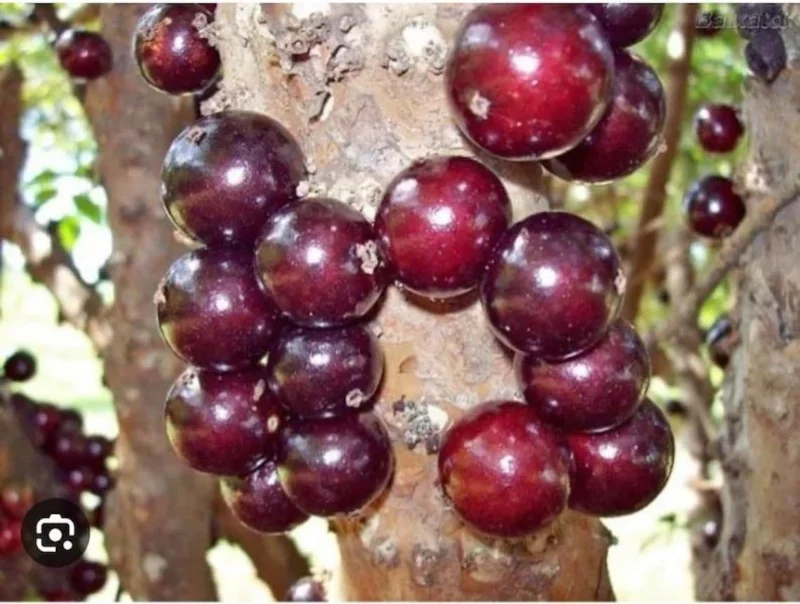
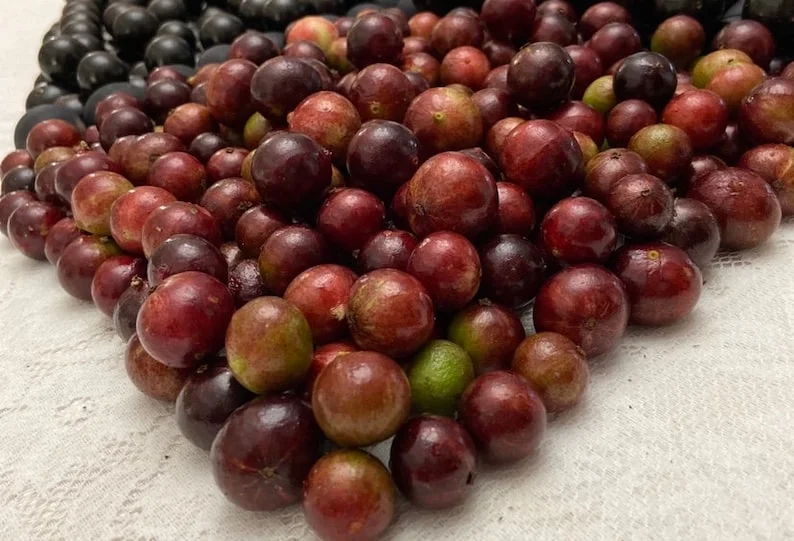
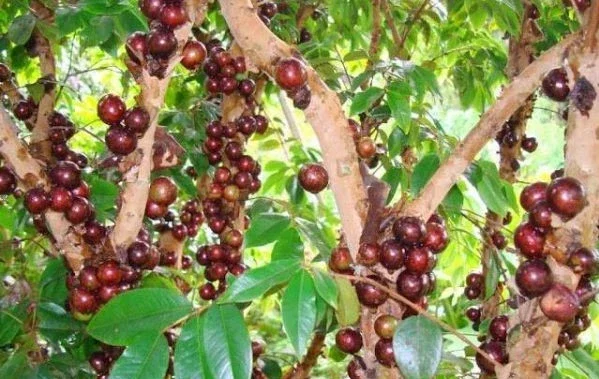
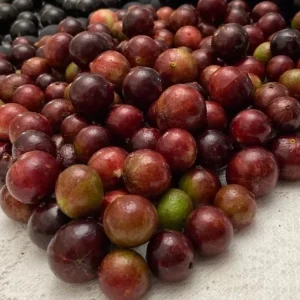
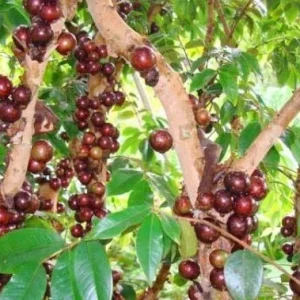
Red Hybrid Jaboticaba Live Plant – 1 Gallon Pot – 16-22 inches tall – Outdoor Fruit Tree
Original price was: $126.98.$109.98Current price is: $109.98.
Grow your own exotic fruit with the red hybrid jaboticaba live plant. This 16-22 inch tall plant in a 1 gallon pot is ready to thrive in your outdoor garden, offering delicious, sweet fruit directly on its trunk and branches. A unique addition for fruit enthusiasts.
-
USDA Hardiness Zone
USDA zones 9-11 (can be grown in containers in colder zones) -
Soil Type
Rich, well-draining, slightly acidic to neutral soil -
Sunlight Exposure
Full sun to partial shade -
Expected Planting Period
Year-round (indoors/container), Spring to Summer (outdoors)

You can track your order HERE
Sep 20
Sep 25 - Sep 27
Sep 30 - Oct 04
Shipping and return policies: Our Alive & Thrive Guarantee covers issues with your plants within the first 30 days. Reach out to us. Our team will answer your questions and help you find the plants that are truly suitable for your environment, climate, and personal preferences.

Overview
Introducing the remarkable red hybrid jaboticaba live plant, a truly unique and rewarding addition to any fruit enthusiast’s collection. Originating from Brazil, the jaboticaba (scientific name: Myrciaria jaboticaba) is famous for its cauliflorous habit, meaning its fruits grow directly on the trunk and branches, creating a stunning visual display. This particular jaboticaba fruit tree is a hybrid variety, known for its vigorous growth and potentially earlier fruiting compared to traditional types. Our 16-22 inch tall plant comes in a 1 gallon nursery pot, making it a well-established specimen ready to be transplanted into your garden or a larger container. Imagine plucking sweet, grape-like berries right off the bark of your own tree!
The red hybrid jaboticaba live plant is highly prized for its sweet, juicy, and slightly acidic fruits, which can be eaten fresh, made into jellies, jams, wines, or liqueurs. Beyond its delicious produce, the jaboticaba also serves as an attractive ornamental tree with its smooth, mottled bark and dense, evergreen foliage. It adapts well to various growing conditions, making it a versatile choice for many climates. Whether you’re an experienced gardener looking for an exotic challenge or a beginner eager to explore unique edible landscaping, this jaboticaba offers a fascinating and fruitful journey.
Key Benefits
Cultivating a red hybrid jaboticaba live plant offers a multitude of advantages, from its unique aesthetic appeal to its delectable fruit production. This extraordinary tree provides a sustainable source of fresh, healthy fruit right in your own backyard, enriching your culinary experiences and garden landscape.
- Exotic Fruit Production: Enjoy the unique experience of harvesting sweet, grape-like fruit directly from the trunk and branches. The berries are perfect for fresh eating, juices, jams, and jellies, providing a distinctive flavor profile.
- Ornamental Appeal: With its striking cauliflorous fruiting habit and attractive, peeling bark, the jaboticaba fruit tree is a beautiful specimen plant that adds architectural interest and a tropical flair to any garden or patio.
- Vigorous Growth: As a hybrid variety, this jaboticaba often exhibits faster growth and earlier fruit production compared to standard jaboticaba types, offering quicker gratification for growers.
- Evergreen Foliage: Maintain a lush, green presence in your garden year-round thanks to its dense, evergreen leaves, providing consistent beauty and shade.
- Versatile Use: Suitable for growing in the ground in warmer climates or in large containers in cooler regions, allowing you to move it indoors during frost. This makes it an adaptable choice for various gardening setups.
- Nutrient-Rich Fruit: Jaboticaba fruits are packed with antioxidants, vitamins, and minerals, making them a healthy and delicious addition to your diet.
- Long-Lived Plant: Given proper care, a red hybrid jaboticaba live plant can be a long-term producer and a cherished part of your landscape for many years.
Plant Care & Growing Tips
Caring for your red hybrid jaboticaba live plant is relatively straightforward, especially once it’s established, though consistent attention to its specific needs will ensure optimal growth and fruit production. This subtropical fruit tree thrives in warm climates and appreciates conditions that mimic its native habitat. When considering jaboticaba care, remember that patience is key, as these trees can take several years to mature and bear fruit, though hybrids often accelerate this process.
For sunlight, the red hybrid jaboticaba live plant prefers full sun to partial shade. In very hot climates, some afternoon shade can protect it from scorching. Aim for at least 6 hours of direct sunlight daily for best fruiting. Watering is crucial, especially for young plants. Keep the soil consistently moist but not waterlogged. Allow the top inch or two of soil to dry slightly before watering again. Good drainage is essential to prevent root rot. For soil, a slightly acidic to neutral pH (5.5-6.5) is ideal. A rich, well-draining soil mix amended with organic matter will provide the best environment for your myrciaria jaboticaba. Protect young trees from frost; mature trees can tolerate brief dips in temperature but prefer warmth. The USDA hardiness zones for jaboticaba generally range from 9-11, with some varieties tolerating zone 8b with protection.
Fertilize your jaboticaba regularly during the growing season (spring and summer) with a balanced, slow-release fertilizer formulated for fruit trees. Follow the product instructions for application rates. Pruning is generally minimal, focusing on shaping the tree and removing any dead or diseased branches. Common problems can include nutrient deficiencies if the soil pH is off, or occasional pests like aphids or scale, which can typically be managed with organic pest control methods. Providing consistent moisture and nutrients will help your jaboticaba fruit tree resist many common issues and flourish.
Size & Details
This offering is for one red hybrid jaboticaba live plant, standing approximately 16-22 inches tall from the base of the pot. It is shipped in a 1 gallon nursery pot, ensuring the root system is well-developed and ready for transplanting. While young, these plants have a moderate growth rate and, with proper care, will gradually develop into a medium-sized tree, typically reaching 10-15 feet in height in the ground, though they can be kept smaller with pruning in containers. The plant will arrive with established foliage, ready to adapt to its new environment. Expect the tree to begin fruiting within 3-5 years, with hybrid varieties potentially fruiting sooner under ideal conditions. The red hybrid jaboticaba live plant will arrive with its root ball intact and protected, ensuring a smooth transition to your garden or larger container.
Frequently Asked Questions
- Q: How big does this plant get? A: The red hybrid jaboticaba live plant can reach 10-15 feet tall in the ground, but it can be maintained at a smaller size with pruning if grown in a large container. Its spread will be similar to its height, forming a dense, rounded canopy.
- Q: What size pot does it come in? A: This red hybrid jaboticaba live plant is shipped in a 1 gallon nursery pot, with the plant itself measuring approximately 16-22 inches in height. This size is ideal for transplanting into a larger pot or directly into your garden.
- Q: Is this an indoor or outdoor plant? A: While it can be grown outdoors in USDA zones 9-11, jaboticaba can also thrive as a container plant. In colder climates, it is best grown in a pot and brought indoors during winter, making it a versatile addition for those interested in subtropical fruit plants.
- Q: How much sunlight does it need? A: The red hybrid jaboticaba prefers full sun to partial shade, ideally receiving at least 6 hours of direct sunlight per day. In very hot regions, providing some afternoon shade can prevent leaf scorch.
- Q: Is this plant easy to care for? A: Once established, the jaboticaba fruit tree is relatively low maintenance. The main requirements are consistent watering, good drainage, and protection from frost. It is a rewarding plant for both experienced and novice gardeners.
- Q: What condition will it arrive in? A: Your red hybrid jaboticaba live plant will arrive carefully packaged, with its root ball protected, ensuring it is healthy and ready for planting. We take great care to minimize stress during transit.
- Q: Can I use jaboticaba fruit in cooking? A: Absolutely! The fruit of the myrciaria jaboticaba is delicious fresh and can be used to make a variety of culinary delights, including jams, jellies, wines, and juices. Its unique flavor profile is highly sought after.
- Q: How long until it fruits? A: Hybrid jaboticaba varieties typically begin fruiting within 3-5 years from planting, though environmental conditions and care can influence this timeline. With good jaboticaba care, you’ll be enjoying fruit sooner.
- Q: What’s the minimum temperature it can tolerate? A: Mature jaboticaba trees can withstand brief drops to around 20-25°F (-6 to -3°C), but they prefer warmer temperatures. Young plants are more sensitive and should be protected from any frost.
- Q: What kind of soil does it need? A: This plant thrives in rich, well-draining soil with a slightly acidic to neutral pH (5.5-6.5). Amending the soil with organic matter will greatly benefit its growth and health.
Be the first to review “Red Hybrid Jaboticaba Live Plant – 1 Gallon Pot – 16-22 inches tall – Outdoor Fruit Tree”
People Also Viewed
Sold 63 products
Original price was: $39.98.$19.99Current price is: $19.99.
Sold 87 products
Original price was: $39.98.$19.99Current price is: $19.99.
Flower Bulbs
Black Parrot Tulip Bulbs – Tulipa ‘Black Parrot’ – Dark Purple Blooms – 18-20 Inches Tall – Outdoor
Sold 75 products
From $67.80
Sold 94 products
From $17.16
Sold 63 products
Original price was: $111.96.$55.98Current price is: $55.98.
Sold 54 products
From $19.99
Sold 56 products
Original price was: $59.98.$47.98Current price is: $47.98.
Sold 97 products
Original price was: $25.92.$12.96Current price is: $12.96.
Sold 93 products
From $27.29
Sold 61 products
Original price was: $37.98.$18.99Current price is: $18.99.
Sold 87 products
From $79.80
Sold 63 products
Original price was: $391.96.$195.98Current price is: $195.98.
Sold 96 products
Original price was: $47.96.$23.98Current price is: $23.98.
Sold 89 products
Original price was: $43.98.$35.18Current price is: $35.18.
Sold 82 products
Original price was: $51.60.$25.80Current price is: $25.80.
Sold 53 products
Original price was: $71.98.$35.99Current price is: $35.99.
Sold 93 products
Original price was: $144.00.$72.00Current price is: $72.00.





Reviews
There are no reviews yet.