
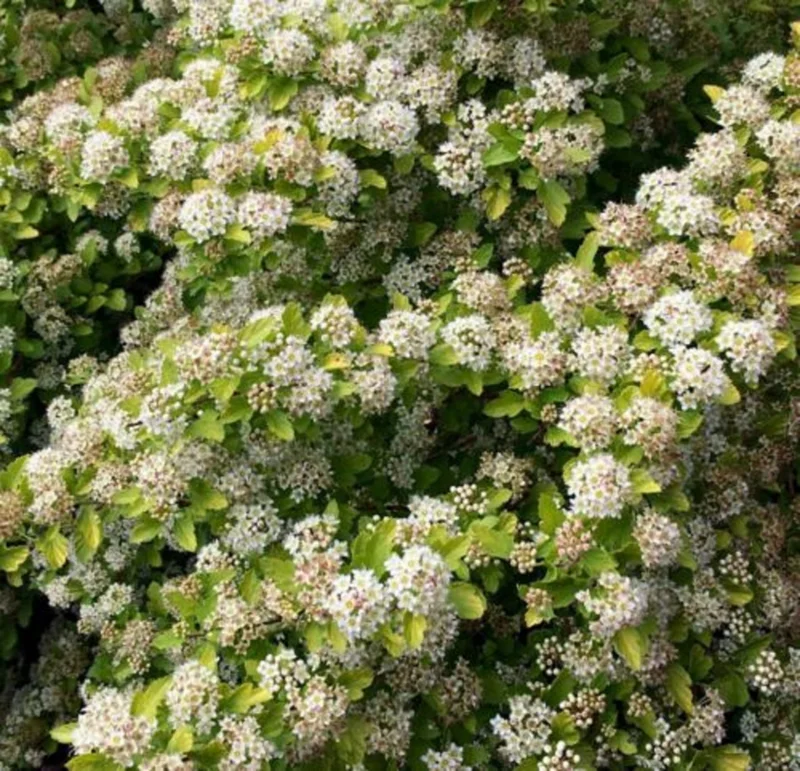
Raspberry Lemonade Ninebark Live Plant – Dwarf Shrub 5-6 Inch – Outdoor, Full Sun
Original price was: $35.90.$20.90Current price is: $20.90.
Introduce a burst of color with the Raspberry Lemonade Ninebark live plant. This vibrant dwarf Ninebark shrub features brilliant chartreuse foliage, white summer flowers, and coral-red fruits. A winter hardy Ninebark, it’s perfect for outdoor landscapes in USDA Zones 3-7, offering year-round interest and low maintenance.
-
USDA Hardiness Zone
USDA Zones 3-7 -
Soil Type
Well-draining soil (adaptable to clay, loam, sand) -
Sunlight Exposure
Full sun (at least 6 hours direct sunlight) -
Expected Planting Period
Spring or early fall

You can track your order HERE
Oct 09
Oct 14 - Oct 16
Oct 19 - Oct 23
Shipping and return policies: Our Alive & Thrive Guarantee covers issues with your plants within the first 30 days. Reach out to us. Our team will answer your questions and help you find the plants that are truly suitable for your environment, climate, and personal preferences.

Overview
Introduce a burst of color and seasonal interest to your landscape with the stunning Raspberry Lemonade Ninebark live plant. This exceptional dwarf shrub, botanically known as Physocarpus opulifolius ‘Raspberry Lemonade’, is a true garden gem, offering a dynamic display throughout the growing season. As a dwarf Ninebark shrub, it provides significant visual impact without demanding excessive space, making it perfect for smaller gardens, borders, or even container planting. Originating from the Physocarpus family, this variety is celebrated for its unique foliage and multi-season appeal. It is a live plant, shipped well-rooted and ready to thrive in its new home, providing an instant upgrade to your outdoor space.
The ‘Raspberry Lemonade’ cultivar is particularly prized for its brilliant chartreuse foliage that maintains its vibrant hue from spring through fall. This striking leaf color creates a fantastic contrast against other garden plants. In summer, the shrub is adorned with clusters of delicate white flowers, which are soon followed by decorative coral-red fruits. These fruits not only add another layer of visual interest but also provide a food source for local wildlife. This plant is a fantastic choice for gardeners seeking a low-maintenance yet high-impact shrub, making it an ideal colorful foliage shrub.
Key Benefits
The Raspberry Lemonade Ninebark live plant offers numerous advantages for any gardener, making it a highly desirable addition to diverse landscape designs. Its robust nature and captivating aesthetics ensure a rewarding gardening experience and make it a standout colorful foliage shrub.
- Vibrant Foliage & Seasonal Interest: Enjoy brilliant chartreuse leaves that provide continuous color from spring to fall. This colorful foliage shrub creates a lively backdrop and striking contrast in garden beds, ensuring visual appeal throughout multiple seasons.
- Attractive Flowers & Fruits: Abundant white flowers bloom in summer, attracting pollinators. These are followed by ornamental coral-red fruits that add an extra layer of beauty and interest, persisting into the cooler months.
- Compact Dwarf Growth Habit: As a dwarf Ninebark shrub, it grows to a manageable height of approximately 4 feet, making it suitable for smaller gardens, foundation plantings, or mass plantings where space is a consideration.
- Exceptional Winter Hardiness: Rated for USDA Zones 3-7, this plant is incredibly resilient and a winter hardy Ninebark, capable of withstanding cold temperatures and harsh conditions, ensuring reliable performance year after year.
- Low Maintenance & Drought Tolerant: Once established, the Physocarpus Raspberry Lemonade requires minimal care. It is relatively drought-tolerant and disease-resistant, making it an excellent choice for busy gardeners.
- Versatile Landscape Use: Its striking appearance and compact size allow it to be used in various settings, including mixed borders, hedges, specimen plantings, or as an accent plant to draw the eye.
- Pollinator & Wildlife Friendly: The summer flowers attract bees and other beneficial pollinators, while the coral-red fruits offer a food source for birds, contributing to local biodiversity.
Plant Care & Growing Tips
Caring for your Raspberry Lemonade Ninebark live plant is straightforward, ensuring a healthy and vigorous plant that provides years of beauty. This resilient shrub thrives with consistent care tailored to its specific needs. To ensure your Physocarpus Raspberry Lemonade reaches its full potential, pay attention to its light, water, and soil requirements.
For optimal growth and the most vibrant foliage color, plant your Ninebark in a location that receives full sun, meaning at least 6 hours of direct sunlight per day. While it can tolerate partial shade, too little sun may result in less intense foliage color and fewer flowers. The ideal soil for this dwarf Ninebark shrub is well-drained, as it does not like to sit in soggy conditions. It is adaptable to various soil types, including clay, loam, and sand, as long as drainage is good. Incorporating organic matter into the planting hole can improve soil structure and fertility. Watering should be consistent during the first growing season to help establish a strong root system. Once established, the Ninebark is relatively drought-tolerant, but regular watering during prolonged dry spells will promote better health and appearance. Avoid overwatering, which can lead to root rot.
This winter hardy Ninebark is robust and generally pest and disease-free. Pruning is best done in late winter or early spring to shape the plant and remove any dead or damaged branches. You can also prune after flowering to encourage a bushier growth habit. Fertilization is generally not heavily required; a balanced, slow-release fertilizer applied in early spring can be beneficial, especially in poorer soils. Ensure the plant has good air circulation to prevent fungal issues. With its hardiness and adaptability, the Raspberry Lemonade Ninebark live plant is a reliable choice for gardeners in USDA Zones 3-7, offering a beautiful display with minimal fuss.
Size & Details
This offering is for a live Raspberry Lemonade Ninebark live plant starter plant, approximately 5-6 inches tall. It is a well-rooted specimen, typically shipped in a 2 1/2 x 3 1/2 inch pot, ensuring it arrives healthy and ready for planting. As a dwarf Ninebark shrub, it will mature to a height of about 4 feet tall with a similar spread, creating a rounded, dense form. The growth rate is moderate, allowing it to establish quickly and begin contributing to your garden’s aesthetic. This shrub is suitable for ground planting or can be grown in larger containers on patios or decks, provided adequate drainage and space for its root system.
The plant features chartreuse foliage, which is its most prominent characteristic, and will develop abundant white flowers in summer, followed by attractive coral-red fruits in the fall. It is a deciduous plant, meaning it will lose its leaves in winter, but its sturdy structure and winter hardiness ensure it will return with vibrant growth in the spring. This plant is a long-lived perennial shrub, offering many years of enjoyment in your garden. Its compact size makes it an excellent choice for gardeners looking for a manageable yet impactful plant. When you receive your Physocarpus Raspberry Lemonade, it will be a healthy young plant, ready to grow into a spectacular specimen.
Frequently Asked Questions
- Q: How big does this plant get? A: The Raspberry Lemonade Ninebark live plant is a dwarf shrub, typically reaching a mature height of about 4 feet tall with a similar spread, making it a compact and manageable addition to your garden.
- Q: What size pot does it come in? A: This starter plant is well-rooted and usually shipped in a 2 1/2 x 3 1/2 inch pot, providing a good foundation for transplanting.
- Q: Is this an indoor or outdoor plant? A: The Physocarpus Raspberry Lemonade is an outdoor shrub, specifically bred for garden landscapes. It is a winter hardy Ninebark suitable for USDA Zones 3-7.
- Q: How much sunlight does it need? A: For the best growth and most vibrant foliage color, this colorful foliage shrub requires full sun, meaning at least 6 hours of direct sunlight per day.
- Q: Is this plant easy to care for? A: Yes, this dwarf Ninebark shrub is known for being low-maintenance and relatively easy to care for, making it suitable for gardeners of all experience levels.
- Q: What condition will it arrive in? A: Your plant will arrive as a well-rooted, healthy starter plant, approximately 5-6 inches tall, ready for immediate planting.
- Q: When is the best time to plant this shrub? A: The best time to plant the Physocarpus Raspberry Lemonade is in spring or early fall, allowing it to establish its root system before extreme weather.
- Q: Will it survive winter in my zone? A: Yes, this shrub is highly winter hardy and thrives in USDA Zones 3-7, tolerating cold temperatures well.
- Q: What kind of soil does it prefer? A: It prefers well-draining soil but is adaptable to various soil types, including loam, clay, and sand, as long as drainage is adequate.
- Q: Does this shrub attract wildlife? A: Yes, the white flowers attract pollinators, and the coral-red fruits provide a food source for birds, adding ecological value to your garden.
Be the first to review “Raspberry Lemonade Ninebark Live Plant – Dwarf Shrub 5-6 Inch – Outdoor, Full Sun”
People Also Viewed
Sold 98 products
Original price was: $39.98.$19.99Current price is: $19.99.


HousePlants
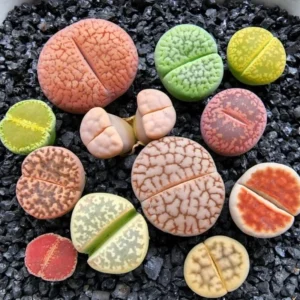
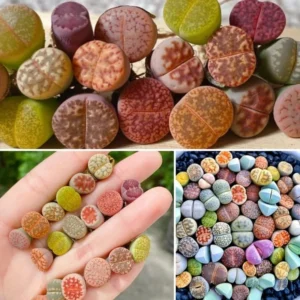
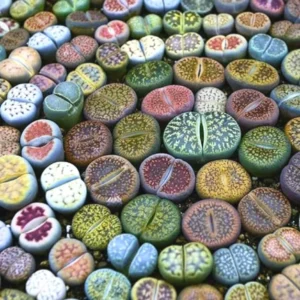
Lithops Live Plants Mix – 10 Large Colorful Living Stones Succulents for Indoor/Outdoor Growing
Sold 97 products
Original price was: $27.98.$13.99Current price is: $13.99.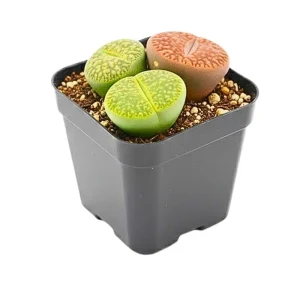
Sold 60 products
Original price was: $52.09.$26.04Current price is: $26.04.
Sold 68 products
Original price was: $91.98.$45.99Current price is: $45.99.

Vegetable Seeds
Sold 81 products
Original price was: $14.76.$7.38Current price is: $7.38.




Reviews
There are no reviews yet.