
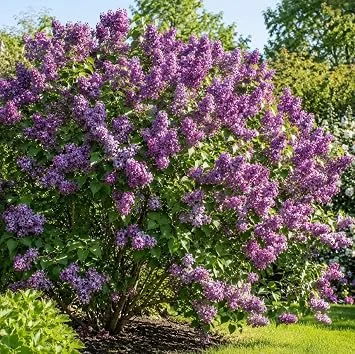
Purple Lilac Tree Live Plant – Cold Hardy Bush – Fragrant Flowers – 14-18 inches Tall – Outdoor
Original price was: $59.98.$29.99Current price is: $29.99.
Bring timeless elegance to your garden with this beautiful purple lilac tree. An established, cold-hardy live plant arriving 14-18 inches tall, ready to produce fragrant flowers year after year. Ideal for hedges, borders, or as a stunning focal point in any outdoor space.
-
USDA Hardiness Zone
USDA Zones 3-7 -
Soil Type
Well-draining, neutral to slightly alkaline soil -
Sunlight Exposure
Full sun (at least 6 hours direct sunlight) -
Expected Planting Period
Early spring or fall

You can track your order HERE
Oct 30
Nov 04 - Nov 06
Nov 09 - Nov 13
Shipping and return policies: Our Alive & Thrive Guarantee covers issues with your plants within the first 30 days. Reach out to us. Our team will answer your questions and help you find the plants that are truly suitable for your environment, climate, and personal preferences.

Overview
Introduce a touch of classic beauty and enchanting fragrance to your landscape with our exquisite purple lilac tree. This live ornamental bush is known for its stunning clusters of purple flowers and intoxicating sweet scent, making it a beloved choice for gardeners across the United States. Arriving as an established young plant, approximately 14-18 inches tall, it is perfectly sized for immediate planting in your garden or a larger container. The purple lilac tree is celebrated for its robust, cold-hardy nature, ensuring reliable growth and abundant blooms even in colder climates. Whether you envision it as a majestic focal point, a charming natural privacy hedge, or a decorative border plant, this lilac bush promises to add timeless elegance and sensory delight to any outdoor setting.
Our purple lilac tree offers a harmonious blend of visual appeal and aromatic charm. It’s an easy-to-grow specimen, suitable for both novice and experienced gardeners. The distinctive heart-shaped leaves provide lush green foliage throughout the growing season, complementing the vibrant purple blooms. This particular variety of purple lilac tree is chosen for its vigorous growth and ability to thrive with minimal upkeep once established, making it a rewarding addition to any home garden.
Key Benefits
The purple lilac tree is more than just a pretty plant; it offers a multitude of benefits that enhance any outdoor environment. Its captivating presence and low-maintenance nature make it a top choice for gardeners seeking both beauty and ease.
- Stunning Fragrance: Fill your garden with the classic, sweet scent of lilac flowers. This powerful aroma is a hallmark of the purple lilac tree, creating a truly immersive and delightful outdoor experience, especially during its blooming season in spring.
- Cold Hardiness: This variety is specifically selected for its resilience, making it a truly cold hardy lilac bush. It can withstand a wide range of climates and temperatures, ensuring reliable growth and blooming year after year, even in regions with harsh winters.
- Versatile Landscaping: Whether you’re looking for a striking individual specimen, a dense privacy screen, or a beautiful border plant, this ornamental bush fits perfectly. Its adaptable growth habit allows it to be shaped and utilized in various garden designs.
- Attracts Pollinators: The vibrant flowers of the purple lilac tree are a magnet for beneficial pollinators like bees and butterflies, contributing to the biodiversity and health of your garden ecosystem. Enjoy watching these busy visitors dance among the blooms.
- Low Maintenance: Once established, this ornamental lilac plant requires minimal care. It’s a robust grower that tolerates various conditions, making it an excellent choice for gardeners who desire beauty without extensive upkeep.
- Established Growth: Arriving as an approximately 14-18 inch tall, established plant, it offers a head start compared to smaller seedlings. This means quicker establishment and a faster journey to enjoying its beautiful blooms.
- Timeless Elegance: Lilacs have been cherished for centuries for their classic beauty and romantic appeal. Adding a purple lilac tree to your garden infuses it with a sense of enduring charm and sophistication that never goes out of style.
Plant Care & Growing Tips
Caring for your purple lilac tree is straightforward, ensuring years of beautiful blooms and delightful fragrance. These resilient shrubs are known for their ability to thrive with proper initial care and ongoing maintenance. To ensure your cold hardy lilac bush flourishes, consider the following guidelines.
Sunlight Requirements: Lilacs are sun-lovers. For the best blooming performance, your purple lilac tree needs at least 6 hours of direct sunlight per day. Plant it in a location where it will receive full sun exposure. While it can tolerate partial shade, too little sun will result in fewer flowers and a leggy growth habit. Ensure it’s not overshadowed by larger trees or structures that might block its light.
Watering Schedule and Soil Moisture: During its first year, water your newly planted lilac regularly to help it establish a strong root system. Aim for consistently moist, but not waterlogged, soil. Once established, lilacs are quite drought-tolerant and generally only need watering during extended dry spells. Overwatering can lead to root rot, so always check the soil moisture before watering. The soil should feel dry to the touch a few inches down before rewatering.
Soil Type and Drainage: The purple lilac tree prefers well-drained soil with a neutral to slightly alkaline pH (6.5 to 7.0). Heavy clay soils that retain too much moisture can be problematic. If your soil is heavy, amend it with organic matter like compost or sand to improve drainage. Good drainage is crucial to prevent root issues. Ensure the planting site allows water to drain away freely.
Temperature Range and USDA Hardiness Zone: This fragrant lilac flowers bush is incredibly cold hardy, typically thriving in USDA Zones 3-7. It requires a period of winter chill to properly set its flower buds for the following spring. It can tolerate a wide range of temperatures, but protection from extreme heat or sudden severe freezes during early spring can be beneficial for young plants. Understanding your local USDA zone is key to success.
Fertilization Schedule and Type: Lilacs generally do not require heavy fertilization. An annual application of a balanced, all-purpose fertilizer in early spring, before new growth begins, is usually sufficient. Avoid high-nitrogen fertilizers, as these can promote leafy growth at the expense of flowers. A layer of compost around the base of the plant in spring can also provide slow-release nutrients and improve soil structure.
Common Problems and Solutions: Lilacs are generally robust, but can occasionally face issues like powdery mildew, especially in humid conditions with poor air circulation. Ensure adequate spacing between plants and prune to open up the canopy. Pests like borers or scale are less common but can be managed with appropriate horticultural oils or insecticidal soaps if detected early. Regular inspection of your grow lilac tree will help catch any problems quickly.
Size & Details
This purple lilac tree arrives as a vibrant, established young plant, typically measuring between 14-18 inches tall from the base of the plant to the tip of its highest growth. This size provides a significant head start, allowing for quicker establishment and earlier blooms compared to smaller specimens. While the initial width will be compact, this ornamental bush is known for its moderate to fast growth rate, eventually forming a substantial shrub or small tree, often reaching heights of 8-12 feet and a similar spread at maturity, depending on growing conditions and pruning.
The plant is shipped as a bare-root or minimal-soil start, carefully packaged to ensure its health during transit. It is ready for immediate planting in your garden or a larger container upon arrival. Lilacs typically begin to produce their iconic fragrant flowers within 2-3 years of planting, with more abundant blooms as the plant matures. Expect the vibrant purple blooms to grace your garden in mid to late spring, offering a spectacular display of color and scent. This size is ideal for those looking for an established start to their cold hardy lilac bush project.
Frequently Asked Questions
- Q: How big does this plant get? A: This purple lilac tree arrives 14-18 inches tall. At maturity, it can grow into a substantial bush or small tree, typically reaching 8-12 feet in height and spread, depending on growing conditions and pruning.
- Q: Is this an indoor or outdoor plant? A: This is an outdoor plant. The purple lilac tree is a cold-hardy ornamental bush that requires a period of winter dormancy to produce its beautiful, fragrant flowers.
- Q: How much sunlight does it need? A: For optimal blooming, your fragrant lilac flowers bush needs at least 6 hours of direct sunlight per day. Full sun exposure is highly recommended for the best results.
- Q: Is this plant easy to care for? A: Yes, once established, the ornamental lilac plant is considered low-maintenance. It’s a robust plant that tolerates a range of conditions, making it suitable for gardeners of all experience levels.
- Q: What condition will it arrive in? A: Your purple lilac tree will arrive as an established plant, approximately 14-18 inches tall. It is shipped as a bare-root or with minimal soil, ready for planting. During fall and winter, it may arrive dormant and without leaves, which is normal.
- Q: How long until it blooms? A: Lilacs typically begin to bloom within 2-3 years of planting, with more abundant flowering as the plant matures. You can expect the first fragrant blooms in mid to late spring.
- Q: Will it survive winter in my zone? A: Yes, this cold hardy lilac bush is well-suited for USDA Zones 3-7 and requires a period of winter chill. It is designed to withstand cold temperatures and reliably return year after year.
- Q: What’s the best time to plant this lilac tree? A: The best time to plant your grow lilac tree is in early spring or fall when temperatures are moderate. This allows the plant to establish its root system before extreme heat or cold.
- Q: Does this lilac attract butterflies? A: Absolutely! The vibrant and fragrant flowers of the purple lilac tree are a favorite nectar source for butterflies and other beneficial pollinators, adding life and movement to your garden.
- Q: What kind of soil does it prefer? A: This lilac prefers well-drained soil with a neutral to slightly alkaline pH. Amending heavy clay soils with organic matter can improve drainage and overall plant health.
Be the first to review “Purple Lilac Tree Live Plant – Cold Hardy Bush – Fragrant Flowers – 14-18 inches Tall – Outdoor”
People Also Viewed




HousePlants
ZZ Plant Black Raven Live Plant – Zamioculcas Zamiifolia – 4 inch & 6 inch Pot – Indoor Houseplant
Sold 88 products
From $28.98











Reviews
There are no reviews yet.