
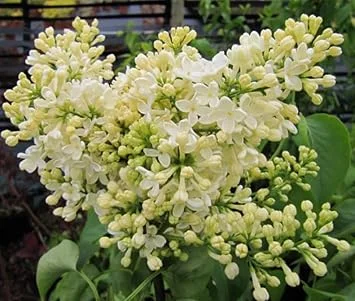
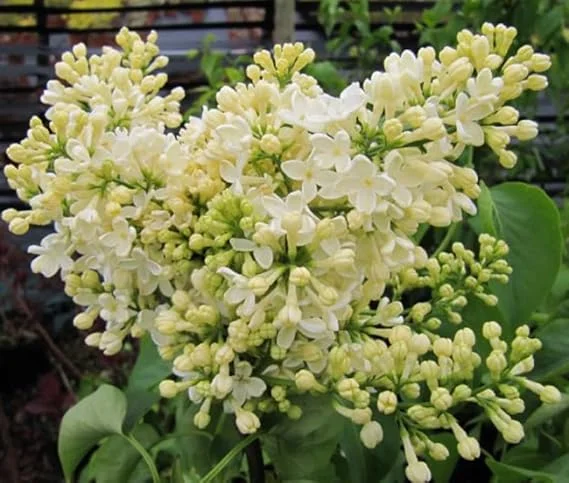
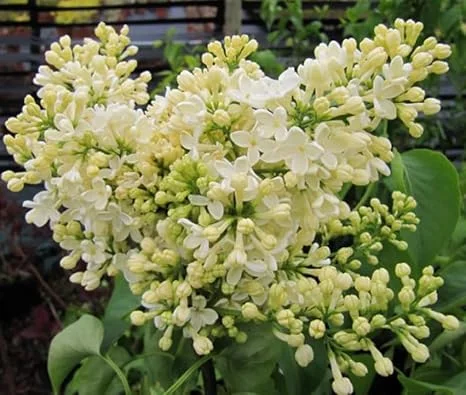
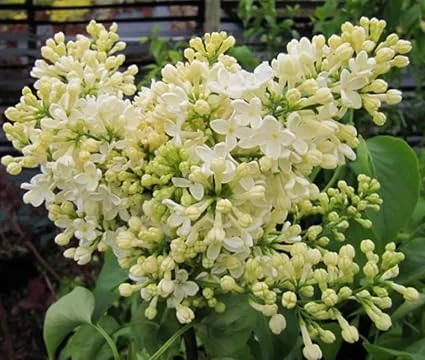
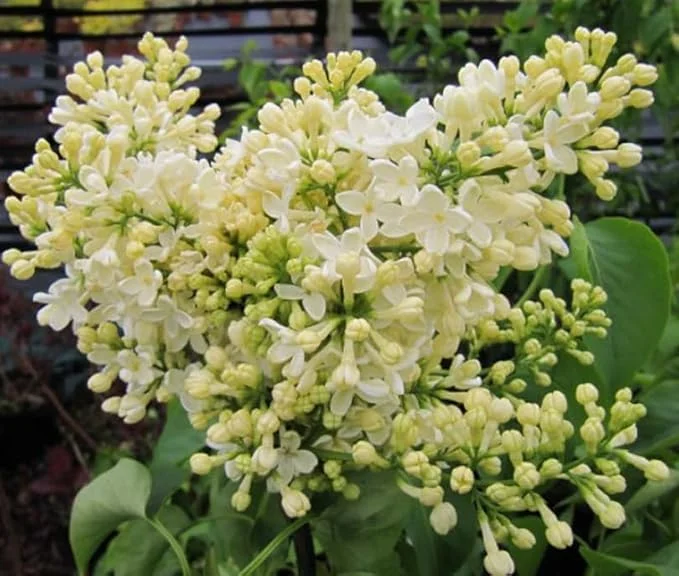
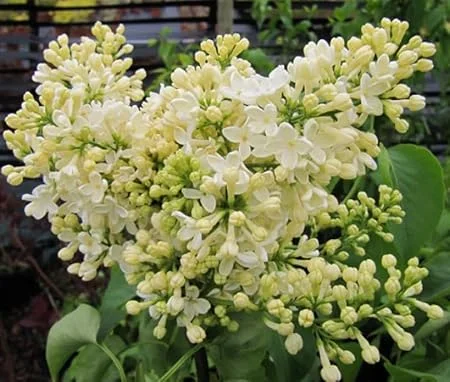
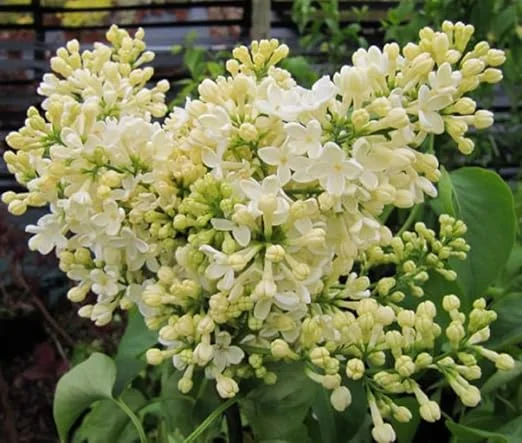
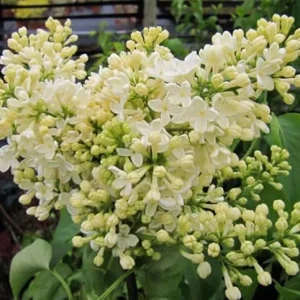
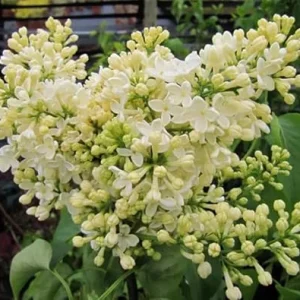
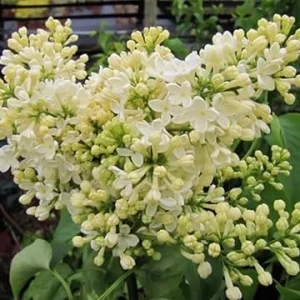
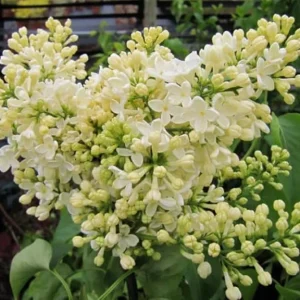
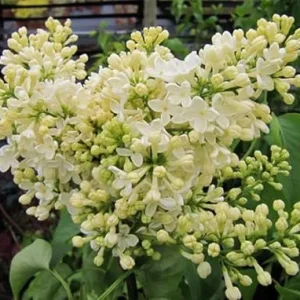
Primrose Yellow Lilac Tree – Rare Fragrant Syringa Live Plant 1-2 Ft Tall Outdoor
Original price was: $89.60.$44.80Current price is: $44.80.
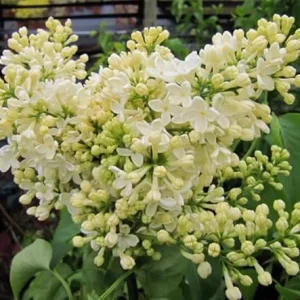
Add a touch of rare beauty to your landscape with the primrose yellow lilac tree. This unique Syringa variety produces stunning, fragrant yellow blooms, making it a standout addition to any garden. Grows 1-2 ft tall, ideal for outdoor planting in USDA Zones 4-8.
-
USDA Hardiness Zone
4-8 -
Soil Type
Loam Soil -
Sunlight Exposure
Full Sun -
Expected Planting Period
Spring to Fall

You can track your order HERE
Mar 24
Mar 29 - Mar 31
Apr 03 - Apr 07
Shipping and return policies: Our Alive & Thrive Guarantee covers issues with your plants within the first 30 days. Reach out to us. Our team will answer your questions and help you find the plants that are truly suitable for your environment, climate, and personal preferences.

Overview
Introduce a truly distinctive specimen to your garden with the primrose yellow lilac tree. This remarkable live plant, often referred to as Syringa vulgaris ‘Primrose’, stands out from traditional lilacs with its captivating yellow blossoms. Unlike the more common purple or white varieties, the Primrose Yellow Lilac offers a refreshing and rare color palette, making it a highly sought-after plant for collectors and garden enthusiasts alike. This deciduous shrub or small tree is celebrated not only for its unique color but also for its delightful, classic lilac fragrance that perfumes the spring air. Our yellow lilac plant arrives 1-2 feet tall, ready to establish itself and bring its unparalleled beauty to your outdoor space. It is a robust and hardy plant, perfectly suited for a wide range of climates and designed to thrive with proper care.
The Primrose Yellow Lilac is a conversation starter, offering a vibrant focal point in borders, as a specimen plant, or even as an informal hedge. Its vibrant blooms create a cheerful display, attracting pollinators like butterflies and hummingbirds. Whether you’re looking to enhance your existing garden or start a new landscape project, this fragrant lilac shrub provides an exceptional opportunity to cultivate something truly special and rare.
Key Benefits
The primrose yellow lilac tree offers a multitude of benefits that elevate any garden landscape, combining rare beauty with easy care and ecological advantages. Cultivating this unique plant provides both aesthetic pleasure and environmental contributions.
- Rare and Unique Blooms: Stand out with the world’s only true yellow-blooming lilac. This makes the yellow lilac plant a rare and highly prized addition, offering a distinct color that is sure to turn heads and differentiate your garden from others. Its soft, buttery yellow flowers are a delightful surprise.
- Delightful Fragrance: Enjoy the classic, sweet, and intoxicating scent that lilacs are famous for. The fragrant flowers of the fragrant lilac shrub will waft through your garden, creating a sensory experience that is both relaxing and invigorating, especially during its peak blooming period.
- Attracts Pollinators: The abundant and nectar-rich flowers are a magnet for beneficial insects such as butterflies and bees, contributing to the biodiversity and health of your garden ecosystem. This makes the primrose yellow lilac tree an excellent choice for supporting local wildlife.
- Hardy and Resilient: This variety is known for its robust nature, thriving in USDA Hardiness Zones 4-8. It can withstand various weather conditions, making it a reliable and long-lasting addition to your landscape. Its resilience ensures years of enjoyment.
- Versatile Landscape Use: Perfect as a specimen plant, in mixed borders, or even as an informal hedge. Its upright growth habit and moderate size make it adaptable to different garden designs and spaces.
- Low Maintenance: Once established, the Primrose Yellow Lilac requires minimal care, making it an ideal choice for both experienced gardeners and those new to horticulture. It’s a rewarding plant that doesn’t demand constant attention.
- Early Summer Interest: Provides a burst of color and fragrance in late spring to early summer, bridging the gap between spring-flowering bulbs and summer perennials. This extends the visual interest and aromatic appeal of your garden.
Plant Care & Growing Tips
Ensuring the success of your primrose yellow lilac tree begins with understanding its basic needs for sunlight, soil, and watering. This hardy plant, like most lilacs, thrives when given the right conditions, leading to abundant fragrant blooms. For optimal growth, plant your yellow lilac plant in a location that receives full sun, meaning at least 6 hours of direct sunlight per day. Adequate sunlight is crucial for prolific flowering and strong, healthy growth. While it can tolerate partial shade, flowering may be reduced in less sunny spots.
When it comes to soil, the Primrose Lilac prefers rich, fertile, and well-draining soil. Loam soil is ideal, but it can adapt to various soil types as long as drainage is excellent. Avoid heavy clay soils that retain too much moisture, as this can lead to root rot. If your soil is poor, amend it with compost or other organic matter to improve fertility and drainage. The optimal pH range for lilacs is slightly acidic to neutral (6.5-7.0). For watering, established plants have moderate moisture needs. Water deeply and regularly during dry spells, especially during the first year after planting to help establish a strong root system. Once mature, lilacs are relatively drought-tolerant but will benefit from occasional watering during prolonged dry periods.
The fragrant lilac shrub is cold-hardy, thriving in USDA Hardiness Zones 4-8. It requires a period of winter chill to properly set its flower buds. Fertilize in early spring with a balanced, slow-release fertilizer or one formulated for flowering shrubs. Avoid over-fertilizing with high nitrogen, which can lead to excessive foliage growth at the expense of flowers. Pruning is best done immediately after flowering to remove spent blooms and shape the plant. This encourages new growth and more flowers for the following season. Remove any dead, damaged, or crossing branches to maintain good air circulation. Watch out for common pests like lilac borers or powdery mildew; good air circulation and proper watering practices can help prevent most issues. The syringa vulgaris primrose is generally a robust plant, but proactive care ensures its continued health and vibrant display.
Size & Details
The primrose yellow lilac tree you will receive is a healthy, live plant, typically measuring 1-2 feet tall from the base of the root ball to the top of the plant. This size is ideal for planting, allowing it to establish itself quickly and begin its journey towards maturity. While specific dimensions can vary slightly due to natural growth patterns, you can expect a robust young plant ready for its new home. The mature height of a yellow lilac plant can reach up to 20 feet, with a spread of 10-15 feet, forming a beautiful, upright shrub or small tree over time. Its growth rate is moderate, meaning it will gradually achieve its full stature, providing years of changing beauty in your garden.
This fragrant lilac shrub is shipped as a single unit, carefully packaged to ensure its safe arrival. It is typically sent as a potted plant, ensuring the root system is protected and ready for transplanting. While the expected blooming period is generally spring to fall, the most prolific and fragrant display usually occurs in late spring to early summer, depending on your specific climate and growing conditions. This particular rare lilac variety is known for its heirloom quality, promising a true-to-type yellow bloom.
Frequently Asked Questions
- Q: How big does this plant get? A: The primrose yellow lilac tree you receive will be 1-2 feet tall. At maturity, it can reach an impressive height of up to 20 feet with a spread of 10-15 feet, forming a substantial and beautiful focal point in your landscape.
- Q: Is this an indoor or outdoor plant? A: This is primarily an outdoor plant. The yellow lilac plant thrives in full sun and requires a period of winter chill to bloom properly, making it unsuitable for long-term indoor cultivation. It’s designed for garden settings.
- Q: How much sunlight does it need? A: The fragrant lilac shrub requires at least 6 hours of direct sunlight per day to produce the most abundant and vibrant blooms. Full sun exposure is key to its health and flowering success.
- Q: Is this plant easy to care for? A: Yes, once established, the syringa vulgaris primrose is relatively low-maintenance. It needs well-draining soil, full sun, and moderate watering. Pruning after flowering helps maintain its shape and encourages future blooms.
- Q: What condition will it arrive in? A: Your rare lilac variety will arrive as a healthy, live plant, carefully packaged to protect its roots and foliage during transit. It will be ready for immediate planting upon arrival.
- Q: How long until it blooms? A: Depending on its age and establishment, your primrose yellow lilac tree may bloom in its first year or within a couple of years after planting. It typically blooms in late spring to early summer once mature.
- Q: Will it survive winter in my zone? A: Yes, this lilac is very hardy and is suited for USDA Hardiness Zones 4-8. It is well-adapted to surviving cold winters and actually requires the chill for proper bud development.
- Q: What type of soil is best for this lilac? A: The yellow lilac plant prefers rich, fertile, well-draining soil, ideally loam. Good drainage is crucial, so amending heavy soils with organic matter is recommended.
- Q: Is this lilac truly yellow? A: Yes, the ‘Primrose’ variety is renowned for being the world’s only true yellow-blooming lilac, offering soft, buttery yellow flowers that stand out from traditional lilac colors.
- Q: When is the best time to plant this lilac? A: The best time to plant your fragrant lilac shrub is in spring or fall when temperatures are moderate. This allows the plant to establish its root system before extreme heat or cold.
Be the first to review “Primrose Yellow Lilac Tree – Rare Fragrant Syringa Live Plant 1-2 Ft Tall Outdoor”
People Also Viewed
HousePlants
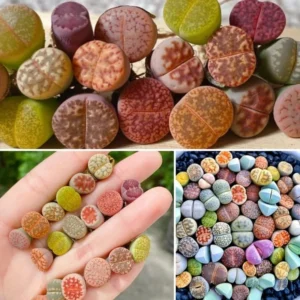
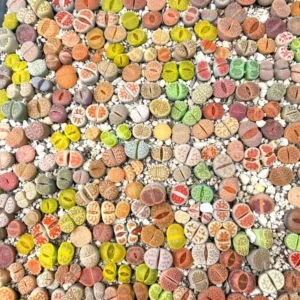
Lithops Live Plants Mix – 10 Large Colorful Living Stones Succulents for Indoor/Outdoor Growing
Sold 80 products
Original price was: $27.98.$13.99Current price is: $13.99.
Sold 83 products
Original price was: $95.80.$47.90Current price is: $47.90.
Flower Plants
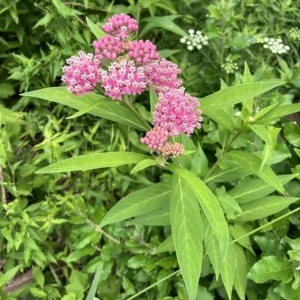
Pink Milkweed Live Plant – Set of 2, 4-6″ Tall – Asclepias spp. for Monarch Butterflies
Sold 57 products
Original price was: $47.58.$23.79Current price is: $23.79.
Sold 72 products
Original price was: $67.16.$33.58Current price is: $33.58.
Sold 98 products
Original price was: $39.98.$19.99Current price is: $19.99.
Sold 72 products
Original price was: $51.96.$25.98Current price is: $25.98.

Sold 83 products
Original price was: $75.00.$37.50Current price is: $37.50.
Sold 70 products
Original price was: $51.96.$25.98Current price is: $25.98.
Sold 54 products
$43.98
Sold 89 products
From $50.00
Sold 69 products
Original price was: $340.00.$170.00Current price is: $170.00.
Sold 80 products
From $19.98
Sold 56 products
Original price was: $41.58.$20.79Current price is: $20.79.
Sold 59 products
Original price was: $79.98.$39.99Current price is: $39.99.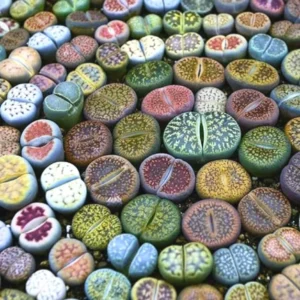
Sold 76 products
Original price was: $39.98.$19.99Current price is: $19.99.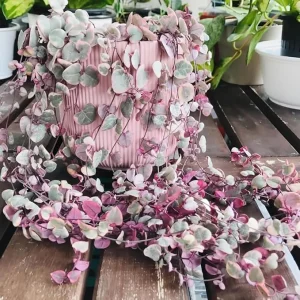
Succulents
Variegated String of Hearts Live Plant, Ceropegia Woodii Vine, 2.5 Inch Pot, Indoor Succulent
Sold 79 products
Original price was: $37.18.$18.59Current price is: $18.59.
Flower Plants
Sold 67 products
Original price was: $27.98.$13.99Current price is: $13.99.
Sold 62 products
Original price was: $29.99.$19.99Current price is: $19.99.



Reviews
There are no reviews yet.