
Pineapple Guava Live Plant – 18-22in Tall – 1 Gallon Pot – Outdoor Shrub
Original price was: $63.20.$54.96Current price is: $54.96.
Enhance your garden with a beautiful pineapple guava live plant. Standing 18-22 inches tall in a 1 gallon pot, this versatile evergreen shrub produces delicious, fragrant fruit and vibrant, edible flowers. It’s an excellent choice for hedges, borders, or as a specimen plant, thriving outdoors in various climates.
-
USDA Hardiness Zone
USDA zones 8-10 -
Soil Type
Well-draining soil -
Sunlight Exposure
Full sun to partial shade -
Expected Planting Period
Spring to early fall

You can track your order HERE
Sep 19
Sep 24 - Sep 26
Sep 29 - Oct 03
Shipping and return policies: Our Alive & Thrive Guarantee covers issues with your plants within the first 30 days. Reach out to us. Our team will answer your questions and help you find the plants that are truly suitable for your environment, climate, and personal preferences.

Overview
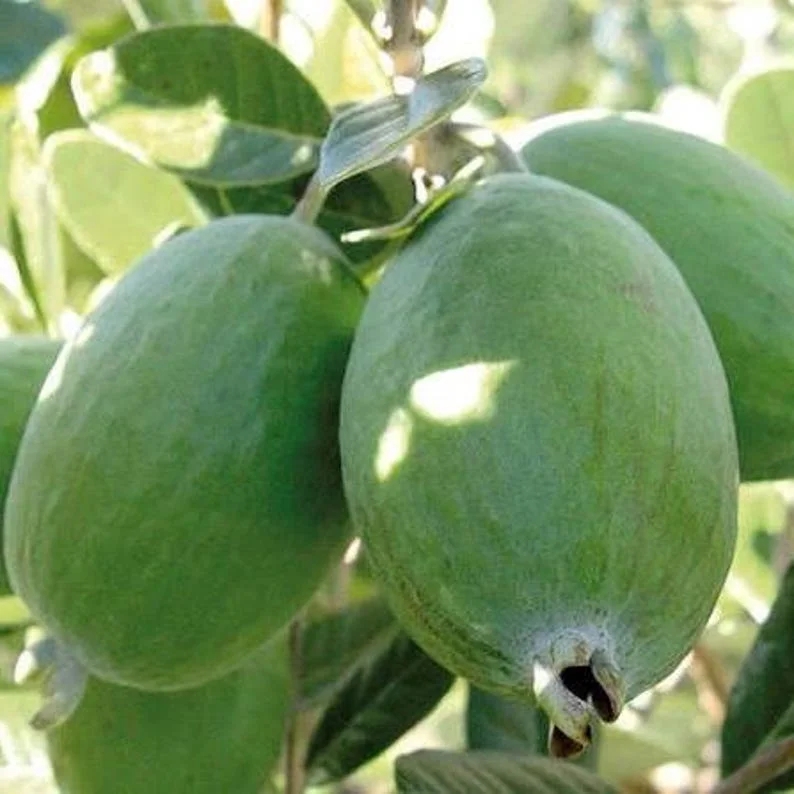
Introduce a touch of exotic beauty and delicious fruit to your landscape with the pineapple guava live plant. Also known by its botanical name, Feijoa sellowiana, or commonly as Feijoa or Acca sellowiana, this remarkable evergreen shrub is celebrated for its dual appeal: stunning ornamental value and delectable, aromatic fruit. Originating from South America, the pineapple guava live plant is a resilient and adaptable addition to many gardens across the United States. Its lush, silvery-green foliage provides year-round interest, while its unique, pink and white flowers with prominent red stamens add a tropical flair in spring. These blossoms are not only beautiful but are also edible, offering a sweet, slightly spicy flavor perfect for salads or garnishes. Following the flowers, the plant yields oblong, green fruits with a creamy, juicy pulp that tastes like a blend of pineapple, guava, and mint – a true garden delight.
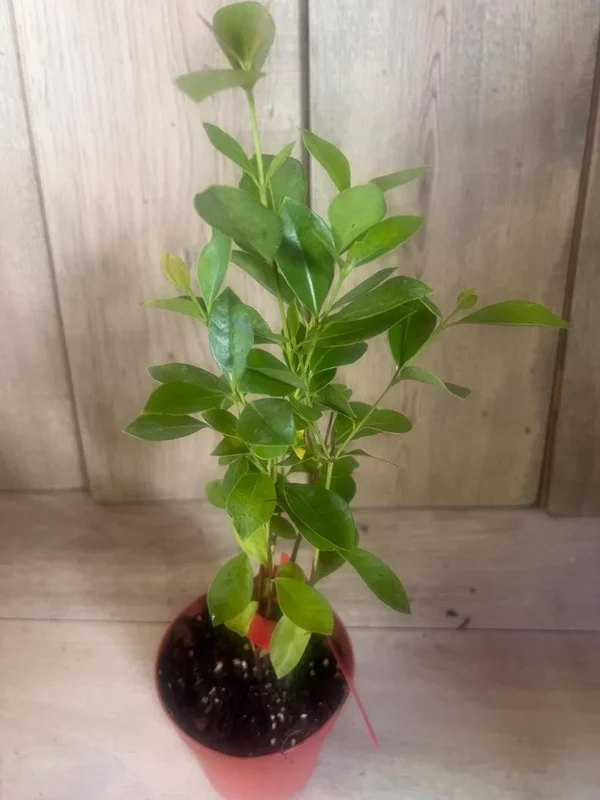
This particular pineapple guava live plant arrives ready to thrive, measuring 18-22 inches tall and rooted in a convenient 1 gallon pot. It’s an ideal size for immediate planting and establishing quickly in your garden. Whether you’re looking to create an edible landscape, a privacy hedge, or simply add a unique specimen plant, the pineapple guava offers a rewarding experience for gardeners of all levels. Its robust nature and minimal care requirements make it a fantastic choice for both novice and experienced plant enthusiasts. Enjoy the beauty and bounty this extraordinary shrub brings to your outdoor space.
Key Benefits
The pineapple guava live plant offers a multitude of advantages, making it a highly desirable addition to any garden. Its unique characteristics contribute to both aesthetic appeal and practical benefits, enhancing your outdoor environment significantly.
- Delicious Edible Fruit: Enjoy the sweet, tangy, and aromatic fruit that ripens in fall. The flavor profile is a delightful mix of pineapple, guava, and mint, perfect for fresh eating, jams, jellies, or desserts. Growing your own edible fruit ensures freshness and a unique taste.
- Attractive Evergreen Foliage: The plant maintains its beautiful silvery-green leaves throughout the year, providing continuous visual interest and structure to your garden even in winter. This evergreen nature makes it an excellent choice for year-round landscaping.
- Beautiful Edible Flowers: In spring, the feijoa sellowiana shrub produces striking pink and white flowers with vibrant red stamens. These delicate blossoms are not only ornamental but also edible, offering a sweet, slightly spicy flavor that can be used in salads or as a garnish.
- Low Maintenance and Drought Tolerant: Once established, the pineapple guava is remarkably hardy and requires minimal care. It is quite drought-tolerant, making it a water-wise choice for sustainable gardening practices, especially in regions with dry summers.
- Versatile Landscape Use: This adaptable shrub can be used in various ways, including as a standalone specimen plant, an informal hedge, a screen for privacy, or even espaliered against a wall. Its moderate size and attractive form fit well into diverse garden designs.
- Attracts Pollinators: The vibrant flowers of the pineapple guava live plant are highly attractive to birds and bees, encouraging beneficial pollinators to your garden and contributing to local biodiversity.
- Disease and Pest Resistant: Generally, the pineapple guava is quite resistant to most common plant diseases and pests, reducing the need for chemical treatments and making it an easier plant to maintain organically.
Plant Care & Growing Tips
Caring for your pineapple guava live plant is relatively straightforward, ensuring it thrives and produces abundant fruit and flowers. Understanding its specific needs for sunlight, water, and soil will set you up for success. This plant prefers a location with full sun to partial shade. For optimal fruit production, aim for at least 6-8 hours of direct sunlight per day. While it can tolerate some shade, too little sun may result in fewer flowers and smaller fruit. When planting, choose a site with well-draining soil. Pineapple guava is adaptable to various soil types, including sandy, loamy, and clay, as long as drainage is adequate. Amend heavy clay soils with organic matter to improve aeration and drainage. The ideal pH range is slightly acidic to neutral (6.0-7.0).
Watering is crucial, especially during the first year after planting to help establish a strong root system. Water deeply and regularly, allowing the top few inches of soil to dry out between waterings. Once established, the feijoa sellowiana shrub becomes quite drought-tolerant, but consistent moisture during flowering and fruiting periods will enhance yield. Fertilize in early spring with a balanced, slow-release granular fertilizer formulated for fruiting shrubs. Avoid over-fertilizing, which can promote excessive foliage growth at the expense of fruit production. Pruning is best done in late winter or early spring to shape the plant, remove dead or crossing branches, and encourage air circulation. You can also prune to maintain a desired size or to encourage a more tree-like form. The pineapple guava care regimen is generally low-effort, making it a rewarding choice for gardeners.
The pineapple guava is hardy in USDA Zones 8-10, tolerating temperatures down to about 10-15°F (-12 to -9°C). In colder climates, it can be grown in containers and moved indoors during winter, or treated as an annual. It generally does not suffer from significant pest or disease problems, but occasionally, scale insects or fruit flies can be an issue. Regular inspection and appropriate organic controls can manage these. With proper care, your fuchsia guava relative will become a cherished part of your garden, offering beauty and delicious harvests for years to come.
Size & Details
This offering is for one pineapple guava live plant, carefully grown to a healthy size and ready for transplanting into your garden or a larger container. The plant measures approximately 18-22 inches tall from the base of the soil to the tip of the highest branch, providing a substantial specimen for immediate impact. It is cultivated and shipped in a sturdy 1 gallon nursery pot, ensuring the root system is well-established and protected during transit. This pot size is ideal for plants ready to be moved to their permanent home, whether it’s the ground or a decorative planter.
The edible guava plant typically exhibits a moderate growth rate, reaching a mature height of 10-15 feet and a similar spread if left unpruned. With regular pruning, it can be maintained at a smaller size, making it versatile for various garden spaces. Expect the first flowers to appear in spring, followed by fruit ripening in the fall, usually from October to November depending on your specific climate. This plant is shipped as a rooted, actively growing specimen, ensuring a strong start in your landscape. Its robust nature makes it an excellent candidate for quickly establishing a beautiful and productive feature in your outdoor living space.
Frequently Asked Questions
- Q: How big does this plant get? A: This pineapple guava live plant arrives at 18-22 inches tall in a 1 gallon pot. Mature plants can reach 10-15 feet tall and wide if unpruned, but can be maintained smaller with regular trimming.
- Q: Is this an indoor or outdoor plant? A: The pineapple guava live plant is primarily an outdoor shrub. It thrives in USDA Zones 8-10. In colder climates, it can be grown in a container and brought indoors during winter.
- Q: How much sunlight does it need? A: For best fruit production and overall health, your feijoa sellowiana shrub requires full sun, meaning at least 6-8 hours of direct sunlight daily. It can tolerate partial shade, but fruit yield may be reduced.
- Q: Is this plant easy to care for? A: Yes, the pineapple guava is relatively easy to care for once established. It is drought-tolerant and generally resistant to pests and diseases, making pineapple guava care quite manageable for most gardeners.
- Q: What condition will it arrive in? A: Your edible guava plant will arrive as a healthy, actively growing plant in a 1 gallon nursery pot, with its root system intact and ready for planting.
- Q: When is the best time to plant? A: The best time to plant your pineapple guava is in spring or early fall, allowing the plant sufficient time to establish its root system before extreme summer heat or winter cold.
- Q: Will it survive winter in my zone? A: If you are in USDA Zones 8-10, your fuchsia guava relative should survive winter outdoors. In colder zones, it will need winter protection or to be grown in a container and moved indoors.
- Q: Can the fruit be eaten fresh? A: Yes, the fruit of the pineapple guava is delicious eaten fresh, directly from the plant. It has a unique, tropical flavor profile that is highly prized.
- Q: Does it need another plant for pollination? A: While some varieties are self-fertile, planting two or more pineapple guava plants often results in better fruit set and larger yields due to cross-pollination.
- Q: What kind of soil does it prefer? A: Pineapple guava prefers well-draining soil. It is adaptable to various soil types, but good drainage is key to preventing root rot.
Be the first to review “Pineapple Guava Live Plant – 18-22in Tall – 1 Gallon Pot – Outdoor Shrub”
People Also Viewed
Sold 85 products
Original price was: $339.80.$169.90Current price is: $169.90.
Sold 92 products
Original price was: $26.39.$18.47Current price is: $18.47.
Sold 62 products
Original price was: $24.50.$15.40Current price is: $15.40.
Sold 56 products
Original price was: $120.00.$96.00Current price is: $96.00.
Sold 79 products
Original price was: $82.40.$41.20Current price is: $41.20.
Sold 70 products
Original price was: $47.96.$25.98Current price is: $25.98.
Sold 88 products
Original price was: $283.96.$141.98Current price is: $141.98.
Sold 93 products
Original price was: $64.80.$32.40Current price is: $32.40.
Sold 94 products
Original price was: $54.36.$27.18Current price is: $27.18.
Sold 84 products
Original price was: $64.58.$32.29Current price is: $32.29.
Sold 58 products
Original price was: $38.98.$22.98Current price is: $22.98.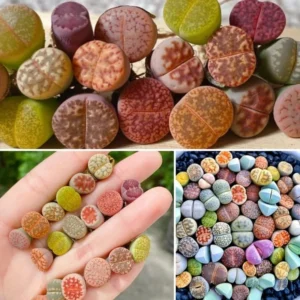
HousePlants
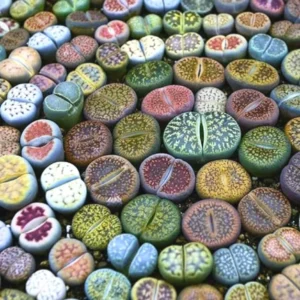
Lithops Live Plants Mix – 10 Large Colorful Living Stones Succulents for Indoor/Outdoor Growing
Sold 74 products
Original price was: $27.98.$13.99Current price is: $13.99.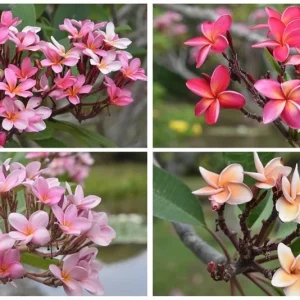
Flower Plants
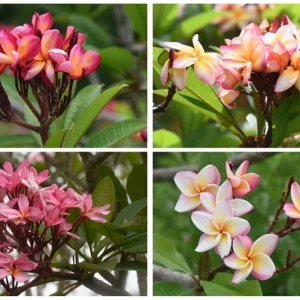
Plumeria Cuttings Variety Pack – 2 Unrooted Cuttings 12-16″ – Fragrant Tropical Flowers
Sold 100 products
Original price was: $49.97.$25.98Current price is: $25.98.

Sold 70 products
Original price was: $36.00.$28.80Current price is: $28.80.
Sold 92 products
Original price was: $41.58.$20.79Current price is: $20.79.
Sold 97 products
Original price was: $53.76.$26.99Current price is: $26.99.
Sold 59 products
Original price was: $60.00.$48.00Current price is: $48.00.
Sold 64 products
Original price was: $147.16.$73.58Current price is: $73.58.




%20–%201%20ft%20Tall%20in%201%20Gallon%20Pot&url=https://gardennursery.net/product/foxtail-fern-live-plant-asparagus-densiflorus-myers-1-ft-tall-in-1-gallon-pot/&media=https://img.gardennursery.net/2026/01/foxtail-fern-live-plant-asparagus-densiflorus-myer-944f71b8.webp)
Reviews
There are no reviews yet.