
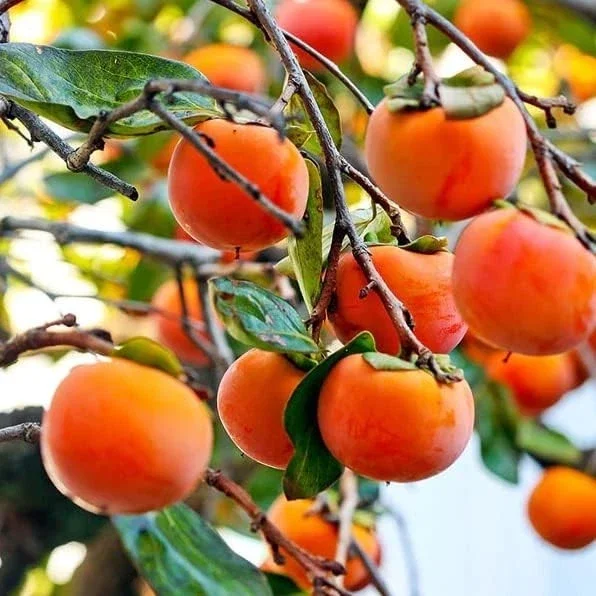
Persimmon Tree Live Plant 6-14 Inches Tall – Well-Rooted Fruit Starter Outdoor
$39.59
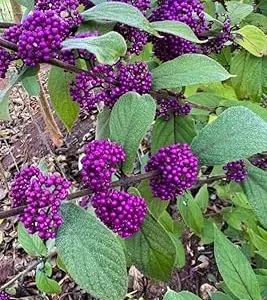
Cultivate your own harvest with this vibrant persimmon tree live plant. A well-rooted starter, it measures 6 to 14 inches tall, ready to thrive outdoors. Enjoy its attractive foliage and anticipate bountiful orange fruit. Ideal for home orchards and garden enthusiasts looking to grow persimmon tree.
-
USDA Hardiness Zone
3-9 -
Soil Type
Loam, Peat, well-draining -
Sunlight Exposure
Partial Shade, Full Sun -
Expected Planting Period
Spring and Autumn

You can track your order HERE
Nov 14
Nov 19 - Nov 21
Nov 24 - Nov 28
Shipping and return policies: Our Alive & Thrive Guarantee covers issues with your plants within the first 30 days. Reach out to us. Our team will answer your questions and help you find the plants that are truly suitable for your environment, climate, and personal preferences.

Overview
Bring the joy of home-grown fruit to your garden with this robust persimmon tree live plant. This offering is a healthy, well-rooted starter plant, typically measuring between 6 to 14 inches in height, providing a strong foundation for future growth. Persimmon trees, known scientifically as Diospyros virginiana, are celebrated for their delicious, sweet orange fruits, which ripen in the fall, and their attractive deciduous foliage that often turns vibrant colors before leaf drop. This particular variety is perfect for establishing in your outdoor landscape, promising a rewarding experience for gardeners eager to cultivate their own fruit-bearing trees. Whether you’re an experienced horticulturist or a budding enthusiast, learning to grow persimmon tree can be a delightful and fruitful endeavor.
The persimmon tree live plant is a wonderful addition to any edible landscape or ornamental garden. Its moderate growth rate and adaptability make it a popular choice for many regions. With proper care, this young plant will mature into a beautiful tree that provides both visual interest and a delectable harvest. The charm of an american persimmon tree lies not only in its fruit but also in its resilience and natural beauty throughout the seasons.
Key Benefits
Investing in a persimmon tree live plant offers a multitude of benefits, enhancing your garden and providing a sustainable source of fresh fruit. From its aesthetic appeal to its practical yield, this tree is a true garden asset.
- Delicious Homegrown Fruit: Enjoy fresh, sweet, and nutritious persimmon fruit directly from your own garden, free from pesticides and chemicals. The unique flavor of an american persimmon is a culinary delight.
- Attractive Ornamental Value: Beyond its fruit, the persimmon tree boasts lovely green foliage in spring and summer, often transforming into brilliant shades of orange, red, and yellow in the fall, adding significant seasonal interest to your landscape.
- Wildlife Attraction: The ripening fruit can attract beneficial wildlife, such as birds and other small animals, contributing to the biodiversity of your garden ecosystem.
- Long-Term Investment: A well-established persimmon tree can provide fruit for many years, offering a sustainable and rewarding long-term investment for your home and garden.
- Relatively Low Maintenance: Once established, persimmon fruit tree are generally hardy and require moderate care, making them suitable for gardeners of various skill levels. They are known for their resilience.
- Shade and Structure: As it matures, the tree will provide welcome shade and add a beautiful structural element to your garden design.
- Educational Opportunity: Growing your own fruit tree offers a fantastic opportunity to learn about plant life cycles, fruit production, and sustainable gardening practices.
Plant Care & Growing Tips
Caring for your persimmon tree live plant is straightforward, especially when you understand its basic needs. These trees are quite hardy and can thrive with the right conditions, ensuring a successful harvest in the coming years. Starting with a healthy, well-rooted starter plant like this one gives you a great advantage.
Sunlight Requirements: Persimmon trees, including the diospyros virginiana variety, flourish in full sun, meaning they need at least 6-8 hours of direct sunlight per day. Choose a planting location in your outdoor garden that receives ample sun exposure throughout the day. While they can tolerate partial shade, fruit production will be significantly reduced. Ensure good air circulation around the plant to prevent fungal issues.
Watering Schedule and Soil Moisture: During its establishment phase, especially in the first year, consistent watering is crucial for your persimmon tree live plant. Water deeply 2-3 times per week, ensuring the soil remains consistently moist but not waterlogged. Once established, persimmon trees are relatively drought-tolerant but will benefit from deep watering during dry spells, particularly when fruits are developing. Good drainage is key to preventing root rot.
Soil Type and Drainage: Persimmons prefer well-draining soil with a neutral to slightly acidic pH (6.0-7.0). Loamy or sandy loam soils enriched with organic matter are ideal. If you have heavy clay soil, amend it with compost or peat to improve drainage and aeration. Proper soil preparation before planting will significantly impact the tree’s health and vigor. A healthy soil environment is vital to help you grow persimmon tree successfully.
Temperature Range and USDA Hardiness Zone: The American persimmon (diospyros virginiana) is quite cold-hardy, thriving in USDA Hardiness Zones 3 to 9. This means it can withstand winter temperatures as low as -40°F. Protect young trees from extreme cold snaps in their first year. They prefer a climate with distinct seasons, including a cold dormancy period.
Fertilization Schedule and Type: Fertilize your young persimmon tree live plant sparingly in its first year. After that, apply a balanced, slow-release granular fertilizer formulated for fruit trees in early spring before new growth appears. Follow the manufacturer’s instructions for application rates. Avoid over-fertilizing, which can lead to excessive foliage growth at the expense of fruit production.
Common Problems and Solutions: Persimmon trees are generally resistant to most pests and diseases. Watch out for common issues like leaf spot, which can be managed with good air circulation and appropriate fungicides if severe. Pests like scale insects can be controlled with horticultural oil. Ensure your tree receives adequate water and nutrients to maintain its natural defenses. Regularly inspect your persimmon fruit tree for any signs of distress to address issues promptly.
Size & Details
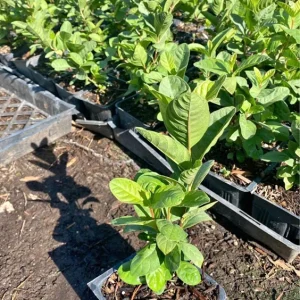
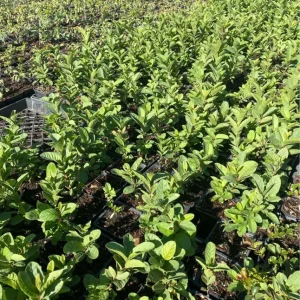
This offering is for one persimmon tree live plant, a vigorous starter plant designed for successful transplanting and growth. Each plant typically measures between 6 to 14 inches in height from the base of the root system to the tip of its tallest stem, providing a substantial young tree ready for establishment. The plants are well-rooted, ensuring a strong foundation for future development in your garden. They are shipped as live, actively growing plants, often with green foliage, though deciduous varieties may arrive dormant depending on the season, which is perfectly normal for a healthy starter. The expected growth rate is moderate, reaching a mature height of 30-50 feet over many years, with a similar spread, forming a lovely rounded canopy. Expect your american persimmon to begin producing fruit within 3-5 years after planting, with increasing yields as it matures.
Frequently Asked Questions
- Q: How big does this plant get? A: This persimmon tree live plant is a starter, typically 6-14 inches tall upon arrival. Mature trees can reach 30-50 feet tall and wide, providing ample shade and fruit over many years.
- Q: Is this an indoor or outdoor plant? A: This is an outdoor fruit tree. The persimmon tree live plant is best suited for planting directly in your garden or orchard where it can receive full sun and proper space to grow.
- Q: How much sunlight does it need? A: A persimmon fruit tree requires full sun, meaning at least 6-8 hours of direct sunlight daily, for optimal growth and fruit production.
- Q: Is this plant easy to care for? Is it good for beginners? A: Yes, once established, the persimmon tree live plant is relatively low-maintenance and quite hardy, making it a good choice for both experienced and beginner gardeners looking to grow persimmon tree.
- Q: What condition will it arrive in? A: Your persimmon tree live plant will arrive well-rooted and carefully packaged to ensure its health. Depending on the season, it may have green leaves or be dormant, which is natural for deciduous trees.
- Q: How long until it blooms and produces fruit? A: A young persimmon tree live plant typically begins to bear fruit within 3-5 years after planting, with the quantity increasing as the tree matures.
- Q: Will it survive winter in my zone? What’s the minimum temperature? A: This American persimmon variety is hardy in USDA Zones 3-9, capable of withstanding winter temperatures down to -40°F, making it suitable for a wide range of climates.
- Q: What type of soil is best for this persimmon tree? A: This diospyros virginiana prefers well-draining soil, ideally loamy or sandy loam, with a neutral to slightly acidic pH. Amending with organic matter can improve soil quality.
- Q: Do I need more than one persimmon tree for fruit? A: While some American persimmon varieties are self-pollinating, planting two or more trees can often lead to better fruit production, especially for male and female varieties.
- Q: When is the best time to plant this persimmon tree? A: The best time to plant your persimmon tree live plant is in early spring or late fall when the tree is dormant or just beginning new growth, allowing it to establish its root system before extreme weather.
Be the first to review “Persimmon Tree Live Plant 6-14 Inches Tall – Well-Rooted Fruit Starter Outdoor”
People Also Viewed


Sold 95 products
Original price was: $99.80.$49.90Current price is: $49.90.




Sold 71 products
Original price was: $43.98.$21.99Current price is: $21.99.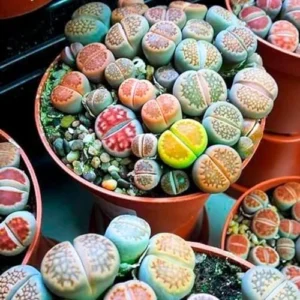
HousePlants
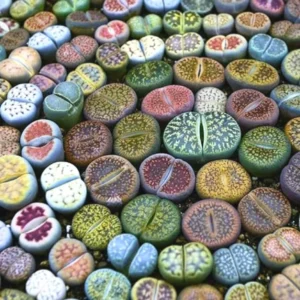
Lithops Live Plants Mix – 30 Colorful Succulents – Living Stones for Indoor/Outdoor Planting
Sold 82 products
Original price was: $65.98.$32.99Current price is: $32.99.








Reviews
There are no reviews yet.