
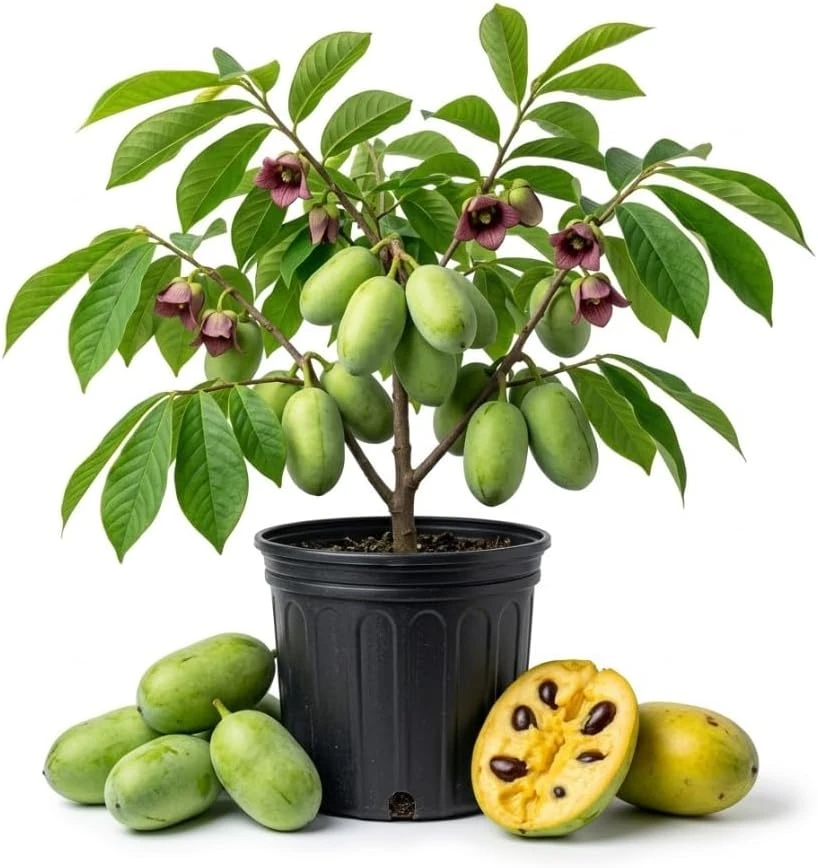
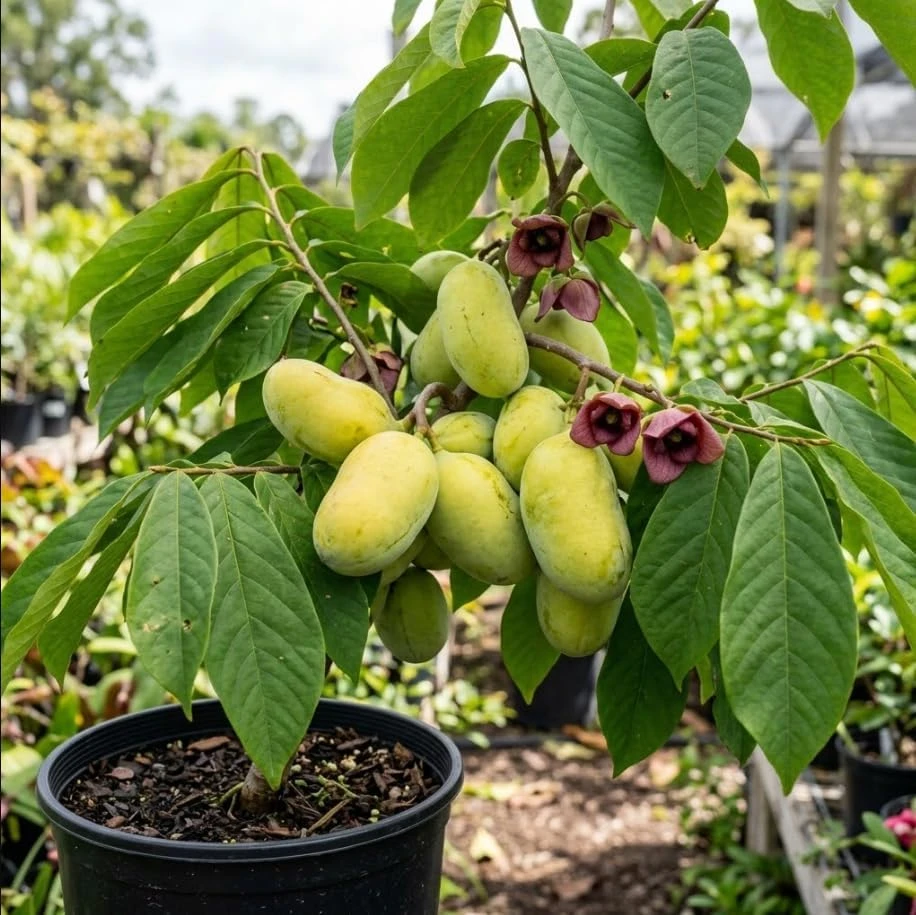
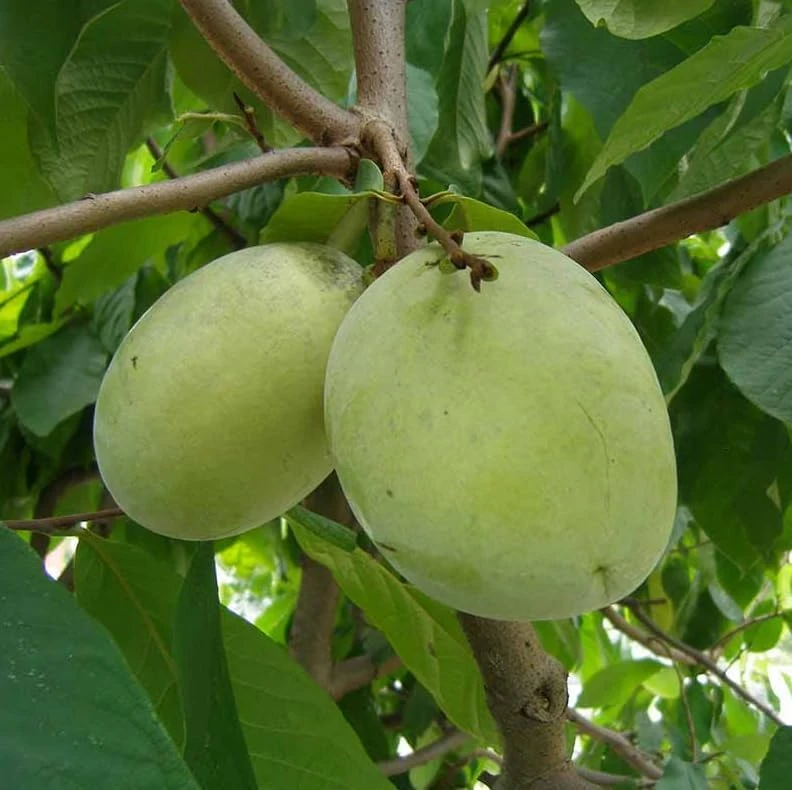
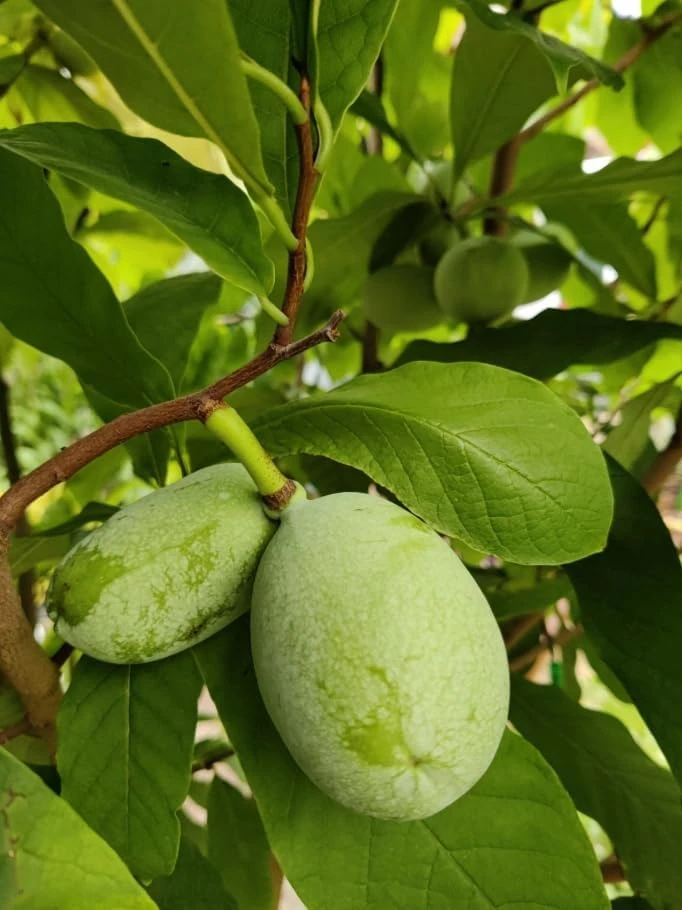
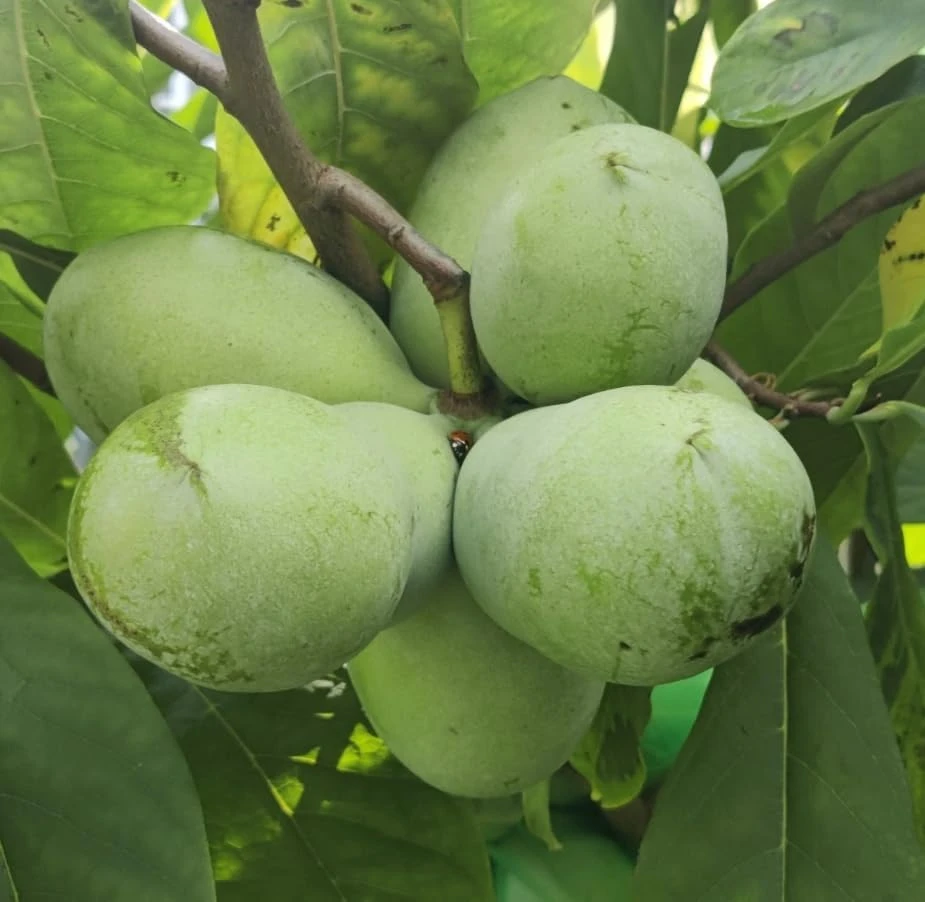
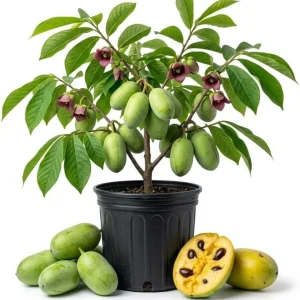
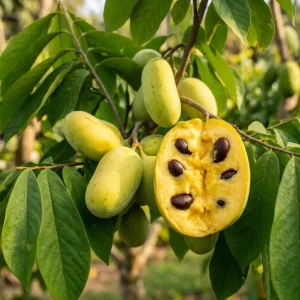
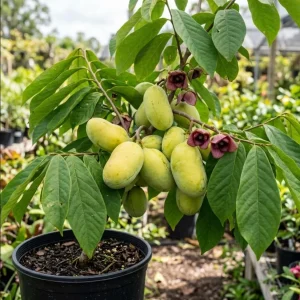
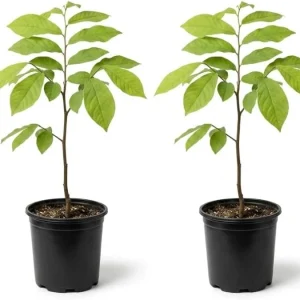
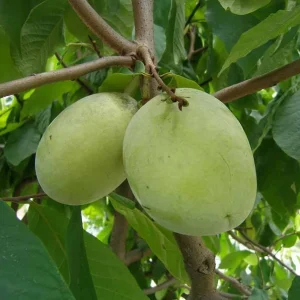
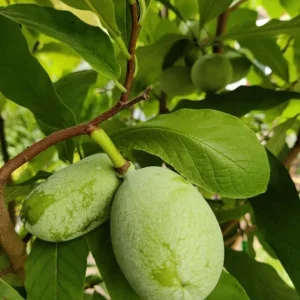
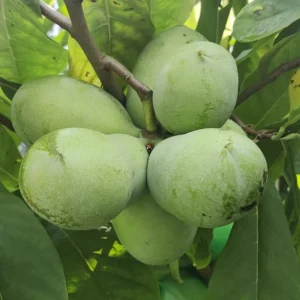
Paw Paw Tree (Asimina triloba) Live Plant – 2-3 Ft Tall, 1 Gallon Pot, Outdoor Fruit Tree
Original price was: $135.98.$67.99Current price is: $67.99.
Cultivate your own unique fruit with a paw paw tree live plant. This 2-3 ft tall Asimina triloba tree arrives in a 1-gallon pot, ready for transplanting into your outdoor garden. Known as the hardy banana tree, it produces delicious, creamy fruit and adds ornamental value to any landscape. Ideal for food forests and backyard orchards.
-
USDA Hardiness Zone
USDA Zones 5-9 -
Soil Type
Well-draining, fertile loam -
Sunlight Exposure
Partial shade (young), Full sun (mature) -
Expected Planting Period
Spring to early summer

You can track your order HERE
Oct 30
Nov 04 - Nov 06
Nov 09 - Nov 13
Shipping and return policies: Our Alive & Thrive Guarantee covers issues with your plants within the first 30 days. Reach out to us. Our team will answer your questions and help you find the plants that are truly suitable for your environment, climate, and personal preferences.

Overview
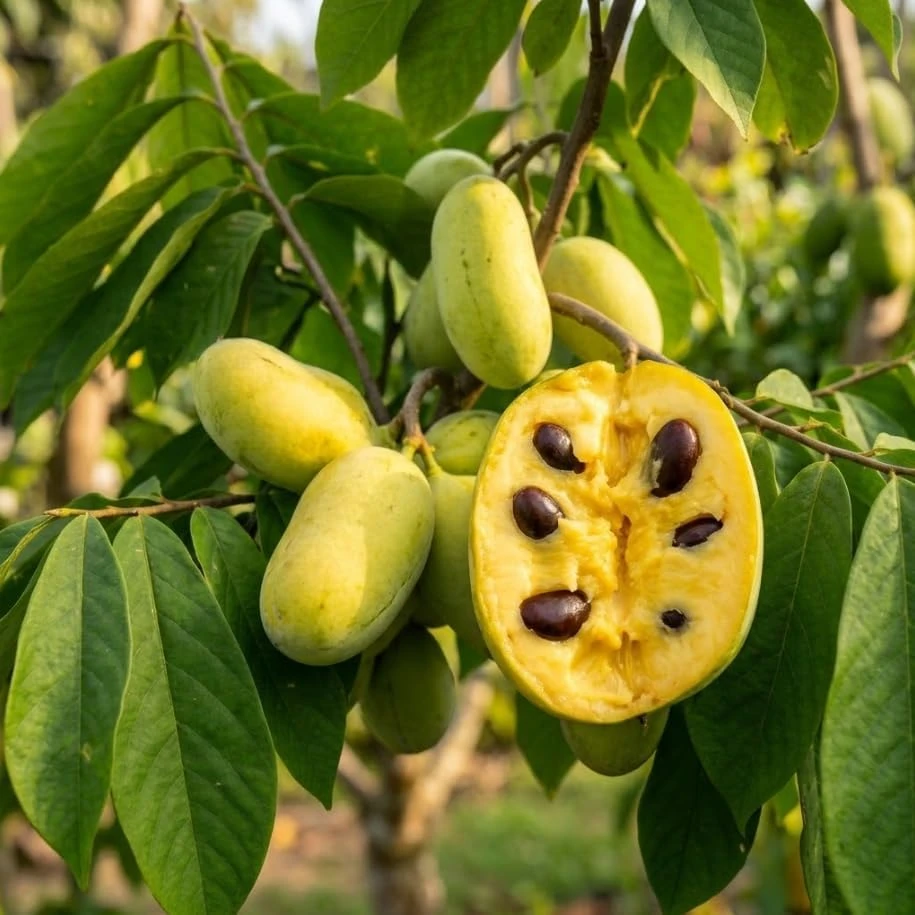
Bring the taste of the tropics to your temperate garden with this exceptional paw paw tree live plant. Also known as the Asimina triloba tree, this native American fruit tree is a unique and increasingly popular addition to home landscapes, food forests, and orchards. You will receive one young, vibrant paw paw tree live plant, approximately 2-3 feet tall, growing in a 1-gallon pot. This starter plant has been carefully cultivated and is ready for transplanting into its permanent outdoor location. The Paw Paw is celebrated for its delicious, custard-like fruit, often compared to a banana or mango, and its attractive foliage. It’s a fantastic choice for those looking to grow an easy-to-care-for, cold-hardy fruit tree that stands out from typical orchard selections.
The Asimina triloba tree is a deciduous understory tree, meaning it naturally thrives in partial shade when young, gradually tolerating more sun as it matures. Its large, tropical-looking leaves provide excellent visual interest, and in autumn, they turn a beautiful golden-yellow. While your young plant will not bear fruit upon arrival, with proper care and establishment, you can anticipate harvesting your own sweet, fragrant pawpaws in approximately 2-4 years. This hardy banana tree is a true treasure for any gardener seeking a unique, low-maintenance fruit producer.
Key Benefits
Growing a paw paw tree live plant offers a multitude of benefits, from its unique fruit to its ecological contributions. It’s an excellent choice for gardeners looking for something different and rewarding.
- Delicious, Unique Fruit: Enjoy the sweet, creamy, tropical-flavored fruit of the pawpaw fruit tree. These native fruits ripen in late summer to early fall and are perfect for fresh eating, desserts, or preserves.
- North American Native: Support local ecosystems by planting a native fruit tree. Pawpaws are well-adapted to many US climates, requiring less intervention than non-native species.
- Ornamental Value: Beyond its fruit, the Paw Paw tree offers beautiful, large, tropical-looking leaves that turn a vibrant yellow in autumn, adding significant aesthetic appeal to your landscape.
- Low Maintenance: Once established, Asimina triloba trees are relatively low-maintenance, showing good resistance to most pests and diseases, making them ideal for organic gardening.
- Wildlife Attractor: Pawpaw trees provide food and habitat for various wildlife, including the zebra swallowtail butterfly, whose larvae feed exclusively on pawpaw leaves.
- Hardy & Adaptable: Known as the hardy banana tree, it tolerates a wide range of soil types and is remarkably cold-hardy, thriving in USDA Zones 5-9.
- Food Forest & Orchard Ready: An excellent addition to permaculture designs, food forests, and backyard orchards, contributing to a diverse and productive edible landscape.
Plant Care & Growing Tips
Caring for your paw paw tree live plant is straightforward, especially once it’s established. Understanding its specific needs will ensure a healthy, productive tree that brings joy for years to come. This Asimina triloba tree prefers a site with good drainage and consistent moisture, particularly during its establishment phase. When planting, dig a hole twice as wide as the root ball and just as deep. Gently remove the tree from its 1-gallon pot, being careful not to disturb the roots too much, as pawpaws can be sensitive to root disturbance. Backfill with native soil, amended with some compost if your soil is poor, and water thoroughly.
For sunlight, young paw paw tree live plants benefit from partial shade for their first year or two, especially in hotter climates, to prevent leaf scorch. As they mature, they can tolerate and even prefer full sun for optimal fruit production. Aim for at least 6 hours of direct sunlight for mature trees. Watering is crucial, particularly during dry spells and the first few years after planting. Keep the soil consistently moist but not waterlogged. Once established, they are more drought-tolerant but will produce better fruit with regular watering. Fertilize sparingly with a balanced organic fertilizer in spring, once the tree is established (usually after the first year). Pawpaws are generally pest and disease resistant, making them a relatively easy hardy banana tree to grow.
Pawpaws are often self-incompatible, meaning you’ll need at least two genetically different trees for cross-pollination and fruit set. If you only have one tree, consider planting another nearby for optimal fruit production. They are hardy in USDA Zones 5-9. In colder zones, ensure adequate mulching around the base to protect roots during winter. Dormancy is natural, and your tree will appear to be ‘sleeping’ during winter months, resuming active growth when temperatures warm in spring. Pruning is minimal, mainly for shaping and removing dead or diseased branches.
Size & Details
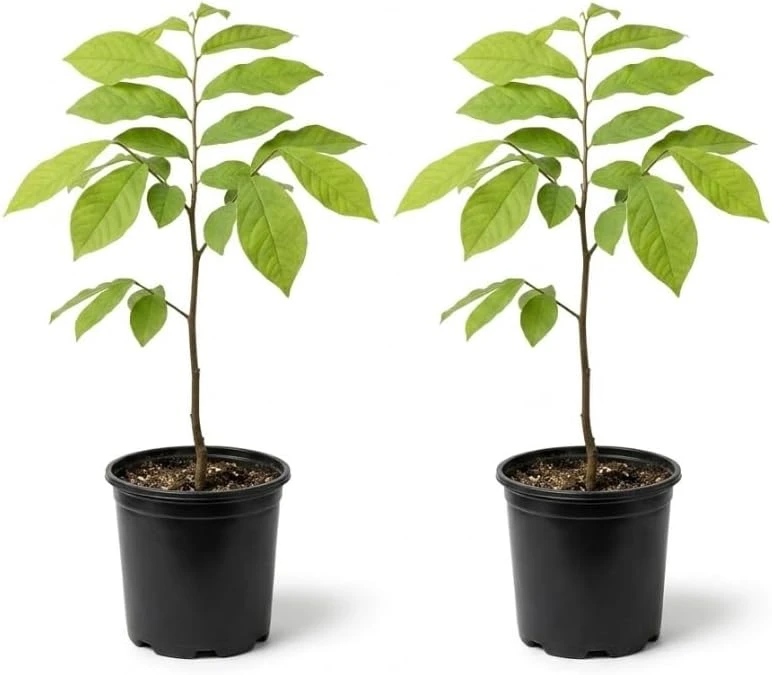
This offering is for one healthy paw paw tree live plant. It arrives growing in a 1-gallon nursery pot, ensuring a well-developed root system ready for successful transplanting. The tree stands approximately 2-3 feet tall from the base of the pot to the tip of the highest branch, making it a young starter plant. Its compact size at arrival makes it easy to handle and plant.
While this is a young tree, it has been carefully grown to ensure vigor and health. Expected growth rate is moderate, and with proper care, it will quickly establish itself in your garden. Pawpaw trees typically begin producing fruit in approximately 2–4 years after establishment, depending on growing conditions and proper pollination. Your tree will be shipped dormant in winter months, and actively growing with leaves during spring, summer, and fall. It is an excellent specimen for cultivating your own pawpaw fruit tree and enjoying its unique bounty.
Frequently Asked Questions
- Q: How big does this plant get? A: This paw paw tree live plant is approximately 2-3 feet tall upon arrival in a 1-gallon pot. Mature pawpaw trees typically reach heights of 15-20 feet, with a spread of 10-15 feet, though they can be kept smaller with pruning.
- Q: Is this an indoor or outdoor plant? A: The Asimina triloba tree is an outdoor plant, specifically a deciduous fruit tree. It requires outdoor conditions to thrive and produce fruit.
- Q: How much sunlight does it need? A: Young paw paw tree live plants prefer partial shade for the first 1-2 years. Mature trees thrive in full sun (6+ hours daily) for optimal fruit production, though they can tolerate partial shade.
- Q: Is this plant easy to care for? A: Yes, once established, the hardy banana tree is considered relatively low-maintenance. It’s quite resistant to most pests and diseases, making it a good choice for both beginner and experienced gardeners.
- Q: What condition will it arrive in? A: Your paw paw tree live plant will arrive carefully packaged in its 1-gallon pot, with soil. During winter, it will be dormant and appear to have no leaves, which is normal. During warmer months, it will have foliage.
- Q: How long until it produces fruit? A: With proper care and cross-pollination (planting at least two different varieties), your pawpaw fruit tree typically begins producing fruit in approximately 2-4 years after establishment.
- Q: Will it survive winter in my zone? A: Paw Paw trees are remarkably cold-hardy and thrive in USDA Hardiness Zones 5-9. They are deciduous and will naturally lose their leaves and go dormant in winter, which is part of their natural cycle.
- Q: What is the best time to plant this tree? A: The best time to plant your paw paw tree live plant is in spring or early fall, allowing the roots to establish before extreme summer heat or winter cold.
- Q: Do I need more than one tree for fruit? A: Yes, for optimal fruit production, it is highly recommended to plant at least two genetically different Asimina triloba trees for cross-pollination.
- Q: What kind of soil does it prefer? A: Paw Paw trees prefer deep, fertile, well-draining soil with a slightly acidic to neutral pH (5.5-7.0). They do not tolerate consistently wet or waterlogged conditions.
Be the first to review “Paw Paw Tree (Asimina triloba) Live Plant – 2-3 Ft Tall, 1 Gallon Pot, Outdoor Fruit Tree”
People Also Viewed



Sold 73 products
From $51.80
Succulents
Hens and Chicks Sempervivum Succulent Live Plant – Rooted Plant in 2-4 inch Pot – Outdoor
Sold 89 products
From $8.38




Sold 51 products
Original price was: $147.16.$73.58Current price is: $73.58.


Sold 58 products
From $67.00


Vegetables
Early Italian Garlic Bulbs – 3 Bulbs (2lbs) – Organic Heirloom Hardneck for Planting or Eating
Sold 56 products
From $20.98




Reviews
There are no reviews yet.