
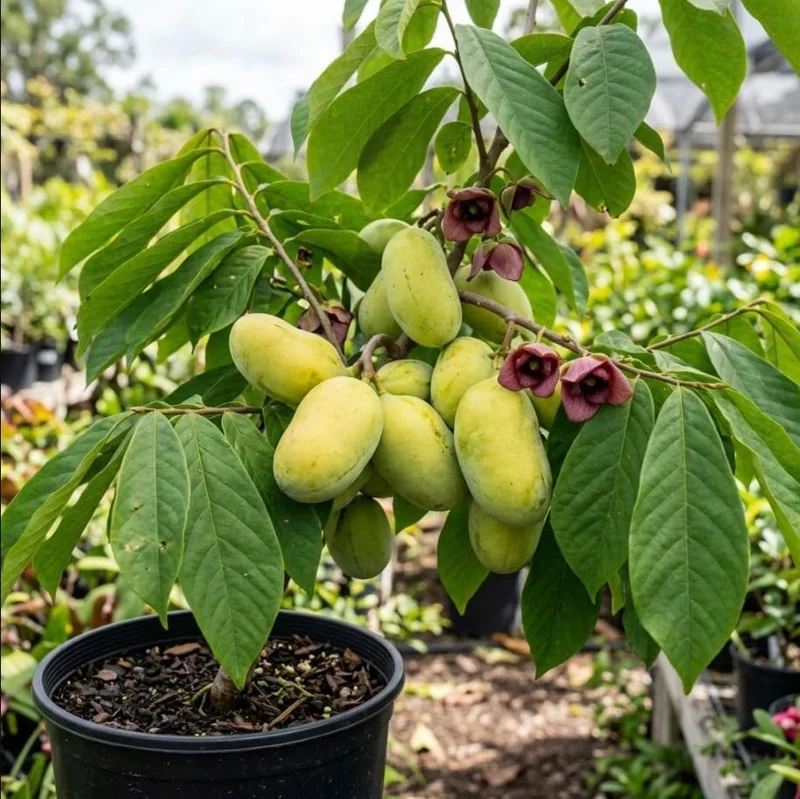
Paw Paw Tree (Asimina triloba) Live Plant – 6-14 Inch Tall Starter, Quart Pot, Outdoor
Original price was: $47.98.$23.99Current price is: $23.99.
Cultivate a unique, delicious fruit in your own garden with this paw paw tree live plant. This Asimina triloba starter comes in a quart pot, standing 6-14 inches tall, ready for transplanting. Ideal for outdoor gardens, food forests, and backyard landscapes, this hardy banana tree offers a taste of the tropics even in temperate climates.
-
USDA Hardiness Zone
USDA Zones 5-8 -
Soil Type
Well-draining, fertile, slightly acidic to neutral soil -
Sunlight Exposure
Partial shade (young plants), Full sun (established) -
Expected Planting Period
Spring to early summer

You can track your order HERE
Oct 31
Nov 05 - Nov 07
Nov 10 - Nov 14
Shipping and return policies: Our Alive & Thrive Guarantee covers issues with your plants within the first 30 days. Reach out to us. Our team will answer your questions and help you find the plants that are truly suitable for your environment, climate, and personal preferences.

Overview
Embark on a rewarding gardening journey by adding a paw paw tree live plant to your landscape. This offering includes one young Asimina triloba plant, carefully nurtured in a quart pot and standing approximately 6–14 inches tall. Known for its unique, custard-like fruit, the Pawpaw (Asimina triloba) is North America’s largest native edible fruit. Often referred to as a hardy banana tree due to its tropical-tasting fruit, it is surprisingly resilient and well-suited for a wide range of climates. This starter plant is perfect for those looking to establish a long-term food source or add an intriguing specimen to their outdoor garden, food forest, or backyard orchard. While this young plant will not have flowers or fruit upon arrival, with proper care and patience, you can anticipate delicious harvests in the coming years. The distinctive flavor of the pawpaw fruit, a blend of banana, mango, and pineapple, makes it a truly special addition to any home garden, offering a taste experience unlike any other.
Key Benefits
Integrating a paw paw tree live plant into your outdoor space brings a multitude of advantages, from its unique fruit to its ecological contributions. This resilient tree offers both aesthetic appeal and practical benefits for the home gardener:
- Unique Edible Fruit: Enjoy the distinctive, tropical-like flavor of pawpaw fruit, often described as a blend of banana, mango, and pineapple. This rare delicacy is a gourmet treat that’s hard to find in stores.
- Native & Hardy: As a native North American species, the Asimina triloba plant is well-adapted to many temperate climates, requiring less intensive care than many exotic fruit trees. It’s a truly hardy option for your garden.
- Low Maintenance: Once established, pawpaw trees are relatively low-maintenance, resisting many common pests and diseases, making them an excellent choice for beginner and experienced gardeners alike.
- Ecological Value: Pawpaws serve as a host plant for the beautiful zebra swallowtail butterfly, contributing to local biodiversity and supporting pollinators in your garden.
- Shade Tolerance: Young pawpaw trees tolerate partial shade, making them suitable for understory planting or areas with dappled sunlight, a unique trait for a fruit-bearing tree.
- Long-Term Investment: A paw paw tree live plant represents a long-term investment in your landscape, providing annual harvests for many decades once mature.
- Food Forest Integration: Excellent for permaculture designs and food forests, contributing to a diverse and productive edible landscape.
Plant Care & Growing Tips
Caring for your paw paw tree live plant involves understanding its specific needs to ensure healthy growth and future fruit production. These trees prefer a site with good drainage and fertile soil. While mature trees thrive in full sun, young Asimina triloba plant specimens benefit from partial shade for the first year or two after planting, especially in hotter climates, to prevent sunscald on their tender leaves. Aim for at least 6-8 hours of direct sunlight once established. Water regularly, especially during dry periods and throughout the first growing season, to help the roots establish. The soil should remain consistently moist but not waterlogged. A good layer of mulch around the base of the tree will help retain soil moisture and suppress weeds.
Pawpaws prefer slightly acidic to neutral soil (pH 5.5-7.0) that is rich in organic matter. Amend heavy clay soils with compost to improve drainage, and sandy soils to enhance water retention. Fertilize sparingly in the first year with a balanced, slow-release organic fertilizer. As the tree matures, you can increase fertilization slightly, focusing on a balanced NPK ratio. Pawpaw trees are generally hardy in USDA Zones 5-8, tolerating winter dormancy well. They typically begin producing fruit in approximately 2–4 years after establishment, rewarding your patience with delicious, unique fruit. Keep an eye out for common garden pests, though pawpaws are relatively resistant. Proper pruning for shape and health can be done in late winter or early spring while the tree is dormant.
Size & Details
This offering is for one young paw paw tree live plant, specifically an Asimina triloba plant. Each tree is supplied in a quart-sized nursery pot, providing a strong root system for successful transplanting. The plants are approximately 6–14 inches tall from the top of the soil, representing a healthy, actively growing starter specimen. As a young plant, it will not have flowers or fruit upon arrival, as it requires a few years to mature and establish. Pawpaw trees have a moderate growth rate, typically reaching 15-20 feet tall and 15-20 feet wide at maturity, forming an attractive small to medium-sized tree. The trees may be dormant in the winter season, appearing bare or with minimal foliage; this is a natural cycle, and the plant will resume active growth when temperatures warm in spring. This hardy banana tree is ready for transplanting into your outdoor garden, food forest, or backyard landscape.
Frequently Asked Questions
- Q: How big does this plant get? A: This particular paw paw tree live plant is a starter, 6-14 inches tall in a quart pot. At maturity, Asimina triloba trees typically reach a height of 15-20 feet and a spread of 15-20 feet, though size can vary with growing conditions and pruning.
- Q: Is this an indoor or outdoor plant? A: The Asimina triloba plant is an outdoor tree, well-suited for temperate climates. It requires significant space and natural conditions to thrive and produce fruit.
- Q: How much sunlight does it need? A: Young pawpaw trees prefer partial shade for their first year or two. Once established, they thrive in full sun (at least 6-8 hours daily) for optimal growth and fruit production, though they can tolerate some shade.
- Q: Is this plant easy to care for? A: Yes, once established, the paw paw tree live plant is considered relatively low-maintenance. It’s hardy, resistant to many pests, and adaptable to various soil conditions as long as drainage is good.
- Q: What condition will it arrive in? A: Your hardy banana tree will arrive as a healthy, actively growing starter plant in a quart pot. It will be carefully packaged to ensure safe transit, though it may be dormant if ordered during the winter months.
- Q: How long until it blooms and produces fruit? A: Pawpaw trees typically begin to flower and produce fruit within 2–4 years after establishment, given proper care and growing conditions. Patience is key with this rewarding fruit tree.
- Q: What is the best time to plant a paw paw tree? A: The ideal time to plant your paw paw tree live plant is in the spring after the last frost, or in early fall before the ground freezes. This allows the roots ample time to establish.
- Q: Will it survive winter in my zone? A: Pawpaw trees (Asimina triloba) are deciduous and very cold hardy, typically thriving in USDA Hardiness Zones 5-8. They naturally enter dormancy in winter and will re-emerge in spring.
- Q: Can I grow a single paw paw tree for fruit? A: While some varieties are self-fertile, pawpaws generally produce more fruit when cross-pollinated by another genetically distinct pawpaw tree. Planting two or more is often recommended for best yields.
- Q: What kind of soil does a paw paw tree need? A: A paw paw tree live plant prefers deep, fertile, slightly acidic to neutral soil that is well-draining and rich in organic matter. Avoid heavy, compacted clay or excessively sandy soils.


















Reviews
There are no reviews yet.