
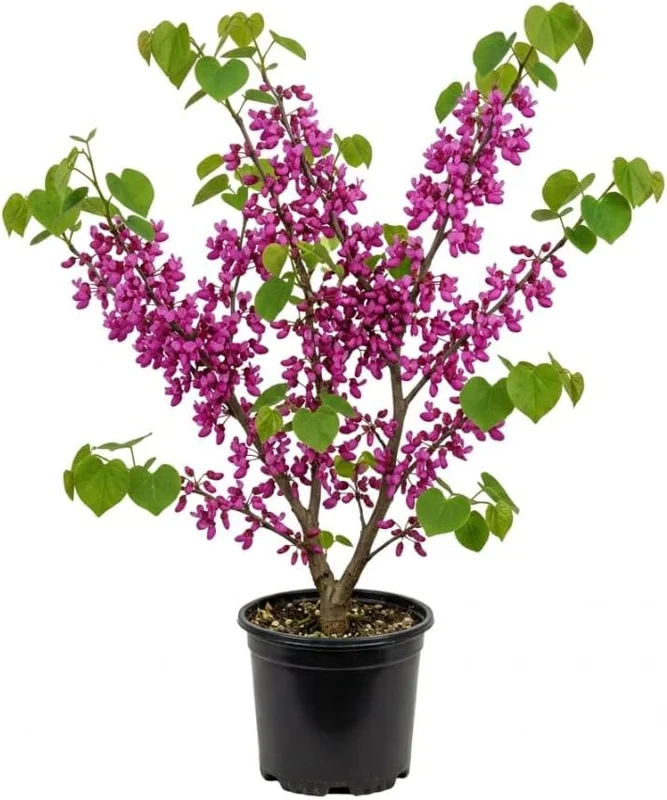
Eastern Redbud Tree Live Plant 6-16 Inch Tall – Quart Pot, Ornamental Shrub
Original price was: $43.98.$21.99Current price is: $21.99.
Bring vibrant spring color to your landscape with the Eastern Redbud live plant. This ornamental tree or shrub, 6-16 inches tall in a quart pot, features stunning reddish-pink blossoms. Ideal as a focal point or border plant.
-
USDA Hardiness Zone
USDA Zones 4-9 -
Soil Type
Well-draining, moist, loamy soil -
Sunlight Exposure
Full sun to partial shade -
Expected Planting Period
Spring to early summer

You can track your order HERE
Oct 30
Nov 04 - Nov 06
Nov 09 - Nov 13
Shipping and return policies: Our Alive & Thrive Guarantee covers issues with your plants within the first 30 days. Reach out to us. Our team will answer your questions and help you find the plants that are truly suitable for your environment, climate, and personal preferences.

Overview
Introduce breathtaking beauty to your garden with the Eastern Redbud live plant (Cercis canadensis). This stunning deciduous tree or large shrub is celebrated for its spectacular display of reddish-pink to magenta flowers that emerge directly on its branches in early spring, often before its heart-shaped leaves appear. A true herald of spring, the Eastern Redbud live plant is a favorite for its ornamental value, providing striking color and elegant form to any landscape. Known also as the Redbud tree for sale, it’s a versatile choice, offering flexible landscaping options whether grown as a multi-stemmed shrub or a single-trunk tree. It’s a native North American species, well-adapted to various climates and soil conditions, making it a robust and rewarding addition to your outdoor space.
The Cercis canadensis tree is not only admired for its spring blossoms but also for its attractive foliage that transitions from reddish new growth to a vibrant green in summer, then to shades of yellow in autumn. This provides year-round visual interest. Our Eastern Redbud live plant arrives as a healthy seedling, approximately 6-16 inches tall and potted in a quart-sized container, ready to be planted and establish itself in your garden. Its moderate growth rate allows you to enjoy its beauty relatively quickly, making it an excellent choice for those seeking an impactful yet manageable ornamental tree.
Key Benefits
The Eastern Redbud live plant offers a multitude of benefits, enhancing both the aesthetic and ecological value of your landscape. Its captivating presence and adaptability make it a prime choice for gardeners.
- Spectacular Spring Blooms: Enjoy an explosion of vibrant reddish-pink to magenta flowers in early spring, transforming your garden into a colorful spectacle. These unique blossoms appear directly on the bare branches, creating an eye-catching display that signals the arrival of warmer weather.
- Versatile Landscape Use: This plant can be cultivated as a stately single-trunk tree or a charming multi-stemmed shrub, offering flexibility for various garden designs. It serves beautifully as a focal point, a border plant, or an addition to a woodland garden, providing structural interest.
- Year-Round Visual Interest: Beyond its iconic spring flowers, the Cercis canadensis tree boasts attractive heart-shaped leaves that turn lovely shades of yellow in the fall, ensuring your garden remains engaging through multiple seasons. The unique branching structure also adds appeal in winter.
- Attracts Pollinators: The early spring flowers are a vital nectar source for bees and other beneficial pollinators, contributing to the health and biodiversity of your local ecosystem. This makes the Eastern Redbud live plant an excellent choice for supporting local wildlife.
- Hardy and Adaptable: Known for its resilience, the Redbud tree for sale thrives in a variety of soil types and light conditions, including partial shade. It is a relatively low-maintenance tree once established, making it suitable for both experienced and novice gardeners looking for an ornamental flowering tree.
- Moderate Size: Reaching a mature height of 20-30 feet with a similar spread, it’s a perfect size for many residential landscapes, providing shade and beauty without overwhelming the space. This makes it a more manageable option than some larger shade trees.
Plant Care & Growing Tips
Caring for your Eastern Redbud live plant is relatively straightforward, ensuring it thrives and delivers its stunning spring display year after year. Understanding its basic needs will help you cultivate a healthy and robust tree or shrub in your garden.
For sunlight, the Eastern Redbud live plant prefers full sun to partial shade. Full sun (at least 6 hours of direct sunlight per day) will encourage the most abundant flowering, while partial shade (4-6 hours of sun, especially afternoon shade in hot climates) can help protect its foliage from scorching. It is an outdoor plant, not suitable for indoor cultivation. When it comes to watering, young trees require consistent moisture. Water deeply once or twice a week, especially during dry spells, to encourage a strong root system. Once established, the Cercis canadensis tree is moderately drought-tolerant but will benefit from supplemental watering during prolonged dry periods. Good drainage is crucial, so avoid planting in areas where water tends to collect.
The ideal soil type for an Eastern Redbud live plant is well-draining, moist, and loamy soil, though it tolerates a variety of soil conditions including clay, sand, and rocky soils, as long as drainage is adequate. A neutral to slightly alkaline pH (6.0-8.0) is preferred. Fertilization is generally not heavily required. A balanced, slow-release fertilizer can be applied in early spring, before new growth begins, especially for young trees to promote vigorous development. Avoid over-fertilizing, which can lead to excessive foliage growth at the expense of flowers. The ornamental flowering tree is hardy in USDA Zones 4-9, meaning it can withstand winter temperatures down to -30°F. Pruning should be done in late winter or early spring while the tree is dormant, focusing on removing dead, damaged, or crossing branches to maintain a healthy structure and enhance air circulation. This also helps shape the plant, whether you prefer the look of a tree or a spring blooming shrub.
Size & Details
This offering includes one healthy Eastern Redbud live plant, ready to be transplanted into your garden. Each seedling measures approximately 6 to 16 inches tall from the top of the soil, providing a substantial young plant with established roots. It is carefully potted in a quart-sized container, ensuring the root ball is protected and moist during transit and upon arrival.
The Redbud tree for sale has a moderate growth rate, typically adding 13-24 inches of height per year. Expect your tree to begin showing its iconic spring blooms within 3-5 years of planting, reaching its mature height of 20-30 feet and a similar spread over 10-20 years. This size makes it an excellent choice for diverse landscape applications, from a prominent specimen tree to a charming addition to a mixed border. The plant is shipped in its nursery pot with soil, providing the best possible start for successful establishment in your landscape.
Frequently Asked Questions
- Q: How big does this plant get? A: The Eastern Redbud live plant typically grows to a mature height of 20-30 feet with a similar spread. Its size makes it suitable for many residential landscapes without becoming too overwhelming.
- Q: Is this an indoor or outdoor plant? A: The Eastern Redbud live plant is an outdoor plant. It is a deciduous tree or shrub that requires seasonal changes and specific light conditions found outdoors to thrive and bloom effectively.
- Q: How much sunlight does it need? A: This ornamental flowering tree prefers full sun to partial shade. For the best flowering display, aim for at least 6 hours of direct sunlight per day. Partial afternoon shade is beneficial in hotter climates.
- Q: Is this plant easy to care for? A: Yes, the Cercis canadensis tree is considered relatively easy to care for once established. It tolerates a range of soil types and light conditions, making it a good choice for both beginner and experienced gardeners.
- Q: What condition will it arrive in? A: Your Eastern Redbud live plant will arrive as a healthy seedling, approximately 6-16 inches tall, securely potted in a quart-sized container with its root system intact and soil moist.
- Q: How long until it blooms? A: While young seedlings may take a few years to establish, you can typically expect your Eastern Redbud live plant to begin producing its characteristic reddish-pink blooms within 3-5 years after planting.
- Q: Will it survive winter in my zone? A: The Eastern Redbud is hardy in USDA Zones 4-9, meaning it is well-equipped to survive cold winters within these zones. If you are outside this range, winter protection might be necessary.
- Q: Can I grow the Eastern Redbud as a shrub? A: Absolutely! The spring blooming shrub can be pruned and trained to grow as a multi-stemmed shrub, offering a different aesthetic and landscaping utility compared to a single-trunk tree.
- Q: What kind of soil is best for a Redbud? A: A well-draining, moist, and loamy soil is ideal for an Eastern Redbud live plant, but it is quite adaptable and can tolerate various soil types as long as good drainage is ensured.
- Q: Does this tree attract wildlife? A: Yes, the early spring flowers of the Eastern Redbud live plant are an important food source for early-season pollinators like bees, and the seeds can be eaten by birds later in the year.
Be the first to review “Eastern Redbud Tree Live Plant 6-16 Inch Tall – Quart Pot, Ornamental Shrub”
People Also Viewed




Sold 63 products
Original price was: $1,800.00.$900.00Current price is: $900.00.

Herbs
Peppermint Live Plants – Set of 3 – Fragrant Culinary Herb for Indoor/Outdoor Garden – Cold Hardy
Sold 79 products
Original price was: $31.98.$15.99Current price is: $15.99.


Flower Plants
Grand Duke of Tuscany Jasmine Live Plant – Fragrant Blooming Indoor/Outdoor – 4 to 7 Inches Tall
Sold 71 products
Original price was: $49.96.$24.98Current price is: $24.98.


Succulents
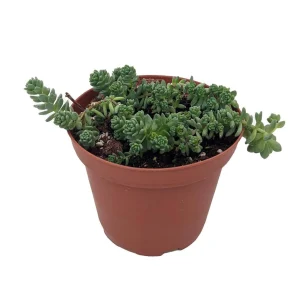
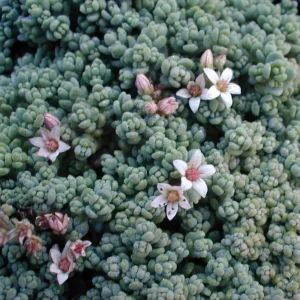
Corsican Blue Tears Sedum Live Plant – Sedum dasyphyllum – 3.7″ Pot – Indoor/Outdoor Succulent
Sold 75 products
Original price was: $41.56.$20.78Current price is: $20.78.


Flowers
Set of 2 Otto Quast Lavender Live Plants 4-6″ Tall – Fragrant Perennial Flowers Indoor/Outdoor
Sold 52 products
Original price was: $36.38.$18.19Current price is: $18.19.


Reviews
There are no reviews yet.