
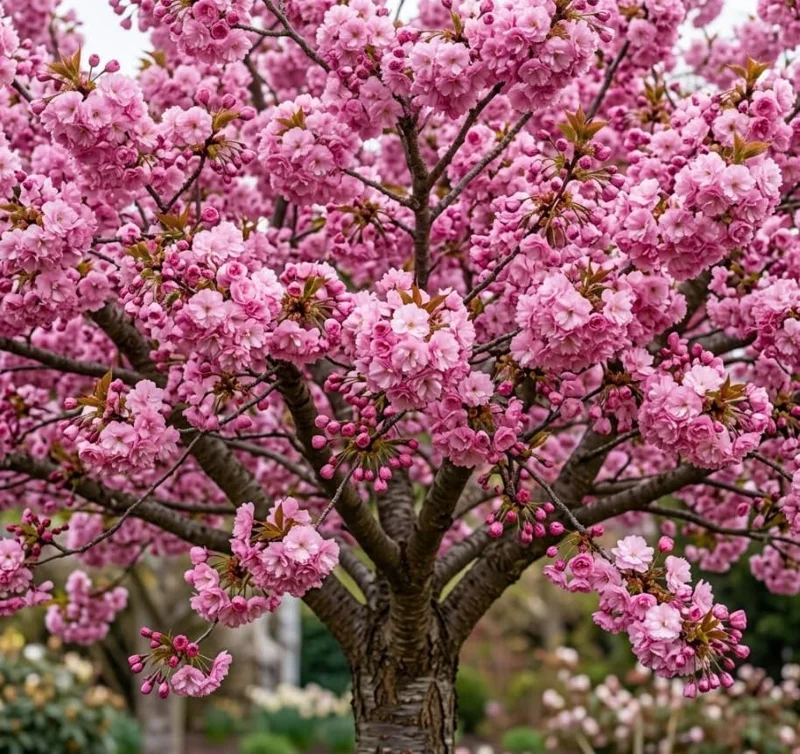
Pack of 2 Double Pink Flowering Cherry Trees Live Plant, 6-12″ Tall, Ornamental Outdoor
Original price was: $73.98.$36.99Current price is: $36.99.
Add stunning beauty to your landscape with this double pink flowering cherry tree. You will receive 2 live plants, approximately 6-12 inches tall, ready to grow into a spectacular ornamental feature. Perfect for yards, patios, or garden beds, these trees offer vibrant pink blossoms each spring.
-
USDA Hardiness Zone
USDA zones 5-8 -
Soil Type
Well-draining loamy soil -
Sunlight Exposure
Full sun to partial sun -
Expected Planting Period
Early spring or fall

You can track your order HERE
Oct 30
Nov 04 - Nov 06
Nov 09 - Nov 13
Shipping and return policies: Our Alive & Thrive Guarantee covers issues with your plants within the first 30 days. Reach out to us. Our team will answer your questions and help you find the plants that are truly suitable for your environment, climate, and personal preferences.

Overview
Transform your outdoor space with the exquisite double pink flowering cherry tree. This listing provides 2 live plants, known for their breathtaking display of bright pink, double blossoms that herald the arrival of spring. A true ornamental masterpiece, this tree (Prunus serrulata ‘Kwanzan’ or similar double-flowered cultivar) is a beloved choice for adding elegance and vibrant color to any garden, yard, or patio. These young starter trees, standing 6-12 inches tall, arrive in small pots, ready for transplanting into their permanent home where they will flourish and become a show-stopping centerpiece. Whether you’re creating a serene garden retreat or enhancing your home’s curb appeal, a flowering cherry tree live plant is an investment in natural beauty that grows more magnificent with each passing year.
The allure of the double pink flowering cherry tree lies in its profusion of dense, fluffy pink blooms that cover the branches before the leaves fully emerge. This creates a cloud-like effect of vibrant color that is truly unforgettable. Beyond its spectacular spring show, this ornamental tree offers graceful form and attractive foliage throughout the growing season, making it a valuable addition to diverse landscape designs. It’s a relatively easy-to-care-for specimen, thriving with proper attention and bringing immense joy to its cultivators.
Key Benefits
Choosing a double pink flowering cherry tree for your landscape offers a multitude of benefits, from aesthetic appeal to environmental contributions. These trees are not just plants; they are living sculptures that evolve with the seasons, providing continuous interest and beauty.
- Stunning Spring Display: The most prominent feature is the explosion of abundant, bright pink double blossoms each spring, creating an unparalleled visual spectacle. This makes the flowering cherry tree live plant a focal point in any setting.
- Elegant Ornamental Value: With its graceful branching and beautiful seasonal changes, this tree adds a touch of sophistication and charm to gardens, patios, and outdoor living spaces.
- Attracts Pollinators: While primarily ornamental, the blossoms can attract early season pollinators like bees, contributing to local biodiversity.
- Relatively Easy Care: Once established, these trees are quite resilient and require moderate maintenance, making them suitable for gardeners of varying experience levels.
- Versatile Landscaping: Ideal for planting in a yard as a specimen tree, in a container for patio decor, or as part of a larger garden bed, offering flexible design options for a cherry tree for garden.
- Enhances Property Value: Well-maintained, beautiful ornamental trees like the pink cherry blossom tree can significantly boost the aesthetic appeal and value of your home.
- Seasonal Interest: Beyond spring blooms, the tree offers attractive green foliage in summer and often lovely autumn colors, ensuring year-round visual appeal.
Plant Care & Growing Tips
To ensure your double pink flowering cherry tree thrives and delivers its magnificent spring display, understanding its care requirements is crucial. These ornamental trees prefer specific conditions to reach their full potential. They are generally hardy and adaptable, but optimal care will lead to the most vibrant blooms and robust growth.
Sunlight Requirements: Your flowering cherry tree live plant needs full to partial sunlight. Full sun, meaning at least 6 hours of direct sunlight per day, is ideal for maximizing bloom production. While it can tolerate some partial shade, too much shade may reduce the number and vibrancy of its blossoms. Choose a location that receives ample morning sun and some afternoon protection in very hot climates to prevent leaf scorch.
Watering and Soil: Consistent moisture is important, especially during the tree’s establishment phase and dry spells. Water deeply and regularly, ensuring the soil remains moist but not waterlogged. Allow the top inch or two of soil to dry out slightly between waterings. The double pink flowering cherry tree thrives in well-drained soil. A loamy, slightly acidic to neutral soil pH (6.0-7.0) is preferred. Amend heavy clay soils with organic matter to improve drainage, and sandy soils to enhance water retention. Good drainage is paramount to prevent root rot.
Temperature and Hardiness: Most flowering cherry trees are hardy in USDA Zones 5-8, though specific cultivars may vary. They require a period of cold dormancy to produce blooms. Protect young trees from extreme winter winds. Fertilize in early spring with a balanced, slow-release fertilizer formulated for flowering trees, following package instructions. Pruning should be done after flowering to remove dead, damaged, or crossing branches, and to maintain shape. Watch out for common pests like aphids and scale, and diseases such as powdery mildew or leaf spot, treating promptly with appropriate organic or chemical controls if necessary.
Size & Details
You will receive a pack of 2 double pink flowering cherry tree live plants, each approximately 6-12 inches tall, measured from the base of the pot to the tip of the plant. These are young, healthy starter trees, growing in small nursery pots, making them easy to transplant into your desired location. While they are young, they are ready to establish quickly in your garden. The final mature size of a pink cherry blossom tree can vary depending on the specific cultivar and growing conditions, typically reaching heights of 15-25 feet with a similar spread. They have a moderate growth rate, adding about 1-2 feet of height per year. Expect your trees to begin producing their iconic double pink blossoms within a few years of planting, with the display becoming more spectacular as the tree matures. These plants are shipped in their pots, with soil, to ensure their health upon arrival, ready for you to plant and cultivate a beautiful cherry tree for garden.
Frequently Asked Questions
- Q: How big does this plant get? A: Each double pink flowering cherry tree you receive is a starter plant, 6-12 inches tall. When mature, these ornamental trees typically grow to be 15-25 feet tall and wide, depending on the specific cultivar and growing conditions.
- Q: What size pot does it come in? A: The flowering cherry tree live plant comes in a small nursery pot, which is suitable for safe transport and allows for easy transplanting into your garden or a larger container upon arrival.
- Q: Is this an indoor or outdoor plant? A: The double pink flowering cherry tree is an outdoor plant, best suited for planting in gardens, yards, or large outdoor containers where it can receive adequate sunlight and experience seasonal changes.
- Q: How much sunlight does it need? A: This ornamental tree thrives in full to partial sunlight, ideally receiving at least 6 hours of direct sun per day for optimal blooming.
- Q: Is this plant easy to care for? A: Yes, once established, the pink cherry blossom tree is considered relatively easy to care for, requiring consistent watering, well-drained soil, and occasional fertilization. It’s a great cherry tree for garden enthusiasts.
- Q: What condition will it arrive in? A: You will receive 2 healthy, live starter plants, potted in soil and carefully packaged to ensure they arrive in good condition, ready for transplanting.
- Q: Is it shipped in soil? A: Yes, each double pink flowering cherry tree is shipped in its small nursery pot with soil, ensuring the roots remain protected and hydrated during transit.
- Q: How long until it blooms? A: As young starter trees, they may not bloom immediately upon arrival. With proper care and establishment, you can typically expect them to begin flowering within a few years of planting.
- Q: When is the best time to plant? A: The best time to plant your flowering cherry tree live plant is in early spring or fall, allowing the tree to establish its root system before extreme summer heat or winter cold.
- Q: Will it survive winter in my zone? A: Most ornamental cherry trees are hardy in USDA Zones 5-8. If you are outside these zones, you may need to provide additional winter protection or consider container growing.
- Q: What’s the minimum temperature it can tolerate? A: This tree can generally tolerate temperatures down to -20°F (-29°C) in its hardy zones, but young trees may benefit from protection during severe freezes.
Be the first to review “Pack of 2 Double Pink Flowering Cherry Trees Live Plant, 6-12″ Tall, Ornamental Outdoor”
People Also Viewed













Flower Plants
Sold 62 products
Original price was: $45.98.$31.98Current price is: $31.98.




Reviews
There are no reviews yet.