


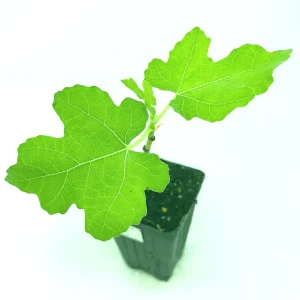
Magnolia Fig (Ficus carica) Live Starter Plant 4+ Inches – Edible Fruit Tree
Original price was: $47.96.$23.98Current price is: $23.98.
Cultivate your own sweet fruit with this magnolia fig live plant. This Ficus carica starter plant is 4+ inches tall, ready for planting indoors or outdoors, and known for producing delicious, edible fig tree fruits. Perfect for those interested in growing fig trees.
-
USDA Hardiness Zone
USDA zones 8-10 (can be grown in 7 with protection) -
Soil Type
Well-draining, fertile loam -
Sunlight Exposure
Full sun (6-8 hours direct light) -
Expected Planting Period
Year-round indoors, spring to early summer outdoors

You can track your order HERE
Mar 02
Mar 07 - Mar 09
Mar 12 - Mar 16
Shipping and return policies: Our Alive & Thrive Guarantee covers issues with your plants within the first 30 days. Reach out to us. Our team will answer your questions and help you find the plants that are truly suitable for your environment, climate, and personal preferences.

Overview
Bring the joy of fresh, homegrown fruit to your garden or patio with a magnolia fig live plant. This delightful variety of Ficus carica is renowned for its sweet, flavorful figs and its relatively easy cultivation, making it a fantastic choice for both novice and experienced gardeners. Our starter plant, measuring 4+ inches, provides a robust foundation for your future fig tree. The Magnolia Fig is a vigorous grower that can adapt to various climates, offering the promise of delicious harvests. Whether you’re dreaming of fresh figs for snacking, baking, or preserves, this ficus carica starter is your first step towards a bountiful yield. Its lush foliage also adds an attractive, Mediterranean touch to any landscape or container garden.
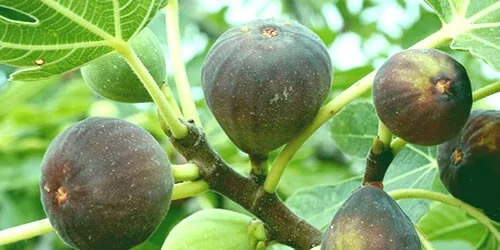
The Ficus carica, commonly known as the common fig, is a species of flowering plant in the mulberry family, native to the Mediterranean and western Asia. It has been cultivated since ancient times and is now widely grown throughout the world, both for its fruit and as an ornamental plant. The Magnolia Fig specifically is prized for its large, sweet fruits that ripen from green to a rich purple hue, offering a delectable treat straight from the branch. This edible fig tree is designed to thrive and produce, providing a rewarding experience for those passionate about growing fig trees.
Key Benefits
Investing in a magnolia fig live plant offers a multitude of benefits, from delicious harvests to aesthetic appeal. This versatile fruit tree is a wonderful addition to any home garden or landscape:
- Delicious Edible Fruit: Enjoy a steady supply of sweet, juicy figs directly from your own tree. The Magnolia Fig is known for its excellent flavor, perfect for fresh eating, jams, or desserts. Growing your own ensures peak freshness and organic quality.
- Adaptable Growth: This fig variety is highly adaptable and can be grown in a wide range of climates, both indoors in containers and outdoors in the ground. It tolerates various soil conditions and can be pruned to maintain a manageable size, making it suitable for different garden setups.
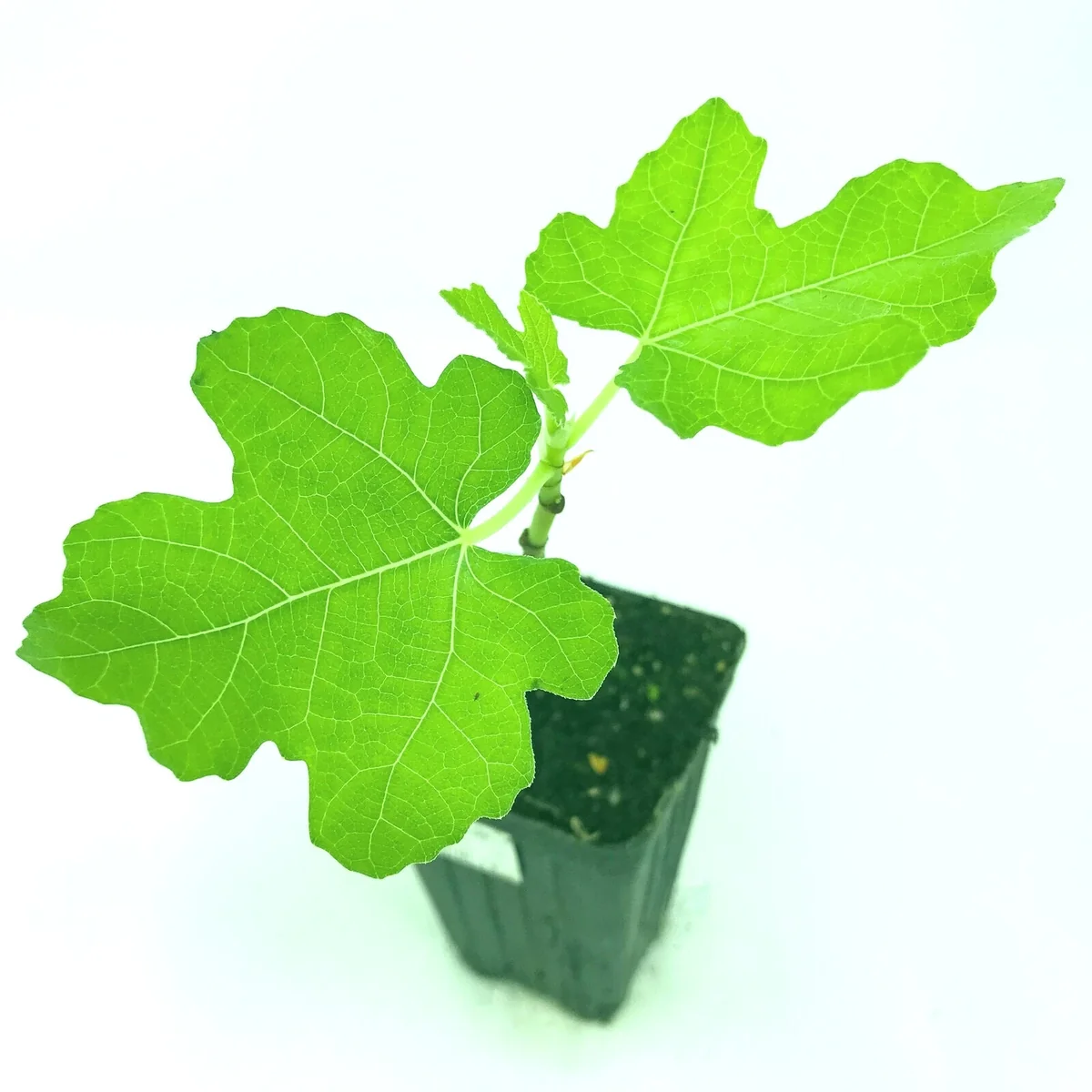
- Attractive Foliage: Beyond its fruit, the fig tree features large, lobed leaves that provide a lush, tropical aesthetic. It makes an attractive ornamental plant, adding beauty and shade to your outdoor space or a striking focal point indoors.
- Low Maintenance: Once established, the edible fig tree is relatively low maintenance. It’s drought-tolerant and generally resistant to pests and diseases, requiring minimal intervention to thrive, especially when you follow proper fig plant care guidelines.
- Health Benefits: Figs are a healthy snack, rich in fiber, vitamins, and minerals. Having a fig tree at home encourages a nutritious diet and provides easy access to these beneficial fruits.
- Long Lifespan: Fig trees are known for their longevity, often producing fruit for many decades. This means your initial investment in a ficus carica starter will provide many years of enjoyment and delicious harvests.
- Container Friendly: For gardeners with limited space or those in colder climates, the Magnolia Fig can be successfully grown in large containers, allowing it to be moved indoors during winter months. This flexibility makes growing fig trees accessible to almost anyone.
Plant Care & Growing Tips
Proper fig plant care is essential for a healthy and productive magnolia fig live plant. These resilient trees are relatively easy to grow, but understanding their specific needs will ensure a bountiful harvest. For sunlight, fig trees thrive in full sun, meaning at least 6-8 hours of direct sunlight per day. If growing indoors, place your plant near a south-facing window or supplement with a grow light. Outdoor fig trees should be planted in a location that receives ample sun throughout the day. While they appreciate warmth, protection from extreme afternoon sun in very hot climates can prevent leaf scorch.
Watering is crucial, especially for young plants and those grown in containers. Keep the soil consistently moist but never waterlogged. Allow the top inch or two of soil to dry out between waterings. Overwatering can lead to root rot, so good drainage is paramount. For outdoor plants, deep watering once or twice a week during dry periods is usually sufficient. Indoor plants may require more frequent watering depending on humidity and pot size. The ideal soil for a ficus carica starter is well-draining, fertile loam with a pH between 6.0 and 6.5. Amend heavy clay soils with organic matter to improve drainage, and sandy soils to enhance water retention. Good drainage is key to preventing root issues.
Fig trees are typically hardy in USDA zones 8-10, though some varieties, like the Magnolia Fig, can be grown in zone 7 with winter protection. In colder climates, container growing is recommended so the plant can be moved indoors before the first frost. Fertilize your edible fig tree with a balanced fertilizer (e.g., 8-8-8 or 10-10-10) in early spring and again in mid-summer. Avoid high-nitrogen fertilizers, which can promote leafy growth at the expense of fruit production. Pruning should be done in late winter or early spring while the tree is dormant to maintain shape, remove dead or crossing branches, and encourage fruit production on new wood. Common problems include fig rust and fig mosaic virus, which can be managed with proper sanitation and appropriate treatments. Watch for pests like spider mites and scale, especially on indoor plants, and treat promptly with horticultural oils or insecticidal soaps.
Size & Details
This offering is for a magnolia fig live plant that is a healthy starter, measuring 4+ inches in height. These young plants are typically shipped either bare root or unpotted to ensure safe transit and reduce shipping costs, ready for you to pot or plant directly into your garden. The growth rate of the Magnolia Fig is moderate to fast, and with proper care, it can reach mature heights of 10-20 feet when planted in the ground, though it can be kept smaller through pruning or by growing it in a container. When grown in a container, the mature size is usually around 6-10 feet tall, making it a versatile option for various garden sizes and indoor spaces. Expect your ficus carica starter to begin producing fruit within 2-3 years, with more significant harvests developing as the tree matures. The fruits typically ripen in the summer, offering a delightful seasonal treat. This edible fig tree is an excellent long-term investment for any fruit enthusiast.
Frequently Asked Questions
- Q: How big does this Magnolia Fig plant get? A: When planted in the ground, a magnolia fig live plant can reach heights of 10-20 feet, but its size can be managed through regular pruning. If grown in a large container, it typically stays smaller, around 6-10 feet tall.
- Q: What size pot does it come in? A: This is a starter plant measuring 4+ inches. It typically ships bare root or unpotted, meaning it will require potting into a suitable container or planting directly into the ground upon arrival.
- Q: Is this an indoor or outdoor plant? A: The Magnolia Fig is versatile. It can thrive outdoors in USDA zones 8-10. In colder climates (zone 7 and below), it is best grown in a container and moved indoors during the winter months, making it suitable for both indoor and outdoor cultivation depending on your climate.
- Q: How much sunlight does it need? A: For optimal fruit production and health, your edible fig tree requires at least 6-8 hours of direct sunlight per day. Choose a sunny location outdoors or a bright, south-facing window if growing indoors.
- Q: Is this plant easy to care for? A: Yes, fig trees, including this ficus carica starter, are generally considered low-maintenance once established. They are relatively drought-tolerant and resistant to many common pests and diseases, making them a good choice for beginners interested in growing fig trees.
- Q: What condition will it arrive in? A: Your magnolia fig live plant will arrive as a healthy, dormant or semi-dormant starter plant, carefully packaged to ensure its safety during transit. It will be ready for immediate planting or potting.
- Q: Can I use Magnolia Figs in cooking? A: Absolutely! Magnolia Figs produce delicious, sweet fruit perfect for fresh eating, baking, making jams and preserves, or adding to salads and cheese boards. They are a highly sought-after culinary ingredient.
- Q: How long until it produces fruit? A: With proper fig plant care, you can typically expect your Magnolia Fig to start producing fruit within 2-3 years after planting. Production will increase as the tree matures.
- Q: What’s the minimum temperature this fig tree can tolerate? A: The Magnolia Fig, like most Ficus carica varieties, can tolerate temperatures down to about 10-15°F (-12 to -9°C) in the ground, especially if mulched. For sustained freezing temperatures, it’s best to bring container-grown plants indoors or provide significant winter protection for outdoor plants.
- Q: Is this fig plant drought-tolerant? A: Yes, once established, fig trees are known for their drought tolerance. However, consistent watering, especially during fruit development, will result in larger and juicier figs.
Be the first to review “Magnolia Fig (Ficus carica) Live Starter Plant 4+ Inches – Edible Fruit Tree”
People Also Viewed
Sold 100 products
Original price was: $45.98.$22.99Current price is: $22.99.
Sold 84 products
Original price was: $23.98.$19.18Current price is: $19.18.
Vegetable Seeds
Rainbow Blend Carrot Seeds – Heirloom, Non-GMO Vegetable Garden Seeds Indoor/Outdoor
Sold 81 products
Original price was: $9.96.$4.98Current price is: $4.98.

Sold 82 products
Original price was: $147.16.$73.58Current price is: $73.58.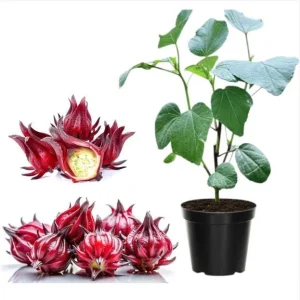
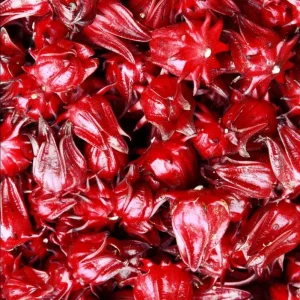
Herbs
Roselle Hibiscus Live Plant – Jamaican Sorrel for Planting – 8-12 Inch Tall – 2 Plants per Pot
Sold 95 products
Original price was: $42.99.$22.99Current price is: $22.99.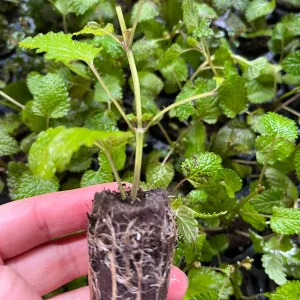
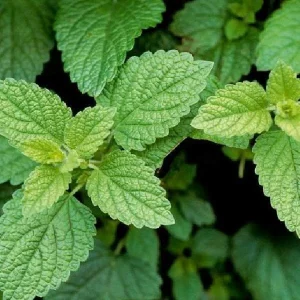
Sold 55 products
Original price was: $27.96.$13.98Current price is: $13.98.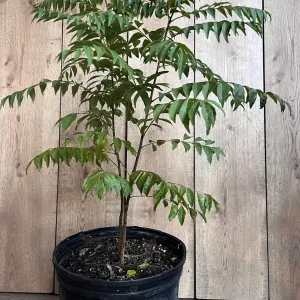
Sold 92 products
Original price was: $214.96.$128.98Current price is: $128.98.
Sold 58 products
Original price was: $28.99.$18.99Current price is: $18.99.
Sold 98 products
Original price was: $26.76.$13.38Current price is: $13.38.
Sold 63 products
Original price was: $28.99.$8.99Current price is: $8.99.
Sold 61 products
Original price was: $182.76.$91.38Current price is: $91.38.
Sold 68 products
From $50.00
Sold 62 products
Original price was: $45.96.$22.98Current price is: $22.98.
Sold 99 products
Original price was: $71.98.$35.99Current price is: $35.99.
Sold 52 products
Original price was: $65.98.$32.99Current price is: $32.99.
Sold 87 products
Original price was: $75.96.$37.98Current price is: $37.98.
Sold 86 products
Original price was: $29.99.$19.99Current price is: $19.99.
Sold 61 products
Original price was: $41.99.$21.99Current price is: $21.99.


Reviews
There are no reviews yet.