
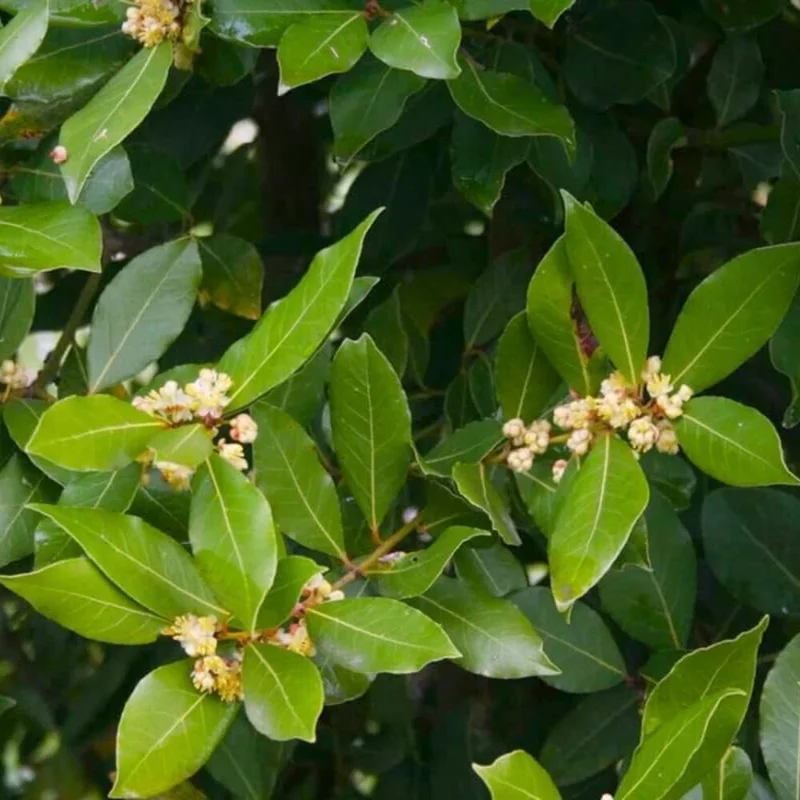
Laurus Nobilis Sweet Bay Laurel Live Plant 5-7 Inches Tall – Indoor/Outdoor Bay Leaf Tree
$27.59
Cultivate your own aromatic herbs with this vibrant bay leaf live plant (Laurus Nobilis). Standing 5-7 inches tall, this sweet bay laurel tree is perfect for adding fresh flavor to your dishes. It thrives both indoors and outdoors, bringing a touch of Mediterranean charm to your home or garden. Easy to care for, this Laurus Nobilis plant is a delightful addition for any culinary enthusiast.
-
USDA Hardiness Zone
USDA zones 8-11 -
Soil Type
Well-draining loam, sand, silt, or clay -
Sunlight Exposure
Full sun to medium sun -
Expected Planting Period
Year-round indoors, spring to early summer outdoors

You can track your order HERE
Nov 22
Nov 27 - Nov 29
Dec 02 - Dec 06
Shipping and return policies: Our Alive & Thrive Guarantee covers issues with your plants within the first 30 days. Reach out to us. Our team will answer your questions and help you find the plants that are truly suitable for your environment, climate, and personal preferences.

Overview
Bring the timeless elegance and culinary versatility of the Mediterranean into your home or garden with a bay leaf live plant. This particular offering features a healthy Laurus Nobilis, commonly known as Sweet Bay Laurel, standing approximately 5-7 inches tall. Renowned for its fragrant, glossy green leaves, the bay leaf tree is a must-have for any aspiring chef or gardener. The leaves are a staple in various cuisines worldwide, imparting a subtle, aromatic flavor to soups, stews, sauces, and roasts. Beyond its kitchen uses, the sweet bay laurel tree is also cherished for its ornamental appeal, with its dense foliage and classic upright growth habit. This resilient and beautiful plant can be grown in containers, making it suitable for patios, balconies, or even as an indoor houseplant in colder climates. Its adaptability makes it a rewarding choice for both novice and experienced plant enthusiasts looking to add a touch of sophistication and utility to their green spaces. The vibrant green leaves and potential for small yellow flowers make it an attractive feature year-round.
Our Laurus Nobilis plant arrives as a healthy seedling, ready to be nurtured into a flourishing specimen. Bay laurel trees are relatively slow-growing but long-lived, offering years of fresh leaves and visual enjoyment. This plant is a fantastic way to ensure a constant supply of fresh bay leaves, which are far more potent and flavorful than their dried counterparts. Whether you envision it as a fragrant accent in your kitchen, a structured element in your outdoor garden, or a lovely container plant on your deck, this bay leaf live plant is an excellent choice. Its deep green foliage provides a beautiful contrast against other plants, and its classic form can be easily pruned and shaped to fit various aesthetic preferences. Embrace the joy of growing your own herbs and enjoy the rich history and practical benefits of this magnificent plant.
Key Benefits
The bay leaf live plant offers a multitude of benefits, from culinary enhancement to ornamental beauty. Its presence can enrich both your cooking and your living environment. Cultivating your own bay laurel provides a sustainable source of fresh, flavorful leaves, elevating everyday meals into gourmet experiences.
- Culinary Excellence: Fresh bay leaves from your sweet bay laurel tree provide a more intense and complex flavor than dried leaves, perfect for enhancing stews, soups, sauces, and roasts. Having a continuous supply means you can always add that special touch to your cooking.
- Aromatic Foliage: The glossy, dark green leaves release a delightful, distinctive aroma when bruised, adding a pleasant fragrance to your home or garden space. This natural perfume is both invigorating and calming.
- Versatile Growth: This Laurus Nobilis plant thrives both indoors as a potted houseplant and outdoors in suitable climates, offering flexibility in where you choose to grow it. It adapts well to various settings, from sunny patios to bright indoor spots.
- Ornamental Appeal: With its elegant, upright growth and rich green foliage, the bay leaf live plant serves as a beautiful decorative element, adding a classic, sophisticated touch to any garden or interior design. It can be easily shaped and pruned for formal or informal looks.
- Low Maintenance: Once established, the sweet bay laurel tree is relatively easy to care for, requiring moderate watering and sunlight. It’s a forgiving plant that rewards consistent, basic attention with lush growth.
- Air Purification: Like many houseplants, the bay laurel can contribute to improved indoor air quality by absorbing toxins and releasing oxygen, creating a healthier living environment.
- Symbolic Significance: Historically, bay laurel has been a symbol of victory, honor, and achievement, adding a layer of cultural richness to your plant collection.
Plant Care & Growing Tips
Caring for your bay leaf live plant is straightforward, making it an excellent choice for gardeners of all experience levels. Providing the right conditions will ensure a healthy and productive sweet bay laurel tree for years to come. Start by selecting an appropriate location that meets its light requirements.
Sunlight: The Laurus Nobilis plant prefers full sun to partial shade. If growing indoors, place it in a spot where it receives at least 6 hours of bright, indirect light daily, such as near a south or west-facing window. Outdoors, it can tolerate full sun, especially in cooler climates, but may benefit from some afternoon shade in hotter regions to prevent leaf scorch. Ensure good air circulation around the plant. Too little light can lead to leggy growth and reduced leaf fragrance. Rotate indoor plants periodically to ensure even growth.
Watering: Water thoroughly when the top inch of soil feels dry to the touch. The bay leaf live plant prefers consistently moist but not waterlogged soil. Overwatering can lead to root rot, so ensure excellent drainage. During active growth periods (spring and summer), it will require more frequent watering. Reduce watering frequency in the cooler months. Always check soil moisture before watering. A good rule of thumb is to water until you see water draining from the bottom of the pot, then discard any excess water in the saucer.
Soil: Plant your sweet bay laurel tree in well-draining soil. A good quality potting mix amended with sand or perlite to improve drainage is ideal for container growing. For outdoor planting, ensure your garden soil is not heavy clay; amend with organic matter to improve drainage and fertility. The ideal soil pH is slightly acidic to neutral (6.0-7.0). Good drainage is paramount to prevent fungal issues and root rot, which bay laurels are susceptible to if kept too wet.
Temperature & Hardiness: Laurus Nobilis is generally hardy in USDA Zones 8-11. In colder zones, it should be grown in containers and brought indoors before the first frost. Indoors, it thrives in average room temperatures (60-75°F / 15-24°C). Protect it from extreme cold and sudden temperature drops. Avoid placing it near drafts from windows or heating vents, which can stress the plant. Young plants are more sensitive to cold than established ones, so extra protection is advisable during winter.
Fertilization: Feed your Laurus Nobilis plant with a balanced liquid fertilizer every 4-6 weeks during the growing season (spring and summer). Reduce or cease fertilization during fall and winter when growth slows. Avoid over-fertilizing, which can lead to salt buildup in the soil and potentially harm the roots. Always follow the manufacturer’s instructions for dilution rates.
Pruning: Prune your bay leaf live plant to maintain its shape and size, and to encourage bushier growth. This is best done in late spring or early summer after any potential flowering. You can also harvest leaves regularly for culinary use, which acts as a form of light pruning. Remove any dead, damaged, or crossing branches to improve air circulation and plant health. Regular pruning helps to shape the plant into a desirable form, whether a small shrub or a standard tree.
Size & Details
This offering is for a vibrant bay leaf live plant, specifically a Laurus Nobilis plant, which typically measures 5-7 inches in height from the top of the soil. It arrives as a healthy seedling, ready for transplanting into a larger pot or your garden. The plant is shipped with care to ensure its safe arrival, ready to continue its growth in your chosen environment. While the exact growth rate can vary based on conditions, the Sweet Bay Laurel is known for its medium growth rate, slowly developing into a beautiful and productive specimen. Expect your plant to gradually increase in size, providing more leaves for harvest over time. With proper care, this young plant will mature into a robust sweet bay laurel tree, offering a continuous supply of aromatic leaves. The initial size makes it perfect for starting as an indoor plant before potentially transitioning outdoors as it grows larger and more established, particularly in warmer climates.
Frequently Asked Questions
- Q: How big does this bay leaf live plant get? A: This particular plant is 5-7 inches tall upon arrival. With proper care, a Laurus Nobilis can grow into a large shrub or small tree, reaching heights of 10-20 feet outdoors. When grown in a pot, its size can be controlled through pruning.
- Q: Is this an indoor or outdoor plant? A: The sweet bay laurel tree is versatile and can be grown both indoors and outdoors. In USDA Zones 8-11, it thrives outdoors year-round. In colder climates, it is best grown in a container and brought indoors during the winter months.
- Q: How much sunlight does my Laurus Nobilis plant need? A: Bay laurel plants prefer full sun to partial shade, ideally receiving at least 6 hours of bright, indirect light daily when indoors, or direct sunlight when outdoors. Ensure it’s protected from intense afternoon sun in very hot climates.
- Q: Is this plant easy to care for? A: Yes, the bay leaf live plant is considered relatively easy to care for once established. It requires consistent watering, well-draining soil, and adequate sunlight. Regular pruning helps maintain its shape and encourages healthy growth.
- Q: What condition will the plant arrive in? A: Your Laurus Nobilis plant will arrive as a healthy, live seedling, carefully packaged to minimize stress during transit. It will be ready for immediate planting upon arrival.
- Q: Can I use the leaves from this sweet bay laurel tree for cooking? A: Absolutely! The leaves of Laurus Nobilis are edible and are widely used as a culinary herb. They add a distinctive, aromatic flavor to a variety of dishes, including soups, stews, and sauces.
- Q: How often should I water my bay laurel care plant? A: Water your bay laurel when the top inch of soil feels dry to the touch. It’s important to keep the soil consistently moist but never waterlogged. Watering frequency will depend on factors like temperature, humidity, and pot size.
- Q: What type of soil is best for a Laurus Nobilis plant? A: A well-draining potting mix is essential. You can amend regular potting soil with perlite or sand to improve drainage. For outdoor planting, ensure your garden soil is not heavy clay and has good organic content.
- Q: When is the best time to plant this bay leaf live plant? A: You can plant your bay leaf plant at any time of year if growing indoors. If planting outdoors in suitable zones, spring or early summer is generally ideal, allowing the plant to establish itself before extreme weather.
- Q: Is the sweet bay laurel tree susceptible to any common pests or diseases? A: Bay laurel is generally robust, but can occasionally be affected by pests like scale insects or mealybugs, especially when grown indoors. Ensuring good air circulation and inspecting your plant regularly can help prevent issues. Root rot can occur if soil is consistently waterlogged.





















Reviews
There are no reviews yet.