
Kabocha Squash Live Plant – 4 Inch Pot, 6 Inches Tall, Japanese Winter Squash, Outdoor
$29.98
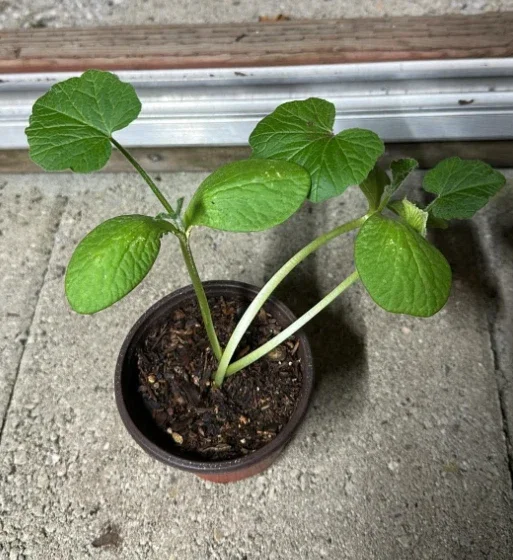
Cultivate your own flavorful Kabocha Squash live plant. This robust Japanese winter squash plant arrives potted in a 4-inch container, approximately 6 inches tall, ready to thrive outdoors. Enjoy fresh, sweet squash from your own garden.
-
USDA Hardiness Zone
USDA zones 3-9 (as an annual) -
Soil Type
Loamy, well-draining soil -
Sunlight Exposure
Full Sun -
Expected Planting Period
Spring to early summer (after last frost)

You can track your order HERE
Nov 29
Dec 04 - Dec 06
Dec 09 - Dec 13
Shipping and return policies: Our Alive & Thrive Guarantee covers issues with your plants within the first 30 days. Reach out to us. Our team will answer your questions and help you find the plants that are truly suitable for your environment, climate, and personal preferences.

Overview
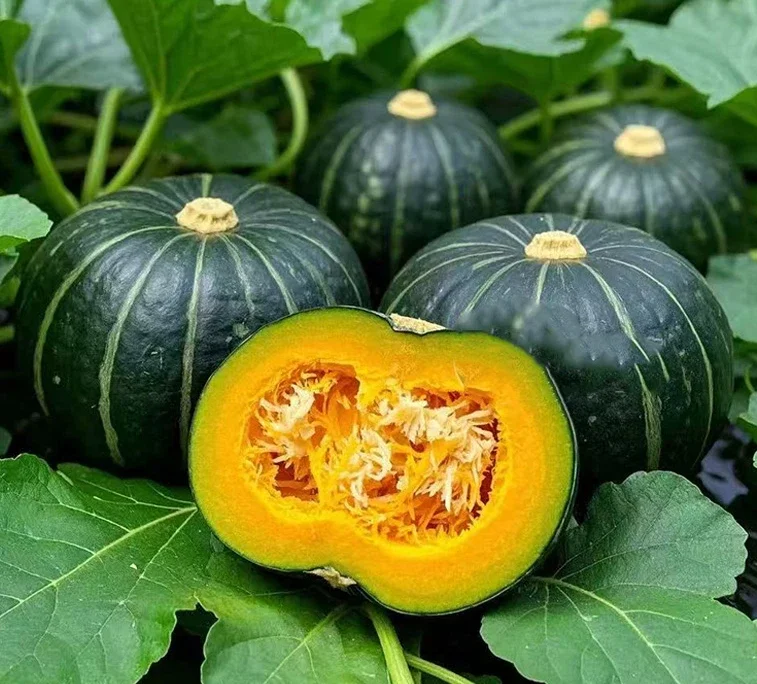
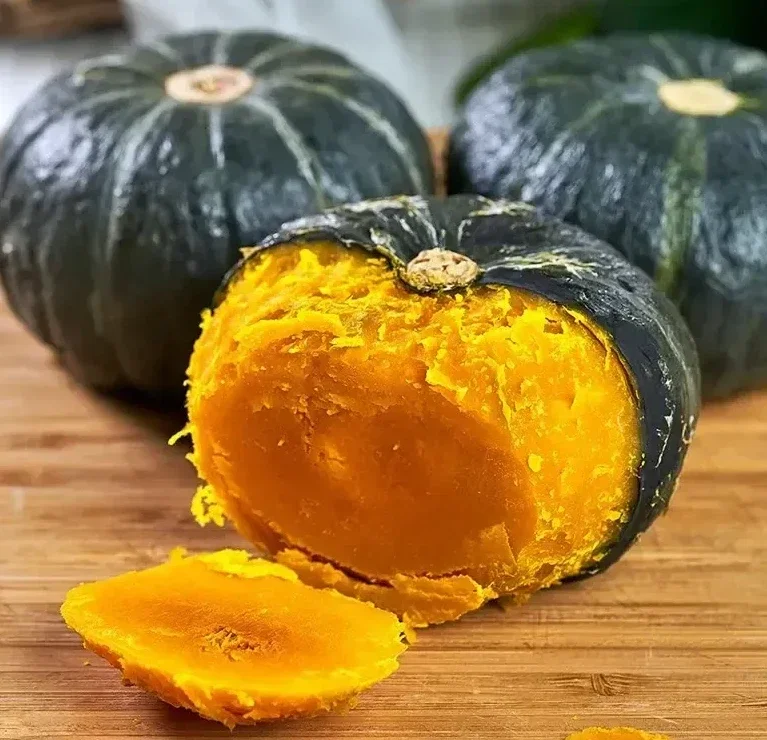
Bring the taste of fresh, homegrown produce to your table with this vibrant Kabocha Squash live plant. Known for its sweet, nutty flavor and dense texture, Kabocha squash is a beloved Japanese winter squash variety that is incredibly versatile in the kitchen. This healthy live plant comes ready to be transplanted into your garden, providing you with a head start on a bountiful harvest. Often referred to simply as ‘Kabocha,’ this variety is cherished by gardeners and chefs alike for its delicious fruit and vigorous growth habit. Enjoy the satisfaction of nurturing your own food from seedling to harvest.
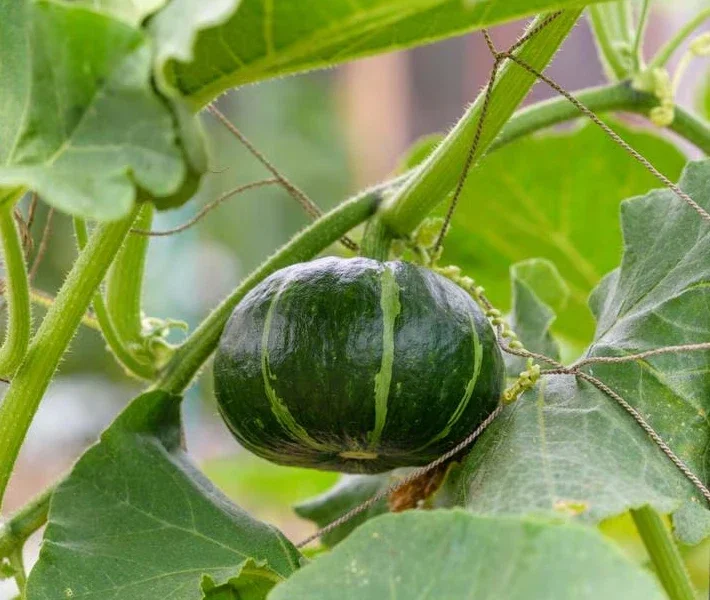
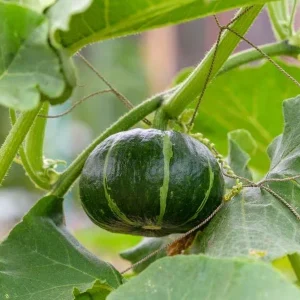
The Kabocha Squash live plant is a fantastic addition to any outdoor garden. It’s a climbing plant, meaning it will happily grow vertically with proper support, saving space and producing beautiful green fruits. Whether you’re an experienced gardener or just starting out, growing Kabocha squash is a rewarding experience that yields delicious results. This particular plant is approximately 6 inches tall and comes nestled in a 4-inch pot, ensuring it has a strong root system ready for its new home.
Key Benefits
Growing your own Kabocha Squash live plant offers numerous advantages, from fresh produce to the joy of gardening:
- Fresh, Organic Produce: Enjoy the unparalleled flavor of freshly harvested Kabocha squash, free from pesticides and chemicals, right from your backyard.
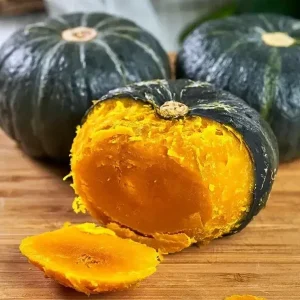
- Culinary Versatility: Kabocha squash is incredibly versatile, perfect for roasting, soups, curries, and even desserts, adding a naturally sweet and earthy taste to your meals.
- Space-Saving Growth: As a climbing squash plant, it can be trained on trellises or stakes, making efficient use of garden space, especially in smaller gardens.
- Nutrient-Rich Harvest: Kabocha is packed with vitamins A and C, fiber, and antioxidants, contributing to a healthy diet.
- Rewarding Gardening Experience: Witnessing the growth from a small plant to a fruit-bearing vine is immensely satisfying, making growing Kabocha squash a fulfilling hobby.
- Attractive Garden Addition: The lush green foliage and developing squash fruits add a beautiful, natural aesthetic to your outdoor living space.
- Strong Start: Arrives as a healthy, established Kabocha Squash live plant in a 4-inch pot, reducing the initial growth time compared to starting from seed.
Plant Care & Growing Tips
Caring for your Kabocha Squash live plant is straightforward, leading to a successful harvest with proper attention. This Japanese winter squash thrives in conditions that mimic its natural vigorous growth. For optimal growth, ensure your plant receives ample sunlight, consistent watering, and nutrient-rich soil.
Sunlight Requirements: Kabocha squash requires full sun, meaning at least 6-8 hours of direct sunlight per day. Choose a location in your garden that receives unobstructed sun exposure throughout the day. In extremely hot climates, some afternoon shade can be beneficial to prevent scorching, but generally, more sun equals more fruit. Watering Schedule: Keep the soil consistently moist, especially during flowering and fruit development. Water deeply at the base of the plant, avoiding overhead watering to prevent fungal diseases. A good rule of thumb is to water when the top inch of soil feels dry to the touch. During hot, dry spells, daily watering may be necessary. Soil Type and Drainage: This plant prefers rich, well-draining loam soil with a neutral pH (6.0-7.0). Amend heavy clay soils with compost and sand to improve drainage and fertility. Good drainage is crucial to prevent root rot. Temperature Range and USDA Hardiness Zone: Kabocha squash is a warm-season crop and is sensitive to frost. It thrives in temperatures between 65-85°F (18-29°C). It is typically grown as an annual in most USDA zones, planted after all danger of frost has passed in spring. For specific zones, it’s best grown in USDA zones 3-9 during the warm growing season. Fertilization Schedule: Incorporate a balanced slow-release fertilizer into the soil at planting time. Once the plant begins to flower and set fruit, you can apply a liquid fertilizer high in phosphorus and potassium every 2-4 weeks to encourage fruit production. Avoid excessive nitrogen, which can lead to lush foliage but fewer fruits. Common Problems and Solutions: Watch out for powdery mildew, a common fungal disease that appears as white powdery spots on leaves. Ensure good air circulation and avoid overhead watering to prevent it. Squash bugs and vine borers are common pests; inspect plants regularly and remove pests manually or use organic pest control methods if necessary. Proper plant care for your Kabocha Squash live plant will yield a delicious harvest.
Size & Details
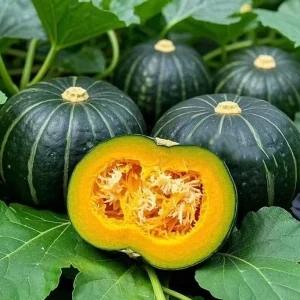
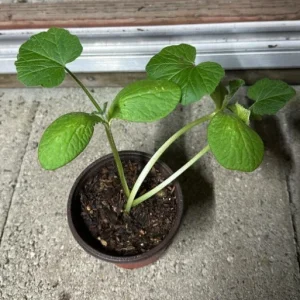
Your Kabocha Squash live plant arrives as a healthy, established plant in a 4-inch nursery pot, providing a robust start for your garden. At the time of shipping, the plant typically stands about 6 inches tall, with a strong root system ready for transplanting. This particular variety is a climbing squash plant, meaning it will produce long vines that can reach lengths of 10-20 feet or more when mature, especially with proper support like a trellis or fence. The fruits themselves are generally small to medium-sized, weighing between 2-4 pounds each, with dark green skin that often has irregular light green stripes or spots.
Once planted in its permanent outdoor location and given optimal growing conditions, the Japanese winter squash will grow rapidly. You can expect to see flowers within 60-70 days and mature fruits ready for harvest approximately 80-100 days after transplanting. The plant will produce multiple fruits throughout the growing season, offering a continuous supply of delicious squash. The compact size of the plant upon arrival makes it easy to handle and transplant, ensuring a smooth transition to your garden.
Frequently Asked Questions
- Q: How big does this plant get? A: This Kabocha Squash live plant is a climbing variety and its vines can grow quite long, typically 10-20 feet. The fruits usually weigh between 2-4 pounds each. Provide a trellis or other support for best results.
- Q: What size pot does it come in? A: The Kabocha Squash live plant will arrive in a 4-inch nursery pot, approximately 6 inches tall, with a well-developed root system ready for planting.
- Q: Is this an indoor or outdoor plant? A: This is an outdoor plant that thrives in full sun. It is a warm-season vegetable and should be planted after all danger of frost has passed in the spring.
- Q: How much sunlight does it need? A: For optimal growth and fruit production, your Kabocha Squash live plant requires at least 6-8 hours of direct sunlight per day.
- Q: Is this plant easy to care for? A: Yes, growing Kabocha squash is relatively easy for most gardeners. It primarily needs consistent watering, full sun, and good soil. Providing support for its climbing habit is also beneficial.
- Q: What condition will it arrive in? A: Your Kabocha Squash live plant will arrive as a healthy, vibrant plant, carefully packaged to ensure its safety during transit. It will be rooted in its 4-inch pot.
- Q: Can I use Kabocha squash in cooking? A: Absolutely! Kabocha squash is renowned for its sweet, nutty flavor and is excellent for roasting, making soups, curries, and even baking into pies. It’s a versatile Japanese winter squash.
- Q: How long until it produces fruit? A: After transplanting your Kabocha Squash live plant, you can typically expect to see mature fruits ready for harvest in about 80-100 days, though this can vary with growing conditions.
- Q: Will it survive winter in my zone? A: Kabocha squash is an annual plant in most climates and will not survive frost. It should be planted in spring after the last frost date and harvested before the first hard frost of autumn.
- Q: What type of soil is best for Kabocha Squash? A: This plant prefers rich, well-draining loam soil with a neutral pH. Amending your garden soil with compost will significantly improve its fertility and drainage for your Kabocha Squash live plant.
Be the first to review “Kabocha Squash Live Plant – 4 Inch Pot, 6 Inches Tall, Japanese Winter Squash, Outdoor”
People Also Viewed
HousePlants
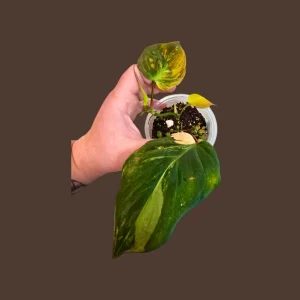
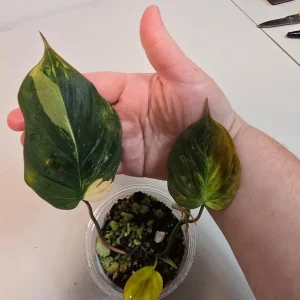
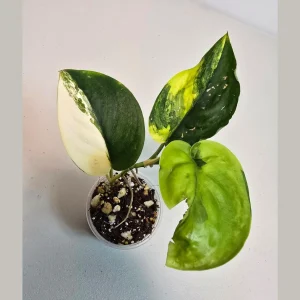
Variegated Philodendron Mican Aurea Live Plant – Rare Collector Houseplant in Nursery Pot
Sold 60 products
Original price was: $220.00.$110.00Current price is: $110.00.
HousePlants
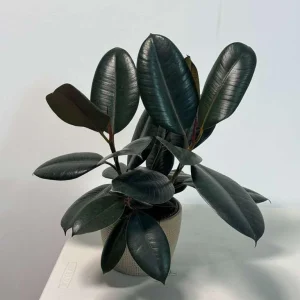
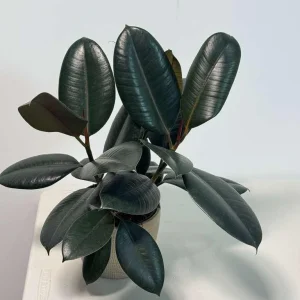
Rubber Tree in 6″ Pot – Burgundy Ficus Elastica – Live Indoor Rubber Plant for Home & Office Decor
Sold 60 products
Original price was: $71.96.$35.98Current price is: $35.98.

HousePlants
Philodendron Strawberry Shake Live Plant – Rare Pink Variegation – Indoor Collector Plant
Sold 89 products
Original price was: $260.00.$130.00Current price is: $130.00.
Sold 64 products
Original price was: $140.00.$70.00Current price is: $70.00.





Reviews
There are no reviews yet.