
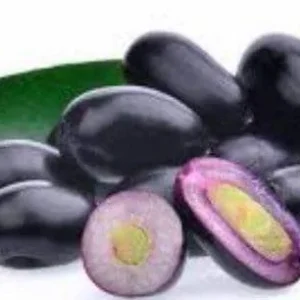
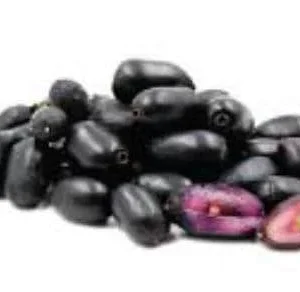
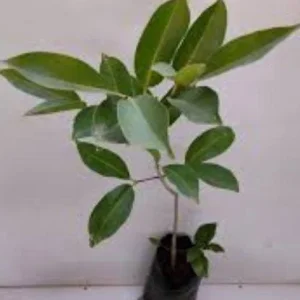
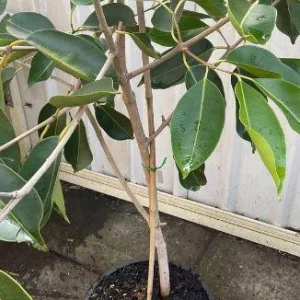
Java Plum Live Plant (1-2ft) – Syzygium cumini – 1 Gallon Pot – Black Malabar Fruit Tree
Original price was: $91.98.$79.98Current price is: $79.98.
Bring home a vibrant Java Plum live plant (Syzygium cumini), standing 1-2ft tall in a 1-gallon pot. Also known as Jamun or Black Plum, this tropical fruit tree offers delicious, nutritious berries and attractive foliage, making it a wonderful addition to your garden or patio.
-
USDA Hardiness Zone
USDA zones 9-11 -
Soil Type
Well-draining, fertile, slightly acidic to neutral (pH 6.0-7.0) -
Sunlight Exposure
Full sun (6-8 hours direct light) -
Expected Planting Period
Spring to early summer

You can track your order HERE
Sep 16
Sep 21 - Sep 23
Sep 26 - Sep 30
Shipping and return policies: Our Alive & Thrive Guarantee covers issues with your plants within the first 30 days. Reach out to us. Our team will answer your questions and help you find the plants that are truly suitable for your environment, climate, and personal preferences.

Overview
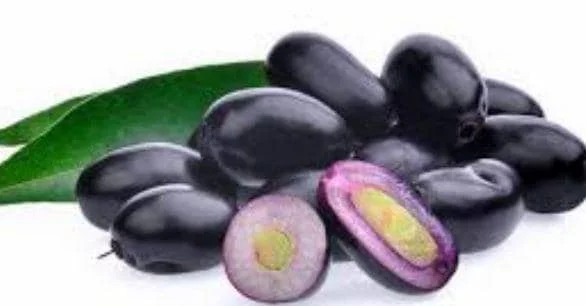
Introduce an exotic touch to your garden with the beautiful Java Plum live plant (Syzygium cumini). Often referred to as Jamun, Black Plum, or Malabar Plum, this tropical fruit tree is cherished for its sweet and tangy, purplish-black fruits. Our healthy Java Plum live plant arrives approximately 1-2ft tall, thoughtfully cultivated in a 1-gallon nursery pot, ready to thrive in its new environment. Native to the Indian subcontinent, Southeast Asia, and Australia, the Jamun tree is not only a source of delicious fruit but also boasts attractive, glossy green foliage, making it a visually appealing specimen in any landscape. It’s a fantastic choice for those looking to grow unique edible plants or add a touch of the tropics to their outdoor spaces.
The Syzygium cumini plant is known for its relatively fast growth rate and ability to adapt to various soil conditions once established. Its fruit, which ripens during the summer months, is highly valued for its distinctive flavor and numerous health benefits. Growing your own Black Plum tree allows you to enjoy fresh, organic fruit right from your backyard. This particular variety is chosen for its vigor and potential to produce a bountiful harvest. Whether you’re an experienced gardener or just starting, the Java Plum offers a rewarding and enriching growing experience.
Key Benefits
The Java Plum live plant offers a multitude of benefits, from its delicious fruit to its aesthetic appeal and ease of care. Adding this tropical gem to your collection can transform your garden into a productive and beautiful oasis.
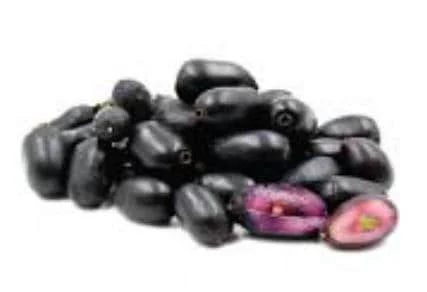
- Delicious and Nutritious Fruit: Enjoy the unique, sweet-tart flavor of fresh Jamun fruits, rich in vitamins and antioxidants. The Jamun fruit tree produces abundant crops of dark purple to black berries, perfect for fresh eating, juices, or preserves.
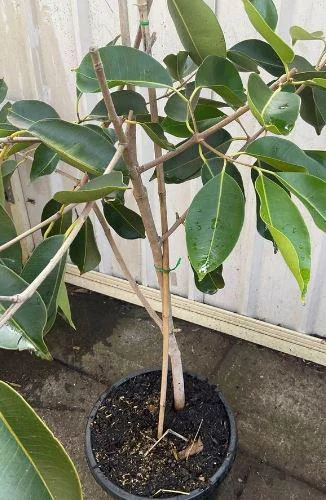
- Attractive Foliage: The glossy, evergreen leaves of the Syzygium cumini plant provide year-round beauty, offering a lush, tropical look to your garden or patio. Its dense canopy also provides welcome shade.
- Health Benefits: Jamun fruit is traditionally recognized for its potential health benefits, including aiding digestion and supporting overall well-being. Growing your own ensures you have access to fresh, chemical-free produce.
- Relatively Low Maintenance: Once established, the Black Plum tree is quite hardy and requires minimal care, making it suitable for gardeners of various skill levels. It’s relatively drought-tolerant and disease-resistant.
- Versatile Landscaping Tree: Can be grown as a standalone specimen, part of an edible landscape, or even in large containers in cooler climates if brought indoors during winter. Its moderate size makes it adaptable to many garden designs.
- Wildlife Attractor: The fruits are a favorite of local birds and other wildlife, adding life and activity to your garden ecosystem.
- Cultural Significance: The Malabar Plum care is a rewarding experience, connecting you to a plant with significant cultural and traditional value in many parts of the world.
Plant Care & Growing Tips
Successful cultivation of your Java Plum live plant begins with understanding its specific needs. This tropical tree thrives in warm climates and requires attention to its light, water, and soil conditions to ensure robust growth and fruit production.
For optimal growth, the Syzygium cumini plant prefers a location with full sun exposure, meaning at least 6-8 hours of direct sunlight per day. While young plants can tolerate some partial shade, mature trees will produce more fruit in full sun. When it comes to watering, consistent moisture is key, especially during dry periods and while the tree is establishing. Water deeply and regularly, allowing the top inch or two of soil to dry out slightly between waterings. Avoid overwatering, as this can lead to root rot. Good drainage is crucial. The Java Plum is typically hardy in USDA Zones 9-11, where it can be grown outdoors year-round. In cooler climates, it can be grown in large pots and moved indoors to a bright, protected location during the winter months.
The ideal soil for a Black Plum tree is well-draining, fertile, and slightly acidic to neutral (pH 6.0-7.0). A mix of loamy soil amended with organic matter will provide the best environment. Fertilize your Jamun fruit tree with a balanced, slow-release fertilizer formulated for fruit trees during the growing season (spring and summer), following the product’s instructions. Pruning is generally minimal, focusing on removing dead or diseased branches and shaping the tree for better air circulation and fruit accessibility. Keep an eye out for common pests like aphids or scale insects, and treat promptly with organic insecticidal soap if necessary. Proper Malabar Plum care ensures a healthy, productive tree for years to come.
Size & Details
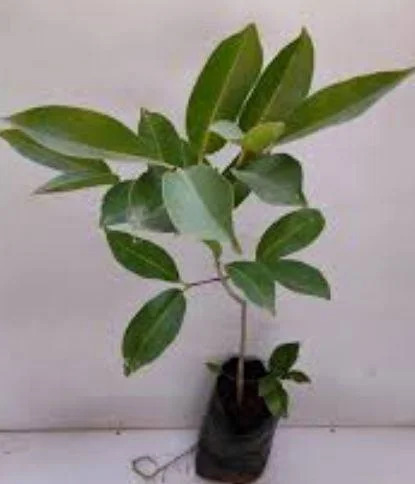
Our Java Plum live plant is carefully nurtured to reach a height of approximately 1-2 feet upon arrival, making it a perfect size for transplanting into your garden or a larger container. It comes established in a 1-gallon nursery pot, providing a strong root system ready for continued growth. The Syzygium cumini plant is known for its moderate to fast growth rate, typically maturing into a medium-sized tree, reaching heights of 20-40 feet when grown in ideal outdoor conditions. When container-grown, its size can be managed with regular pruning. Expect your tree to begin fruiting within 3-5 years from planting, with peak production occurring once the tree is more mature. The fruit ripens in late spring to early summer, offering a delightful seasonal harvest.
Frequently Asked Questions
- Q: How big does this Java Plum live plant get? A: This plant arrives approximately 1-2 feet tall in a 1-gallon pot. When mature and planted in the ground, a Jamun fruit tree can reach heights of 20-40 feet, though its size can be controlled with pruning in containers.
- Q: Is this an indoor or outdoor plant? A: The Syzygium cumini plant is primarily an outdoor tree in USDA Zones 9-11. In cooler climates, it can be grown outdoors during warm months and brought indoors as a container plant during winter.
- Q: How much sunlight does the Black Plum tree need? A: This tree thrives in full sun, requiring at least 6-8 hours of direct sunlight per day for optimal growth and fruit production.
- Q: Is this plant easy to care for? A: Yes, once established, the Malabar Plum care is relatively low maintenance. It requires consistent watering, good drainage, and occasional fertilization.
- Q: What condition will it arrive in? A: Your Java Plum live plant will arrive as a healthy, actively growing specimen, approximately 1-2 feet tall, securely rooted in its 1-gallon nursery pot, ready for planting.
- Q: How long until it starts producing fruit? A: A Jamun fruit tree typically begins to bear fruit within 3-5 years after planting, with fruit ripening in late spring to early summer.
- Q: What type of soil is best for a Syzygium cumini plant? A: It prefers well-draining, fertile soil with a slightly acidic to neutral pH (6.0-7.0). Amending with organic matter is beneficial.
- Q: Can I grow this Black Plum tree in a container? A: Yes, it can be successfully grown in a large container, especially in regions outside its hardiness zones, allowing you to move it indoors during cold weather.
- Q: Is the fruit edible? A: Absolutely! The Java Plum fruit is sweet and tangy, commonly eaten fresh, or used in juices, jams, and other culinary preparations.
- Q: What is the best time to plant this tree? A: The best time to plant your Java Plum live plant is in spring or early summer, after the last threat of frost, allowing it ample time to establish before cooler weather.
Be the first to review “Java Plum Live Plant (1-2ft) – Syzygium cumini – 1 Gallon Pot – Black Malabar Fruit Tree”
People Also Viewed
Sold 52 products
Original price was: $45.98.$32.18Current price is: $32.18.
Sold 53 products
Original price was: $39.96.$19.98Current price is: $19.98.

Sold 96 products
$109.98
Sold 83 products
Original price was: $36.00.$18.00Current price is: $18.00.
Sold 56 products
Original price was: $355.96.$177.98Current price is: $177.98.

Sold 75 products
Original price was: $62.36.$31.18Current price is: $31.18.
Fruits
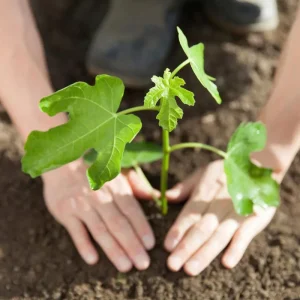
Brown Turkey Fig Tree Live Plant – 5-9″ Tall, Cold Hardy Zones 7-9, Sweet Double Harvest Fruit
Sold 58 products
$29.98
Sold 93 products
Original price was: $45.98.$32.18Current price is: $32.18.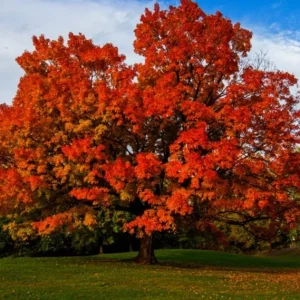
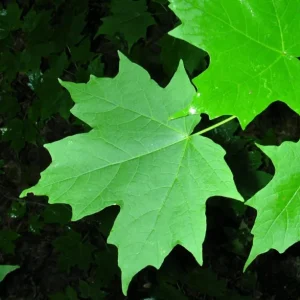
Trees
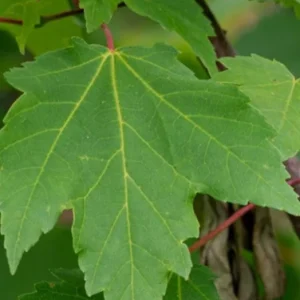
Sugar Maple Tree Live Plant – Acer saccharum – Brilliant Fall Color, 10-18″ Tall, Outdoor Shade Tree
Sold 63 products
Original price was: $37.98.$26.58Current price is: $26.58.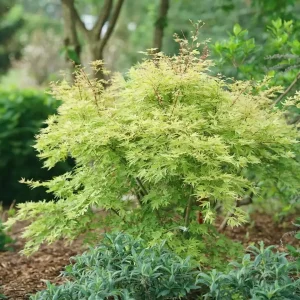

Sold 62 products
Original price was: $63.96.$31.98Current price is: $31.98.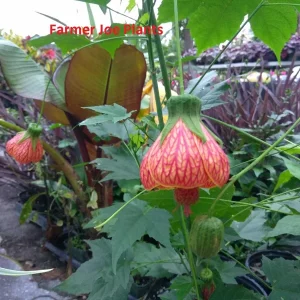
Sold 83 products
Original price was: $32.98.$15.99Current price is: $15.99.
Sold 55 products
Original price was: $67.96.$33.98Current price is: $33.98.
Sold 80 products
Original price was: $39.98.$27.98Current price is: $27.98.
Sold 82 products
Original price was: $59.96.$29.98Current price is: $29.98.
Sold 51 products
Original price was: $39.98.$27.98Current price is: $27.98.
Sold 52 products
Original price was: $39.98.$27.98Current price is: $27.98.
Sold 51 products
Original price was: $45.98.$32.18Current price is: $32.18.
Sold 77 products
Original price was: $91.92.$45.96Current price is: $45.96.





Reviews
There are no reviews yet.