
Hydrangea Paniculata Live Plant – Cold Hardy Shrub, 6-12″ Tall in Quart Pot, Outdoor
Original price was: $41.98.$20.99Current price is: $20.99.
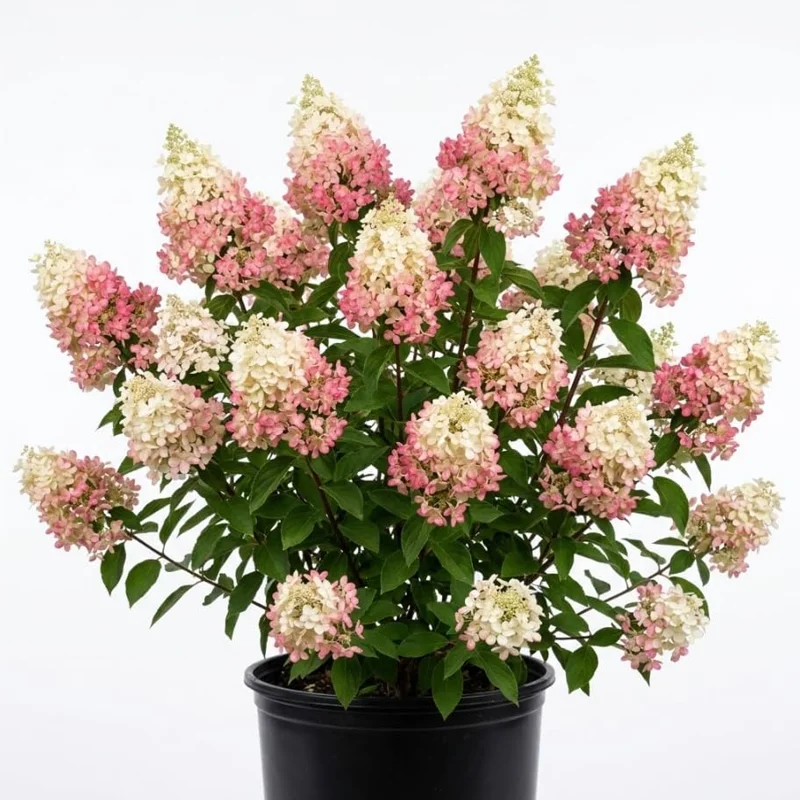
Bring vibrant, changing color to your landscape with this hydrangea paniculata live plant. A robust, cold hardy hydrangea shrub, it features beautiful cone-shaped flowers that transition from creamy white to strawberry pink. Arrives 6-12 inches tall in a quart pot, ready for outdoor planting.
-
USDA Hardiness Zone
USDA Zones 3-8 -
Soil Type
Well-draining, rich soil -
Sunlight Exposure
Full sun to partial shade -
Expected Planting Period
Spring to early fall

You can track your order HERE
Oct 31
Nov 05 - Nov 07
Nov 10 - Nov 14
Shipping and return policies: Our Alive & Thrive Guarantee covers issues with your plants within the first 30 days. Reach out to us. Our team will answer your questions and help you find the plants that are truly suitable for your environment, climate, and personal preferences.

Overview
Introduce stunning floral beauty to your garden with the hydrangea paniculata live plant. This exceptional shrub, known for its resilience and captivating blooms, is a must-have for any landscape enthusiast. Originating from Asia, Hydrangea paniculata is celebrated for its conical flower clusters that provide a long-lasting display of color from summer into fall. Unlike many other hydrangeas, this variety is incredibly cold-hardy, making it suitable for a wide range of climates. This particular specimen, often referred to as a cold hardy hydrangea, offers a dynamic visual experience as its flowers evolve from a creamy white to a rich strawberry pink, adding depth and interest to your outdoor space. It’s a robust and reliable choice for gardeners seeking both beauty and low maintenance.
Each hydrangea paniculata live plant is carefully nurtured to ensure it arrives healthy and ready to thrive in your garden. Standing between 6 and 12 inches tall and established in a quart-sized pot, it has a strong root system prepared for transplanting. Its adaptability to various soil types and light conditions, coupled with its striking floral display, makes it a popular choice for borders, focal points, or mass plantings. This plant is not only beautiful but also provides a habitat for pollinators, contributing to the biodiversity of your garden.
Key Benefits
The hydrangea paniculata live plant offers numerous advantages for both novice and experienced gardeners, making it a valuable addition to any outdoor setting. Its unique characteristics contribute significantly to garden aesthetics and ecological health.
- Dynamic Floral Display: Enjoy a prolonged blooming season from summer through fall, featuring large, cone-shaped flower clusters that beautifully transition from creamy white to rich strawberry pink. This evolving color adds continuous interest to your landscape.
- Exceptional Cold Hardiness: As a cold hardy hydrangea, this plant is incredibly resilient and can withstand harsh winter temperatures, ensuring it returns year after year with vibrant blooms. It thrives in a broad spectrum of USDA hardiness zones.
- Low Maintenance & Adaptable: This robust shrub requires minimal care once established. It tolerates a range of soil conditions and can flourish in full sun to partial shade, making it a versatile choice for various garden designs and skill levels.
- Versatile Landscape Use: Perfect as a striking focal point, an elegant border plant, or a mass planting for dramatic effect. Its substantial size and impressive blooms create a strong visual impact in any outdoor space, enhancing curb appeal.
- Pollinator Friendly: The abundant flowers attract beneficial pollinators like bees and butterflies, contributing to a healthy garden ecosystem and supporting local wildlife. This makes it an excellent choice for a biodiversity-focused garden.
- Easy Establishment: Each plant arrives established in a quart-sized pot, with a healthy root system, making transplanting and initial establishment in your garden straightforward and successful.
- Long-Lasting Cut Flowers: The beautiful flower clusters are excellent for cutting and can be used in fresh arrangements or dried for long-lasting indoor decor, bringing the beauty of your garden indoors.
Plant Care & Growing Tips
Caring for your hydrangea paniculata live plant is relatively straightforward, ensuring a beautiful display year after year. This resilient shrub is known for its adaptability, but providing optimal conditions will encourage the most vigorous growth and abundant blooms. For the best results, choose a location that receives at least 6 hours of sunlight daily. While it can tolerate partial shade, full sun generally promotes more prolific flowering and stronger stem development. Ensure the planting site has well-draining soil, as hydrangeas dislike soggy feet. Amending heavy clay soils with compost can improve drainage and nutrient availability.
Regular watering is crucial, especially during the first year of establishment and during dry spells. Aim to keep the soil consistently moist but not waterlogged. A good rule of thumb is to water deeply a few times a week rather than light, frequent sprinkles. Once established, the cold hardy hydrangea becomes more drought-tolerant. Fertilize in early spring with a balanced slow-release fertilizer formulated for flowering shrubs. Avoid over-fertilizing, which can promote foliage growth at the expense of flowers. Pruning is best done in late winter or early spring before new growth emerges. This variety blooms on new wood, so pruning in fall or summer will not affect the next season’s flowers. Remove any dead, damaged, or crossing branches, and you can also prune to shape the bush or control its size.
Protecting your outdoor flowering shrub during extreme heat or cold can help it thrive. While inherently cold-hardy, a layer of mulch around the base of the plant can help retain soil moisture, regulate soil temperature, and suppress weeds. Watch out for common pests like aphids or spider mites, which can typically be managed with insecticidal soap if necessary. With proper care, your pinky winky hydrangea will become a cherished and low-maintenance feature in your garden for many years to come, offering spectacular blooms and a vibrant presence.
Size & Details
This hydrangea paniculata live plant arrives as a healthy, established specimen, ready to be planted in your garden. Each plant stands approximately 6 to 12 inches tall from the top of the soil, ensuring a robust start. It is shipped in a quart-sized nursery pot, providing ample space for its well-developed root system. The plant is carefully packaged to minimize stress during transit, ensuring it arrives in optimal condition for successful transplanting.
Upon maturity, this outdoor flowering shrub can reach a height of 6-8 feet and a similar spread, creating a substantial and impressive presence in your landscape. It exhibits a moderate growth rate, establishing itself well within the first season and showing significant growth in subsequent years. Expect the first blooms to appear in its first or second year, with increasing abundance as the plant matures. This variety is known for its strong, upright stems that hold its large flower clusters proudly, making it an excellent choice for a garden focal point or a robust border. The transformation of its flowers from creamy white to strawberry pink is a hallmark of this beautiful plant, offering continuous visual interest throughout the blooming season.
Frequently Asked Questions
- Q: How big does this plant get? A: This hydrangea paniculata live plant typically grows to a mature height of 6-8 feet and can spread equally wide, forming a substantial and beautiful shrub in your garden. Its size makes it ideal for a focal point or a lush hedge.
- Q: What size pot does it come in? A: Each cold hardy hydrangea plant is shipped in a quart-sized nursery pot, which is approximately 6 inches in diameter. This size ensures the plant has a well-established root system for successful transplanting into your garden.
- Q: Is this an indoor or outdoor plant? A: This is primarily an outdoor flowering shrub. It is cold-hardy and thrives in garden settings, providing beautiful blooms in USDA zones where it is hardy. While it can be started indoors in certain conditions, it is meant for outdoor landscape use.
- Q: How much sunlight does it need? A: For optimal growth and flowering, this hydrangea paniculata live plant prefers full sun to partial shade. Aim for at least 6 hours of direct sunlight per day to encourage the most abundant and vibrant blooms.
- Q: Is this plant easy to care for? A: Yes, this hydrangea paniculata live plant is considered low-maintenance and adaptable. Once established, it requires regular watering during dry periods and an annual fertilization, making it a good choice for both beginner and experienced gardeners.
- Q: What condition will it arrive in? A: Your outdoor flowering shrub will arrive as a healthy, established plant in its quart pot, with soil and a developed root system. It will be carefully packaged to ensure it reaches you in excellent condition, ready for planting.
- Q: When is the best time to plant this hydrangea? A: The best time to plant this hydrangea paniculata live plant is in spring or early fall. This allows the plant to establish its root system before the extreme heat of summer or the deep cold of winter.
- Q: Will it survive winter in my zone? A: This is a cold hardy hydrangea, typically hardy in USDA Zones 3-8, and sometimes even Zone 9. It is very resilient to winter temperatures, but a layer of mulch can provide extra protection in colder zones.
- Q: How long until it blooms? A: You can expect your hydrangea paniculata live plant to begin blooming in its first or second year after planting. As the plant matures, the number and size of the blooms will increase, providing a spectacular display each summer and fall.
- Q: What makes this a ‘Pinky Winky’ type hydrangea? A: The specific cultivar ‘Pinky Winky’ is renowned for its large, upright, cone-shaped flower clusters that emerge creamy white and gradually deepen to a rich strawberry pink as the season progresses. This color transition is a distinctive feature of the pinky winky hydrangea.
Be the first to review “Hydrangea Paniculata Live Plant – Cold Hardy Shrub, 6-12″ Tall in Quart Pot, Outdoor”
People Also Viewed





Vegetables
Super Hot Pepper Live Plant 4-Pack – Customizable – 75+ Day Old Vegetative Stage – Indoor/Outdoor
Sold 74 products
$48.00





Sold 100 products
Original price was: $300.00.$150.00Current price is: $150.00.




Reviews
There are no reviews yet.