
Ginkgo Tree Live Plant 8-12″ Tall in Quart Pot – Hardy Outdoor Tree
Original price was: $43.98.$21.99Current price is: $21.99.
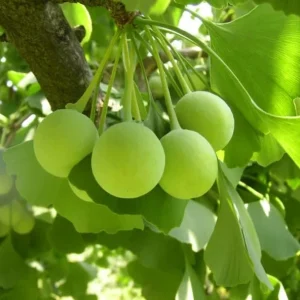
Bring home a beautiful ginkgo tree live plant, also known as the maidenhair tree seedling. This 8-12 inch tall specimen arrives in a quart pot, ready to grow into a stunning landscape tree. Famous for its brilliant golden-yellow fall foliage, it’s a hardy and adaptable choice for various outdoor settings.
-
USDA Hardiness Zone
USDA Zones 3–9 -
Soil Type
Well-draining soil, adaptable to various types -
Sunlight Exposure
Full sun -
Expected Planting Period
Spring to early fall

You can track your order HERE
Oct 30
Nov 04 - Nov 06
Nov 09 - Nov 13
Shipping and return policies: Our Alive & Thrive Guarantee covers issues with your plants within the first 30 days. Reach out to us. Our team will answer your questions and help you find the plants that are truly suitable for your environment, climate, and personal preferences.

Overview
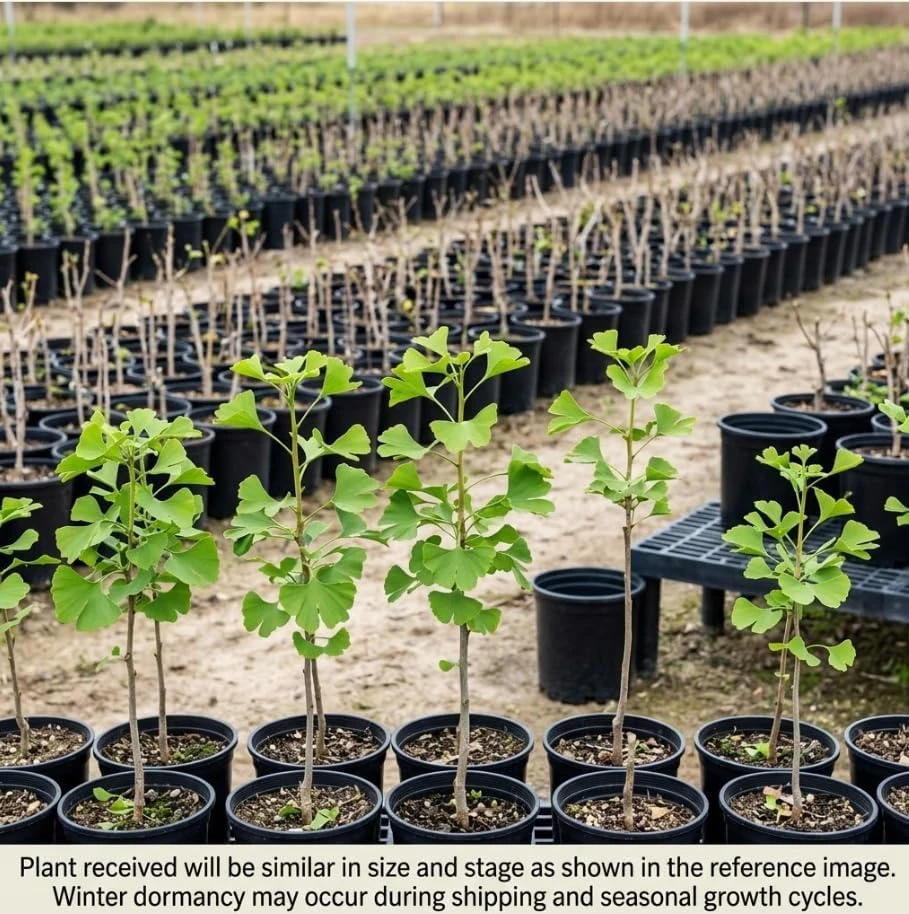
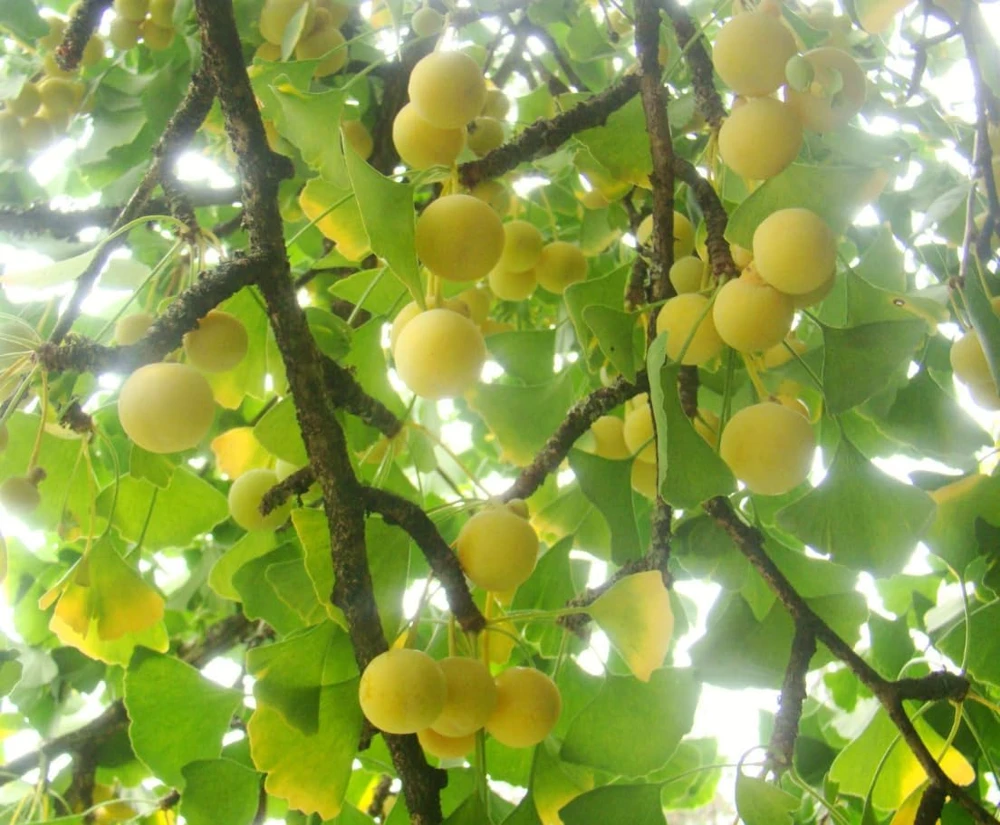
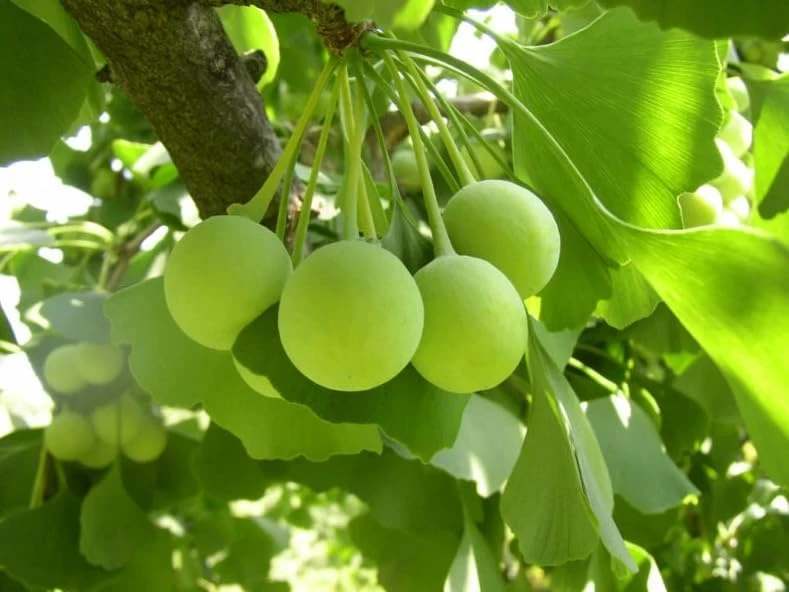
Introduce a piece of living history to your garden with the ginkgo tree live plant. This remarkable species, scientifically known as Ginkgo biloba, is a true survivor and a testament to natural resilience. Often referred to as the maidenhair tree seedling due to the distinctive fan-shaped leaves that resemble maidenhair fern fronds, this young tree arrives established in a quart-size pot, standing approximately 8–12 inches tall. It is a 1-year-old seedling, robust and ready to thrive in your landscape. The Ginkgo is celebrated globally for its unique beauty and its evolutionary lineage, making it a captivating addition to any outdoor space.
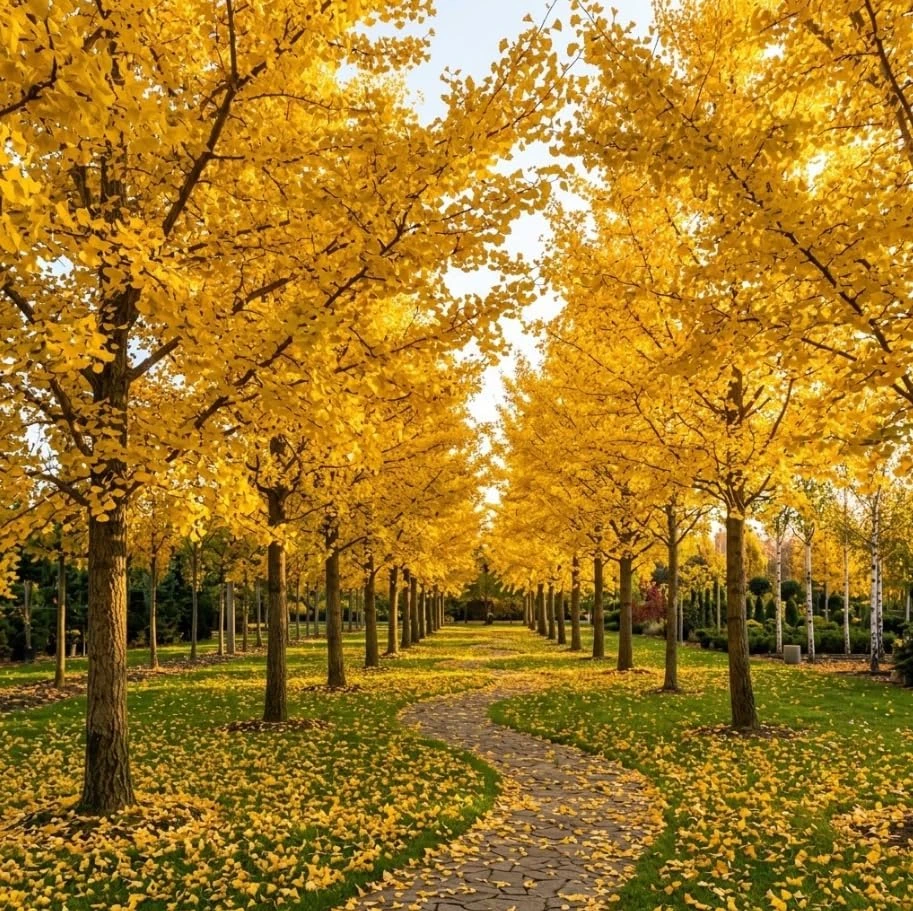
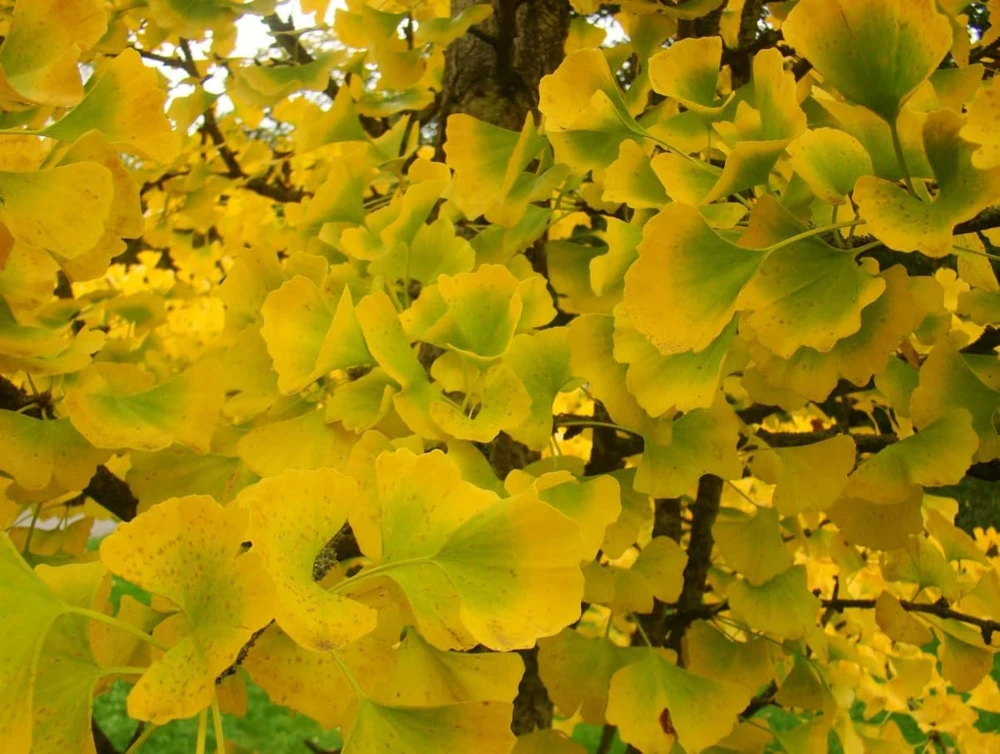
The journey of planting a hardy ginkgo plant begins with this well-rooted specimen, poised to grow into a magnificent mature tree. Its adaptability to a wide range of climates and soil conditions makes it an excellent choice for both novice and experienced gardeners. Prepare to be enchanted by its vibrant transformation each autumn, as its lush green leaves turn a brilliant, unmistakable golden-yellow, creating a breathtaking focal point in any garden or yard.
Key Benefits
Choosing a ginkgo tree live plant for your landscape offers a multitude of advantages, blending aesthetic appeal with practical resilience. This ancient species is more than just a tree; it’s a living legacy that enhances its surroundings in several ways.
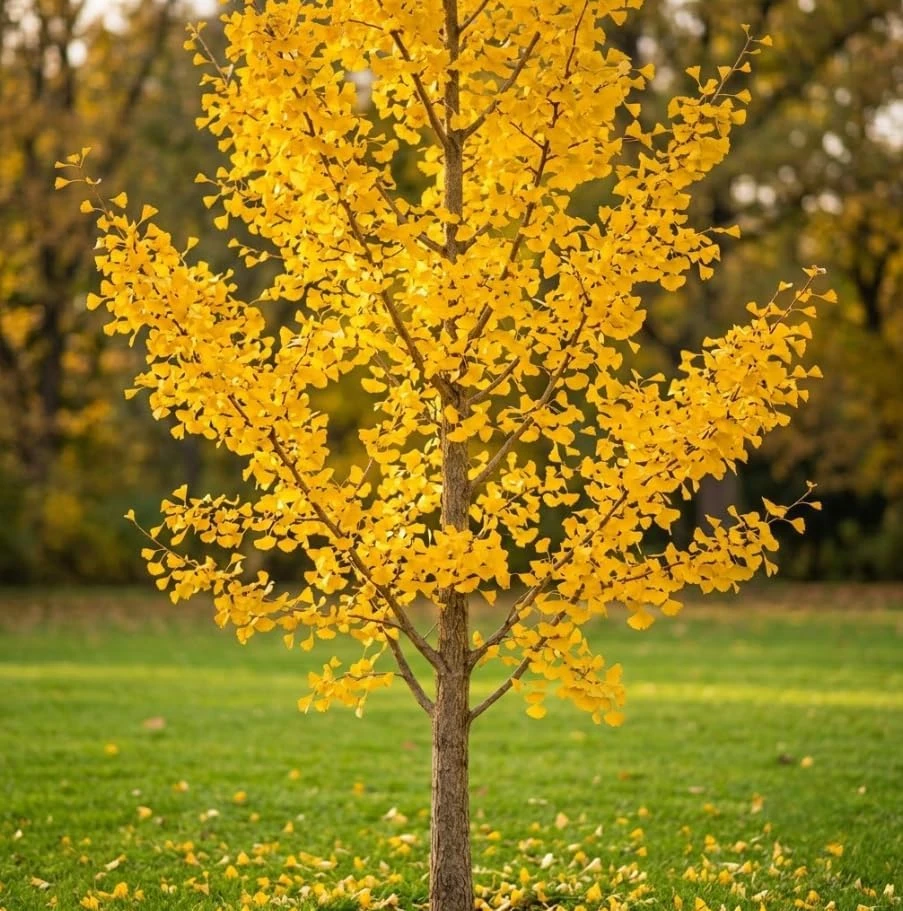
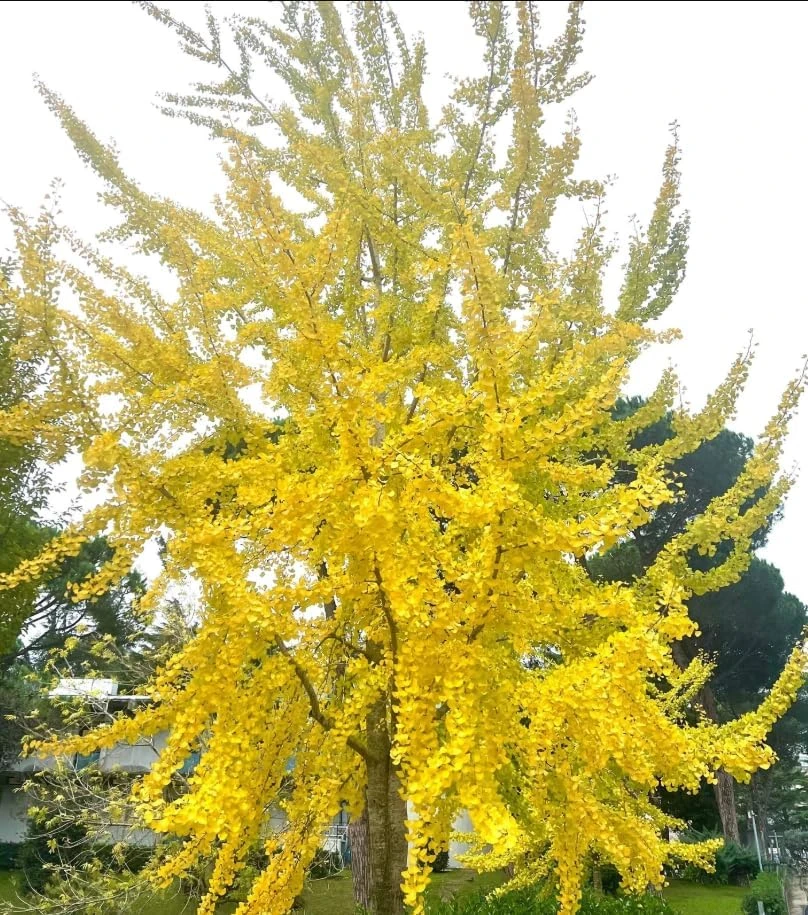
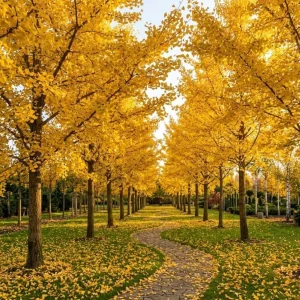
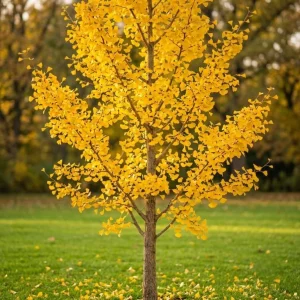
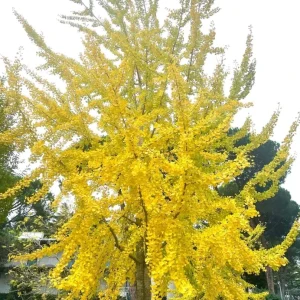
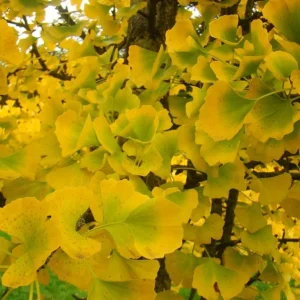
- Stunning Fall Foliage: The most iconic feature of the Ginkgo is its dramatic autumn display. Each fall, the distinctive fan-shaped leaves transform into a breathtaking, uniform golden-yellow, providing a spectacular visual event that brightens any landscape.
- Exceptional Hardiness: The hardy ginkgo plant is incredibly resilient, capable of withstanding a wide range of environmental conditions. It is known for its tolerance to urban pollution, pests, and diseases, making it a low-maintenance and reliable choice for many regions.
- Long Lifespan & Growth: Ginkgo trees are renowned for their longevity, often living for hundreds, if not thousands, of years. Planting a maidenhair tree seedling is an investment in a living monument that will grace your property for generations, growing steadily into a majestic shade tree.
- Unique Leaf Structure: The fan-shaped leaves are unlike any other, offering a distinctive texture and form throughout the spring and summer. This unique foliage adds an architectural element to your garden design, standing out among more common tree varieties.
- Adaptable to Various Soils: This ginkgo biloba tree is highly adaptable, thriving in a broad spectrum of soil types, from sandy to clay, as long as drainage is adequate. This flexibility simplifies the planting process and increases its chances of successful establishment.
- Versatile Landscape Use: Whether you’re looking for a stately shade tree, an ornamental focal point, a street tree, or a striking landscape accent, the Ginkgo fits many roles. Its upright growth habit and eventual broad canopy provide excellent shade and visual interest.
Plant Care & Growing Tips
Caring for your ginkgo tree live plant is straightforward, thanks to its inherent resilience. This adaptable tree prefers full sun, meaning it thrives with at least 6 hours of direct sunlight per day. While it can tolerate partial shade, optimal growth and the most vibrant fall color will be achieved in a sunny location. When selecting a planting site, ensure it has good air circulation and adequate space for the tree to grow to its mature size, which can be considerable.
The hardy ginkgo plant is not particular about soil type but performs best in well-draining soil. It can adapt to sandy, loamy, or clay soils. Once established, it is remarkably drought-tolerant, requiring minimal watering. However, during its first year, consistent moisture is crucial for root development. Water deeply once or twice a week, allowing the top few inches of soil to dry out between waterings. For zones 3–9, Ginkgo trees are incredibly hardy. They can withstand cold winters and hot summers, making them suitable for a vast range of climates. Fertilization is generally not heavily required for established trees, but a balanced slow-release fertilizer can be applied in spring for young trees to encourage vigorous growth. Monitor for any signs of stress, though the ginkgo biloba tree is highly resistant to most pests and diseases.
Size & Details
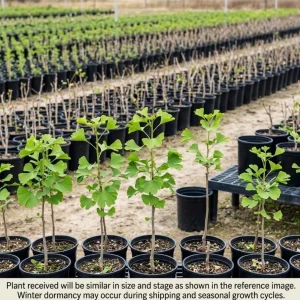
This offering is for one ginkgo tree live plant (Ginkgo biloba), arriving as a 1-year-old seedling. Each plant is approximately 8–12 inches tall, measured from the soil line, and is well-rooted within a quart-size pot. This size ensures the plant is established and robust enough for successful transplanting into your garden or landscape. Ginkgo trees are known for their moderate to fast growth rate once established, typically adding 1-2 feet in height per year, eventually reaching heights of 50-80 feet or more, with a spread of 30-40 feet at maturity. The tree will ship in its nursery pot with soil, ensuring minimal shock upon arrival. Expect this young maidenhair tree seedling to begin developing its iconic fan-shaped leaves and vibrant fall yellow landscape coloration in its first few seasons, gradually maturing into a magnificent specimen.
Frequently Asked Questions
- Q: How big does this plant get? A: This ginkgo tree live plant arrives 8-12 inches tall. Ginkgo trees are moderate to fast growers and can eventually reach impressive heights of 50-80 feet or more with a spread of 30-40 feet, depending on conditions and variety.
- Q: What size pot does it come in? A: The maidenhair tree seedling is shipped in a quart-size nursery pot, ensuring it has a well-established root system for successful transplanting.
- Q: Is this an indoor or outdoor plant? A: The hardy ginkgo plant is primarily an outdoor tree. It requires a significant amount of space and sunlight to thrive and grow to its full potential in a landscape or garden setting.
- Q: How much sunlight does it need? A: Ginkgo trees prefer full sun, meaning at least 6 hours of direct sunlight per day, to achieve optimal growth and the most vibrant fall yellow landscape color. They can tolerate some partial shade.
- Q: Is this plant easy to care for? A: Yes, the ginkgo biloba tree is known for its hardiness and low maintenance once established. It’s adaptable to various conditions and resistant to many common pests and diseases, making it suitable for beginners.
- Q: What condition will it arrive in? A: Your ginkgo tree live plant will arrive well-packaged in its quart pot with soil, ensuring it is healthy and ready for planting. We take great care to protect the plant during transit.
- Q: Is it shipped in soil? A: Yes, the maidenhair tree seedling is shipped actively growing in its quart-size pot with the original nursery soil to minimize stress and ensure a smooth transition to your garden.
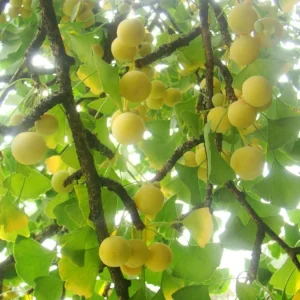
- Q: How long until it blooms? A: Ginkgo trees do not produce showy flowers; instead, they are prized for their unique foliage and stunning fall yellow landscape color. They are dioecious, meaning male and female reproductive structures are on separate trees.
- Q: When is the best time to plant? A: The best time to plant your ginkgo tree live plant is in spring or early fall, allowing the roots to establish before extreme summer heat or winter cold.
- Q: Will it survive winter in my zone? A: Ginkgo trees are exceptionally hardy and suitable for USDA Zones 3–9. They are very tolerant of cold winters within these zones, making them a reliable choice for many regions.













Reviews
There are no reviews yet.