
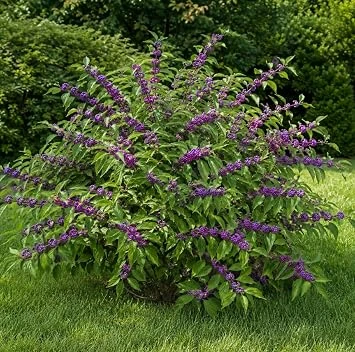
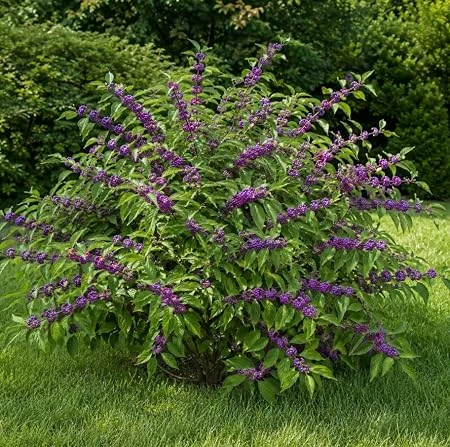
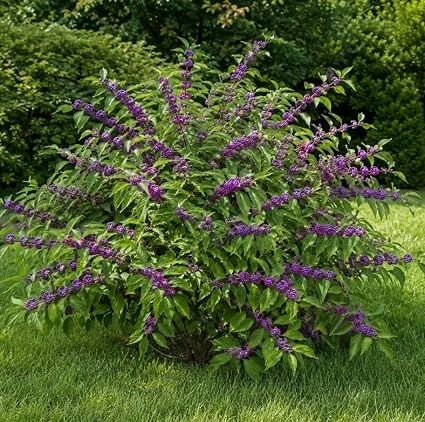
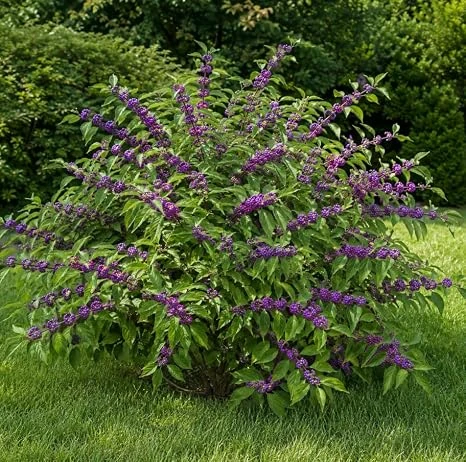
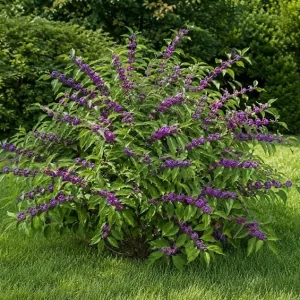
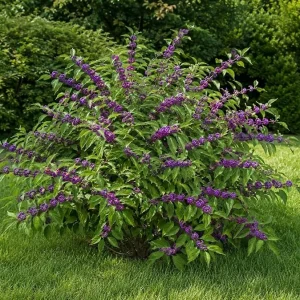
American Beautyberry Live Plant – Callicarpa americana – 8-12 Inch Tall in 4 Inch Pot – Outdoor Shrub
Original price was: $53.98.$26.99Current price is: $26.99.
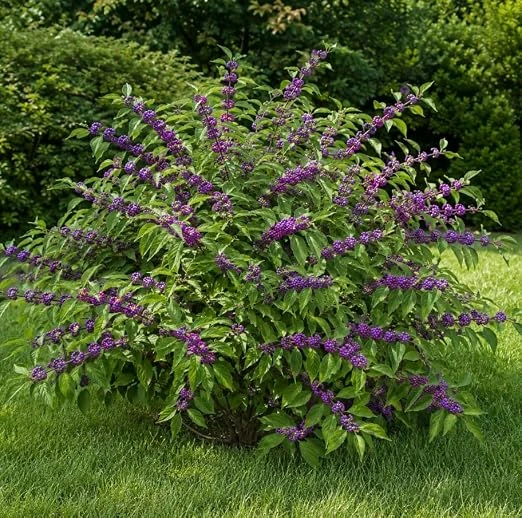
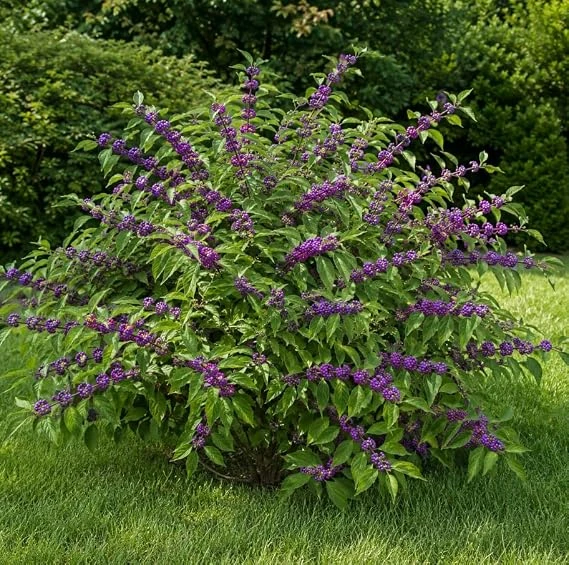
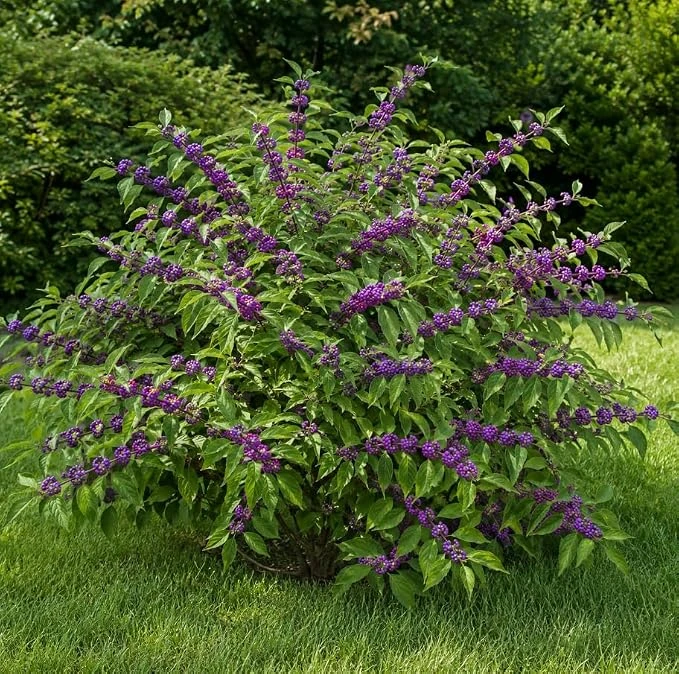
Enhance your landscape with the stunning American Beautyberry live plant (Callicarpa americana). This native ornamental shrub features eye-catching clusters of vibrant purple berries that persist into fall, adding unique color and texture to your garden. Arrives as an 8-12 inch tall starter plant in a 4-inch pot, ready for easy transplanting.
-
USDA Hardiness Zone
USDA Zones 6-10 -
Soil Type
Well-draining soil, adaptable to various types -
Sunlight Exposure
Full sun to partial shade -
Expected Planting Period
Spring to early fall

You can track your order HERE
Oct 30
Nov 04 - Nov 06
Nov 09 - Nov 13
Shipping and return policies: Our Alive & Thrive Guarantee covers issues with your plants within the first 30 days. Reach out to us. Our team will answer your questions and help you find the plants that are truly suitable for your environment, climate, and personal preferences.

Overview
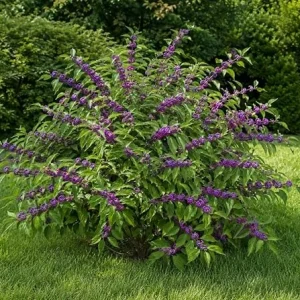
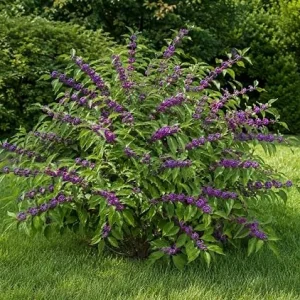
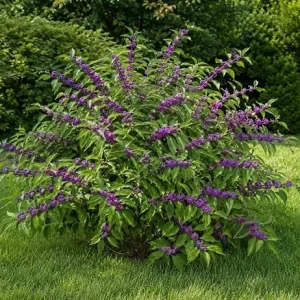
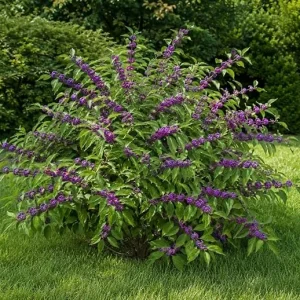
Introduce a splash of vibrant color and natural beauty to your garden with the american beautyberry live plant. Known botanically as Callicarpa americana, this deciduous shrub is a true showstopper, particularly in the autumn when its branches become laden with striking clusters of metallic purple berries. These berries are not only visually appealing but also serve as a crucial food source for birds, making this an excellent choice for wildlife gardens and pollinator habitats. Our american beautyberry live plant arrives as a healthy starter, typically 8-12 inches tall, potted in a 4-inch nursery container, and ready to thrive in your outdoor space. Its robust nature and low-maintenance requirements make it a favored choice for both experienced gardeners and those new to cultivating native plants.
The callicarpa americana shrub is cherished for its seasonal interest, beginning with subtle pink-lavender flowers in late spring to early summer, followed by the dramatic berry display in fall. This ornamental native shrub adapts well to various soil conditions and sunlight exposures, making it a versatile addition to borders, woodland edges, and foundation plantings. Embrace the unique charm and ecological benefits of the American Beautyberry, a plant that truly lives up to its name.
Key Benefits
The american beautyberry live plant offers a multitude of advantages for your garden and local ecosystem. Its distinctive features provide both aesthetic appeal and environmental benefits, making it a highly desirable addition.
- Stunning Fall Berries: Produces abundant, bright purple berry clusters that are incredibly eye-catching and persist long after the leaves have fallen, providing unique winter interest. These vibrant berries are the hallmark of the purple berry bush.
- Native Plant Benefits: As a native ornamental shrub, it supports local wildlife, offering essential food for birds and attracting pollinators with its small flowers.
- Low Maintenance: Once established, the American Beautyberry is remarkably resilient and requires minimal care, tolerating a range of soil types and conditions. This makes beautyberry plant care straightforward.
- Versatile Landscaping: Ideal for a variety of garden settings including native plant gardens, woodland edges, foundation plantings, and mixed borders.
- Drought Tolerant: Exhibits good drought tolerance, making it suitable for xeriscaping or gardens in drier climates once mature.
- Adaptable: Thrives in full sun to partial shade, allowing for flexible placement within your landscape design.
- Deer Resistant: Generally considered deer resistant, reducing the likelihood of browsing damage in areas where deer are a concern.
Plant Care & Growing Tips
Ensuring your american beautyberry live plant flourishes involves understanding its basic care requirements. This resilient shrub is generally easy to grow, making it a rewarding choice for many gardeners.
For optimal growth, plant your callicarpa americana shrub in a location that receives full sun to partial shade. Full sun (at least 6 hours of direct sunlight daily) will encourage the most abundant berry production, while partial shade (2-4 hours of direct sun) is also tolerated. It is adaptable to a variety of soil types, but prefers well-draining soil. Avoid overly wet or waterlogged conditions, which can lead to root rot. If your soil is heavy clay, amending it with organic matter like compost can improve drainage and aeration. Once established, the American Beautyberry is quite drought-tolerant, but consistent moisture during its first growing season will promote strong root development. Water deeply once or twice a week, depending on rainfall and soil conditions, allowing the top few inches of soil to dry out between waterings. After establishment, supplemental watering is typically only needed during prolonged dry spells.
The purple berry bush is hardy in USDA Zones 6-10, tolerating a wide range of temperatures. While it can withstand cold winters, younger plants may benefit from a layer of mulch around the base to protect roots. Fertilization is generally not necessary for established plants growing in healthy soil, but if your soil is poor, a balanced, slow-release granular fertilizer can be applied in early spring. Pruning is best done in late winter or early spring before new growth emerges. You can cut the plant back significantly (to about 6-12 inches from the ground) to encourage more vigorous growth and larger berries, as berries form on new wood. Minimal beautyberry plant care is needed beyond this, making it a truly low-maintenance addition to your garden.
Size & Details
This offering includes one healthy american beautyberry live plant, ready to be transplanted into your garden. Each starter plant measures approximately 8-12 inches tall from the top of the soil and comes nestled in a 4-inch nursery pot. This size is ideal for establishing quickly in your chosen location, whether it’s a garden bed, border, or larger container. The American Beautyberry is a medium to large deciduous shrub, typically growing to a mature height and spread of 5-8 feet, though it can reach up to 10 feet in ideal conditions. It exhibits a moderate growth rate, filling out within a few seasons to become a prominent feature in your landscape. Expect to see the characteristic vibrant purple berries beginning in late summer and persisting through fall, adding a dynamic visual element to your autumn and early winter garden. The plant’s natural dormancy period during fall and winter means it may arrive without leaves, flowers, or berries, but new growth will emerge robustly in spring.
Frequently Asked Questions
- Q: How big does this plant get? A: The american beautyberry live plant typically grows to a mature height and spread of 5-8 feet, though it can sometimes reach up to 10 feet in optimal growing conditions. It is a medium to large shrub.
- Q: What size pot does it come in? A: Each starter plant arrives well-rooted in a standard 4-inch nursery pot, ready for transplanting into your garden or a larger container.
- Q: Is this an indoor or outdoor plant? A: The American Beautyberry (Callicarpa americana) is an outdoor plant, best suited for garden beds, borders, and naturalized areas. It is not recommended as an indoor houseplant.
- Q: How much sunlight does it need? A: This native ornamental shrub thrives in full sun (at least 6 hours of direct sunlight) to partial shade (2-4 hours of direct sunlight). Full sun exposure typically results in the most abundant berry production.
- Q: Is this plant easy to care for? A: Yes, the American Beautyberry is considered a low-maintenance plant. Once established, it is quite resilient and adaptable, making beautyberry plant care relatively easy for gardeners of all experience levels.
- Q: What condition will it arrive in? A: Your american beautyberry live plant will arrive well-rooted and healthy. Depending on the season, it may be actively growing with leaves, or it may be dormant and appear bare, which is normal for deciduous plants in fall and winter.
- Q: When is the best time to plant? A: The best time to plant your American Beautyberry is in spring or early fall, allowing the plant to establish its root system before extreme temperatures.
- Q: Will it survive winter in my zone? A: The American Beautyberry is hardy in USDA Zones 6-10. If you are within these zones, it should survive winter outdoors. In colder zones, it may die back to the ground but often regrows from the roots in spring.
- Q: Are the berries edible for humans? A: While the berries are not considered toxic, they are generally not consumed by humans due to their astringent taste. They are primarily ornamental and a food source for birds.
- Q: Does this plant attract pollinators? A: Yes, the small pink-lavender flowers produced by the callicarpa americana shrub in late spring to early summer are attractive to various pollinators, including bees and butterflies.
Be the first to review “American Beautyberry Live Plant – Callicarpa americana – 8-12 Inch Tall in 4 Inch Pot – Outdoor Shrub”
People Also Viewed








Flower Plants
Sold 55 products
Original price was: $69.98.$34.99Current price is: $34.99.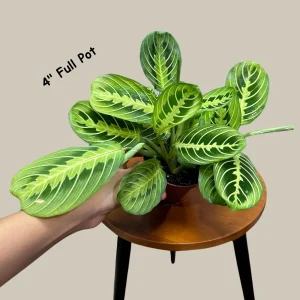
HousePlants
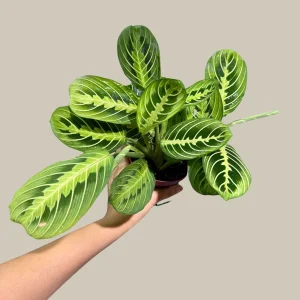
Lemon Lime Prayer Plant Live – Maranta Leuconeura Houseplant – Air Purifier Indoor Plant
Sold 72 products
From $13.90







Reviews
There are no reviews yet.