


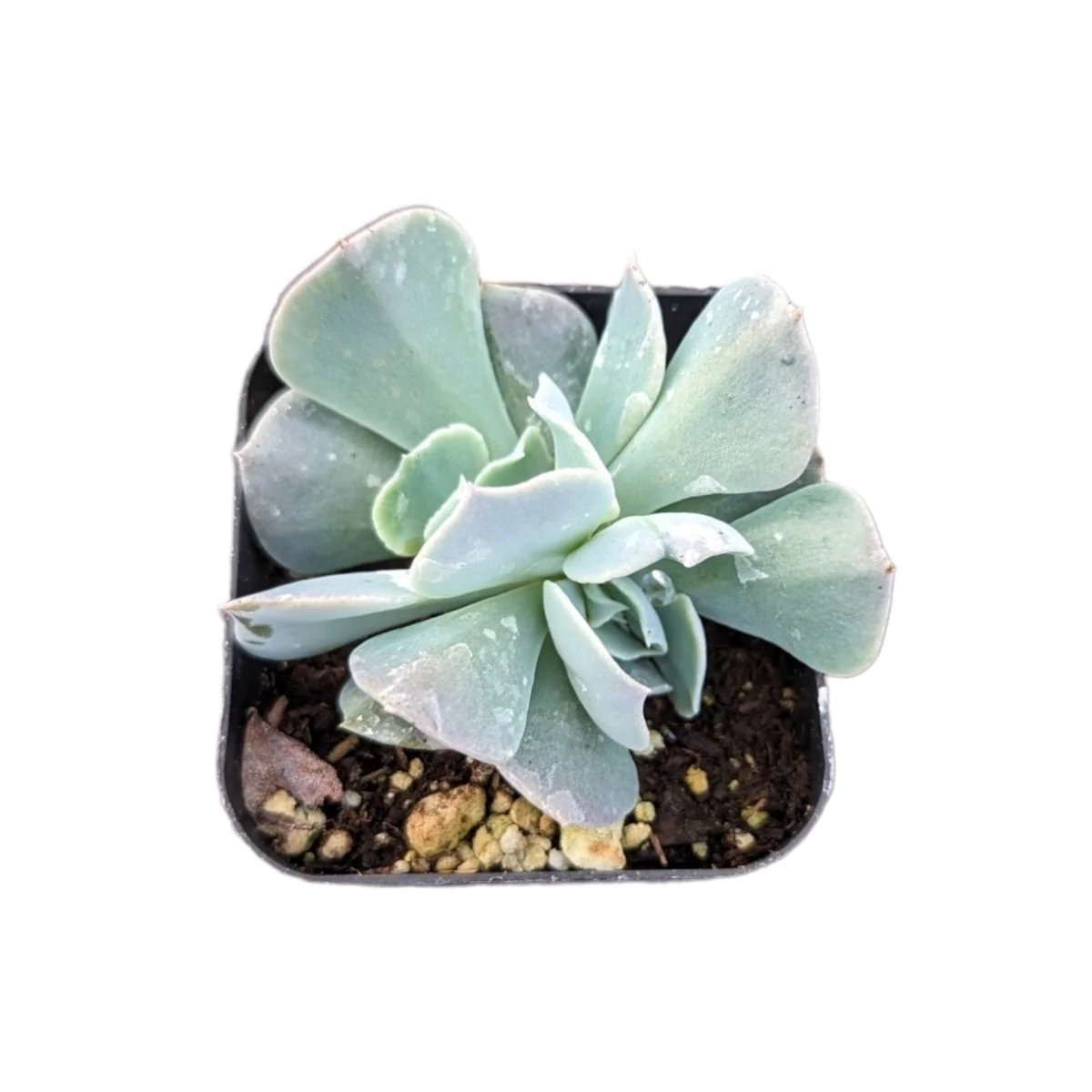
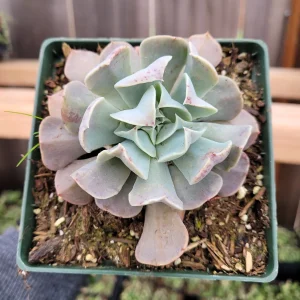
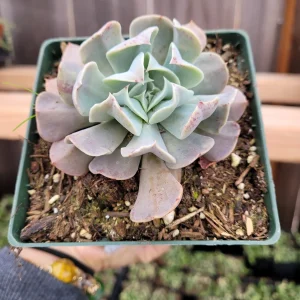
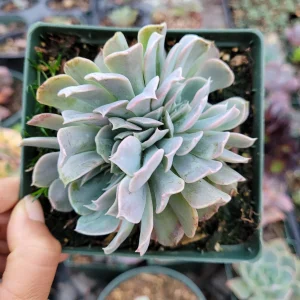
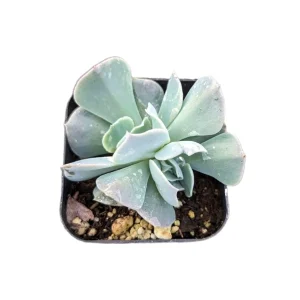
Echeveria Swan Lake Live Succulent Plant – Crassulaceae Family – Indoor/Outdoor
Original price was: $73.28.$36.64Current price is: $36.64.
Add a touch of elegance with the Echeveria Swan Lake succulent. Known for its distinct gray-green leaves and curled pink tips, this beautiful succulent is a perfect addition to any plant collection. It thrives indoors with bright light and is relatively easy to care for, making it ideal for beginners and experienced plant enthusiasts alike.
-
USDA Hardiness Zone
USDA zones 9-11 (outdoors), suitable for all zones indoors -
Soil Type
Well-draining succulent or cactus mix with over 50% granular content -
Sunlight Exposure
Bright indirect light; avoid direct afternoon sun -
Expected Planting Period
Year-round indoors; spring to early summer outdoors (in suitable zones)

You can track your order HERE
Mar 05
Mar 10 - Mar 12
Mar 15 - Mar 19
Shipping and return policies: Our Alive & Thrive Guarantee covers issues with your plants within the first 30 days. Reach out to us. Our team will answer your questions and help you find the plants that are truly suitable for your environment, climate, and personal preferences.

Overview
Introduce a touch of natural elegance to your home or garden with the exquisite Echeveria Swan Lake succulent. This captivating live succulent plant, a proud member of the Crassulaceae family, is renowned for its striking appearance and relatively easy care requirements. The ‘Swan Lake’ variety features thick, fleshy leaves that transition from a soft gray to a vibrant green, often adorned with delicate pink tips that curl inwards, creating a unique, swan-like aesthetic. Whether you’re a seasoned succulent collector or just beginning your plant journey, the Echeveria Swan Lake succulent offers a rewarding growing experience. It’s a versatile plant that can thrive in various settings, from sunny windowsills indoors to well-drained garden beds in suitable climates.
Originating from arid regions, this resilient plant has evolved to store water in its leaves, making it highly drought-tolerant and forgiving for those who might occasionally forget to water. Its compact rosette form makes it an ideal choice for small spaces, terrariums, or as a charming accent in a larger succulent arrangement. During the summer or fall, mature plants may even produce delicate flowers, adding another layer of beauty to its already stunning display. The Echeveria Swan Lake succulent is not just a plant; it’s a living piece of art that brings tranquility and a touch of the desert landscape into your personal sanctuary.
Key Benefits
The Echeveria Swan Lake succulent offers a myriad of benefits that make it a highly sought-after addition to any plant enthusiast’s collection. Its unique beauty combined with its low-maintenance nature ensures both aesthetic appeal and ease of care.
- Stunning Ornamental Appeal: The distinctive gray-green leaves with their curled pink tips provide a unique and elegant aesthetic, perfect for enhancing any indoor or outdoor space. This succulent’s sculptural form makes it a focal point.
- Low Maintenance & Drought Tolerant: As a succulent, the Echeveria Swan Lake succulent requires minimal watering and thrives on neglect, making it an excellent choice for busy individuals or those new to plant care.
- Versatile Placement: This plant is well-suited for a variety of environments, from bright indoor spaces like windowsills and offices to outdoor rock gardens and container arrangements in appropriate climates.
- Air Purifying Qualities: Like many houseplants, succulents can contribute to improved indoor air quality by absorbing toxins, creating a healthier living environment.
- Compact Size: Its rosette growth habit means it remains relatively small, making it ideal for small apartments, desks, or as part of a larger succulent display without taking up too much space.
- Beginner-Friendly: The straightforward care requirements for Echeveria Swan Lake care make it an ideal plant for novice gardeners seeking a beautiful and resilient plant.
- Unique Coloration: The captivating blend of gray, green, and pink hues on its leaves ensures it stands out and adds visual interest to any plant collection.
Plant Care & Growing Tips
Proper Echeveria Swan Lake care is straightforward, ensuring this beautiful succulent thrives in your home or garden. These plants require bright light to maintain their vibrant coloration and compact form. Ideally, they should receive at least 6 hours of bright, indirect sunlight daily. While they appreciate ample light, direct, intense afternoon sun can scorch their delicate leaves, especially if they are not acclimated. If growing indoors, a south or west-facing window is usually best. If your plant starts to stretch or lose its vibrant color, it’s likely not getting enough light.
Watering is crucial for succulent health, and the ‘soak and dry’ method is highly recommended. Allow the soil to dry out completely between waterings, then water thoroughly until water drains from the bottom of the pot. Avoid letting the plant sit in standing water, as this can lead to root rot. Excessive humidity is generally not an issue, as they grow well in average household humidity levels. For soil, ensure that the content of granular soil is more than 50%. A good mix often includes charcoal soil, perlite, and coarse river sand, with some well-rotted organic fertilizer added as a base. This provides the essential drainage and aeration that succulents need. When considering potting, ceramic pots are often recommended due to their permeability, which helps prevent waterlogging.
The ideal temperature range for this succulent is 50-77°F (10-25°C), making general indoor temperatures quite suitable. If you live in a region with cold winters, bringing your plant indoors is essential, as temperatures below 40°F can cause damage. Fertilization is not strictly necessary but can be beneficial during the growing season (spring and summer) with a diluted succulent-specific fertilizer. Regular inspection for pests like mealybugs can help keep your plant healthy. Understanding these aspects of succulent care tips will help your Echeveria Swan Lake flourish.
Size & Details
The Echeveria Swan Lake succulent is typically grown as a compact rosette, reaching an average diameter of 4-6 inches at maturity. When shipped, the size will vary depending on the pot size. Smaller 2-inch plants are usually shipped with their pot and soil, ensuring minimal disturbance during transit. Larger plants, typically 4 inches and above, are often shipped bare root without soil or pot. This method encourages the plant to establish itself in its new environment more effectively and is a common practice for healthy succulent delivery. The plant’s exact shape and color may vary slightly from the photos, as each living organism is unique, reflecting natural variations in growth.
This succulent has a moderate growth rate, gradually expanding its rosette and occasionally producing offsets, or ‘pups,’ around the base, which can be propagated to create new plants. While it can produce flowers in summer or fall, its primary appeal lies in its striking foliage. It’s a fantastic long-term addition to any collection, providing year-round beauty. The best time to plant or repot is during its active growing season in spring or early summer, allowing it ample time to settle into its new home.
Frequently Asked Questions
- Q: How big does this Echeveria Swan Lake succulent get? A: The Echeveria Swan Lake succulent typically grows to about 4-6 inches in diameter as a mature rosette. Its compact size makes it perfect for windowsills, desks, or as part of a succulent arrangement.
- Q: Is this an indoor or outdoor plant? A: This Echeveria can thrive both indoors and outdoors. Indoors, it needs bright, indirect light. Outdoors, it prefers a sheltered spot with bright light, especially in USDA zones where temperatures stay above 40°F.
- Q: How much sunlight does it need? A: The Echeveria Swan Lake succulent requires at least 6 hours of bright, indirect sunlight daily. Too little light can cause it to stretch, while too much direct sun can burn its leaves.
- Q: Is this plant easy to care for? A: Yes, this is considered an easy-care succulent, making it suitable for beginners. Following basic succulent care tips like proper watering and lighting will ensure its health.
- Q: What condition will it arrive in? A: Smaller plants (2-inch) typically ship with their pot and soil. Larger plants (4-inch and above) are usually shipped bare root. We ensure plants are carefully packaged to arrive in good condition, though some natural variations in shape and color are expected.
- Q: How often should I water my Echeveria Swan Lake? A: Water using the ‘soak and dry’ method. Allow the soil to completely dry out between waterings, then water thoroughly until it drains from the bottom. Avoid overwatering.
- Q: What is the best soil for this succulent? A: For optimal Echeveria Swan Lake care, use a well-draining soil mix with at least 50% granular material. A blend of charcoal soil, perlite, and coarse river sand is highly recommended.
- Q: What’s the minimum temperature this plant can tolerate? A: The suitable temperature range is 50-77°F (10-25°C). It’s crucial to protect the plant from temperatures below 40°F (4°C) to prevent damage.
- Q: Can I propagate this Echeveria? A: Yes, Echeverias are relatively easy to propagate from leaf cuttings or by separating offsets (pups) that grow around the base of the mother plant.
- Q: Are there any common issues with this plant? A: The most common issues arise from overwatering, leading to root rot. Ensuring proper drainage and following the ‘soak and dry’ method will prevent most problems. Pests like mealybugs can sometimes occur but are easily managed with appropriate treatment.
| Size | 2 Inch, 4 Inch, 4 Inch Crest |
|---|
Be the first to review “Echeveria Swan Lake Live Succulent Plant – Crassulaceae Family – Indoor/Outdoor”
People Also Viewed
Sold 91 products
$43.98
Sold 68 products
$87.98
Sold 64 products
$329.98
Sold 58 products
Original price was: $63.48.$38.08Current price is: $38.08.
Sold 56 products
Original price was: $25.60.$12.80Current price is: $12.80.
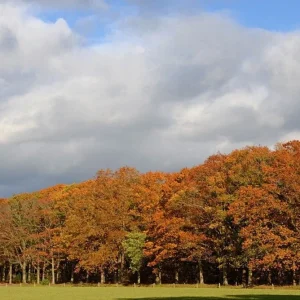
Trees
Northern Red Oak Saplings – Live Quercus rubra Plants 6+ Inches – Set of 2 for Outdoor Planting
Sold 90 products
Original price was: $31.16.$15.58Current price is: $15.58.
Sold 62 products
Original price was: $32.00.$25.60Current price is: $25.60.
Sold 70 products
Original price was: $87.96.$43.98Current price is: $43.98.
Sold 56 products
Original price was: $22.00.$17.60Current price is: $17.60.
Sold 54 products
From $67.00
Sold 72 products
Original price was: $49.98.$24.99Current price is: $24.99.
Sold 96 products
Original price was: $64.00.$32.00Current price is: $32.00.
Sold 64 products
Original price was: $47.96.$23.98Current price is: $23.98.
Sold 90 products
Original price was: $81.56.$40.78Current price is: $40.78.
Sold 73 products
Original price was: $31.76.$15.88Current price is: $15.88.
Sold 79 products
Original price was: $272.00.$136.00Current price is: $136.00.
Sold 76 products
Original price was: $161.60.$80.80Current price is: $80.80.
Sold 84 products
Original price was: $29.98.$14.99Current price is: $14.99.



Reviews
There are no reviews yet.