
Curry Leaf Live Plant 8-12in Tall – 4in Pot | Aromatic Herb for Cooking
Original price was: $46.98.$32.98Current price is: $32.98.
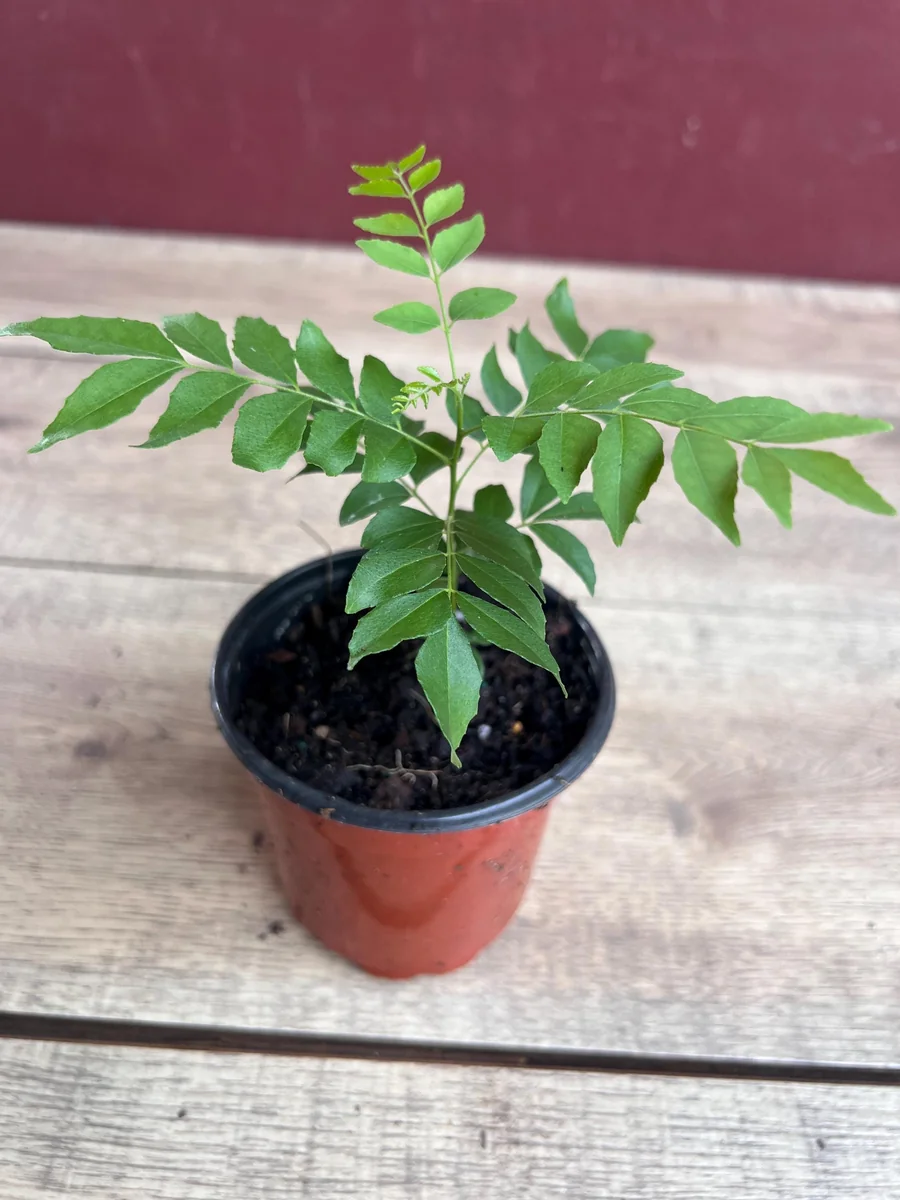
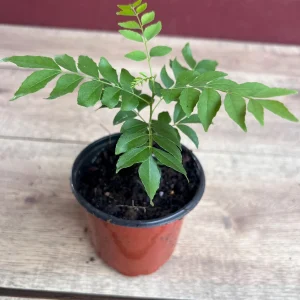
Cultivate your own fresh supply of aromatic curry leaf live plant for authentic culinary creations. This healthy, vibrant plant, measuring 8-12 inches tall and housed in a 4-inch pot, is ready to thrive in your home or garden. Enjoy the distinctive flavor and fragrance that only fresh karivepaku plant leaves can provide.
-
USDA Hardiness Zone
USDA Zones 9-11 (outdoors); adaptable indoors -
Soil Type
Well-draining potting mix -
Sunlight Exposure
Full sun (6-8 hours direct light daily) -
Expected Planting Period
Year-round indoors; Spring to early summer outdoors (in suitable zones)

You can track your order HERE
Sep 16
Sep 21 - Sep 23
Sep 26 - Sep 30
Shipping and return policies: Our Alive & Thrive Guarantee covers issues with your plants within the first 30 days. Reach out to us. Our team will answer your questions and help you find the plants that are truly suitable for your environment, climate, and personal preferences.

Overview
Bring the authentic flavors of South Asian cuisine to your home with a vibrant curry leaf live plant. This healthy, established plant, typically measuring 8-12 inches in height and presented in a convenient 4-inch nursery pot, is perfect for both seasoned gardeners and culinary enthusiasts. Known botanically as Murraya koenigii, the curry leaf live plant is cherished for its highly aromatic and distinctively flavored leaves, which are a staple ingredient in countless regional dishes. Unlike dried curry powder, fresh curry leaves offer a unique, pungent, and slightly nutty aroma that transforms any meal. This beautiful plant not only serves a practical culinary purpose but also adds a touch of exotic greenery to your kitchen, patio, or garden.
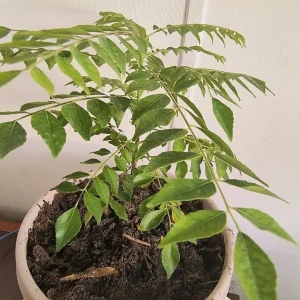
Our curry leaf live plant is carefully nurtured to ensure it arrives at your doorstep ready to flourish. It’s an excellent choice for those looking to explore new culinary horizons or simply enjoy the satisfaction of growing their own fresh herbs. With proper curry leaf plant care, this plant can provide you with an abundant supply of leaves for many years. Whether you’re making curries, stews, or tempering dishes, having a fresh supply of this essential herb is invaluable. This particular specimen is well-suited for container growing, making it adaptable to various living spaces and climates, especially as a curry tree indoor plant in cooler regions.
Key Benefits
Growing your own curry leaf live plant offers a multitude of advantages, from enhancing your cooking to enriching your living space. This versatile herb provides both aesthetic appeal and practical utility.
- Authentic Culinary Flavor: Enjoy the unparalleled, fresh, and aromatic flavor that only freshly picked curry leaves can provide. They are essential for traditional Indian, Sri Lankan, and other South Asian dishes, lending a unique depth that dried alternatives cannot match.
- Health Benefits: Curry leaves are rich in antioxidants, vitamins, and minerals, and are traditionally known for various health-promoting properties, including aiding digestion and managing blood sugar levels.
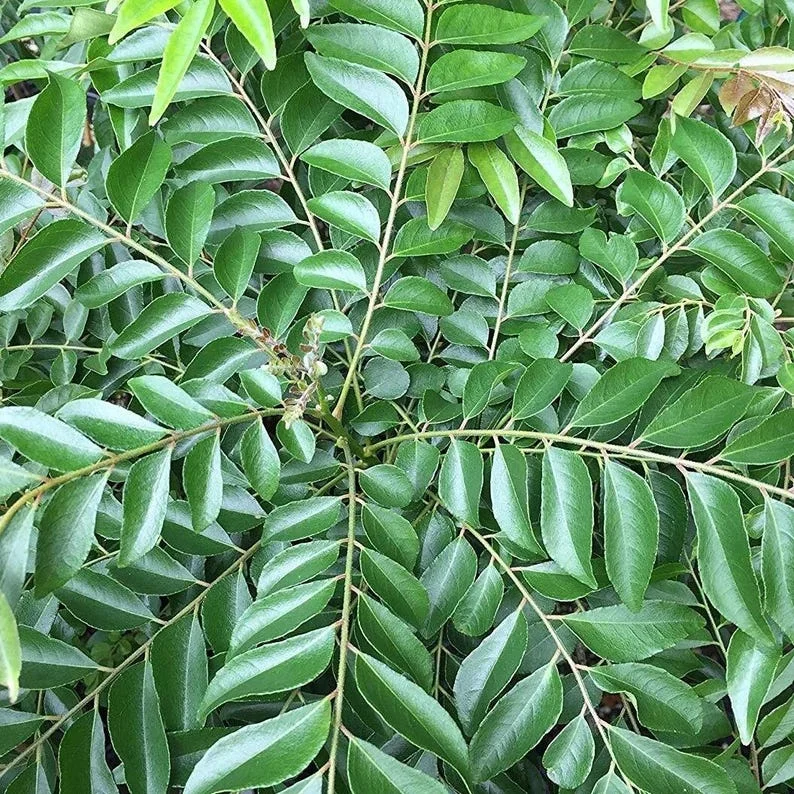
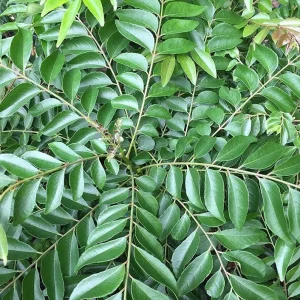
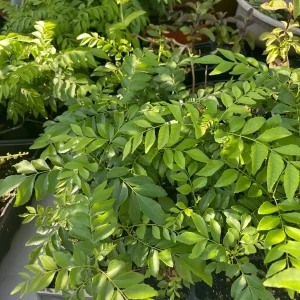
- Fragrant and Decorative: The glossy green foliage of the curry leaf live plant is visually appealing and releases a delightful, unique aroma when brushed, making it a wonderful addition to any herb garden or kitchen.
- Easy to Grow: With basic curry leaf plant care, this plant is relatively low-maintenance and can thrive in a variety of settings, making it suitable for gardeners of all experience levels.
- Year-Round Freshness: When grown indoors, especially as a curry tree indoor plant, you can have access to fresh leaves all year, regardless of the outdoor climate.
- Pest Repellent: The strong aroma of the leaves can naturally deter some common garden pests, contributing to a healthier garden ecosystem.
- Cultural Significance: The karivepaku plant holds cultural significance in many traditions, making it a meaningful addition to your home.
Plant Care & Growing Tips
Caring for your curry leaf live plant is straightforward, ensuring a continuous supply of fresh leaves. This plant thrives in warm, humid conditions and requires specific attention to its environment to flourish. For optimal growth, provide plenty of sunlight. It prefers full sun, meaning at least 6-8 hours of direct sunlight per day. If growing indoors, place it near a south-facing window or supplement with a grow light to ensure it receives adequate light. In regions with intense summer heat, some afternoon shade can be beneficial to prevent leaf scorch. The murraya koenigii plant is sensitive to cold, so protect it from frost, especially if you live outside its ideal USDA hardiness zones.
Watering should be consistent but not excessive. Allow the top inch or two of soil to dry out completely between waterings, then water thoroughly until it drains from the bottom of the pot. Ensure proper drainage to prevent root rot, which is a common issue for many plants, including the curry leaf live plant. A well-draining potting mix is crucial; a good blend would include compost, perlite, and sand. Fertilize every 2-4 weeks during the growing season (spring and summer) with a balanced liquid fertilizer diluted to half strength. Reduce fertilization in fall and winter. Yellowing leaves can often indicate a nutrient deficiency or overwatering. Pruning can encourage bushier growth and more leaves; simply snip off the tips of branches. This regular pruning is a key aspect of good curry leaf plant care.
The ideal temperature range for this plant is between 65-95°F (18-35°C). It can tolerate short periods of cooler temperatures but will suffer in prolonged cold. If you’re growing it outdoors in a cooler climate, consider bringing it inside once temperatures drop below 50°F (10°C) to maintain it as a healthy curry tree indoor plant. Watch out for common pests like spider mites or mealybugs, especially in dry indoor environments. Regular inspection and wiping leaves with a damp cloth or using neem oil can help keep these pests at bay. Providing adequate humidity, especially indoors, can also deter spider mites.
Size & Details
This offering is for one healthy curry leaf live plant, which typically measures 8-12 inches tall from the base of the soil to the tip of its tallest leaf. It comes established in a 4-inch nursery pot, providing ample space for its initial growth phase. The plant is carefully packaged to ensure safe transit and minimal stress upon arrival. Curry leaf live plant has a moderate growth rate and, with optimal care, can reach heights of 6-15 feet in its native environment, though it remains much more compact when container-grown, often staying within 3-6 feet. The plant will arrive with established roots and several healthy leaves, ready for transplanting into a larger pot or your garden if the climate permits.
Frequently Asked Questions
- Q: How big does this plant get? A: This curry leaf live plant is currently 8-12 inches tall. When grown in a container, it usually reaches 3-6 feet in height, but can be pruned to maintain a desired size. In its natural habitat, it can grow much taller.
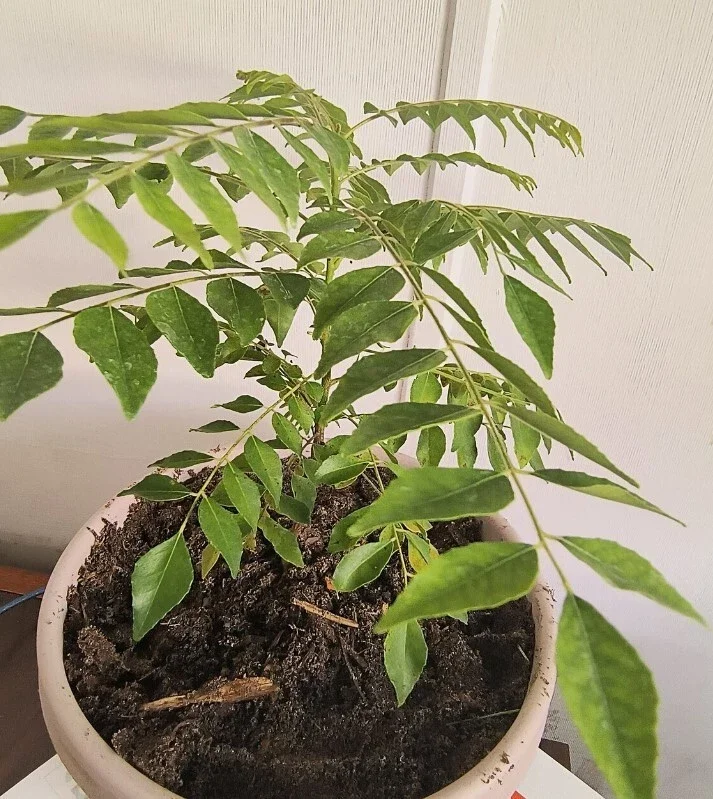
- Q: Is this an indoor or outdoor plant? A: The curry leaf live plant can be grown both indoors and outdoors. It thrives outdoors in warm, frost-free climates (USDA Zones 9-11). In cooler regions, it’s best grown as a curry tree indoor plant or brought inside during winter.
- Q: How much sunlight does it need? A: For best growth, your curry leaf live plant requires at least 6-8 hours of direct sunlight daily. If grown indoors, a bright, south-facing window is ideal, or you can use a supplemental grow light.
- Q: Is this plant easy to care for? A: Yes, with consistent watering and plenty of sunlight, the curry leaf live plant is relatively easy to care for. It’s a great choice for both beginners and experienced gardeners, especially if you follow basic curry leaf plant care guidelines.
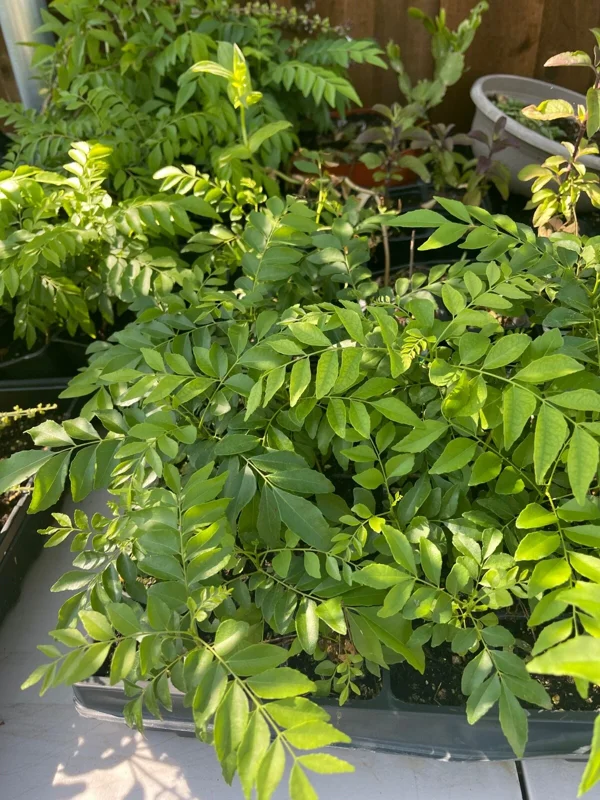
- Q: What condition will it arrive in? A: Your curry leaf live plant will arrive well-packaged in its 4-inch nursery pot, with established roots and healthy foliage, ready for you to continue nurturing it. We take great care to ensure it reaches you in excellent condition.
- Q: Can I use curry leaf in cooking? A: Absolutely! The leaves of the karivepaku plant are highly prized for their unique flavor and aroma in South Asian cuisine. They are best used fresh in curries, stews, and tempering.
- Q: What’s the minimum temperature it can tolerate? A: The murraya koenigii plant is sensitive to cold. It prefers temperatures above 50°F (10°C). Prolonged exposure to temperatures below this can damage or kill the plant.
- Q: Is it shipped in soil? A: Yes, the curry leaf live plant is shipped in its original 4-inch nursery pot with soil, ensuring its roots remain undisturbed and hydrated during transit.
- Q: When is the best time to plant? A: If planting outdoors in a suitable climate, spring is generally the best time. For indoor growing, you can plant or repot your curry leaf live plant any time of year.
- Q: What kind of soil does it need? A: This plant thrives in well-draining soil. A good potting mix that includes compost, perlite, and sand is recommended to ensure proper drainage and aeration for the roots.
Be the first to review “Curry Leaf Live Plant 8-12in Tall – 4in Pot | Aromatic Herb for Cooking”
People Also Viewed


Sold 79 products
Original price was: $41.56.$20.78Current price is: $20.78.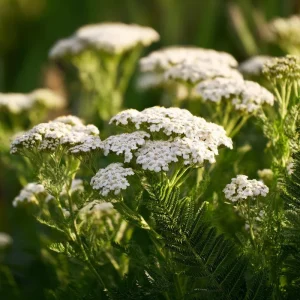
Flower Seeds
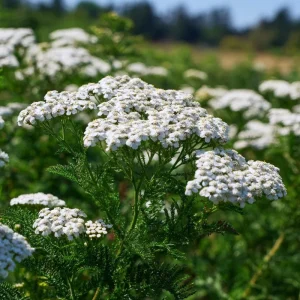
White Yarrow Seeds – 500 Achillea millefolium Perennial Flower Seeds, Attracts Pollinators
Sold 91 products
Original price was: $31.99.$11.99Current price is: $11.99.

Sold 63 products
Original price was: $63.96.$31.98Current price is: $31.98.
Sold 82 products
Original price was: $111.96.$55.98Current price is: $55.98.
Sold 52 products
From $19.98
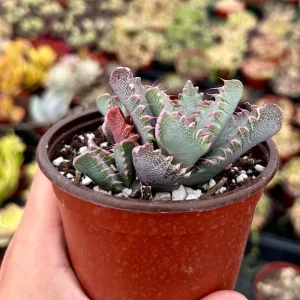
Succulents
Tiger Jaw Succulent Live Plant, Faucaria Tigrina, Easy Care, 2″ or 4″ Pot, Indoor/Outdoor
Sold 51 products
Original price was: $40.99.$25.99Current price is: $25.99.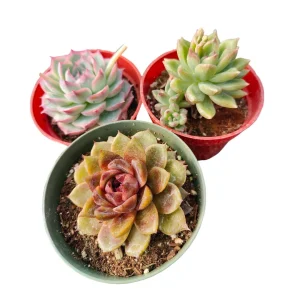
Sold 89 products
Original price was: $164.80.$82.40Current price is: $82.40.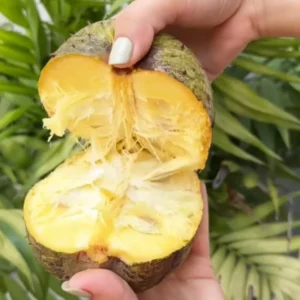
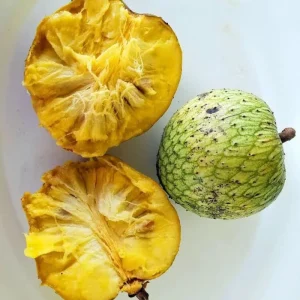
Trees
Yellow Soursop Guanabana Live Plant, 5-10 Inch Tropical Fruit Tree, Well-Rooted for Patio & Garden
Sold 93 products
Original price was: $61.98.$31.99Current price is: $31.99.
Sold 82 products
Original price was: $51.96.$25.98Current price is: $25.98.
Sold 85 products
Original price was: $63.98.$31.99Current price is: $31.99.
Sold 94 products
From $15.96
Sold 53 products
Original price was: $14.88.$7.44Current price is: $7.44.
Sold 97 products
Original price was: $10.76.$5.38Current price is: $5.38.
Sold 89 products
Original price was: $20.00.$16.00Current price is: $16.00.
Sold 62 products
Original price was: $31.99.$11.99Current price is: $11.99.
Sold 68 products
Original price was: $30.78.$21.54Current price is: $21.54.
Sold 75 products
From $18.99

Herb Seeds
200+ Cilantro Coriander Culantro Ngò Gai Seeds – Non-GMO Herb Seeds for Indoor/Outdoor Planting
Sold 75 products
Original price was: $11.96.$5.98Current price is: $5.98.




%20Live%20Plant%20–%20Assorted%204%20Inch%20Succulents&url=https://gardennursery.net/product/korean-succulent-trio-melody-live-plant-assorted-4-inch-succulents/&media=https://img.gardennursery.net/2026/01/korean-succulent-trio-melody-live-plant-assorted-4-1024x1024.webp)


Reviews
There are no reviews yet.