
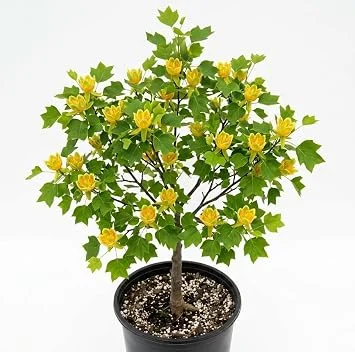
2 Tulip Poplar Trees Live Plants – 8-12″ Tall, Yellow Blooms, Quart Pot, Outdoor
Original price was: $59.90.$29.95Current price is: $29.95.
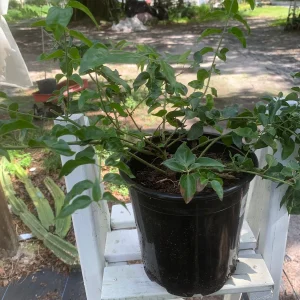
Add majestic beauty to your yard with this pack of tulip poplar trees. These tulip poplar live plant seedlings arrive 8–12 inches tall in quart pots, ready for planting. Known for their striking yellow, tulip-shaped flowers and brilliant fall color, they make an excellent fast growing shade tree.
-
USDA Hardiness Zone
USDA Zones 4-9 -
Soil Type
Well-draining, moist, slightly acidic to neutral soil -
Sunlight Exposure
Full sun (at least 6 hours direct sunlight) -
Expected Planting Period
Spring to early summer or early fall

You can track your order HERE
Oct 31
Nov 05 - Nov 07
Nov 10 - Nov 14
Shipping and return policies: Our Alive & Thrive Guarantee covers issues with your plants within the first 30 days. Reach out to us. Our team will answer your questions and help you find the plants that are truly suitable for your environment, climate, and personal preferences.

Overview
Transform your outdoor space with this exquisite pack of two tulip poplar trees. These vibrant, healthy seedlings arrive 8–12 inches tall, nestled in quart-sized pots, perfectly prepared to establish deep roots in your landscape. The Tulip Poplar, scientifically known as Liriodendron tulipifera, is a magnificent deciduous tree renowned for its rapid growth and stunning ornamental features. Often referred to as a yellow tulip tree or tulip tree, it stands out with its unique, four-lobed leaves and spectacular yellow-green, tulip-shaped flowers that bloom in late spring to early summer. Beyond its captivating blossoms, this tree offers year-round visual interest, with its foliage turning a brilliant golden yellow in the fall, creating a dramatic display. Ideal for creating shade or as a prominent specimen, the tulip poplar live plant is a beloved addition to gardens and yards across a wide range of climates, promising a grand presence and ecological benefits.
Cultivating a tulip poplar live plant means investing in a resilient and beautiful future for your garden. These young trees are robust and adaptable, making them suitable for various soil conditions and landscape designs. Whether you’re aiming to attract pollinators, provide natural shade, or simply enhance your property’s aesthetic appeal, the yellow tulip tree is an excellent choice. Its upright growth habit and impressive stature at maturity ensure it becomes a significant focal point. This offering provides two individual plants, allowing for flexible planting options – whether you wish to create a pair of focal points or plant them in different areas of your property to maximize their impact.
Key Benefits
The tulip poplar trees offer a multitude of benefits, enhancing both the beauty and functionality of your outdoor environment. Their unique characteristics make them a prized addition for any homeowner or landscape enthusiast.
- Stunning Floral Display: Enjoy beautiful, large, yellow-green, tulip-shaped flowers that emerge in late spring. These unique blooms are a major draw, adding an exotic touch to your garden and attracting hummingbirds and other pollinators, contributing to local biodiversity.
- Vibrant Autumn Color: Witness a breathtaking transformation as the foliage turns a brilliant golden yellow in the fall. This dramatic seasonal change provides exceptional visual interest and makes the yellow tulip tree a standout feature in any autumn landscape.
- Rapid Growth Rate: Known as a fast growing shade tree, the Tulip Poplar quickly establishes itself and provides substantial shade within a few years. This makes it an ideal choice for those looking to create an established landscape relatively quickly, offering shade and privacy sooner.
- Excellent Shade Provider: With its tall, upright growth habit and dense canopy, this tree is perfect for creating natural shade in your yard. It helps cool your home and outdoor living spaces during hot summer months, reducing energy costs and providing comfortable areas for relaxation.
- Hardy and Adaptable: These tulip poplar trees are remarkably resilient and adaptable to a wide range of soil types and growing conditions. They thrive in USDA Zones 4–9, making them suitable for many regions across the US, and require minimal maintenance once established.
- Landscape Versatility: Perfect as a specimen tree to anchor your garden, a shade tree for a patio, or integrated into native landscape plantings. Its majestic presence and year-round appeal ensure it fits seamlessly into diverse garden designs, enhancing curb appeal.
- Ecological Value: Beyond its aesthetic appeal, the Tulip Poplar supports local ecosystems by providing nectar for pollinators and shelter for various wildlife. Planting a tulip tree for sale contributes positively to the environment.
Plant Care & Growing Tips
Caring for your tulip poplar trees is straightforward, especially once they are established. These robust trees are known for their resilience, but providing optimal conditions during their early growth stages will ensure a strong, healthy start. They thrive best in full sun, meaning they require at least 6 hours of direct sunlight per day. Choose a planting site that offers ample space for their mature size, both in height and spread, ensuring they won’t interfere with structures or power lines. Their preference for sunlight is key to developing strong branches and abundant blooms.
When it comes to soil, the tulip poplar live plant prefers well-drained, moist, and slightly acidic to neutral soil. While adaptable, avoiding extremely heavy clay or sandy soils will yield the best results. Amend your planting hole with organic matter like compost to improve soil structure and nutrient content. Consistent watering is crucial during the first year after planting, helping the roots establish. Aim for about 1 inch of water per week, either from rainfall or irrigation, especially during dry spells. Once established, they are quite drought-tolerant, though supplemental watering during prolonged dry periods will benefit their health and vigor. Fertilization is generally not necessary for mature trees in good soil, but young trees can benefit from a balanced, slow-release fertilizer in early spring, following product instructions. Ensure good air circulation around the tree to prevent fungal issues, and prune only to remove dead, damaged, or crossing branches, ideally in late winter when the tree is dormant. This minimal maintenance regimen will help your yellow tulip tree flourish.
Size & Details
This offering includes a pack of two healthy tulip poplar trees, each arriving as a young seedling ready for immediate transplanting. Each tree measures approximately 8–12 inches tall from the top of the soil, providing an excellent foundation for vigorous growth. They are carefully potted in quart-sized containers, ensuring the root ball is intact and protected during transit and making for easy handling upon arrival. The Tulip Poplar is celebrated for its fast growth rate, typically adding 1-2 feet of height per year under optimal conditions. Expect these seedlings to begin establishing quickly, with noticeable growth within their first season in the ground. Over time, a mature tulip tree for sale can reach impressive heights of 70-90 feet with a spread of 30-50 feet, developing into a majestic shade tree with a stately, upright habit. These plants are shipped as live, actively growing specimens, carefully packaged to ensure their vitality.
Frequently Asked Questions
- Q: How big do these tulip poplar trees get? A: These seedlings arrive 8–12 inches tall. A mature tulip poplar live plant can reach impressive heights of 70-90 feet with a spread of 30-50 feet, making it a truly grand shade tree.
- Q: Is this an indoor or outdoor plant? A: The tulip poplar trees are outdoor plants, best suited for landscaping. They are hardy and thrive when planted directly in the ground, providing shade and beauty to your yard.
- Q: How much sunlight does it need? A: These trees require full sun, meaning at least 6 hours of direct sunlight per day, to ensure optimal growth, health, and flowering.
- Q: Is this plant easy to care for? A: Yes, the Tulip Poplar is generally considered an easy-to-care-for tree, especially once established. It’s known for its resilience and adaptability, making it a good choice for various gardeners.
- Q: What condition will the trees arrive in? A: Your tulip poplar trees will arrive as live, actively growing seedlings, 8–12 inches tall, carefully packaged in quart-sized pots with their root systems intact and healthy.
- Q: When is the best time to plant a yellow tulip tree? A: The best time to plant a yellow tulip tree is in the spring or early fall, allowing the roots to establish before extreme summer heat or winter cold.
- Q: What USDA zones are suitable for these trees? A: These tulip poplar trees are adaptable and thrive in USDA Hardiness Zones 4 through 9, covering a wide range of climates across the United States.
- Q: What kind of soil does a fast growing shade tree like this prefer? A: A fast growing shade tree like the Tulip Poplar prefers well-drained, moist, and slightly acidic to neutral soil. Amending with organic matter can enhance growth.
- Q: Will the flowers really look like tulips? A: Yes, the flowers of the Tulip Poplar are distinctively shaped like tulips, featuring yellow-green petals often with an orange band at the base, giving the tree its common name.
- Q: Can I plant these tulip poplar trees close together? A: While you can plant them in proximity, remember their mature size. For optimal growth and to avoid overcrowding, ensure adequate spacing, typically 30-50 feet apart, allowing each tree to reach its full potential.
Be the first to review “2 Tulip Poplar Trees Live Plants – 8-12″ Tall, Yellow Blooms, Quart Pot, Outdoor”
People Also Viewed





Vines
Mexican Creeper Live Plant Set – 4 Pink Flowering Vines, Antigonon leptopus, 4-6″ Tall, Outdoor
Sold 96 products
Original price was: $76.98.$38.49Current price is: $38.49.






HousePlants
2 Green Swedish Ivy Live Plants, Plectranthus Verticillatus Trailing Houseplant, 4 Inch Pot
Sold 90 products
Original price was: $35.99.$20.99Current price is: $20.99.








Reviews
There are no reviews yet.