
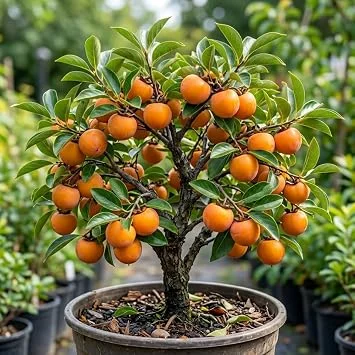
Common Persimmon Tree Live Plant – Hardy Deciduous Fruit Tree 6-14″ Tall in Qt Pot
Original price was: $41.98.$20.99Current price is: $20.99.
Cultivate your own delicious harvest with a common persimmon tree live plant. This hardy deciduous fruit tree, standing 6-14 inches tall in a quart pot, is ready for planting. Enjoy beautiful foliage and sweet orange fruits.
-
USDA Hardiness Zone
USDA Zones 4-9 -
Soil Type
Well-draining soil -
Sunlight Exposure
Full sun to partial shade -
Expected Planting Period
Spring or Fall

You can track your order HERE
Oct 30
Nov 04 - Nov 06
Nov 09 - Nov 13
Shipping and return policies: Our Alive & Thrive Guarantee covers issues with your plants within the first 30 days. Reach out to us. Our team will answer your questions and help you find the plants that are truly suitable for your environment, climate, and personal preferences.

Overview
Bring the joy of homegrown fruit to your garden with a common persimmon tree live plant. This beautiful and resilient deciduous tree, known scientifically as Diospyros virginiana, is a fantastic addition for both its ornamental value and its bounty of sweet, orange fruits. Often referred to as the American Persimmon, this plant is native to the eastern United States and is celebrated for its adaptability and delicious harvest. Our live plant arrives approximately 6-14 inches tall in a quart (Qt) pot, perfectly rooted and ready to be transplanted into your landscape or a larger container. Growing your own hardy persimmon tree allows you to experience the full lifecycle of this rewarding fruit-bearer.
The common persimmon tree live plant is an excellent choice for gardeners looking for a low-maintenance yet productive fruit tree. It’s a woody, deciduous specimen, meaning it sheds its leaves in the fall, revealing an attractive silhouette throughout the winter. Come spring, it bursts forth with fresh green foliage, followed by inconspicuous flowers that develop into the characteristic orange persimmon fruits. These fruits are not only delightful to eat fresh but can also be used in various culinary applications, from jams and jellies to baked goods. Investing in a common persimmon tree live plant is a step towards sustainable gardening and enjoying fresh, organic produce right from your backyard.
Key Benefits
A common persimmon tree live plant offers a multitude of benefits for any home garden, combining aesthetic appeal with practical advantages for fresh fruit production. Its robust nature and delicious yield make it a highly desirable choice.
- Delicious Fruit Production: Enjoy a yearly harvest of sweet, flavorful orange persimmon fruit. These unique fruits are a treat when fully ripened, perfect for fresh eating or culinary uses like pies, puddings, and preserves. Growing your own ensures the freshest taste.
- Hardy and Adaptable: The hardy persimmon tree is renowned for its ability to thrive in a wide range of climates and soil conditions. It’s tolerant of both heat and cold, making it a reliable choice for many USDA zones and a resilient addition to your garden.
- Low Maintenance: Once established, this american persimmon tree requires minimal care. It’s relatively disease and pest-resistant, allowing you more time to enjoy its beauty and less time on intensive maintenance tasks.
- Attractive Deciduous Foliage: Beyond its fruit, the tree provides lovely green leaves throughout the growing season, which turn beautiful shades of yellow, orange, and red in the fall, adding seasonal interest to your landscape.
- Wildlife Attractor: The fruits are a favorite food source for various wildlife, including birds and deer, making your garden a lively habitat. Planting a common persimmon tree live plant supports local ecosystems.
- Soil Erosion Control: Its strong root system can help stabilize soil, making it a good choice for sloped areas or erosion-prone sites in your yard.
- Long Lifespan: A well-cared-for persimmon tree can live for many decades, providing a continuous supply of fruit and beauty for generations to come.
Plant Care & Growing Tips
Ensuring the success of your common persimmon tree live plant begins with proper planting and consistent care, though it is known for its hardiness. This deciduous tree thrives in conditions that mimic its natural habitat. For optimal growth and fruit production, select a site that receives full sun, meaning at least 6-8 hours of direct sunlight per day. While it can tolerate partial shade, full sun promotes better fruiting and stronger growth. When planting, dig a hole twice as wide as the root ball and just as deep. Gently remove the tree from its quart pot, loosen any circling roots, and place it in the hole, ensuring the top of the root ball is level with the surrounding soil. Backfill with native soil, avoiding deep planting, and water thoroughly to settle the soil around the roots.
Watering is crucial for the first year after planting to help establish the root system. Aim for consistent moisture, but avoid waterlogging. Once established, the hardy persimmon tree is quite drought-tolerant, though supplemental watering during prolonged dry spells will benefit fruit development. It adapts to a variety of soil types, but prefers well-draining soil with a pH between 6.0 and 7.0. While not strictly necessary, a balanced, slow-release fertilizer can be applied in early spring after the first year to support vigorous growth. Pruning is generally minimal, focusing on removing dead, damaged, or crossing branches to maintain a healthy structure. Understanding persimmon plant care will lead to a thriving tree. The american persimmon tree is generally hardy in USDA Zones 4-9, tolerating winter temperatures well once mature. Protect young trees from severe frost during their first few winters if you are in a colder zone.
Size & Details
This offering is for one common persimmon tree live plant, which arrives as a well-rooted starter tree, approximately 6-14 inches tall. It is shipped securely in a quart (Qt) pot, ensuring its root system is intact and ready for transplanting upon arrival. The height may vary slightly due to natural growth patterns, but each plant is selected for health and vigor. When mature, a hardy persimmon tree can reach an impressive height of 30-50 feet, with a spread of 20-35 feet, forming a beautiful, rounded canopy. Its growth rate is moderate, typically adding 12-24 inches per year under ideal conditions. The fruits, which are about 1-2 inches in diameter, ripen in the fall, usually after the leaves have started to drop.
Expect your common persimmon tree live plant to begin producing fruit within 3-5 years after planting, though this can vary based on growing conditions and specific care. It is a long-lived tree, providing decades of enjoyment and harvest. The plant is shipped dormant or semi-dormant during colder months to ensure safe transit and successful establishment. Upon receipt, unpack immediately and water if the soil feels dry. This american persimmon tree is an investment that will grow with your garden, providing both shade and delicious fruit for many years.
Frequently Asked Questions
- Q: How big does this plant get? A: This common persimmon tree live plant arrives approximately 6-14 inches tall in a quart pot. When mature, it can reach heights of 30-50 feet with a spread of 20-35 feet, developing into a significant shade and fruit tree.
- Q: Is this an indoor or outdoor plant? A: The common persimmon tree live plant is an outdoor deciduous tree. It requires ample space to grow and thrives when planted in the ground in a suitable climate. It is not suitable for long-term indoor cultivation.
- Q: How much sunlight does it need? A: This hardy persimmon tree performs best in full sun, meaning it needs at least 6-8 hours of direct sunlight per day. While it can tolerate some partial shade, full sun exposure is crucial for optimal growth and fruit production.
- Q: Is this plant easy to care for? A: Yes, once established, the american persimmon tree is considered a low-maintenance plant. It is quite hardy and adaptable to various conditions, making persimmon plant care relatively straightforward for most gardeners.
- Q: What condition will it arrive in? A: Your common persimmon tree live plant will arrive as a live, well-rooted starter tree in a quart pot, carefully packaged to ensure its health during transit. It will be ready for transplanting into your garden.
- Q: How long until it produces fruit? A: Typically, a common persimmon tree live plant will begin producing its first orange persimmon fruit within 3-5 years after planting. This timeline can vary depending on growing conditions and the care it receives.
- Q: Will it survive winter in my zone? A: The hardy persimmon tree is generally suited for USDA Hardiness Zones 4-9. It is a deciduous tree, meaning it is naturally adapted to shed its leaves and go dormant in winter, tolerating cold temperatures once mature.
- Q: What is the best time to plant a common persimmon tree? A: The ideal time to plant a common persimmon tree live plant is in the spring or fall when temperatures are moderate. This allows the tree to establish its root system before the stress of extreme summer heat or winter cold.
- Q: Does it need a pollinator to produce fruit? A: While some persimmon varieties require a pollinator, the american persimmon tree (Diospyros virginiana) can often produce fruit without a male pollinator (parthenocarpy), though having another tree nearby can sometimes increase yield.
- Q: What kind of soil does this persimmon plant care for? A: This tree prefers well-draining soil and can tolerate a range of soil types, including clay, loam, and sandy soils. Good drainage is key to preventing root issues.
Be the first to review “Common Persimmon Tree Live Plant – Hardy Deciduous Fruit Tree 6-14″ Tall in Qt Pot”
People Also Viewed




Sold 72 products
Original price was: $1,800.00.$900.00Current price is: $900.00.

Herbs
Peppermint Live Plants – Set of 3 – Fragrant Culinary Herb for Indoor/Outdoor Garden – Cold Hardy
Sold 88 products
Original price was: $31.98.$15.99Current price is: $15.99.


Flower Plants
Grand Duke of Tuscany Jasmine Live Plant – Fragrant Blooming Indoor/Outdoor – 4 to 7 Inches Tall
Sold 87 products
Original price was: $49.96.$24.98Current price is: $24.98.


Succulents
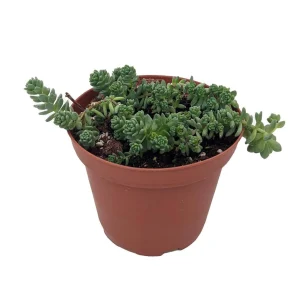
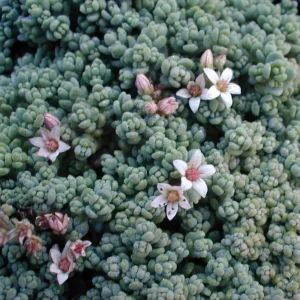
Corsican Blue Tears Sedum Live Plant – Sedum dasyphyllum – 3.7″ Pot – Indoor/Outdoor Succulent
Sold 75 products
Original price was: $41.56.$20.78Current price is: $20.78.


Flowers
Set of 2 Otto Quast Lavender Live Plants 4-6″ Tall – Fragrant Perennial Flowers Indoor/Outdoor
Sold 96 products
Original price was: $36.38.$18.19Current price is: $18.19.



Reviews
There are no reviews yet.