
Saffron Crocus Bulbs (Crocus sativus) – 5 Pack – Grow Your Own Spice
Original price was: $36.21.$22.98Current price is: $22.98.
Cultivate the world’s most luxurious spice with our premium saffron crocus bulbs. Each pack contains 5 Crocus sativus bulbs, ready to plant and produce the delicate threads used in gourmet cooking. Ideal for zones 6-9, these bulbs offer a rewarding gardening experience.
-
USDA Hardiness Zone
USDA Zones 6-9 -
Soil Type
Well-draining, sandy loam -
Sunlight Exposure
Full sun -
Expected Planting Period
Late summer to early fall

You can track your order HERE
Oct 10
Oct 15 - Oct 17
Oct 20 - Oct 24
Shipping and return policies: Our Alive & Thrive Guarantee covers issues with your plants within the first 30 days. Reach out to us. Our team will answer your questions and help you find the plants that are truly suitable for your environment, climate, and personal preferences.

Overview
Embark on a culinary adventure right in your own garden with our premium saffron crocus bulbs. These exquisite Crocus sativus bulbs are the source of saffron, the highly prized spice known for its vibrant color, distinctive aroma, and rich flavor. Often referred to as ‘red gold,’ saffron is one of the most expensive spices in the world, and now you can enjoy the satisfaction of harvesting your own. Our bulbs are carefully selected to ensure vigorous growth and abundant flowering, making the process of how to grow saffron accessible and enjoyable for home gardeners. Perfect for those looking to add a unique and valuable crop to their landscape, these bulbs promise both beauty and bounty.
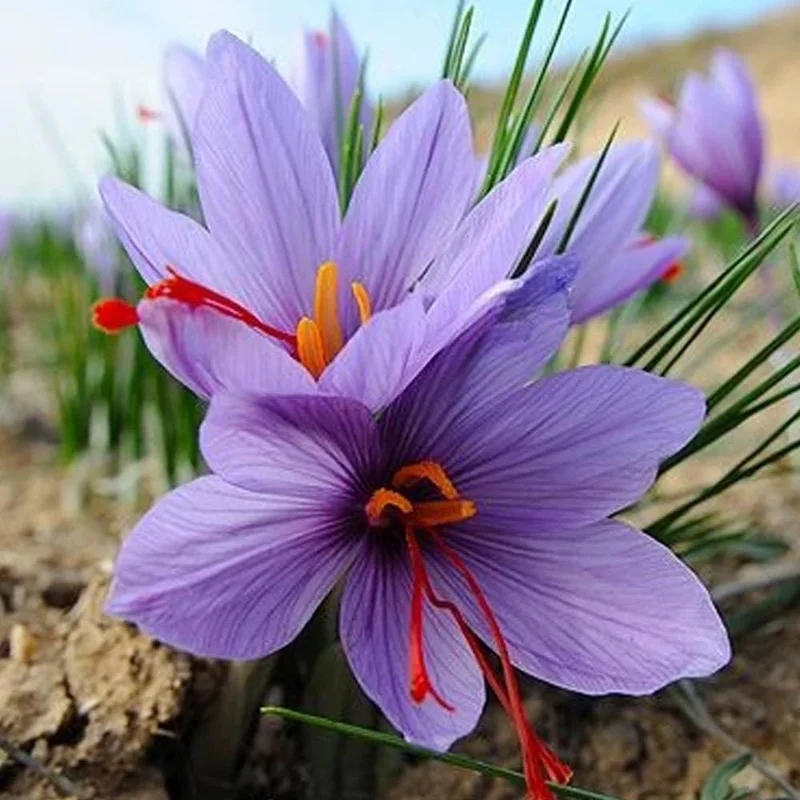
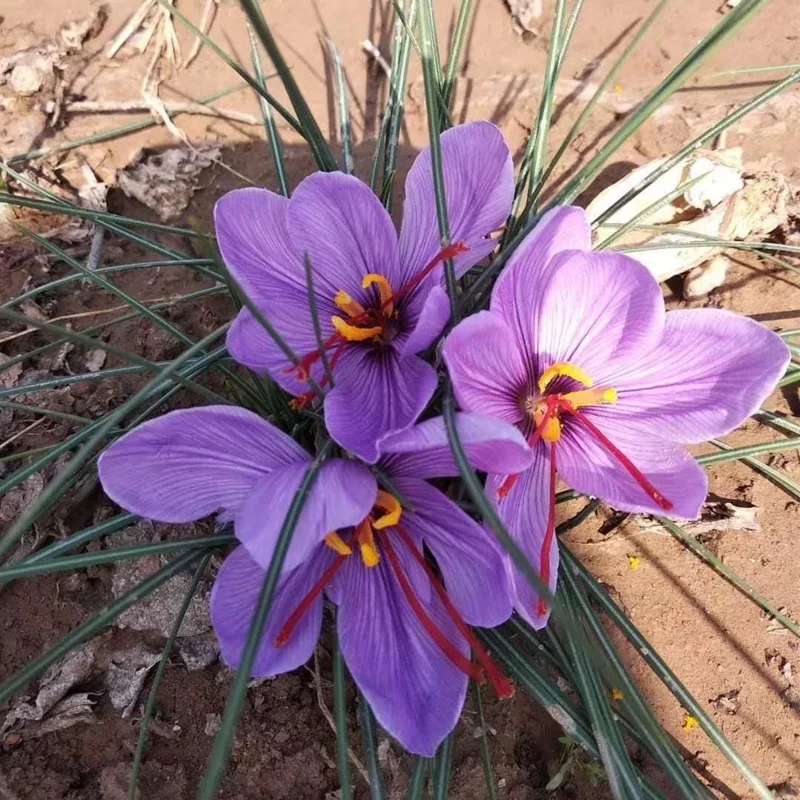
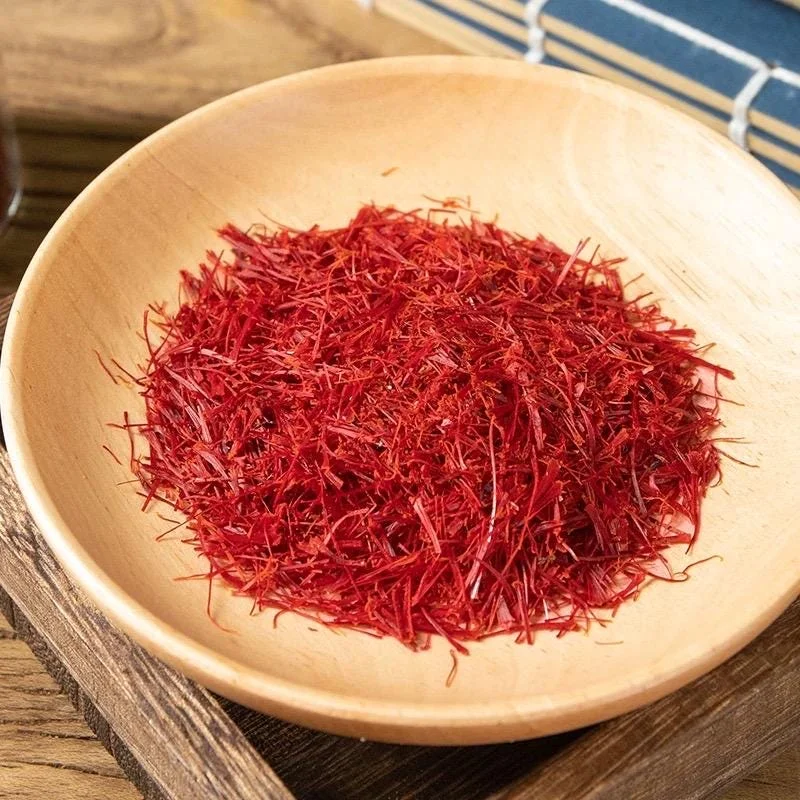
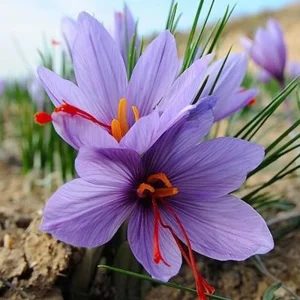
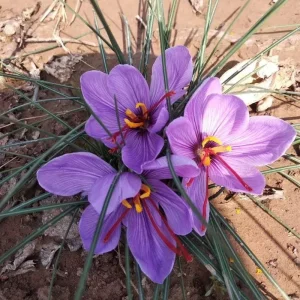
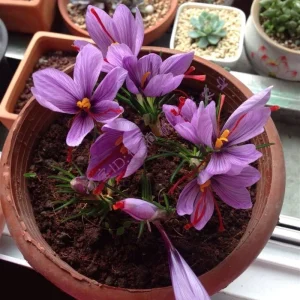
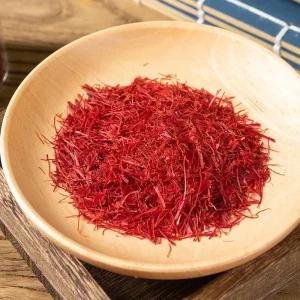
The Crocus sativus plant, from which saffron is derived, is a beautiful fall-blooming crocus. Unlike spring crocuses, these flowers emerge in autumn, producing stunning purple blooms. Each flower contains three delicate, crimson stigmas – the precious saffron threads. Growing your own saffron at home not only provides a fresh supply of this gourmet spice but also offers an engaging and rewarding gardening project. These bulbs are a fantastic choice for anyone interested in edible gardening or simply seeking a distinctive addition to their perennial beds.
Key Benefits
Growing saffron crocus bulbs offers a multitude of benefits, from the sheer joy of cultivation to the practical advantage of harvesting your own gourmet spice. These bulbs are an investment in flavor and a unique addition to any garden.
- Harvest Your Own Gourmet Spice: Enjoy the unparalleled satisfaction of harvesting fresh, high-quality saffron threads directly from your garden. This allows for a continuous supply of this luxurious spice for your culinary creations.
- Beautiful Fall Blooms: Unlike most crocuses, Crocus sativus blooms in the autumn, providing a splash of vibrant purple color when many other plants are fading. These attractive flowers enhance the late-season garden aesthetic.
- Economical and Sustainable: Producing your own saffron is significantly more cost-effective than purchasing it from stores, and it offers a sustainable way to enjoy this rare spice. You’ll gain a deeper appreciation for its value.
- Engaging Gardening Project: The process of planting, caring for, and harvesting saffron offers a rewarding and educational experience for gardeners of all levels, especially those interested in edible landscaping. Learn the intricacies of saffron plant care.
- Versatile Culinary Uses: Freshly harvested saffron can elevate a wide range of dishes, from paellas and risottos to desserts and teas, adding a unique aroma, flavor, and color.
- Adaptable to Various Climates: Thrives in USDA Zones 6-9, making it suitable for a broad range of temperate climates. With proper care, these bulbs can establish and multiply over the years.
- Low Maintenance Once Established: After initial planting and establishment, these crocus bulbs require relatively little ongoing maintenance, making them an excellent choice for busy gardeners.
Plant Care & Growing Tips
Successful cultivation of saffron crocus bulbs begins with proper planting and understanding their specific needs. These bulbs prefer a location with full sun exposure, meaning at least 6-8 hours of direct sunlight per day. Good drainage is paramount, as Crocus sativus bulbs are highly susceptible to rot in waterlogged soil. Amend heavy clay soils with organic matter and sand to improve drainage. Plant the bulbs in late summer to early fall, about 4-6 inches deep and 4-6 inches apart, with the pointed end facing upwards. While they can tolerate some drought once established, consistent moisture during their active growth period in fall and spring is beneficial, but avoid overwatering.
For optimal growth and saffron production, ensure your crocus sativus bulbs are in well-draining, rich soil. A slightly acidic to neutral pH (6.0-7.0) is ideal. Fertilize lightly in early spring with a balanced, slow-release granular fertilizer or compost to support bulb health and subsequent blooming. Protect the bulbs from rodents, which may be attracted to them, by planting in cages or using repellents if necessary. Once the flowers appear in autumn, typically in October or November, harvest the red stigmas (saffron threads) carefully with tweezers early in the morning after the dew has dried. Dry them thoroughly in a warm, dry place for a few days before storing in an airtight container.
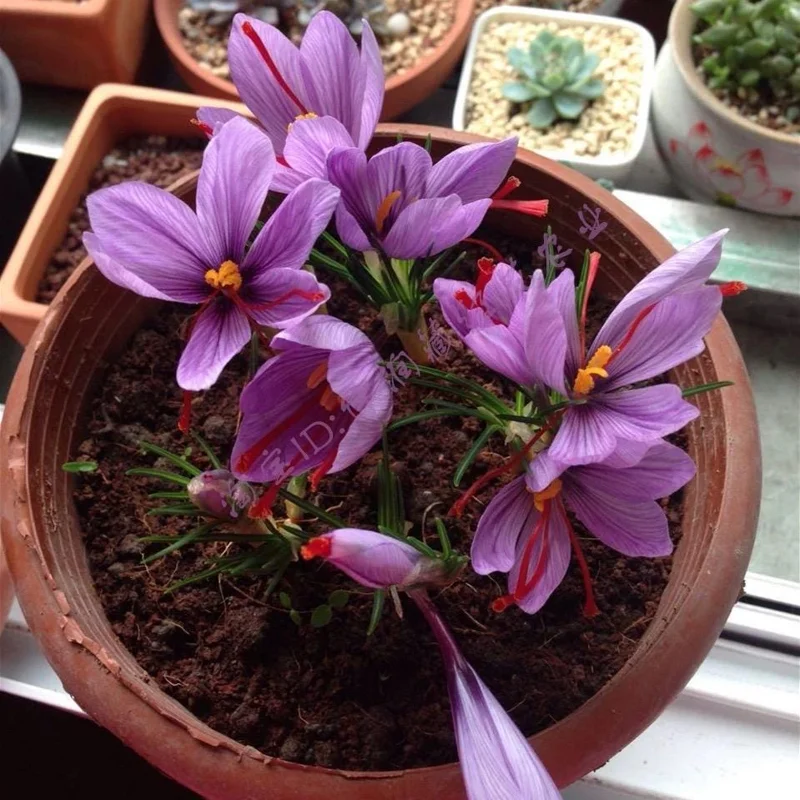
These plants are hardy in USDA Zones 6-9. In colder zones, consider growing them in containers that can be moved indoors during severe winter weather. In warmer zones, ensure they receive enough chill hours during winter for proper flowering. Learning how to grow saffron is a rewarding process that yields a valuable spice and beautiful autumnal flowers.
Size & Details
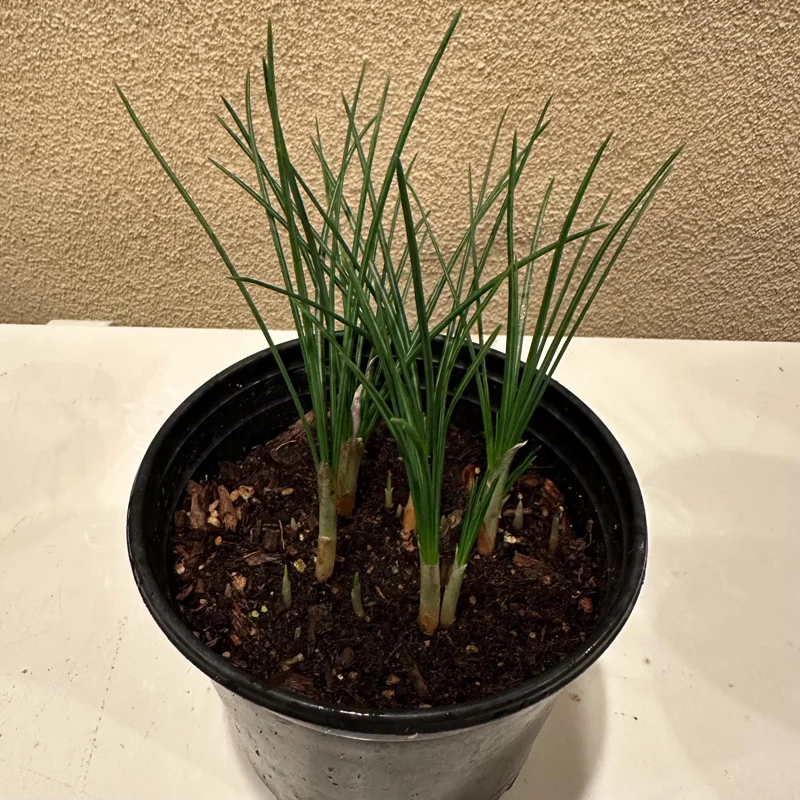
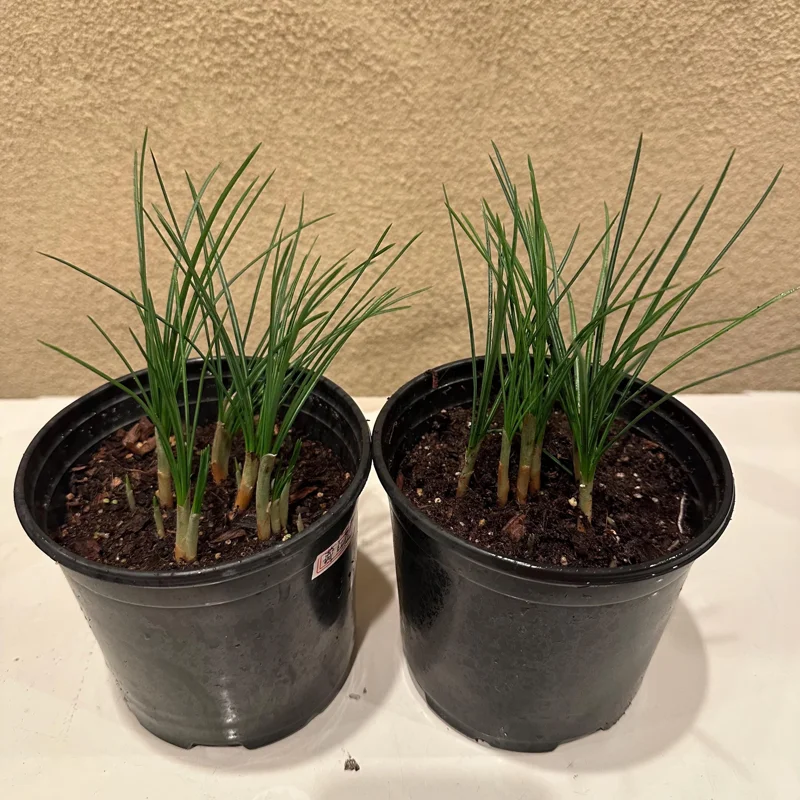
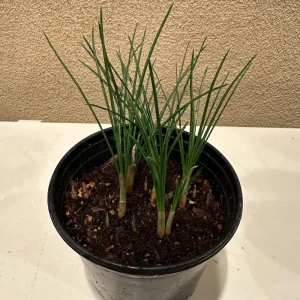
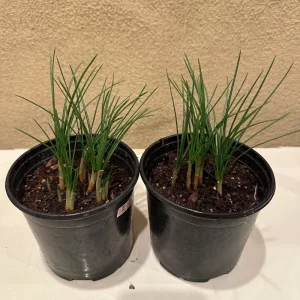
This offering includes 5 high-quality saffron crocus bulbs (Crocus sativus), carefully selected for their vigor and potential to produce bountiful saffron threads. Each bulb is approximately 2-3 cm in diameter, ensuring a strong start for your plants. When mature, the Crocus sativus plant typically reaches a height of 4-6 inches with a similar spread. The flowers are a striking purple, emerging in the fall, each containing three vibrant red stigmas. These bulbs are shipped in dormant condition, ready for planting upon arrival in late summer or early fall. With proper care, you can expect blooms and your first saffron harvest in the first year after planting, with increasing yields in subsequent years as the bulbs naturalize and multiply.
Frequently Asked Questions
- Q: How big do these saffron crocus bulbs get? A: Each bulb is typically 2-3 cm in diameter. The mature plant will reach about 4-6 inches in height and spread, producing delicate purple flowers in the fall.
- Q: Is this an indoor or outdoor plant? A: Crocus sativus is primarily an outdoor plant, hardy in USDA Zones 6-9. It requires a cold dormancy period to flower properly, making it less suitable for year-round indoor cultivation unless specific chilling requirements are met.
- Q: How much sunlight do these saffron crocus bulbs need? A: They thrive in full sun, requiring at least 6-8 hours of direct sunlight per day for optimal growth and saffron production.
- Q: Is this plant easy to care for? A: Yes, once established, saffron plant care is relatively easy. The most critical factors are well-draining soil and adequate sunlight. Harvesting the saffron threads requires a delicate touch but is not difficult.
- Q: What condition will the bulbs arrive in? A: The bulbs will arrive in a dormant state, ready for planting. They are carefully packaged to ensure they reach you in excellent condition, prepared for their new home.
- Q: How long until it blooms and produces saffron? A: If planted in late summer or early fall, you can expect the first flowers and saffron harvest in the same autumn. Subsequent years typically bring larger yields as the bulbs multiply.
- Q: What’s the best time to plant these bulbs? A: The ideal time to plant crocus sativus bulbs is in late summer to early fall, typically August to September, allowing them to establish before their autumn blooming period.
- Q: What type of soil is best for growing saffron? A: Well-draining soil is crucial. A sandy loam enriched with organic matter works best. Avoid heavy clay soils that retain too much moisture, as this can lead to bulb rot.
- Q: Can I really grow saffron at home successfully? A: Absolutely! With the right conditions – full sun, well-draining soil, and proper planting – growing your own saffron is a very achievable and rewarding endeavor for home gardeners.
- Q: Do I need to fertilize my saffron crocus? A: A light application of a balanced, slow-release fertilizer or compost in early spring can help support bulb health and flower production for your saffron crocus bulbs.
Be the first to review “Saffron Crocus Bulbs (Crocus sativus) – 5 Pack – Grow Your Own Spice”
People Also Viewed
Shrubs
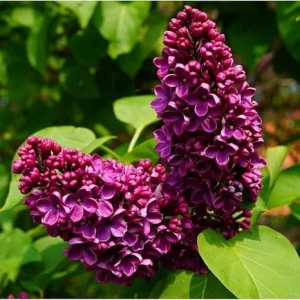
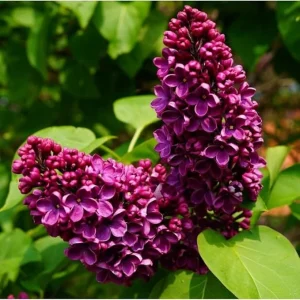
Purple Lilac Live Plant – Fragrant Syringa Flower – 6 to 8 Inch Tall Dormant Starter Plant – Outdoor
Sold 88 products
Original price was: $71.98.$35.99Current price is: $35.99.














Reviews
There are no reviews yet.