
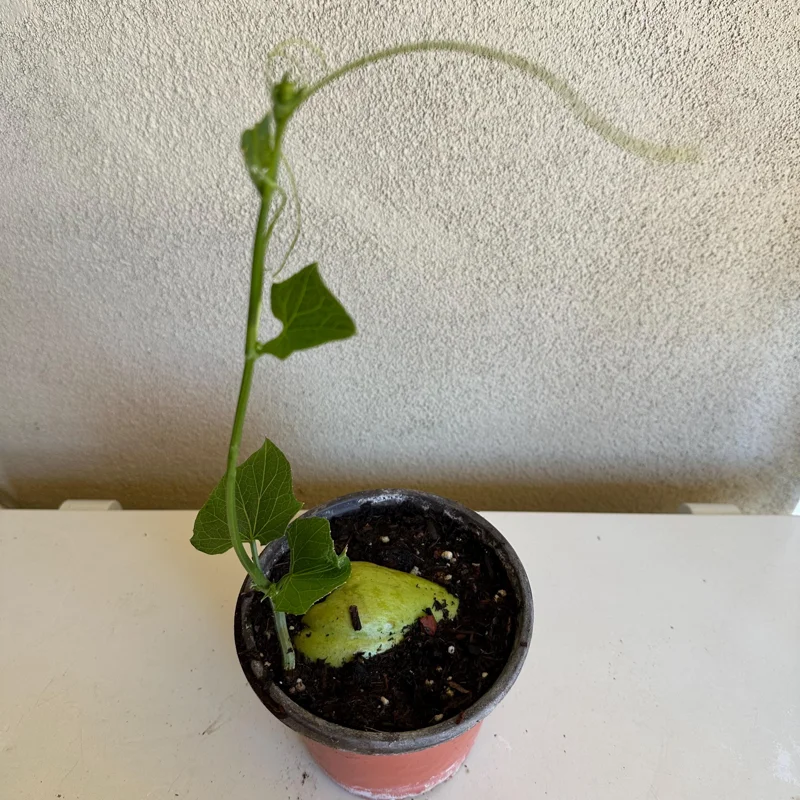
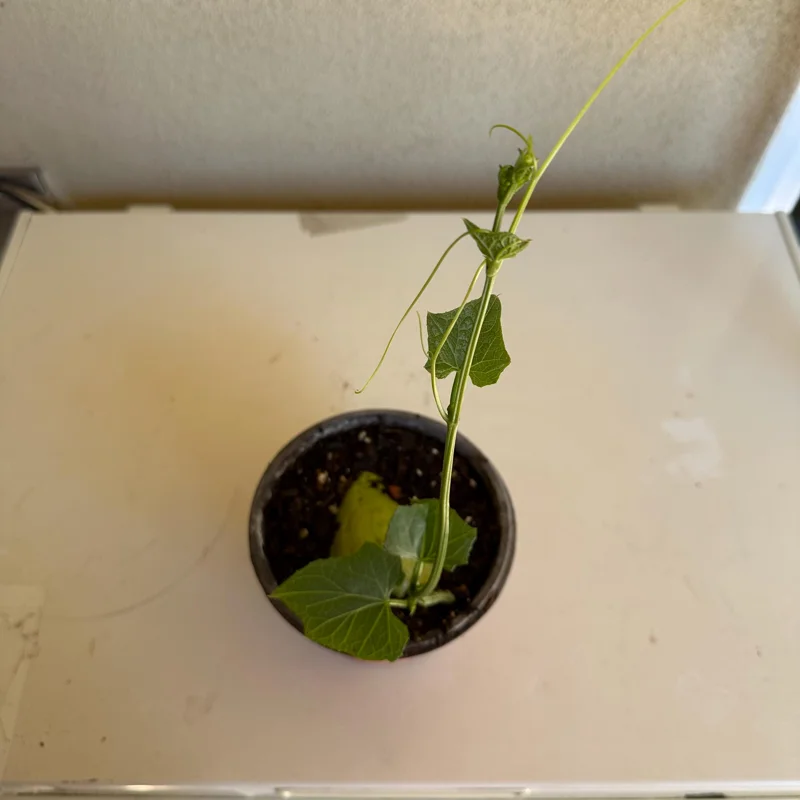
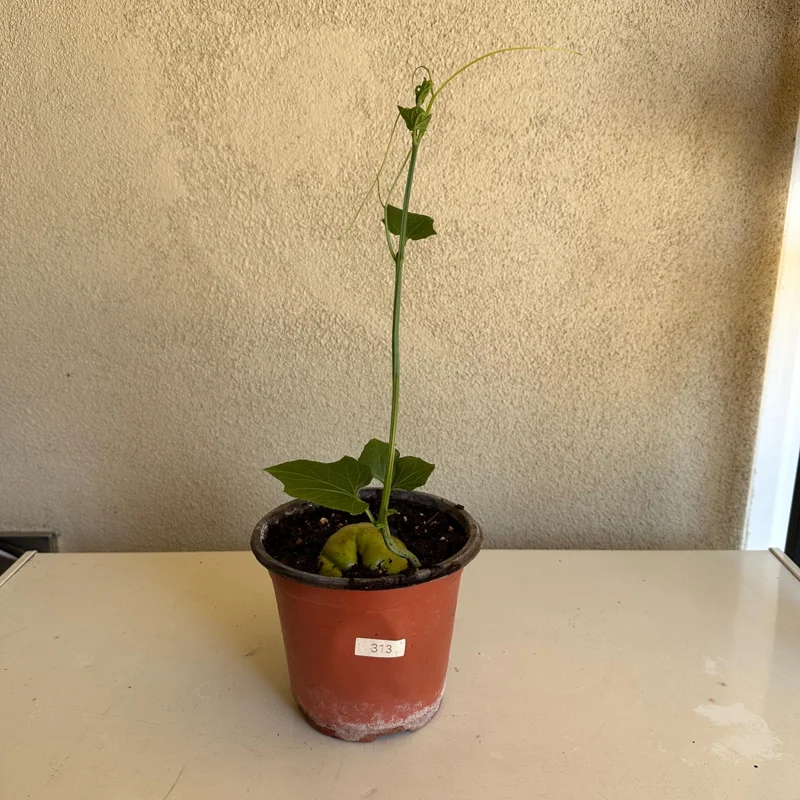
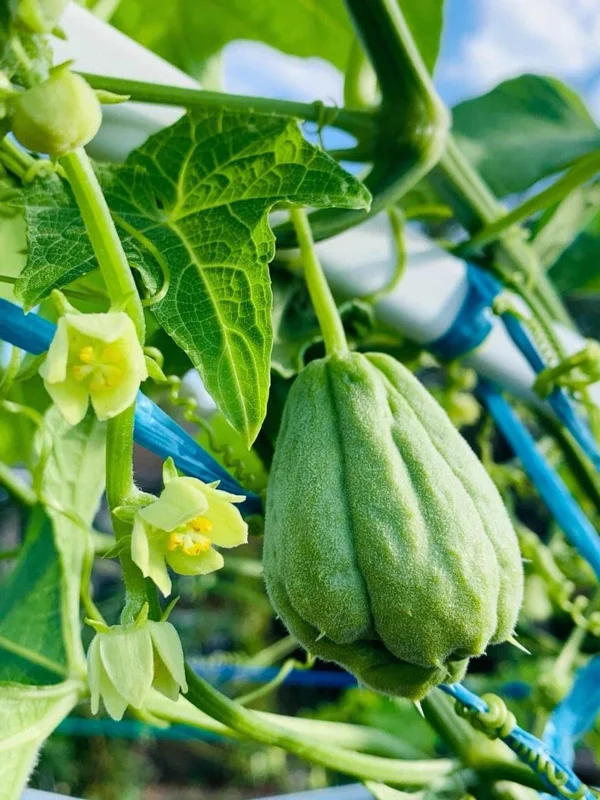
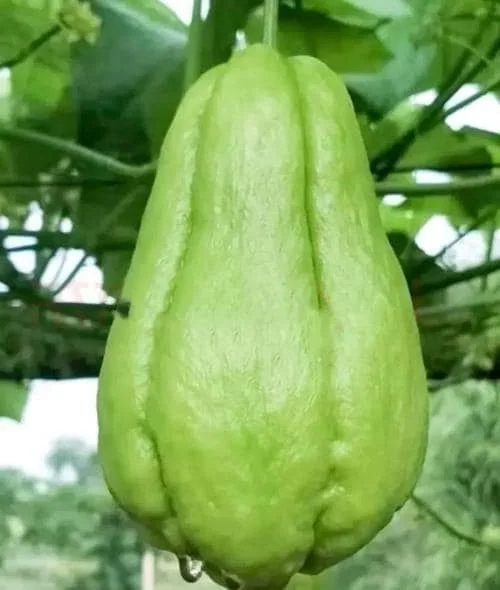
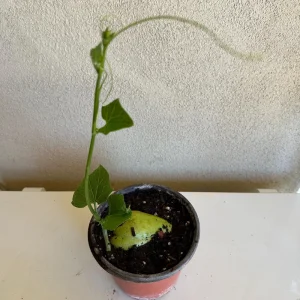
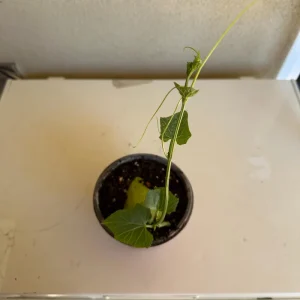
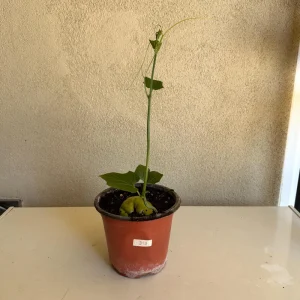
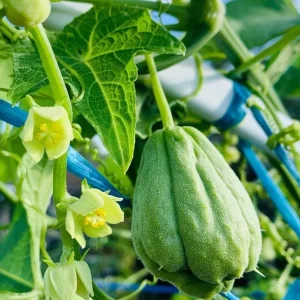
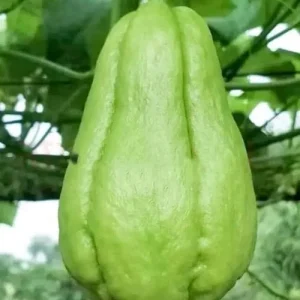
Chayote Live Plant – Sechium Edule – Organic – 6 inch Pot – Rooted
Original price was: $39.58.$28.98Current price is: $28.98.
Cultivate your own fresh, organic chayote with this vigorous, rooted chayote live plant. Arriving in a 6-inch pot, this sechium edule plant is ready to thrive in your garden, providing abundant, nutritious gourds. Ideal for edible landscapes and culinary use.
-
USDA Hardiness Zone
USDA zones 8-11 (as perennial), annual in colder zones -
Soil Type
Rich, well-draining soil with organic matter -
Sunlight Exposure
Full sun (6-8+ hours direct light daily) -
Expected Planting Period
Spring after last frost

You can track your order HERE
Sep 23
Sep 28 - Sep 30
Oct 03 - Oct 07
Shipping and return policies: Our Alive & Thrive Guarantee covers issues with your plants within the first 30 days. Reach out to us. Our team will answer your questions and help you find the plants that are truly suitable for your environment, climate, and personal preferences.

Overview
Bring the joy of home-grown produce to your garden with this robust chayote live plant. Known botanically as Sechium Edule, chayote is a fascinating and versatile squash-like vegetable that originated in Mesoamerica. This particular plant is organically grown and comes to you as a well-established, rooted specimen in a 6-inch pot, ensuring a strong start in your garden. Chayote, also sometimes called mirliton squash, vegetable pear, or choko, is cherished for its mild flavor, crisp texture, and impressive nutritional profile. It’s an excellent addition to a wide range of dishes, from stir-fries and salads to soups and stews. Growing your own chayote live plant allows you to enjoy fresh, pesticide-free produce right from your backyard, offering a rewarding gardening experience and a delicious harvest.
The chayote vine is a prolific grower, producing numerous fruits throughout its growing season. It’s a relatively easy plant to care for, making it suitable for both experienced gardeners and those new to cultivating edible plants. With its vigorous growth habit, the sechium edule plant can also provide attractive foliage, making it a functional and ornamental choice for your garden. Get ready to enjoy the satisfaction of harvesting your own organic chayote and exploring the many culinary possibilities it offers.
Key Benefits
Growing a chayote live plant in your garden offers a multitude of advantages, enriching your culinary experiences and enhancing your outdoor space. This versatile vine is not only productive but also provides several benefits:
- Abundant Harvest: Chayote vines are incredibly prolific, yielding a large number of fruits from a single plant, ensuring a steady supply for your kitchen.
- Nutrient-Rich Produce: Chayote gourds are low in calories and rich in vitamins C and K, dietary fiber, and essential minerals, contributing to a healthy diet.
- Organic Gardening: By growing your own organic chayote plant, you have complete control over its cultivation, ensuring a chemical-free and sustainable food source.
- Versatile Culinary Ingredient: The mild flavor and firm texture of chayote make it a highly adaptable ingredient that can be used raw, boiled, baked, fried, or stuffed in various recipes.
- Vigorous Growth & Shade: The fast-growing vine can quickly cover trellises, arbors, or fences, providing natural shade and an attractive green backdrop in your garden.
- Relatively Low Maintenance: Once established, chayote plants are quite resilient and require less intensive care compared to some other garden vegetables, especially when following a good chayote growing guide.
- Unique Garden Addition: Cultivating a sechium edule plant adds an interesting and somewhat exotic element to your vegetable patch, sparking conversation and curiosity.
Plant Care & Growing Tips
Caring for your chayote live plant is straightforward, and with the right conditions, you’ll be rewarded with a bountiful harvest. Chayote thrives in warm climates and requires ample sunlight to produce fruit effectively. Plant your chayote in a location that receives at least 6-8 hours of direct sunlight per day. In very hot climates, some afternoon shade can be beneficial to prevent scorching, but generally, full sun is preferred. This vine is a heavy feeder, so prepare your soil well before planting. A rich, well-draining soil with a pH between 6.0 and 6.8 is ideal. Incorporate plenty of organic matter, such as compost or well-rotted manure, to provide essential nutrients and improve soil structure. This will greatly contribute to a successful chayote growing guide.
Watering is crucial, especially during dry spells and when the plant is fruiting. Keep the soil consistently moist but not waterlogged. Deep watering encourages a strong root system. Avoid overhead watering to minimize the risk of fungal diseases. As a vigorous vine, chayote benefits greatly from a sturdy trellis, arbor, or fence for support. This not only keeps the fruits off the ground, reducing pest and disease issues, but also maximizes air circulation and sunlight exposure. Fertilize your chayote live plant every 3-4 weeks with a balanced organic fertilizer, especially once flowering and fruiting begin. Monitor for common pests like squash bugs and aphids, and treat with organic solutions like neem oil if necessary. Following these chayote care tips will ensure a healthy and productive plant.
Chayote is sensitive to frost, so it’s best grown as an annual in most temperate regions. In USDA zones 8 and above, it can sometimes perennialize if protected from severe cold. Planting should occur after all danger of frost has passed in spring. For cooler climates, starting the plant indoors a few weeks before the last frost date can give it a head start. The plant will begin to flower in late summer and produce fruit into fall. Harvest the fruits when they are tender and about 4-6 inches long, before the skin becomes too tough. Regular harvesting encourages more fruit production from your sechium edule plant.
Size & Details
This chayote live plant arrives as a healthy, rooted starter specimen, carefully grown in a 6-inch nursery pot. At the time of shipping, the plant typically stands approximately 8-12 inches tall, with established roots ready for transplanting into your garden or a larger container. Chayote is a fast-growing vine, and once established, it can quickly reach lengths of 20-30 feet or more in a single growing season. The vigorous growth habit means it will require a substantial support structure, such as a strong trellis, arbor, or fence, to climb and sprawl. The fruits themselves are typically pear-shaped, light green, and grow to about 4-6 inches in length, weighing around 0.5 to 1 pound each.
Expect your organic chayote plant to begin flowering in late summer, with fruits maturing and ready for harvest from late summer through fall, depending on your climate. Each plant has the potential to yield a significant harvest, making it a very productive addition to your edible garden. The plant is shipped with its roots intact in soil within the 6-inch pot, minimizing transplant shock and ensuring a smooth transition to its new home. With proper care and a good chayote growing guide, you can look forward to fresh, delicious chayote for months.
Frequently Asked Questions
- Q: How big does this chayote live plant get? A: This plant arrives in a 6-inch pot, typically 8-12 inches tall. As a vine, it can grow very long, often reaching 20-30 feet or more in a single growing season, requiring a sturdy support structure.
- Q: Is this an indoor or outdoor plant? A: Chayote is primarily an outdoor plant, thriving in warm, sunny garden settings. While it can be started indoors in cooler climates, it needs to be moved outside after the last frost for optimal growth and fruit production.
- Q: How much sunlight does my sechium edule plant need? A: Your chayote plant requires at least 6-8 hours of direct sunlight per day. Full sun is best for vigorous growth and abundant fruiting.
- Q: What condition will the plant arrive in? A: The chayote live plant will arrive as a healthy, rooted specimen in its 6-inch nursery pot, carefully packaged to ensure its safety during transit. It will be ready for immediate planting upon arrival.
- Q: Can I use chayote in cooking? A: Absolutely! Chayote is a versatile vegetable used in many cuisines. Its mild flavor and firm texture make it excellent for stir-fries, salads, soups, stews, and even baking.
- Q: When is the best time to plant a chayote live plant? A: The best time to plant chayote outdoors is in the spring, after all danger of frost has passed and soil temperatures have warmed up. In tropical climates, it can be planted year-round.
- Q: Is this an organic chayote plant? A: Yes, this plant is organically grown, meaning it has been cultivated without synthetic pesticides or fertilizers, providing you with healthy, chemical-free produce.
- Q: What kind of soil does chayote prefer? A: Chayote thrives in rich, well-draining soil with plenty of organic matter. A slightly acidic to neutral pH (6.0-6.8) is ideal.
- Q: How often should I water my chayote? A: Keep the soil consistently moist, especially during dry periods and when the plant is fruiting. Avoid letting the soil dry out completely or become waterlogged.
- Q: Are there any specific chayote care tips for beginners? A: For beginners, focus on providing full sun, rich soil, consistent watering, and a strong trellis for support. Regular harvesting will encourage more fruit.
Be the first to review “Chayote Live Plant – Sechium Edule – Organic – 6 inch Pot – Rooted”
People Also Viewed





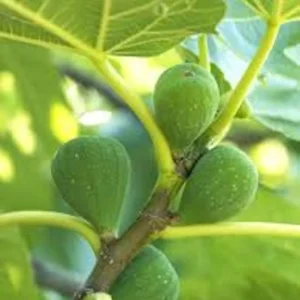
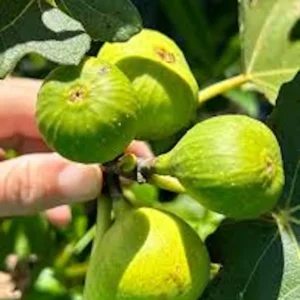
Fruits
10 Lattarula Fig Starter Plugs – Italian Honey Fig Live Plant Ficus carica – Cold Hardy Fruit Tree
Sold 59 products
Original price was: $150.00.$120.00Current price is: $120.00.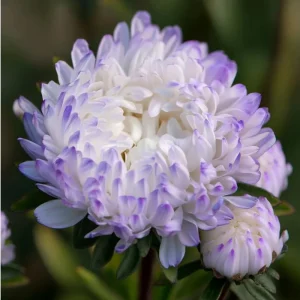
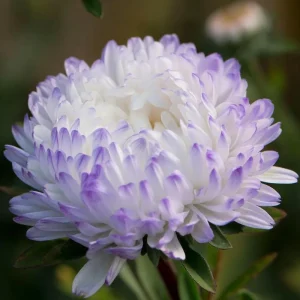
Flower Seeds
Tower Silver Aster Seeds – 50 Seeds, Peony-Type Frosted White & Lavender Flowers, Outdoor Perennial
Sold 96 products
Original price was: $33.99.$13.99Current price is: $13.99.


Succulents
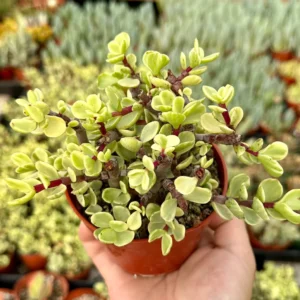
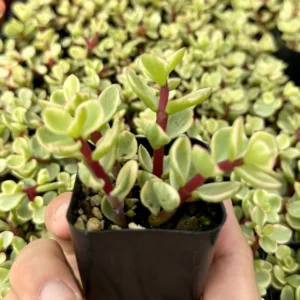
Variegated Elephant Bush Live Plant – Portulacaria Afra ‘Variegata’ Succulent – 2″ or 4″ Pot
Sold 74 products
Original price was: $33.56.$16.78Current price is: $16.78.





%20–%2010″%20Pot%20Bushy%20Shrub&url=https://gardennursery.net/product/acerola-cherry-live-plant-barbados-cherry-10-pot-bushy-shrub/&media=https://img.gardennursery.net/2026/01/acerola-cherry-live-plant-barbados-cherry-10-pot-b-768x1024.webp)


Reviews
There are no reviews yet.