
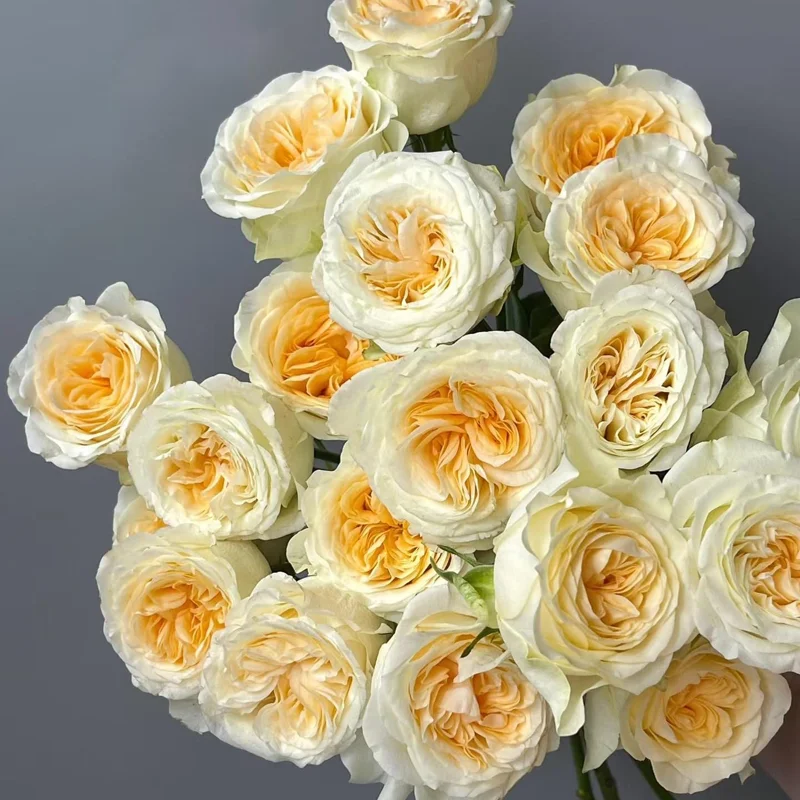
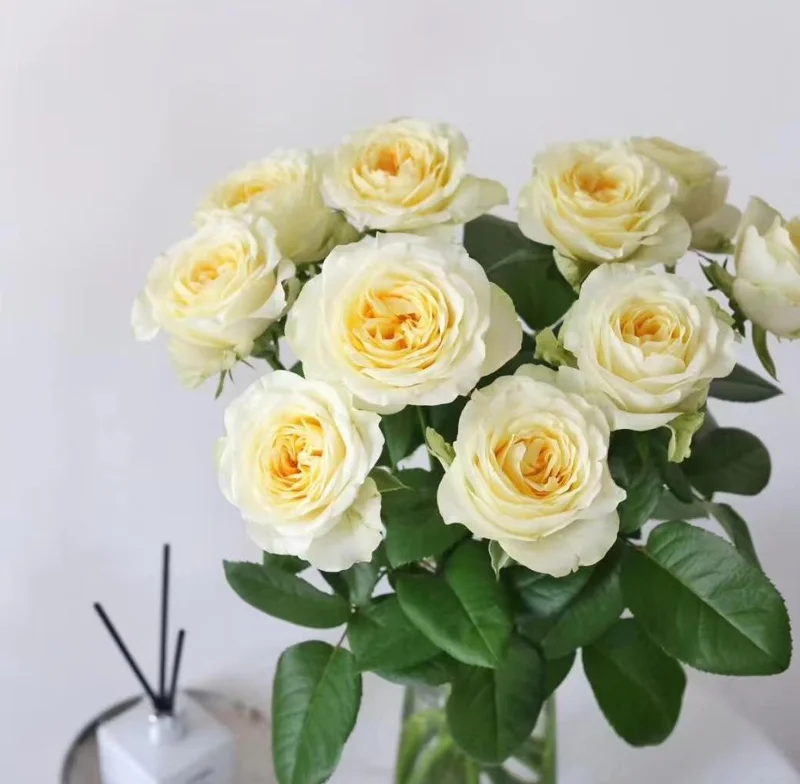
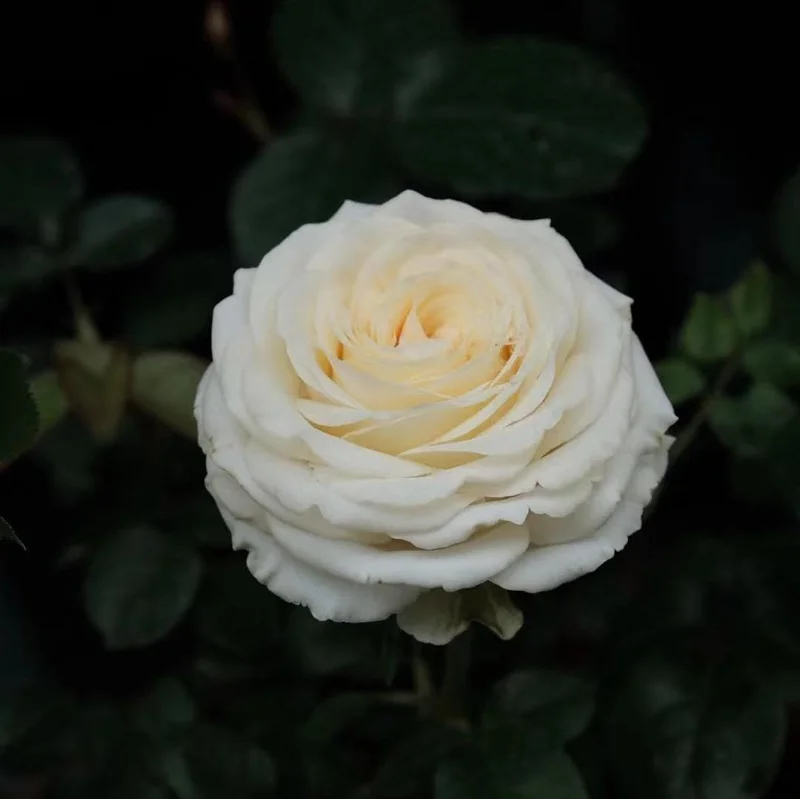
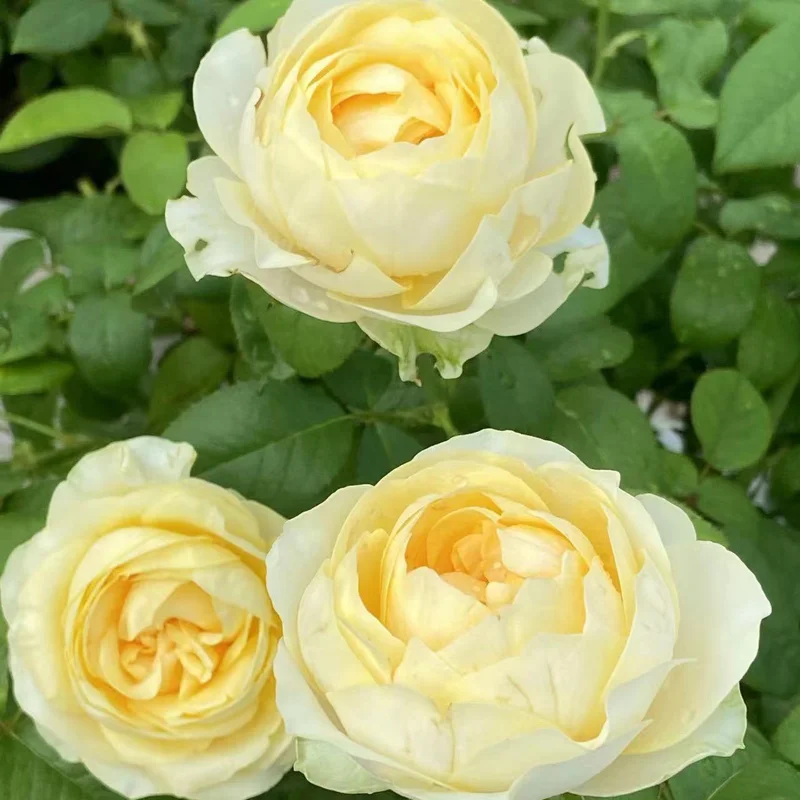
Butter Cup Rose Live Plant – Creamy Yellow Double Flowers – Multi-Season Blooming – 100-120 cm Tall
Original price was: $129.80.$103.84Current price is: $103.84.
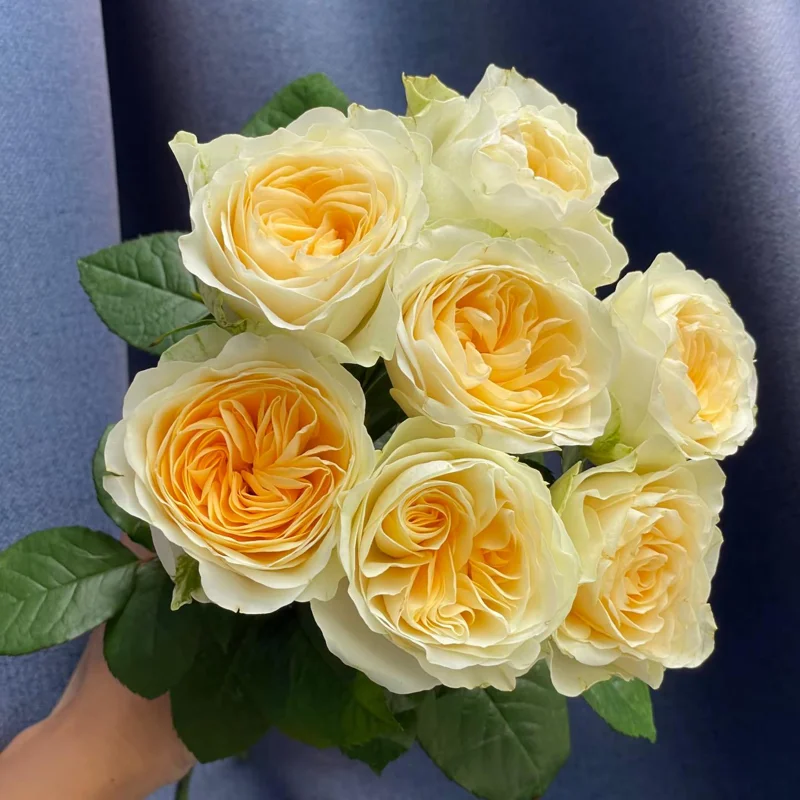
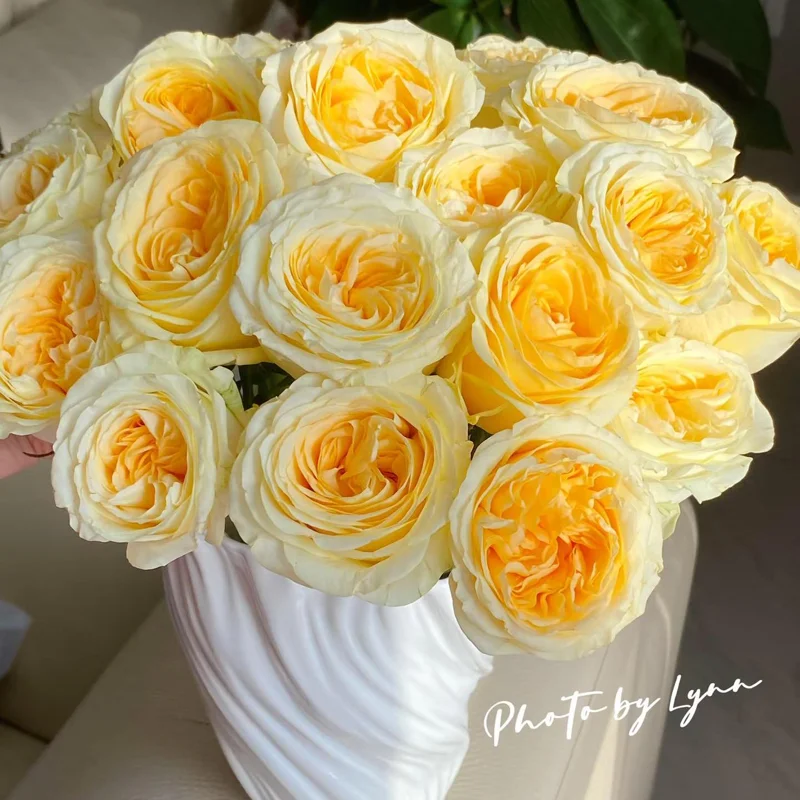
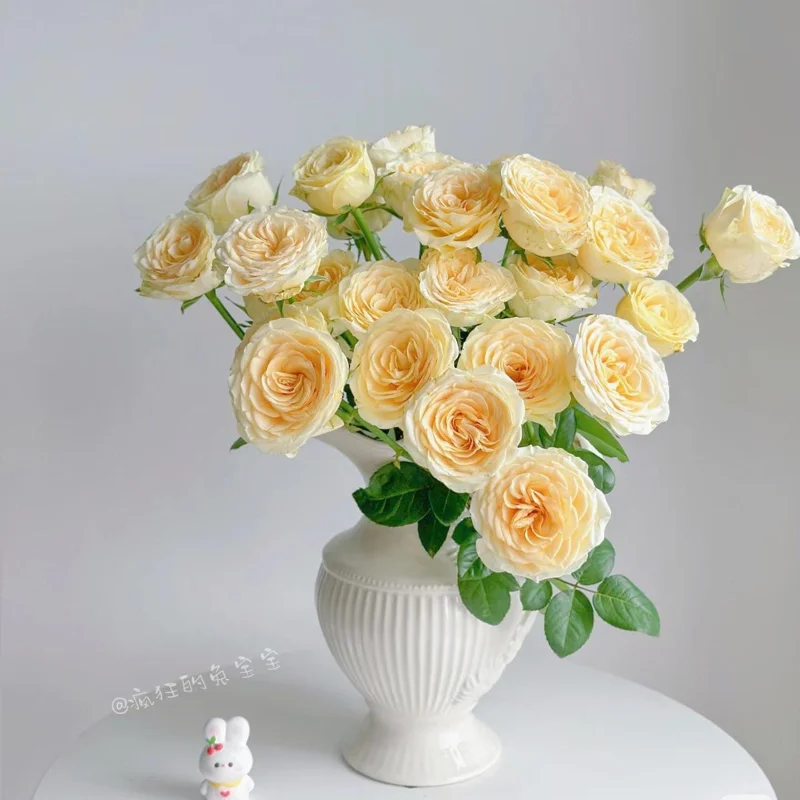
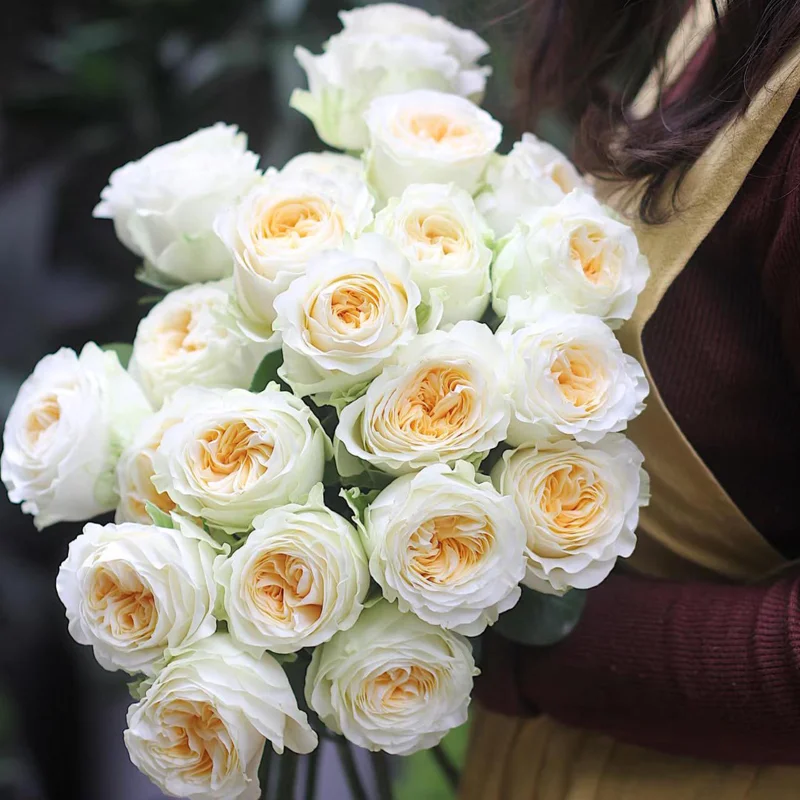
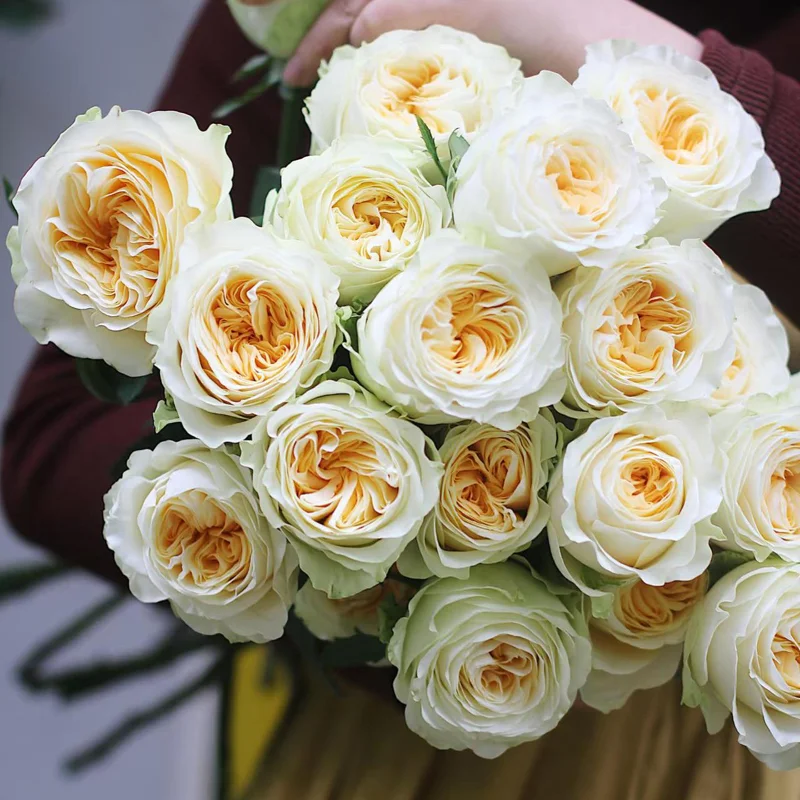
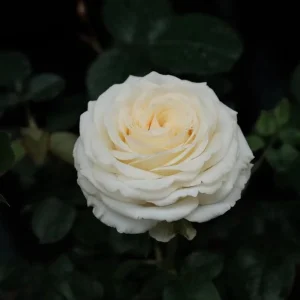
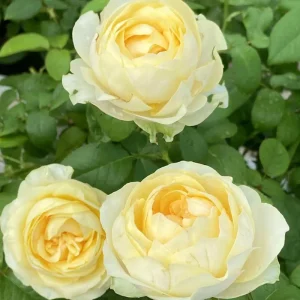
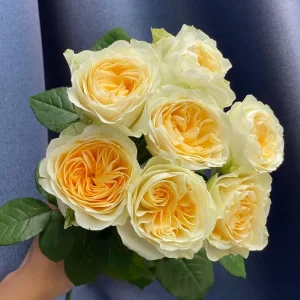
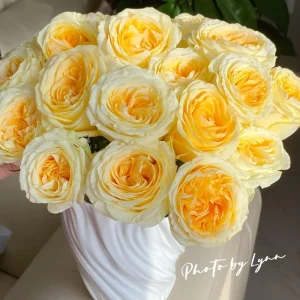
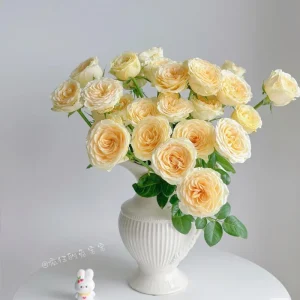
Bring elegance to your garden with the beautiful Butter Cup rose live plant. This captivating variety features exquisite creamy yellow, double-petal flowers that bloom repeatedly throughout the season. Enjoy its charming appearance and very light fragrance, making it a delightful addition to any outdoor space.
-
USDA Hardiness Zone
USDA zones 5-9 -
Soil Type
Well-draining, fertile soil -
Sunlight Exposure
Full sun -
Expected Planting Period
Spring to early summer

You can track your order HERE
Sep 20
Sep 25 - Sep 27
Sep 30 - Oct 04
Shipping and return policies: Our Alive & Thrive Guarantee covers issues with your plants within the first 30 days. Reach out to us. Our team will answer your questions and help you find the plants that are truly suitable for your environment, climate, and personal preferences.

Overview
Introduce timeless beauty to your garden with the exquisite Butter Cup rose live plant. This stunning variety, originating from the Netherlands and bred by Interplant, is celebrated for its enchanting creamy yellow, double-form flowers. The Butter Cup rose live plant offers a magnificent display, with blossoms reaching approximately 8 cm in diameter, creating a vibrant focal point in any landscape. Known for its multi-season, repeated blooming habit, this rose ensures a continuous spectacle of color and charm from spring through fall. Standing majestically at 100-120 cm tall, this rose bush provides an impressive vertical element, perfect for garden beds, borders, or as a standalone specimen. Its robust nature and moderate disease resistance make it a rewarding choice for both novice and experienced gardeners seeking a reliable and visually appealing plant.
Key Benefits
The Butter Cup rose live plant offers numerous advantages that make it a cherished addition to any outdoor setting. Its exceptional characteristics contribute to a vibrant and captivating garden experience, enhancing both visual appeal and horticultural satisfaction. Cultivating a creamy yellow rose like the Butter Cup brings enduring elegance and a touch of sophistication to your landscape.
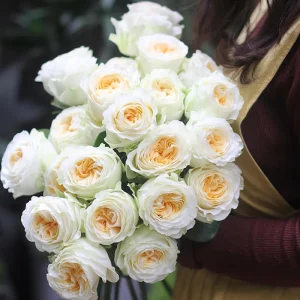
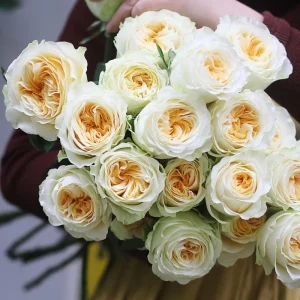
- Stunning Creamy Yellow Double Flowers: The main attraction of this rose is its beautiful, fully double flowers in a soft, creamy yellow hue. Each bloom is a work of art, adding a touch of classic elegance and warmth to your garden. The rich petal count creates a lush, full appearance that is highly sought after.
- Multi-Season, Repeated Blooming: Unlike many roses that offer a single flush of flowers, the Butter Cup rose live plant blooms repeatedly throughout the growing season. This ensures a prolonged period of beauty and fragrance, providing continuous enjoyment from late spring until the first frost.
- Moderate Fragrance: While not overpowering, this rose possesses a very light, pleasant fragrance that adds to its allure. The subtle scent can be enjoyed when up close, making it perfect for planting near pathways or seating areas where its delicate aroma can be appreciated.
- Impressive Height and Structure: Growing to an impressive height of 100-120 cm, the Butter Cup rose provides significant visual impact. Its upright growth habit makes it an excellent choice for creating focal points, adding vertical interest to garden beds, or forming elegant hedges.
- Moderate Disease Resistance: This variety exhibits moderate disease resistance, meaning it is less prone to common rose ailments compared to more susceptible types. This reduces the need for frequent chemical treatments and makes for easier maintenance, allowing you to enjoy your double flower rose with less worry.
- Versatile Garden Use: The Butter Cup rose live plant is highly versatile, suitable for a range of garden applications. It can be planted as a specimen plant, integrated into mixed borders, used in mass plantings for a dramatic effect, or even cultivated in large containers on patios and decks. Its adaptable nature allows for creative landscaping.
- Frequent Blooming: With a high flowering frequency, this rose ensures your garden remains vibrant and colorful for extended periods. Enjoy abundant blooms that consistently refresh your garden’s aesthetic, providing ongoing visual delight and making it a truly rewarding plant to grow.
Plant Care & Growing Tips
Caring for your Butter Cup rose live plant is essential to ensure its health, vigor, and abundant blooming. Proper care begins with understanding its specific needs for sunlight, water, and soil. This creamy yellow rose thrives in conditions that mimic its natural preferences, leading to a more robust and floriferous plant. Providing the right environment will help this beautiful multi-season rose flourish and display its full potential.
Sunlight Requirements: The Butter Cup rose live plant prefers full sun, meaning it needs at least 6-8 hours of direct sunlight per day to produce the most abundant blooms. While it can tolerate some partial shade, especially in hotter climates, too little sun will result in fewer flowers and weaker growth. Choose a location in your garden that receives ample morning sun, which helps to dry dew from the leaves and reduce the risk of fungal diseases. Good air circulation is also beneficial.
Watering Schedule and Soil Moisture: Consistent watering is crucial for roses, especially during dry periods and their active growing season. Keep the soil evenly moist but never waterlogged. Overwatering is a common cause of issues, leading to root rot. Water deeply at the base of the plant, allowing the water to penetrate the root zone. A good rule of thumb is to water when the top 1-2 inches of soil feel dry to the touch. Reduce watering frequency in cooler, dormant periods. Ensure proper drainage to prevent water accumulation.
Soil Type and Drainage: Roses thrive in fertile, well-draining soil with a slightly acidic to neutral pH (6.0-7.0). Amend heavy clay soils with organic matter like compost or aged manure to improve drainage and aeration. For sandy soils, organic matter will help retain moisture and nutrients. Good drainage is paramount; roses do not like ‘wet feet’. If planting in containers, use a high-quality potting mix specifically formulated for roses or flowering plants, ensuring the pot has adequate drainage holes.
Temperature Range and USDA Hardiness Zone: The Butter Cup rose live plant is generally suitable for USDA hardiness zones 5-9, though specific hardiness can vary. It prefers moderate temperatures during its growing season. In colder zones, provide winter protection such as mulching around the base of the plant. In hotter climates, some afternoon shade can prevent petal scorch. Protect from extreme temperature fluctuations to ensure optimal health and blooming.
Fertilization Schedule and Type: Regular feeding supports vigorous growth and prolific blooming. Begin fertilizing in early spring as new growth emerges, using a balanced rose fertilizer or a slow-release granular product. Follow the manufacturer’s instructions for application rates. Continue feeding every 4-6 weeks through the blooming season, typically stopping about 6-8 weeks before the first anticipated frost to allow the plant to harden off for winter. An organic fertilizer can also be beneficial, enriching the soil over time.
Common Problems and Solutions: Despite its moderate disease resistance, this fragrant rose plant can still encounter common rose issues. Watch for signs of aphids, spider mites, or fungal diseases like black spot and powdery mildew. Good air circulation, proper watering techniques, and promptly removing affected leaves can help prevent many problems. For pest infestations, horticultural oils or insecticidal soaps can be effective. For fungal issues, apply appropriate fungicides as needed, always following product instructions. Regular inspection will help catch problems early.
Size & Details
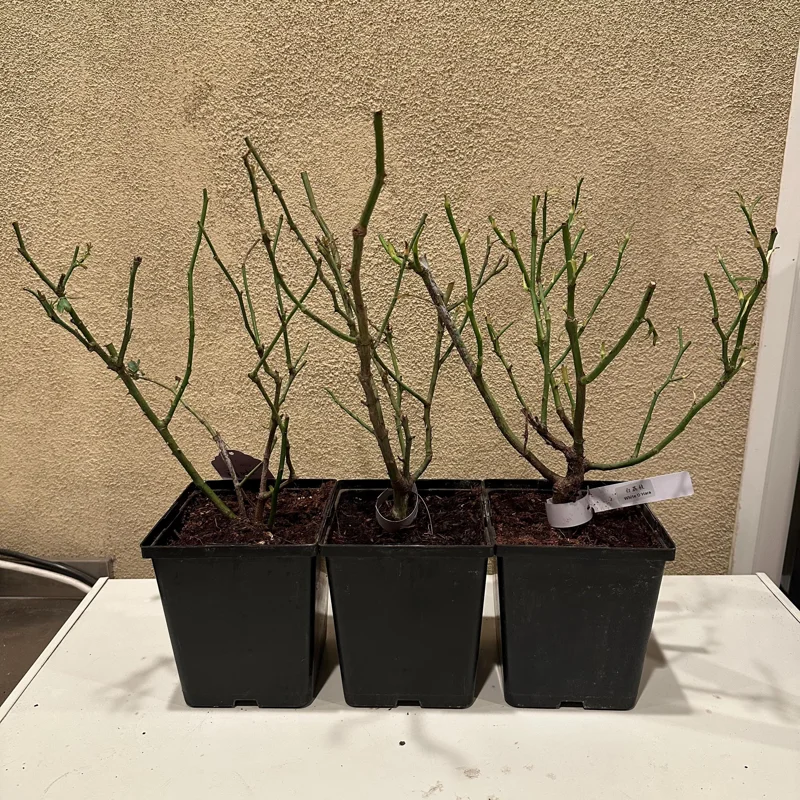
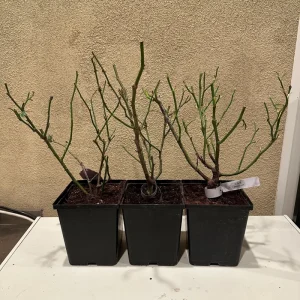
The Butter Cup rose live plant is a robust and visually striking addition to any garden. This variety typically reaches a mature height of 100-120 cm (approximately 39-47 inches), creating an impressive vertical presence. Its double flowers are a consistent 8 cm in diameter, offering a substantial and eye-catching bloom. This creamy yellow rose is known for its frequent, multi-season blooming, providing continuous color throughout the warmer months. When you receive your butter cup rose live plant, it will be a well-established specimen ready for planting, ensuring a strong start in your garden. With proper care, you can expect this rose to quickly settle in and begin its beautiful display.
Frequently Asked Questions
- Q: How big does this Butter Cup rose live plant get? A: The Butter Cup rose live plant typically reaches a mature height of 100-120 cm (approximately 39-47 inches). Its spread will depend on pruning and growing conditions, but it generally forms an upright, bushy habit.
- Q: Is this an indoor or outdoor plant? A: The Butter Cup rose live plant is primarily an outdoor plant, thriving in garden beds, borders, and large outdoor containers. It requires full sun exposure and is not typically grown as an indoor houseplant.
- Q: How much sunlight does the creamy yellow rose need? A: This rose requires at least 6-8 hours of direct sunlight daily to ensure optimal growth and abundant flowering. Plant it in a location that receives full sun, especially morning sun.
- Q: Is this plant easy to care for? A: The Butter Cup rose live plant has moderate disease resistance and is considered relatively easy to care for with consistent attention to watering, sunlight, and proper feeding. It’s a great choice for gardeners with some experience.
- Q: What condition will the fragrant rose plant arrive in? A: Your fragrant rose plant will arrive as a healthy, live specimen, carefully packaged to ensure its safe journey. It will be ready for immediate planting upon arrival, though some minor leaf loss or wilting can be normal due to shipping stress.
- Q: How long until this multi-season rose blooms? A: As a live plant, the multi-season rose should begin blooming within its first growing season after planting, provided it receives adequate care and light. Its repeated blooming nature means you’ll enjoy flowers throughout the warmer months.
- Q: What’s the minimum temperature this double flower rose can tolerate? A: This double flower rose is generally hardy in USDA Zones 5-9. In colder zones, it will require winter protection to survive freezing temperatures. Consult your local extension office for specific recommendations for your area.
- Q: What kind of soil is best for the Butter Cup rose? A: The Butter Cup rose live plant thrives in fertile, well-draining soil with a slightly acidic to neutral pH. Amending the soil with organic matter like compost is highly recommended to improve structure and nutrient content.
- Q: How often should I water my Butter Cup rose? A: Water deeply and regularly, ensuring the soil remains evenly moist but not waterlogged. Check the top 1-2 inches of soil; if it’s dry, it’s time to water. Reduce frequency during cooler, dormant periods.
- Q: Does this rose have a strong fragrance? A: The Butter Cup rose live plant has a very light fragrance (rated ★☆☆☆☆), which is subtle and pleasant rather than strong or overpowering. It’s best enjoyed when close to the blooms.
Be the first to review “Butter Cup Rose Live Plant – Creamy Yellow Double Flowers – Multi-Season Blooming – 100-120 cm Tall”
People Also Viewed
Fruits
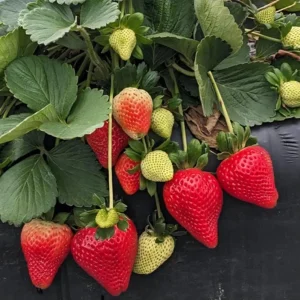
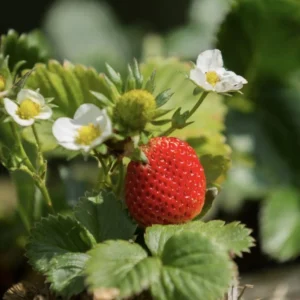
Florida Ember Strawberry Live Plants – Set of 2, 4-6” Tall – Fragaria x ananassa – Edible Fruit
Sold 100 products
Original price was: $39.18.$19.59Current price is: $19.59.
Sold 56 products
Original price was: $36.36.$18.18Current price is: $18.18.
Sold 50 products
From $99.80
Sold 75 products
Original price was: $283.96.$141.98Current price is: $141.98.
Sold 81 products
Original price was: $48.98.$35.99Current price is: $35.99.
Sold 69 products
From $99.80
Sold 83 products
From $95.80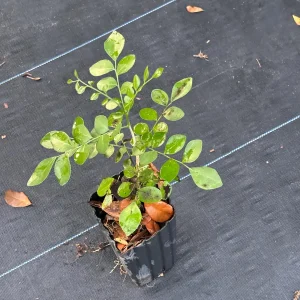
Shrubs
Orange Jasmine Live Plant – Murraya paniculata – 6 Inch Tall in 4 Inch Pot – Fragrant Tropical Shrub
Sold 63 products
From $54.00
Sold 80 products
Original price was: $152.00.$76.00Current price is: $76.00.
Sold 78 products
Original price was: $39.98.$19.99Current price is: $19.99.
Sold 100 products
Original price was: $77.96.$38.98Current price is: $38.98.
Sold 98 products
Original price was: $99.96.$49.98Current price is: $49.98.
Sold 99 products
Original price was: $339.96.$169.98Current price is: $169.98.
Sold 77 products
Original price was: $85.98.$42.99Current price is: $42.99.
Sold 70 products
Original price was: $35.00.$28.00Current price is: $28.00.

Sold 73 products
Original price was: $10.36.$5.18Current price is: $5.18.
Sold 83 products
Original price was: $120.00.$96.00Current price is: $96.00.

Sold 89 products
Original price was: $59.96.$29.98Current price is: $29.98.




%20–%206%20Inches%20Tall,%20Dormant,%20Outdoor%20Cold%20Hardy&url=https://gardennursery.net/product/pawpaw-tree-live-plant-asimina-triloba-6-inches-tall-dormant-outdoor-cold-hardy/&media=https://img.gardennursery.net/2026/02/pawpaw-tree-live-plant-asimina-triloba-6-inches-ta-dae0c5b8.webp)


Reviews
There are no reviews yet.