
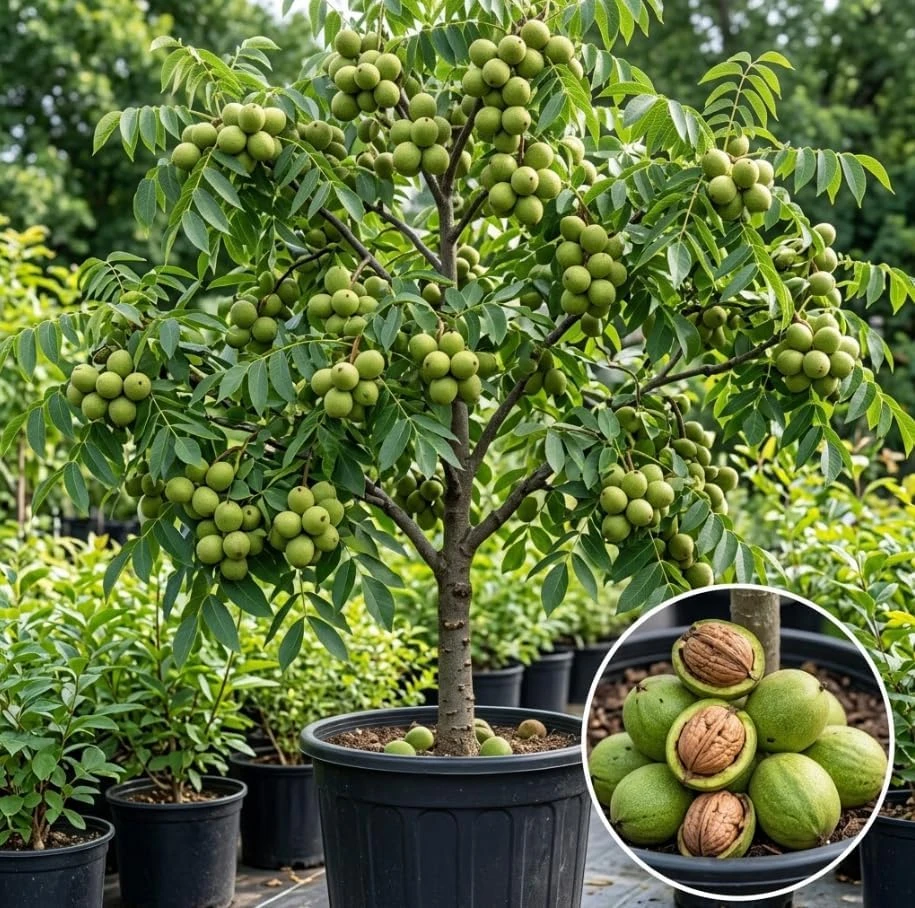
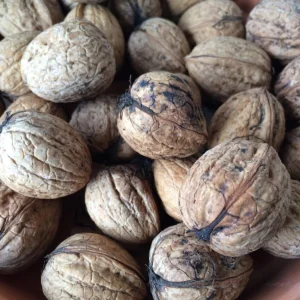
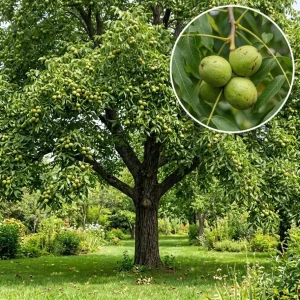
American Black Walnut Tree Live Plant 6-12″ Tall in 4″ Pot – Hardy Nut Tree for Outdoor Planting
Original price was: $47.98.$23.99Current price is: $23.99.
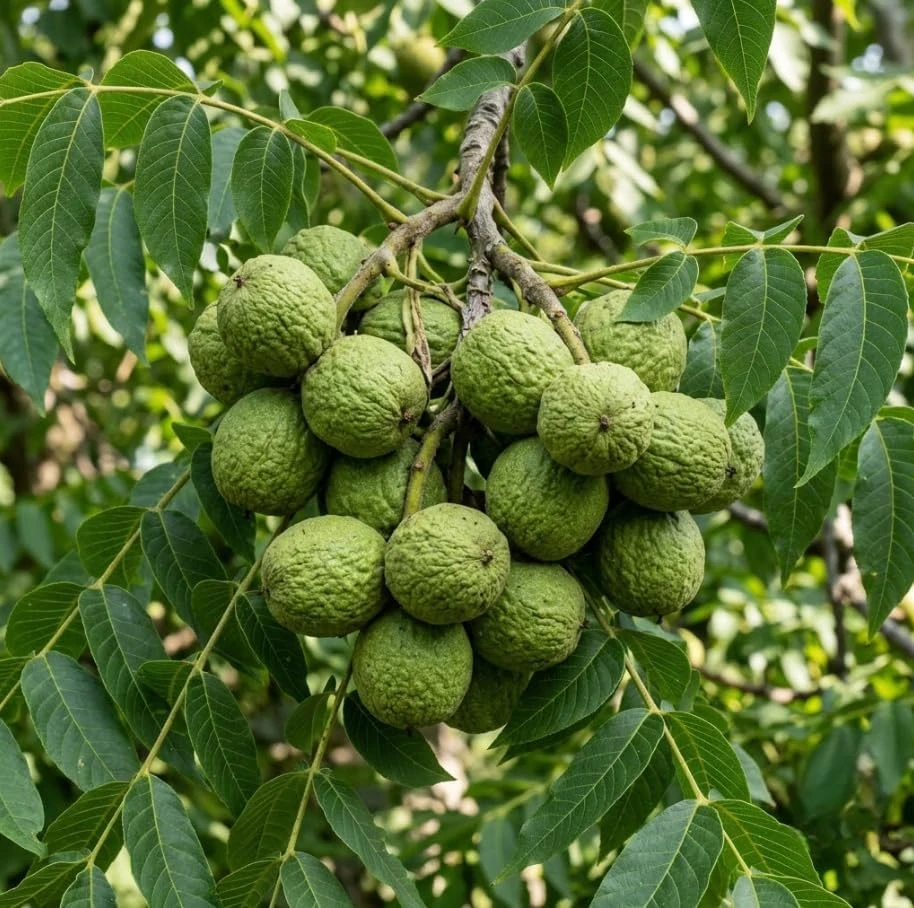
Cultivate your own magnificent American Black Walnut Tree live plant. Arriving 6-12 inches tall in a 4-inch pot, this young Juglans Nigra tree is ideal for immediate outdoor transplanting. Enjoy its majestic shade and future harvests of delicious nuts.
-
USDA Hardiness Zone
USDA Zones 4-9 -
Soil Type
Deep, well-draining loamy soil -
Sunlight Exposure
Full sun -
Expected Planting Period
Spring to early fall

You can track your order HERE
Oct 31
Nov 05 - Nov 07
Nov 10 - Nov 14
Shipping and return policies: Our Alive & Thrive Guarantee covers issues with your plants within the first 30 days. Reach out to us. Our team will answer your questions and help you find the plants that are truly suitable for your environment, climate, and personal preferences.

Overview
Bring the timeless beauty and bounty of nature to your landscape with this premium American Black Walnut Tree live plant. Each young tree, scientifically known as Juglans nigra, is carefully cultivated to arrive standing 6 to 12 inches tall and is potted in a 4-inch container, making it perfectly ready for transplanting into your garden or yard. The American Black Walnut Tree live plant is renowned for its rapid growth, majestic stature, and the delicious, highly prized nuts it produces. This resilient species is a fantastic choice for home gardeners looking to add a valuable and long-lived specimen to their property, offering both aesthetic appeal and a future harvest.
The Juglans Nigra tree is a native North American species, celebrated not only for its edible nuts but also for its strong, dark wood. Growing a black walnut nut tree provides an excellent opportunity to enhance your outdoor space with a significant shade tree that contributes to local ecosystems and provides a sustainable food source. Its strong root system helps with soil stabilization, and its impressive canopy offers cool respite during warmer months. This young plant is an investment in your property’s future, promising years of enjoyment and a connection to nature.
Key Benefits
Planting an American Black Walnut Tree live plant offers a multitude of advantages for your home garden or landscape. Beyond its striking appearance, this tree is a powerhouse of benefits:
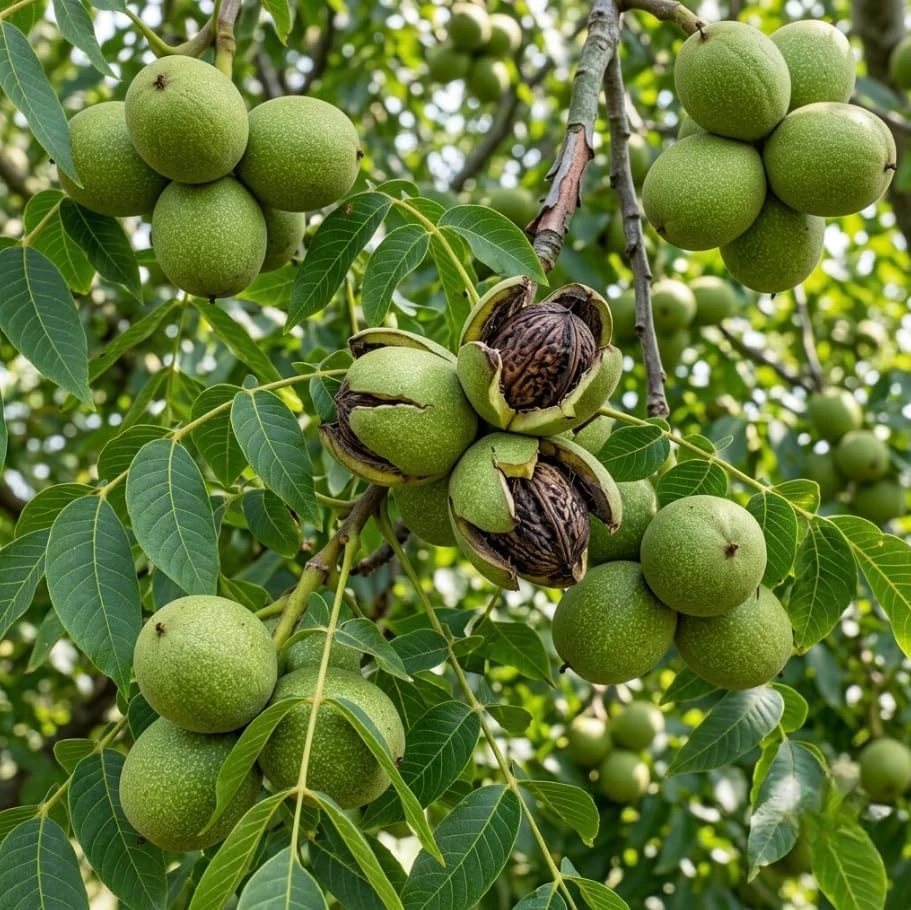
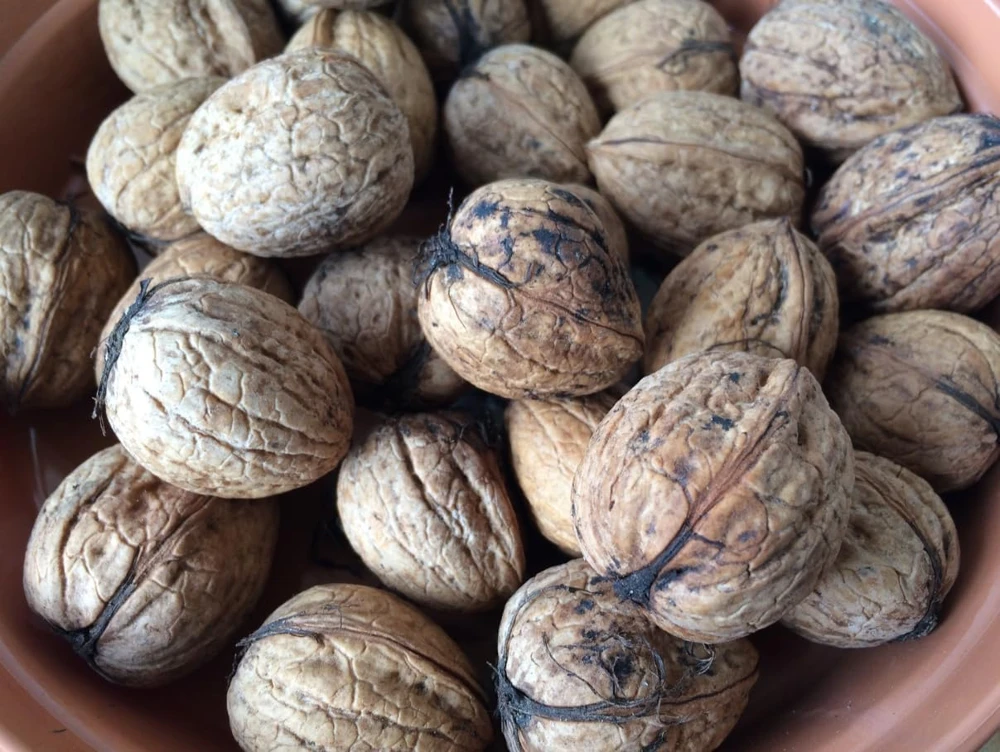
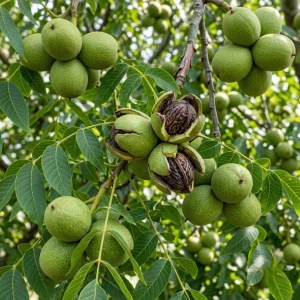
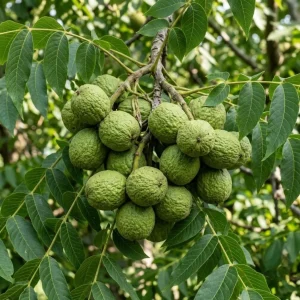
- Produces Delicious Nuts: Enjoy harvesting your own fresh, sweet black walnuts, prized for their rich flavor in baking, cooking, and snacking. A mature black walnut nut tree can provide abundant yields for many years.
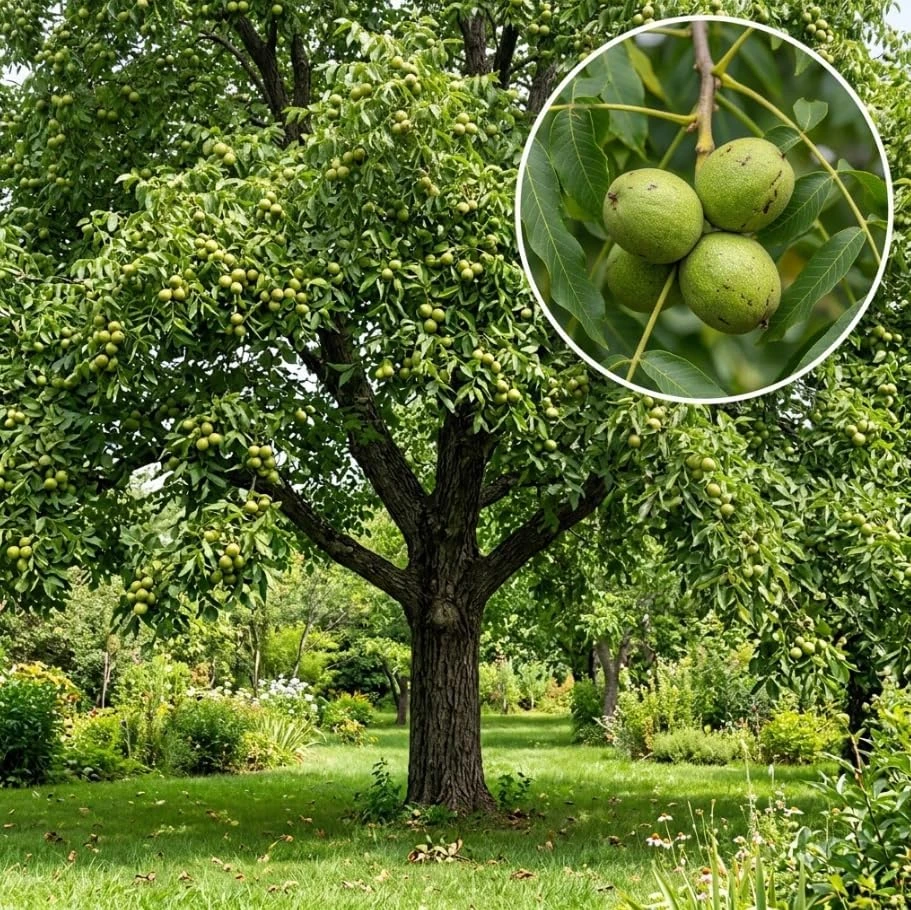
- Provides Excellent Shade: As it matures, the Juglans Nigra tree develops a broad, dense canopy, offering substantial shade that can help cool your home and outdoor living areas during hot summers.
- Enhances Landscape Value: With its stately form and impressive size, this tree adds significant aesthetic appeal and value to any property, creating a focal point in your yard.
- Hardy and Resilient: Known as a hardy walnut tree, it adapts well to a wide range of climates and soil conditions across the United States, making it a reliable choice for various regions.
- Supports Wildlife: The nuts are a valuable food source for various wildlife, including squirrels and other small animals, contributing to local biodiversity.
- Long-Lived Specimen: Black walnut trees are long-lived, often thriving for over a century, meaning your planting efforts will benefit generations to come.
- Soil Improvement: Its extensive root system helps improve soil structure and prevent erosion, contributing to overall garden health.
Plant Care & Growing Tips
Caring for your American Black Walnut Tree live plant is relatively straightforward, as this species is known for its resilience. To ensure optimal growth, choose a location with full sun exposure, meaning at least 6-8 hours of direct sunlight per day. While young trees can tolerate some partial shade, full sun promotes faster growth and better nut production. The ideal soil type is deep, well-draining, and fertile, preferably a loamy soil with a pH between 6.0 and 7.0. Avoid heavy clay soils or areas with poor drainage, as these can lead to root issues. When transplanting, dig a hole twice as wide as the root ball and just as deep, ensuring the top of the root ball is level with the soil surface.
Watering is crucial during the first few years after planting to establish a strong root system. Water deeply and regularly, especially during dry spells, aiming to keep the soil consistently moist but not waterlogged. Once established, the hardy walnut tree is quite drought-tolerant. Fertilization is not usually necessary in rich soils, but if your soil is poor, a balanced, slow-release fertilizer can be applied in early spring. Protect young trees from deer and other wildlife that might browse on tender shoots. Pruning should focus on removing dead, damaged, or crossing branches to maintain a strong central leader and good air circulation. This black walnut nut tree is typically hardy in USDA Zones 4-9.
One important consideration when growing black walnut tree is its allelopathic properties; it produces a chemical called juglone, which can inhibit the growth of certain sensitive plants nearby. Research companion plants that are tolerant to juglone before planting. Regular monitoring for pests and diseases is recommended, though black walnuts are generally robust. With proper care, your Juglans Nigra tree will thrive and become a valuable asset to your landscape.
Size & Details
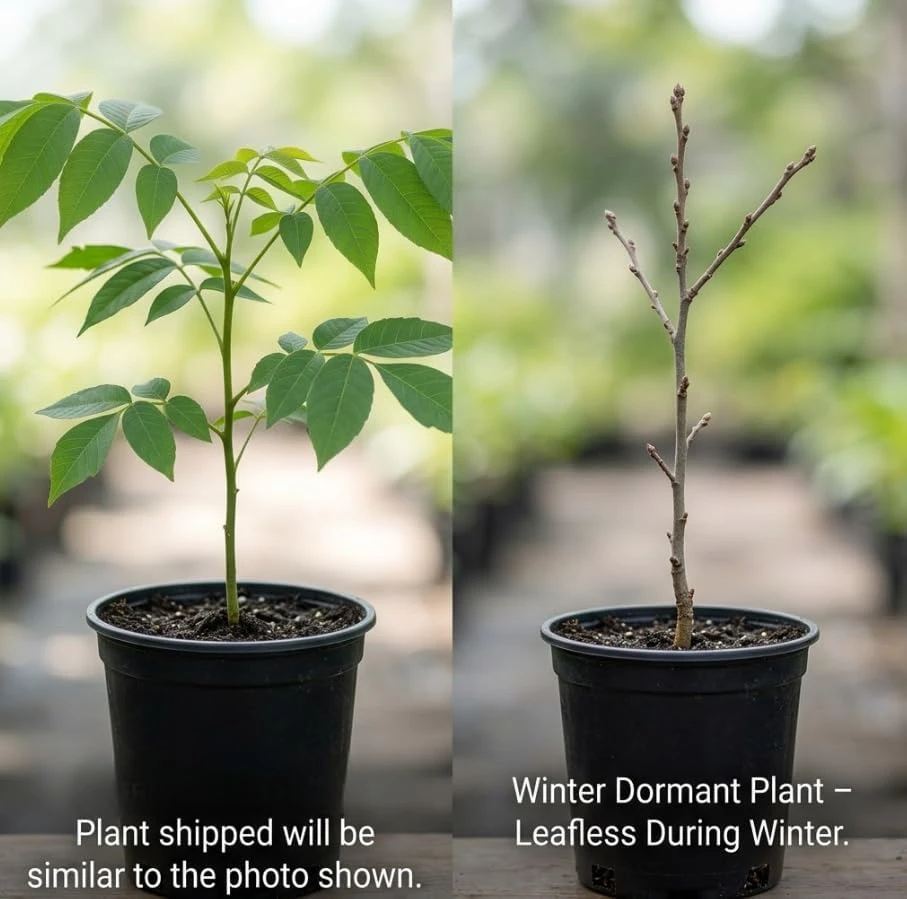
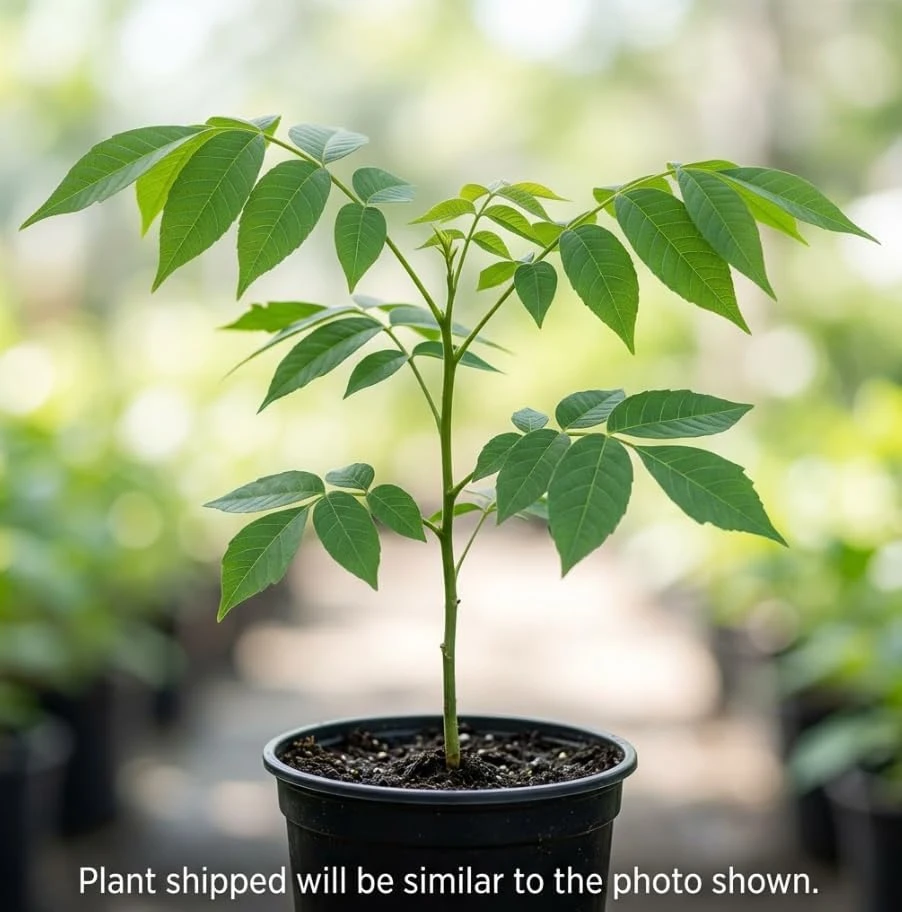
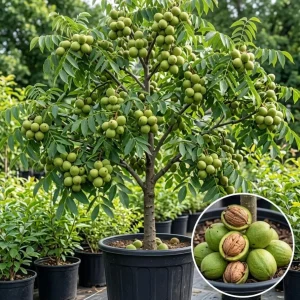
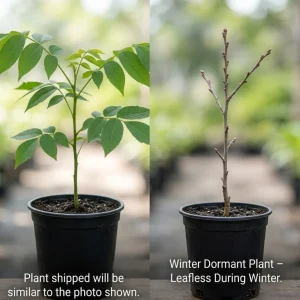
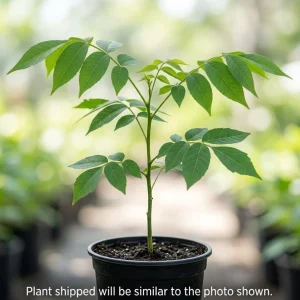
This offering is for one American Black Walnut Tree live plant. Each plant is shipped as a young, actively growing specimen, measuring approximately 6 to 12 inches in height from the top of the soil. It comes securely potted in a 4-inch nursery container, complete with its established root system and healthy soil, making it ready for immediate outdoor transplanting upon arrival. The compact size of the plant in its pot ensures safe and easy shipping, allowing it to acclimate quickly to its new environment.
The American Black Walnut Tree live plant is a fast-growing species, and with ideal conditions, it can add 1-3 feet of height per year. Expect this young tree to grow into a large, majestic shade tree, potentially reaching heights of 50-75 feet with a spread of 50-75 feet at maturity. Nut production typically begins when the tree is 10-15 years old, with significant yields from 20-30 years onward. This particular plant is a strong starter for anyone interested in growing black walnut tree for future harvests and landscape enhancement.
Frequently Asked Questions
- Q: How big does this American Black Walnut Tree get? A: This American Black Walnut Tree live plant typically grows into a large shade tree, reaching heights of 50-75 feet and a similar spread at maturity. Its ultimate size depends on growing conditions and care.
- Q: What size pot does it come in? A: Each Juglans Nigra tree arrives potted in a 4-inch nursery pot, providing a healthy start for transplanting into your garden.
- Q: Is this an indoor or outdoor plant? A: The American Black Walnut Tree live plant is an outdoor plant, best suited for planting in gardens, yards, or landscapes where it can grow to its full potential. It requires ample space.
- Q: How much sunlight does it need? A: This black walnut nut tree thrives in full sun, requiring at least 6-8 hours of direct sunlight per day for optimal growth and nut production.
- Q: Is this plant easy to care for? A: Yes, the hardy walnut tree is generally considered easy to care for once established. It is resilient and adaptable, though young trees require consistent watering.
- Q: What condition will it arrive in? A: Your American Black Walnut Tree live plant will arrive as a healthy, actively growing plant, carefully packaged in its 4-inch pot to ensure safe transit.
- Q: When is the best time to plant? A: The best time for growing black walnut tree is in the spring or early fall, allowing the roots to establish before extreme temperatures.
- Q: Will it survive winter in my zone? A: This American Black Walnut Tree live plant is hardy in USDA Zones 4-9, meaning it can withstand winter temperatures in a wide range of climates across the US.
- Q: How long until it produces nuts? A: A black walnut nut tree typically begins producing nuts when it is 10-15 years old, with significant yields starting around 20-30 years of age.
- Q: Can I plant other plants near it? A: Be aware that the Juglans Nigra tree produces juglone, a chemical that can inhibit the growth of certain sensitive plants. Research juglone-tolerant plants for companion planting.
Be the first to review “American Black Walnut Tree Live Plant 6-12″ Tall in 4″ Pot – Hardy Nut Tree for Outdoor Planting”
People Also Viewed
HousePlants
Lithops Live Plants Mix – 30 Colorful Succulents – Living Stones for Indoor/Outdoor Planting
Sold 60 products
Original price was: $65.98.$32.99Current price is: $32.99.


Flower Plants
Double Red Bougainvillea Live Plant – Set of 2 Starter Plants, 5-8″ Tall, Tropical Perennial Blooms
Sold 77 products
Original price was: $53.98.$26.99Current price is: $26.99.




Flower Bulbs
Shampoo Ginger Roots for Planting – Zingiber Zerumbet Red Ginger Lily Bulbs – 4 Fresh Rhizomes
Sold 90 products
Original price was: $29.98.$14.99Current price is: $14.99.
Sold 85 products
Original price was: $147.16.$73.58Current price is: $73.58.




HousePlants
Miniature Dendrobium loddigesii Variegated Orchid Live Plant – Rose Scented Flowers, Rooted in Pot
Sold 88 products
Original price was: $42.98.$29.99Current price is: $29.99.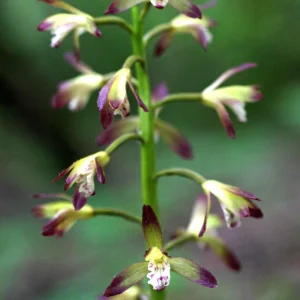








Reviews
There are no reviews yet.