
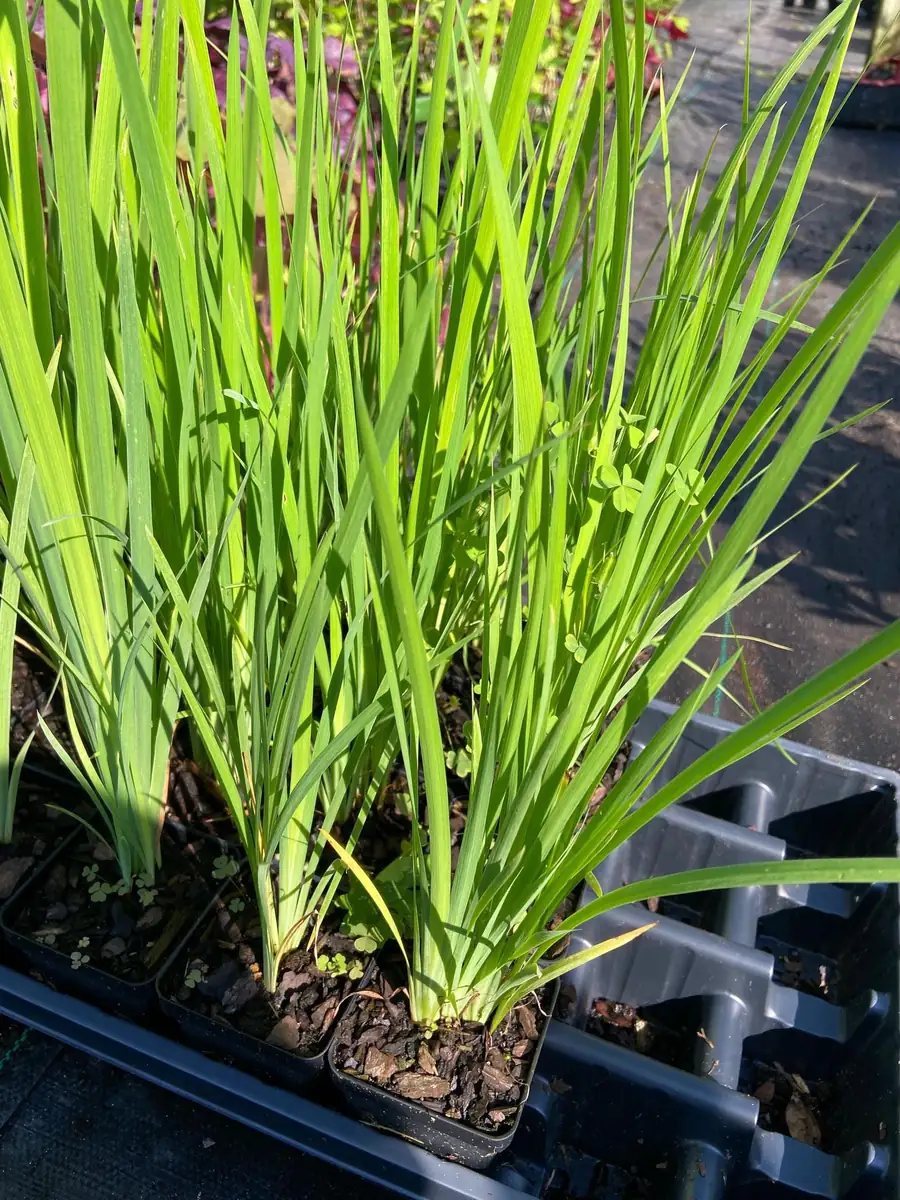
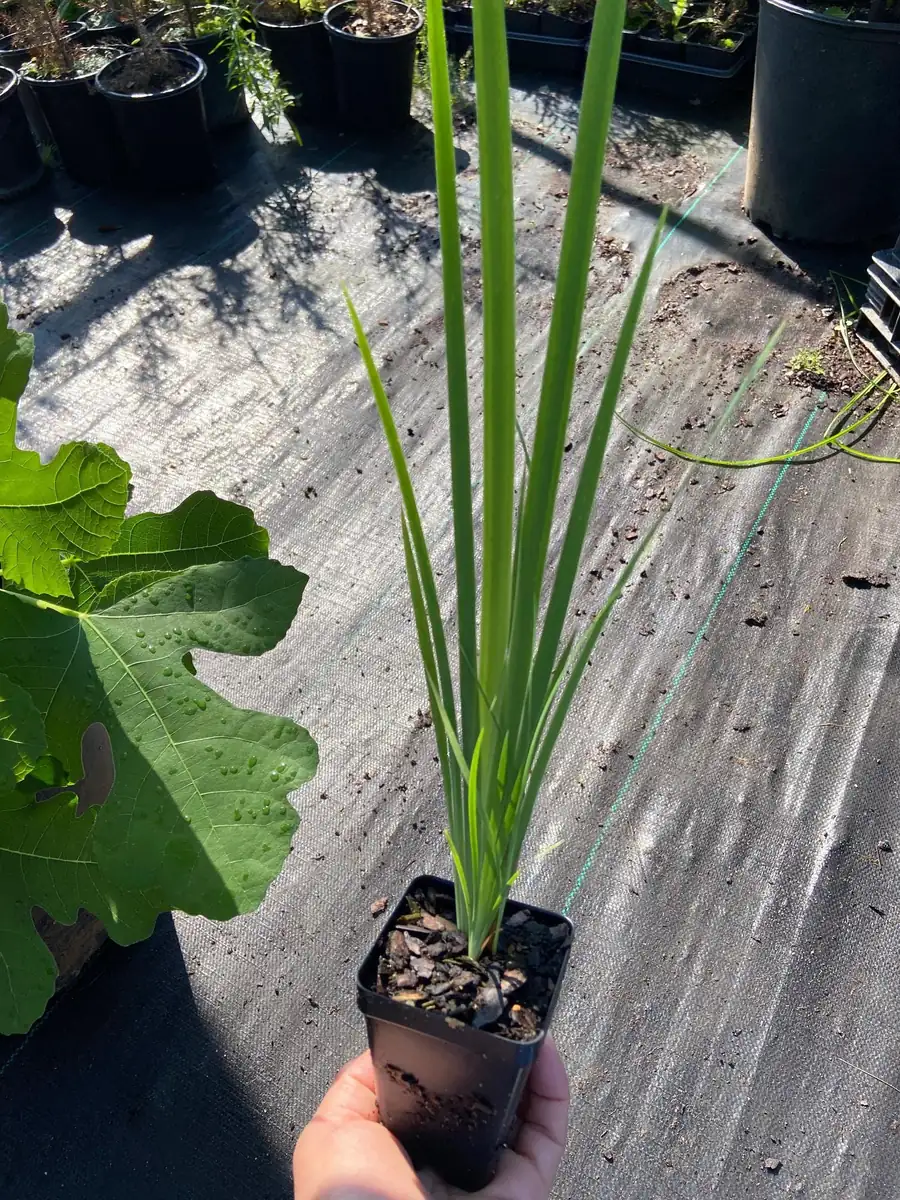
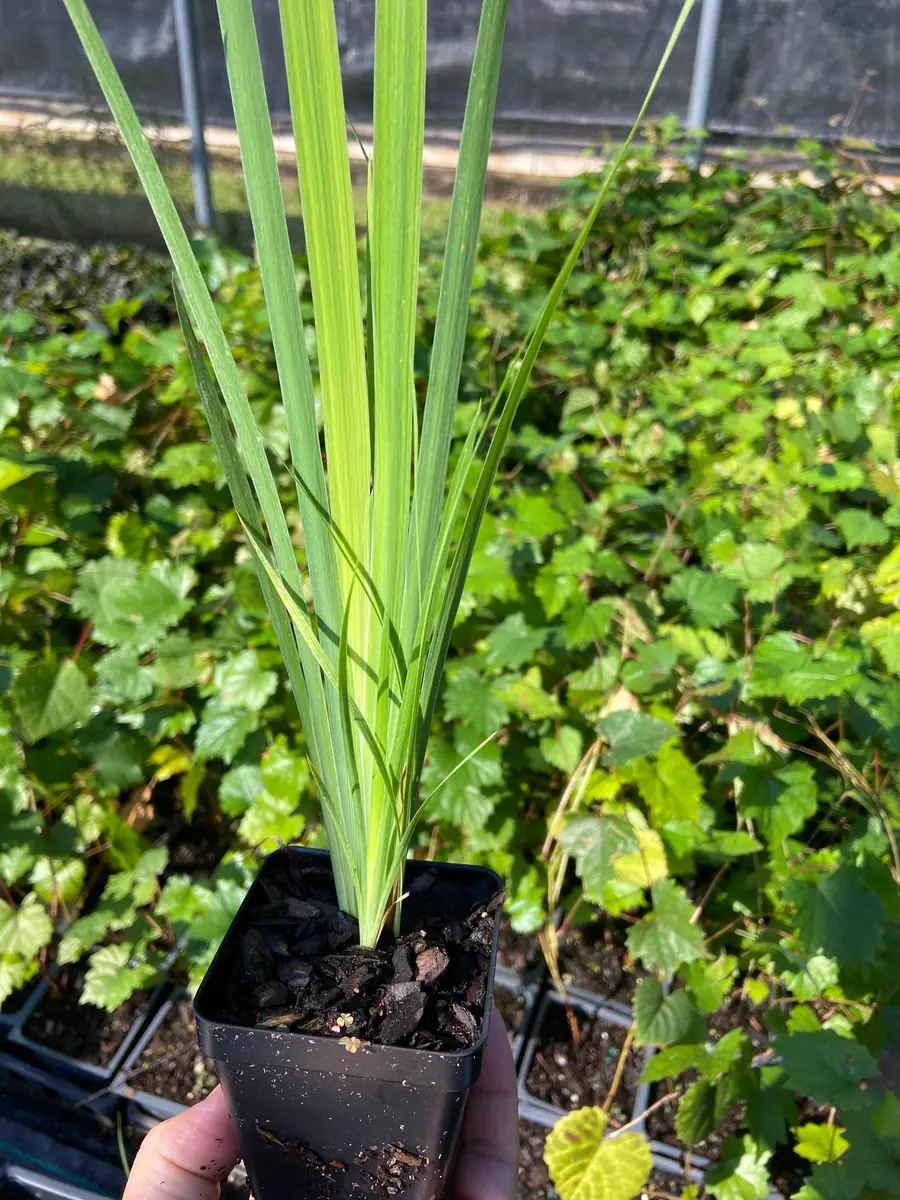
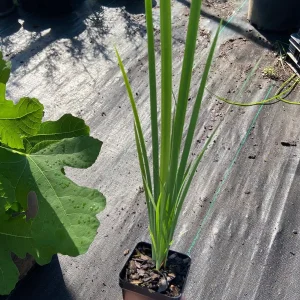
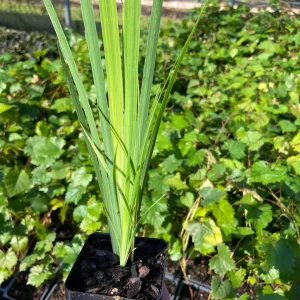
Blue Flag Iris Live Plant – Iris Versicolor – 2.5 in Pot – Wetland Perennial
From $67.96
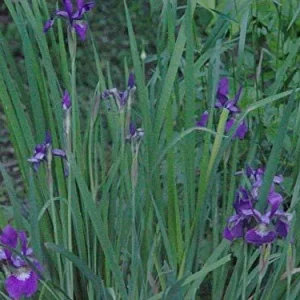
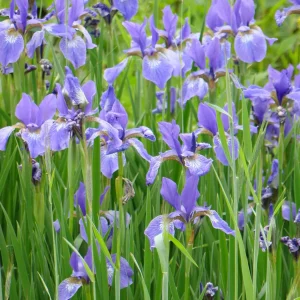
Enhance your landscape with the stunning blue flag iris live plant (Iris versicolor). This resilient perennial thrives in wet conditions, perfect for rain gardens or pond edges, producing vibrant blue-violet flowers with unique markings in late spring to early summer.
-
USDA Hardiness Zone
USDA Zones 3-9 -
Soil Type
Wet, moist, or occasionally flooded soils; rich, organic soils -
Sunlight Exposure
Full sun to partial shade -
Expected Planting Period
Spring to early summer

You can track your order HERE
Mar 02
Mar 07 - Mar 09
Mar 12 - Mar 16
Shipping and return policies: Our Alive & Thrive Guarantee covers issues with your plants within the first 30 days. Reach out to us. Our team will answer your questions and help you find the plants that are truly suitable for your environment, climate, and personal preferences.

Overview
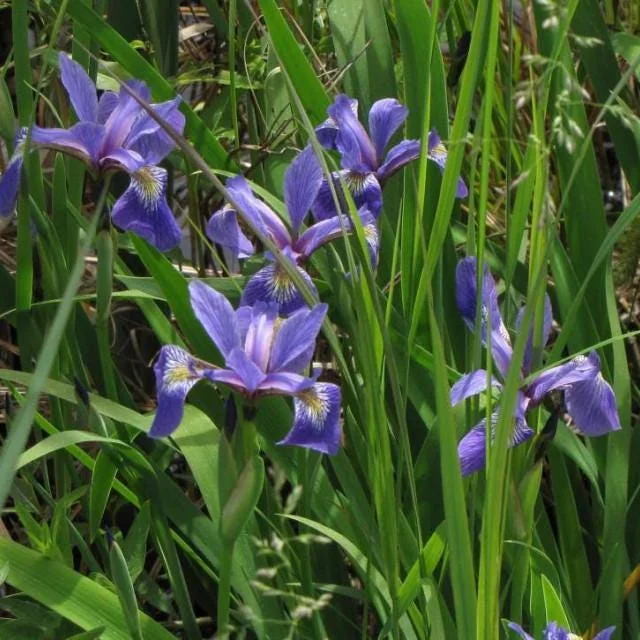
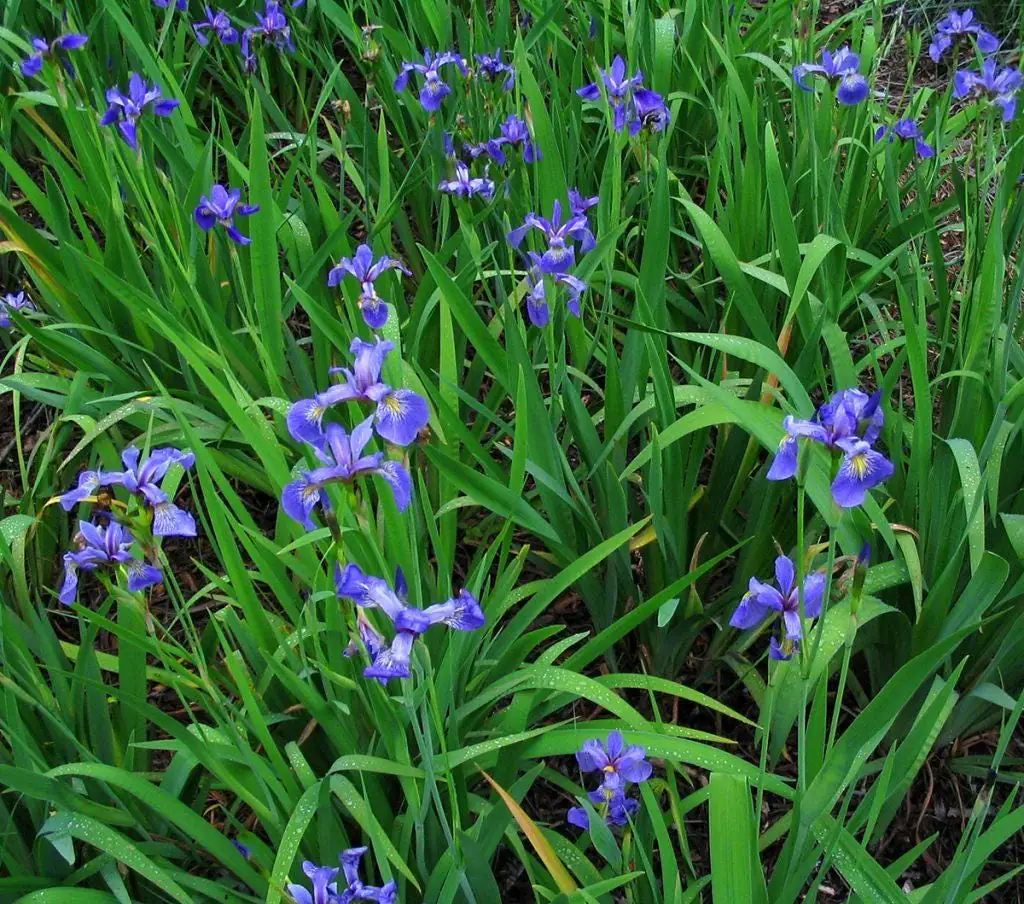
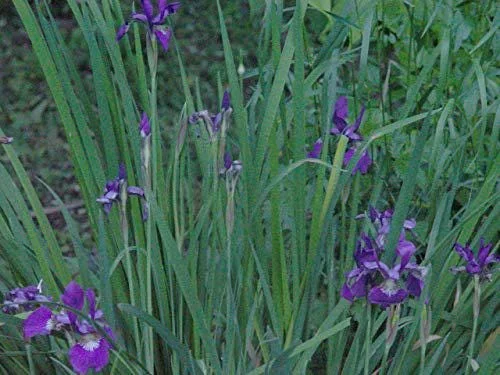
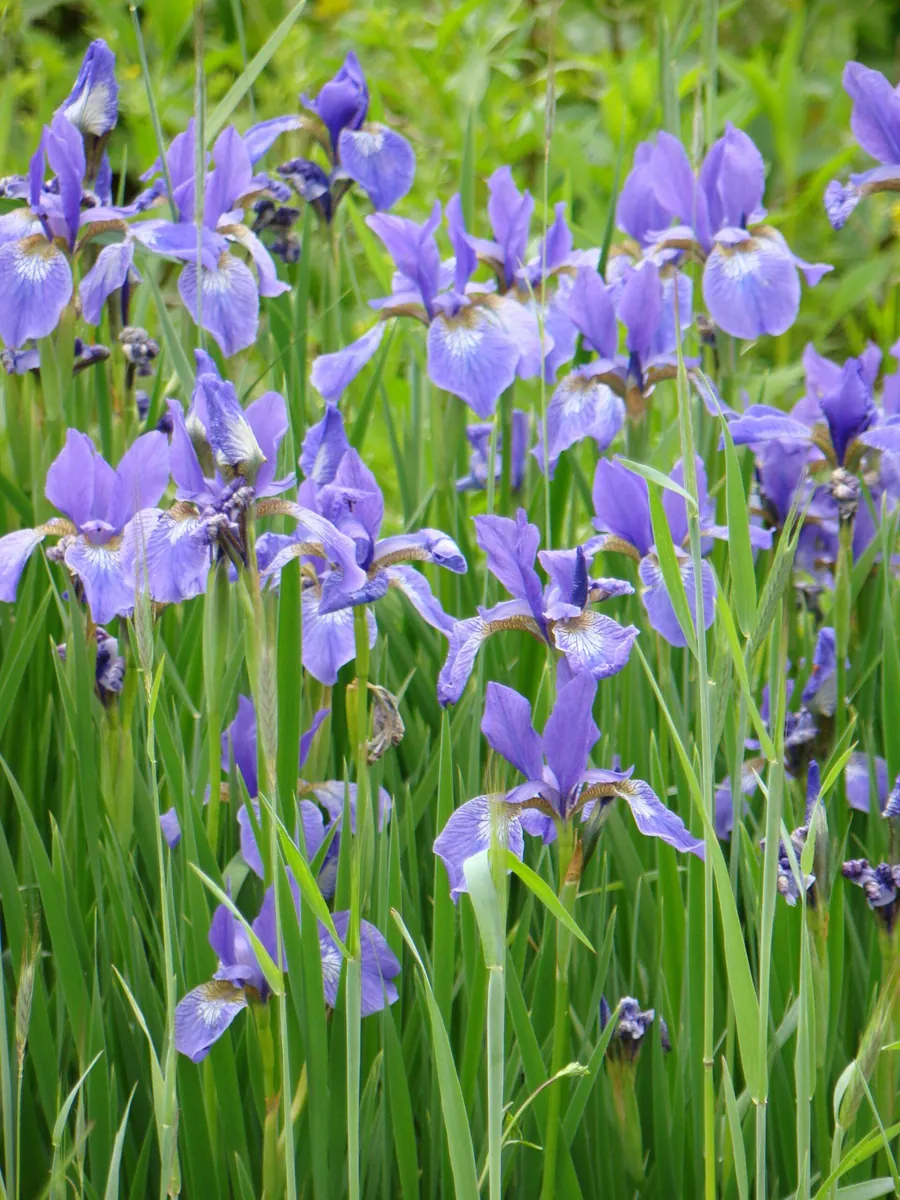
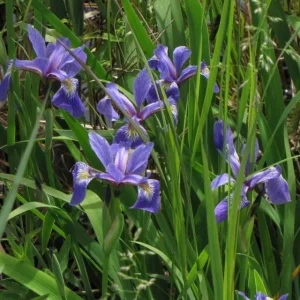
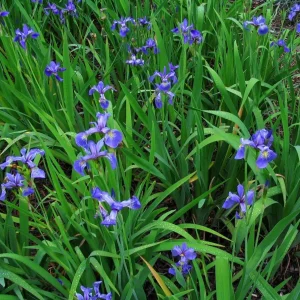
Introduce a touch of natural elegance to your landscape with the beautiful blue flag iris live plant (Iris versicolor). This striking wetland perennial is renowned for its captivating blue or violet-blue flowers, which emerge in late spring to early summer, adorned with intricate yellow and white markings at the base of the petals. The blue flag iris live plant is a superb choice for creating a vibrant, low-maintenance garden, especially in areas with consistently moist or wet soil. Thriving in conditions often challenging for other plants, it’s an ideal candidate for rain gardens, pond edges, or naturalized wetland areas. Its upright, sword-shaped leaves provide an attractive vertical element, complementing its showy blooms and contributing to a lush, verdant environment. This hardy plant not only adds aesthetic appeal but also supports local ecosystems by attracting pollinators like bees and butterflies.
The iris versicolor perennial is a North American native, perfectly adapted to thrive in its natural wetland habitats. Growing to a height of 1 to 3 feet, it establishes itself as a prominent feature in any garden setting. The distinctive flowers, lacking beards and featuring drooping petal-like sepals (falls) and three smaller petals (standards), offer a unique visual texture. Beyond its beauty, the blue flag iris live plant plays a crucial role in wetland remediation and erosion control, making it a functional as well as ornamental choice for environmentally conscious gardeners. Its resilience and adaptability to various wet soil conditions make it a rewarding addition to diverse garden designs.
Key Benefits
The blue flag iris live plant offers a multitude of benefits for both gardeners and the environment, making it a highly desirable addition to any landscape.
- Stunning Seasonal Blooms: Enjoy a spectacular display of vibrant blue or violet-blue flowers from late spring to early summer. These striking blooms, approximately 2.5 to 4 inches wide, feature unique yellow and white markings, adding significant visual interest to your garden. The blue flag iris live plant ensures your garden remains colorful and dynamic during its peak season.
- Ideal for Wet Environments: This perennial is perfectly suited for challenging wet areas, such as rain gardens, pond edges, marshes, and streambanks. It thrives in moist, wet, or even occasionally flooded soils, making it an excellent solution for managing excess water and beautifying damp spots where other plants might struggle.
- Attracts Pollinators: The beautiful flowers of the iris versicolor perennial are a magnet for essential pollinators like bees and butterflies, contributing to the health and biodiversity of your garden ecosystem. By planting this iris, you’re supporting local wildlife and encouraging a thriving natural habitat.
- Low Maintenance & Hardy: Once established, the blue flag iris live plant requires minimal care. It is a robust and resilient plant that can tolerate a range of conditions, making it an excellent choice for both experienced gardeners and beginners looking for an impactful yet easy-to-grow perennial.
- Architectural Foliage: Beyond its flowers, the upright, sword-shaped, blue-green leaves of the wetland iris plant provide an attractive structural element to the garden. This foliage creates a strong vertical accent, adding depth and texture even when the plant is not in bloom.
- Erosion Control: Due to its preference for moist and wet soils, this plant is excellent for stabilizing soil along water bodies and in rain gardens, helping to prevent erosion in sensitive areas.
- Naturalized Beauty: The blue flag iris live plant lends a natural, wild beauty to any setting, perfect for creating a serene and picturesque landscape that feels connected to nature.
Plant Care & Growing Tips
Caring for your blue flag iris live plant is relatively straightforward, especially given its natural resilience. This plant thrives in conditions that mimic its native wetland habitats. For optimal growth and flowering, ensure it receives full sun to partial shade. Full sun (at least 6 hours of direct sunlight per day) will promote the most abundant blooms, while partial shade (2-4 hours of direct sun, especially in the afternoon) can be tolerated, particularly in hotter climates. The most critical aspect of blue flag iris care is providing consistent moisture. This plant is a true wetland species, preferring wet, moist, or even occasionally flooded soils. It can successfully grow in shallow standing water, making it perfect for pond margins or boggy garden areas.
When it comes to soil, the iris versicolor perennial is adaptable but prefers rich, organic soils that retain moisture well. Heavy clay soils are often suitable as they tend to hold water. While it can tolerate a range of soil types, ensuring good organic content will enhance its vigor. Fertilization is generally not heavily required for established plants, especially in rich soils. If growth appears slow or the soil is poor, a balanced, slow-release fertilizer applied in early spring can be beneficial. Avoid over-fertilizing, which can lead to excessive foliage at the expense of flowers. The plant is hardy in USDA zones 3-9, tolerating cold winters and hot summers within this range. Division every 3-5 years in early spring or fall can help maintain plant health and vigor, preventing overcrowding. Watch out for iris borers, a common pest; prompt removal of affected foliage can help manage infestations. Proper blue flag iris care ensures a healthy and beautiful display year after year.
For those looking into rain garden plants, the blue flag iris live plant is an excellent choice. Its ability to handle fluctuating water levels makes it perfect for areas designed to collect stormwater runoff. Planting it in a depression or basin that periodically fills with water will allow it to thrive. Ensure good air circulation around the plants to prevent fungal issues, especially in humid climates. Regular watering is essential during dry spells, particularly for newly planted specimens, to help them establish strong root systems. Once mature, these plants are quite self-sufficient, requiring minimal intervention.
Size & Details
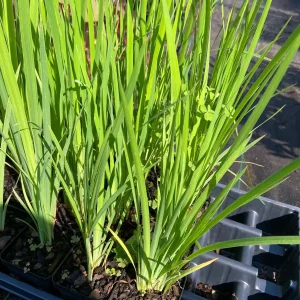
The blue flag iris live plant typically grows as an upright perennial, reaching a mature height of 1 to 3 feet (30 to 90 cm). Its spread can be similar, forming dense clumps over time. The plant is characterized by its sword-shaped, blue-green leaves that provide an attractive architectural element. The striking blue or violet-blue flowers, approximately 2.5 to 4 inches (6 to 10 cm) wide, feature unique yellow and white markings near the base of the petals, adding intricate detail. This particular offering is for a live plant provided in a 2.5-inch pot, ready for planting upon arrival. The iris versicolor perennial is known for its moderate to fast growth rate, quickly establishing itself in suitable conditions and typically blooming in its first or second year after planting.
The plant will arrive carefully packaged to ensure its health and vitality during transit. It’s best to plant it shortly after receiving it to allow for proper establishment. This wetland iris plant is a robust choice for adding natural beauty and ecological benefits to your garden. Expect new foliage to emerge in spring, followed by its spectacular blooms in late spring to early summer. Its ability to thrive in moist to wet soil makes it a versatile option for various landscape designs, from formal water features to naturalized bog gardens. The blue flag iris live plant is a long-lived perennial, providing years of enjoyment with proper placement and care.
Frequently Asked Questions
- Q: How big does this blue flag iris live plant get? A: The blue flag iris live plant typically grows to a height of 1 to 3 feet (30 to 90 cm) with a similar spread, forming attractive clumps over time. Its upright, sword-shaped foliage adds a strong vertical element to the garden.
- Q: What size pot does it come in? A: This particular iris versicolor perennial is supplied in a 2.5-inch pot, ready for immediate planting in your garden or a larger container if desired. This size is ideal for establishing new plants.
- Q: Is this an indoor or outdoor plant? A: The blue flag iris live plant is an outdoor perennial, best suited for garden beds, rain gardens, pond edges, or other moist to wet outdoor environments. It is not typically grown as an indoor houseplant.
- Q: How much sunlight does it need? A: This wetland iris plant prefers full sun (at least 6 hours of direct sunlight daily) for the best flowering, but it can tolerate partial shade, especially in areas with intense afternoon sun.
- Q: Is this plant easy to care for? A: Yes, the blue flag iris live plant is considered relatively easy to care for, especially once established. Its primary requirement is consistently moist to wet soil, making it perfect for challenging damp areas in the garden.
- Q: What condition will it arrive in? A: Your blue flag iris live plant will arrive as a healthy, actively growing plant in its 2.5-inch pot, carefully packaged to ensure its safe transit and readiness for planting.
- Q: How long until it blooms? A: With proper care and suitable conditions, your iris versicolor perennial may bloom in its first year, but most commonly it will produce its vibrant flowers in the late spring to early summer of its second year after planting.
- Q: What’s the minimum temperature this blue flag iris care plant can tolerate? A: The blue flag iris live plant is very cold hardy, thriving in USDA Zones 3-9. This means it can withstand winter temperatures well below freezing, making it suitable for a wide range of climates.
- Q: Is the blue flag iris live plant beneficial for wildlife? A: Absolutely! The beautiful flowers of the blue flag iris live plant are highly attractive to pollinators such as bees and butterflies, contributing to local biodiversity and supporting garden ecosystems.
- Q: Can this plant be used in a regular garden bed? A: While it can be grown in a regular garden bed, it will require consistently moist soil. It truly thrives and performs best in wet environments like rain gardens, bog gardens, or along water features, which are key for successful rain garden plants.
| Wild Iris | 2, 3, 4 |
|---|
Be the first to review “Blue Flag Iris Live Plant – Iris Versicolor – 2.5 in Pot – Wetland Perennial”
People Also Viewed
Sold 63 products
Original price was: $47.96.$23.98Current price is: $23.98.
Sold 86 products
Original price was: $24.00.$19.20Current price is: $19.20.
Sold 63 products
Original price was: $47.96.$23.98Current price is: $23.98.
Sold 80 products
Original price was: $67.96.$33.98Current price is: $33.98.
Sold 87 products
Original price was: $67.96.$33.98Current price is: $33.98.
Sold 73 products
From $43.80
Sold 77 products
$329.98
Sold 99 products
Original price was: $74.36.$37.18Current price is: $37.18.
Sold 87 products
Original price was: $67.96.$33.98Current price is: $33.98.
Flower Plants
Gold Yellow Lantana Plants – 2 Live Plants – 4 Inch Pots – Butterfly Attracting Flowers
Sold 59 products
Original price was: $39.98.$19.99Current price is: $19.99.
Sold 100 products
Original price was: $107.80.$53.90Current price is: $53.90.
Sold 62 products
Original price was: $47.96.$23.98Current price is: $23.98.
Sold 59 products
Original price was: $39.68.$19.84Current price is: $19.84.
Sold 66 products
Original price was: $39.96.$19.98Current price is: $19.98.
Sold 97 products
Original price was: $39.96.$19.98Current price is: $19.98.
Sold 74 products
From $67.80
Sold 97 products
Original price was: $59.96.$29.98Current price is: $29.98.
Sold 77 products
From $14.98



Reviews
There are no reviews yet.