
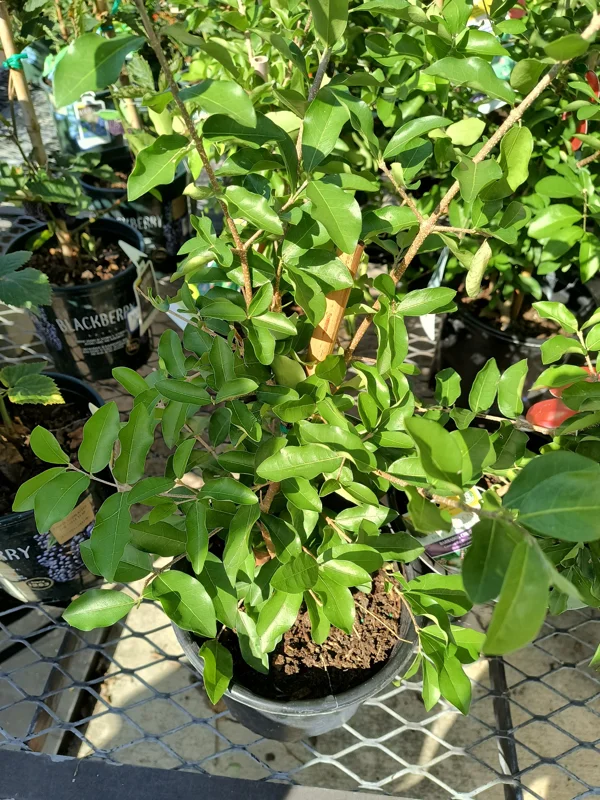
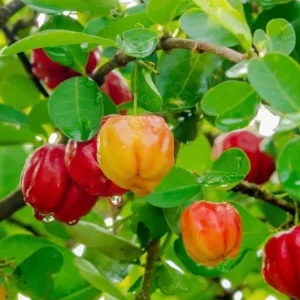
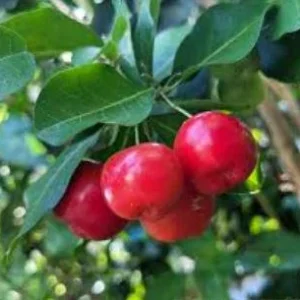
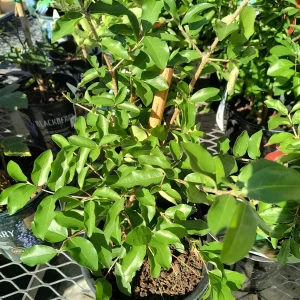
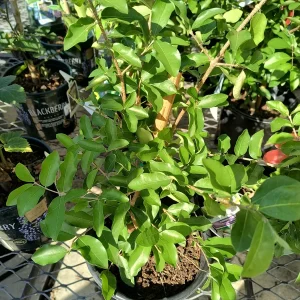
Barbados Cherry Live Plant – Fruit Tree – 6 to 8 inch Tall – Indoor/Outdoor
Original price was: $38.98.$25.98Current price is: $25.98.
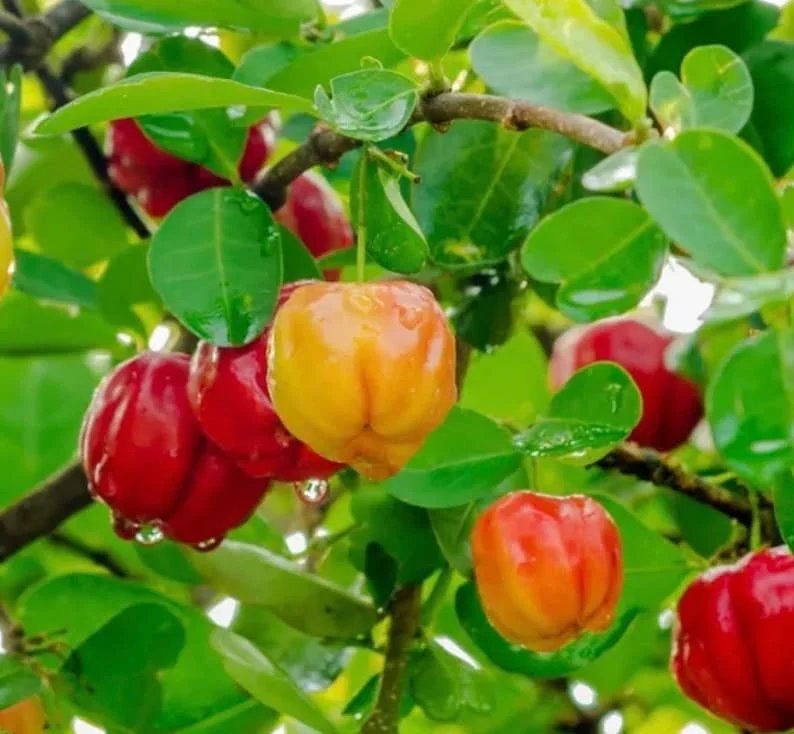
Bring the tropics to your home with a Barbados Cherry live plant. This vibrant fruit tree, measuring 6 to 8 inches tall, offers delicious, vitamin C-rich fruits. Perfect for both indoor and outdoor cultivation, it’s a rewarding addition to any garden or patio.
-
USDA Hardiness Zone
USDA zones 9-11 -
Soil Type
Well-draining potting mix -
Sunlight Exposure
Full sun -
Expected Planting Period
Year-round indoors, spring to early summer outdoors

You can track your order HERE
Sep 16
Sep 21 - Sep 23
Sep 26 - Sep 30
Shipping and return policies: Our Alive & Thrive Guarantee covers issues with your plants within the first 30 days. Reach out to us. Our team will answer your questions and help you find the plants that are truly suitable for your environment, climate, and personal preferences.

Overview
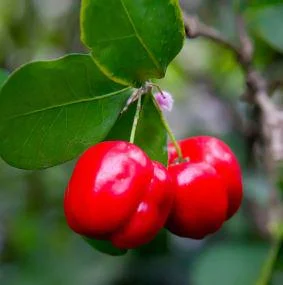
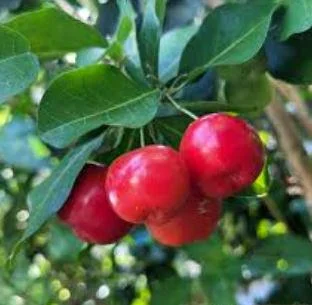
Cultivate your own superfood source with this vibrant Barbados Cherry live plant. Also known as Acerola Cherry or West Indian Cherry, this tropical fruit tree is scientifically named Malpighia emarginata. Our young plant, standing 6 to 8 inches tall, arrives ready to thrive in your care. The Barbados Cherry is celebrated for its abundant, tart, and juicy fruits, which are famously rich in Vitamin C – often cited as having one of the highest concentrations among cultivated fruits. This makes the acerola cherry tree not just a beautiful ornamental plant but also a highly functional addition to your edible landscape or indoor garden. Its compact size and attractive foliage make it suitable for a variety of growing environments, from sunny patios to bright indoor spaces.
This particular dwarf cherry plant offers the joy of growing your own exotic fruit without requiring extensive space. It’s a fantastic choice for both seasoned gardeners and beginners eager to explore tropical fruit cultivation. With proper care, you can look forward to enjoying fresh, homegrown Barbados Cherries, straight from your own backyard or sunny windowsill.
Key Benefits
Adding a Barbados Cherry live plant to your collection offers a multitude of advantages, blending aesthetic appeal with practical benefits. This resilient and productive plant brings a touch of the tropics and a wealth of health to your home:
- Exceptional Nutritional Value: The primary benefit of the Barbados Cherry is its incredibly high Vitamin C content, far surpassing that of oranges. Consuming these fresh cherries can significantly boost your immune system and overall health.
- Delicious and Versatile Fruit: Enjoy the distinct tart and slightly sweet flavor of fresh Barbados cherries. They are perfect for eating fresh, making juices, jams, jellies, or adding a tangy kick to desserts.
- Attractive Ornamental Plant: Beyond its fruit, the malpighia emarginata plant features glossy green leaves and delicate pink flowers that add beauty to any setting. Its compact growth habit makes it an ideal specimen for containers.
- Adaptable Growing Conditions: This robust plant can be grown both indoors in a bright location or outdoors in warmer climates, making it a flexible choice for various gardeners. It adapts well to different soil types, provided they are well-draining.
- Relatively Low Maintenance: Once established, the dwarf cherry plant requires moderate care, making it suitable for those who desire bountiful harvests without constant attention. Regular watering and occasional feeding keep it healthy and productive.
- Supports Local Ecosystems: When grown outdoors, the flowers of the tropical fruit tree attract pollinators like bees, contributing positively to local biodiversity and garden health.
- Rewarding Home Harvest: Experience the satisfaction of harvesting your own fresh, organic fruit, knowing exactly where your food comes from and how it was grown.
Plant Care & Growing Tips
Caring for your Barbados Cherry live plant is a rewarding experience that yields delicious fruit. This tropical beauty thrives with consistent attention to its environmental needs. For optimal growth and fruit production, ensure it receives plenty of sunlight. Aim for at least 6-8 hours of direct sunlight daily. If growing indoors, place it near a south-facing window or supplement with a grow light to mimic its natural tropical habitat. Outdoors, choose a sunny spot protected from harsh winds.
Watering is crucial for the acerola cherry tree. Keep the soil consistently moist but never waterlogged. Allow the top inch of soil to dry out slightly between waterings, especially for container-grown plants. Overwatering can lead to root rot, while underwatering can stress the plant and reduce fruit yield. Well-draining soil is essential; a good quality potting mix amended with perlite or sand works well. The ideal temperature range for this malpighia emarginata plant is between 60-90°F (15-32°C). It is sensitive to frost, so if you live in a colder climate (outside USDA zones 9-11), bring potted plants indoors before temperatures drop.
Fertilize your dwarf cherry plant regularly during the growing season (spring through fall) with a balanced, slow-release fertilizer or a liquid feed formulated for fruit trees. Reduce fertilization during winter dormancy. Pruning can be done to maintain shape, encourage bushier growth, and improve air circulation. Watch out for common pests like aphids or spider mites; treat them promptly with organic insecticidal soap if spotted. Providing proper care will ensure a healthy and productive tropical fruit tree for years to come.
Size & Details
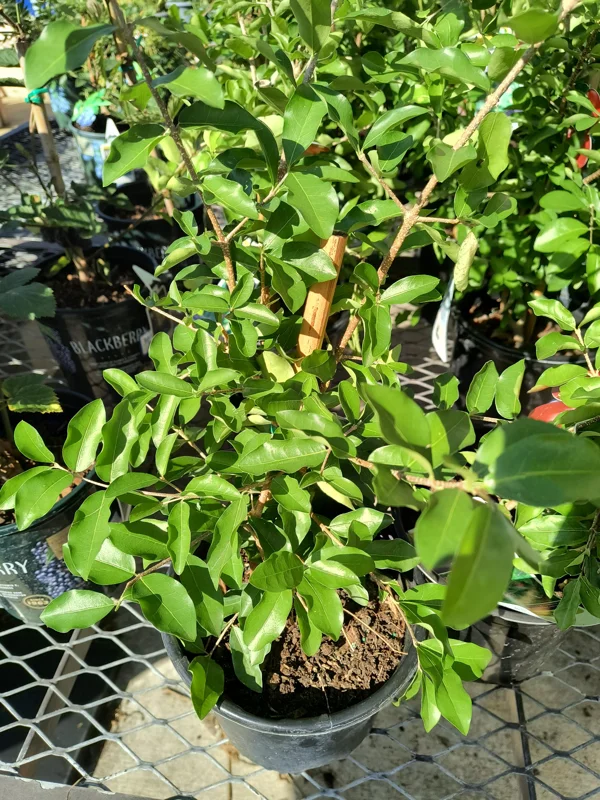
This offering is for one young Barbados Cherry live plant, which stands approximately 6 to 8 inches tall from the base of the soil to the tip of its tallest leaf. It is typically shipped in a small nursery pot, ensuring its roots are protected and ready for transplanting upon arrival. While this plant is currently compact, the Barbados Cherry is a relatively fast-growing shrub or small tree that can reach heights of 10-20 feet in its natural environment if left unpruned. However, it responds very well to pruning and can be maintained at a much smaller, more manageable size, making it perfect for container gardening or as a compact shrub in the landscape.
Expect this acerola cherry tree to begin producing fruit within 1-2 years under optimal growing conditions. The fruit typically ripens in cycles throughout the warmer months. Its mature spread can be similar to its height if allowed to grow naturally, forming a dense, bushy plant. This tropical fruit tree is a fantastic investment for anyone looking to add a productive and ornamental plant to their garden or home.
Frequently Asked Questions
- Q: How big does this plant get? A: This Barbados Cherry live plant arrives 6 to 8 inches tall. With proper care, it can grow into a shrub or small tree 10-20 feet tall, but it can be easily kept smaller through pruning, making it suitable for pots.
- Q: Is this an indoor or outdoor plant? A: The Barbados Cherry is versatile. It thrives outdoors in USDA Zones 9-11. In colder climates, it can be grown outdoors during warm months and brought indoors as a potted plant before frost.
- Q: How much sunlight does it need? A: This acerola cherry tree requires at least 6-8 hours of direct sunlight per day to produce fruit optimally. Indoors, place it in your brightest window, preferably south-facing.
- Q: Is this plant easy to care for? A: Yes, the malpighia emarginata plant is considered relatively easy to care for, especially once established. It primarily needs consistent watering, ample sunlight, and occasional fertilization.
- Q: What condition will it arrive in? A: Your dwarf cherry plant will arrive carefully packaged in a nursery pot, with its roots protected and foliage intact, ready for you to transplant into its new home.
- Q: How long until it produces fruit? A: Under ideal growing conditions, you can expect your Barbados Cherry plant to start bearing fruit within 1 to 2 years after planting.
- Q: Can I use Barbados Cherries in cooking? A: Absolutely! The tart, vitamin C-rich fruits of the tropical fruit tree are excellent for fresh eating, juices, smoothies, jams, jellies, and sauces.
- Q: What type of soil does the Barbados Cherry prefer? A: This plant prefers well-draining soil. A good quality potting mix with added perlite or sand works well for container growing, and it adapts to various garden soils as long as drainage is adequate.
- Q: Is this plant pet-safe? A: While the fruit is beneficial for humans, it’s always best to research specific plant toxicity for pets. Generally, the Barbados Cherry is not listed as highly toxic, but moderation is key for any plant your pet might consume.
- Q: What is the best time to plant a Barbados Cherry? A: For outdoor planting in suitable zones, spring is an ideal time as it allows the plant to establish before the peak heat of summer. Potted plants can be transplanted any time indoors.
Be the first to review “Barbados Cherry Live Plant – Fruit Tree – 6 to 8 inch Tall – Indoor/Outdoor”
People Also Viewed
Sold 59 products
Original price was: $60.00.$48.00Current price is: $48.00.
Sold 52 products
Original price was: $319.96.$159.98Current price is: $159.98.
Sold 96 products
Original price was: $247.96.$123.98Current price is: $123.98.
Sold 83 products
Original price was: $355.96.$177.98Current price is: $177.98.
Sold 66 products
Original price was: $391.96.$195.98Current price is: $195.98.
Sold 62 products
Original price was: $60.00.$48.00Current price is: $48.00.
Sold 79 products
Original price was: $200.00.$100.00Current price is: $100.00.
Sold 59 products
From $55.96
Grasses
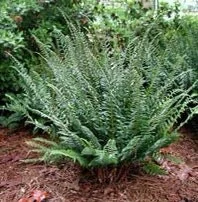
3 Christmas Ferns Polystichum Acrostichoides Bare Root Plant – Evergreen Perennial Shade Garden
Sold 73 products
Original price was: $19.98.$15.98Current price is: $15.98.

Sold 97 products
Original price was: $91.98.$79.98Current price is: $79.98.
Sold 92 products
Original price was: $56.00.$44.80Current price is: $44.80.
Sold 53 products
Original price was: $64.00.$51.20Current price is: $51.20.
Sold 51 products
Original price was: $319.96.$159.98Current price is: $159.98.
Sold 88 products
Original price was: $80.00.$64.00Current price is: $64.00.
Sold 100 products
Original price was: $391.96.$195.98Current price is: $195.98.
Sold 62 products
Original price was: $200.00.$160.00Current price is: $160.00.
Sold 91 products
Original price was: $463.96.$231.98Current price is: $231.98.





%20–%20Evergreen%20Perennial&url=https://gardennursery.net/product/40-christmas-fern-bulbs-polystichum-acrostichoides-evergreen-perennial/&media=https://img.gardennursery.net/2026/01/40-christmas-fern-bulbs-polystichum-acrostichoides.webp)
%20Bare-root%20Plant%20–%20Shade%20Evergreen&url=https://gardennursery.net/product/christmas-fern-polystichum-acrostichoides-bare-root-plant-shade-evergreen/&media=https://img.gardennursery.net/2026/01/christmas-fern-polystichum-acrostichoides-bare-roo-1024x683.webp)


%20–%20Syzygium%20cumini%20–%201%20Gallon%20Pot%20–%20Black%20Malabar%20Fruit%20Tree&url=https://gardennursery.net/product/java-plum-live-plant-1-2ft-syzygium-cumini-1-gallon-pot-black-malabar-fruit-tree/&media=https://img.gardennursery.net/2026/04/java-plum-live-plant-1-2ft-syzygium-cumini-1-gallo-9589f578.webp)


Reviews
There are no reviews yet.