
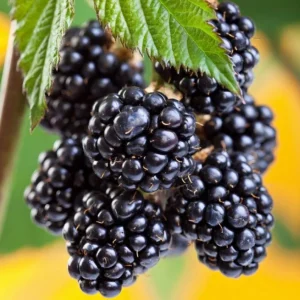
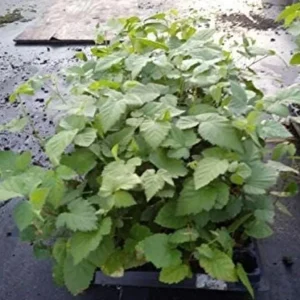
Arapaho Thornless Blackberry Live Plant – 3-8″ Tall – Outdoor Berry Shrub
Original price was: $26.39.$18.47Current price is: $18.47.
Cultivate your own organic fruit with this arapaho blackberry live plant. This thornless blackberry shrub is ideal for home gardens, providing sweet, juicy berries without the hassle of thorns. Grows 3-8 inches tall and is perfect for outdoor planting.
-
USDA Hardiness Zone
USDA zones 5-9 -
Soil Type
Well-draining, fertile, slightly acidic soil -
Sunlight Exposure
Full sun (6-8+ hours daily) -
Expected Planting Period
Early spring or fall

You can track your order HERE
Oct 15
Oct 20 - Oct 22
Oct 25 - Oct 29
Shipping and return policies: Our Alive & Thrive Guarantee covers issues with your plants within the first 30 days. Reach out to us. Our team will answer your questions and help you find the plants that are truly suitable for your environment, climate, and personal preferences.

Overview
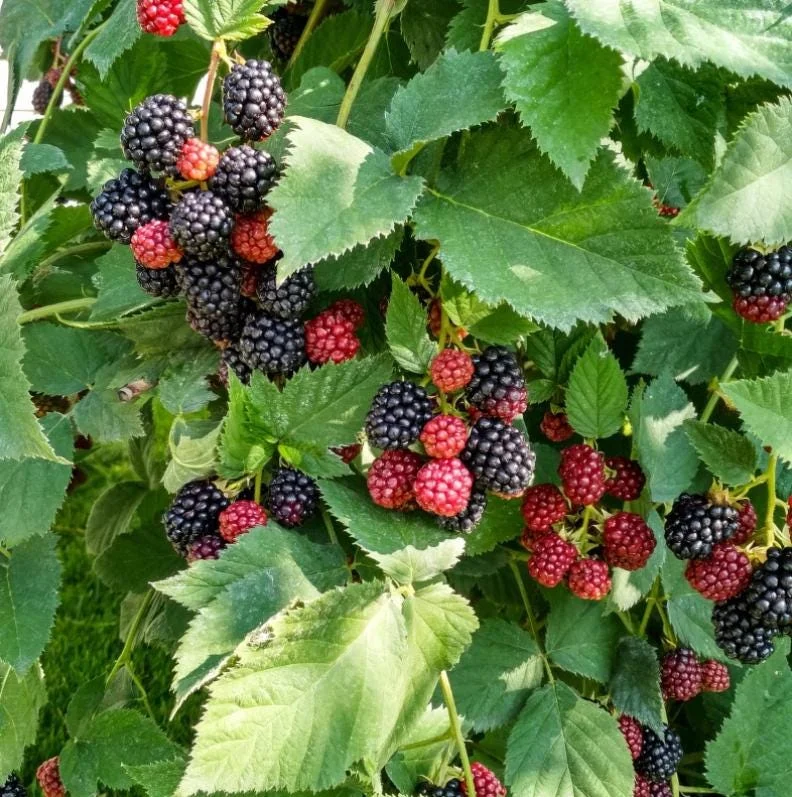
Discover the joy of growing your own delicious fruit with an arapaho blackberry live plant. This exceptional variety of Rubus fruticosus is renowned for its thornless canes, making harvesting a pleasant and pain-free experience for gardeners of all ages. Originating from the University of Arkansas breeding program, the ‘Arapaho’ blackberry is a primocane-fruiting type, meaning it produces fruit on first-year canes, often yielding a generous harvest from mid-summer to early fall. It’s an excellent choice for both experienced growers and those new to fruit cultivation, offering a robust and rewarding addition to any home orchard or garden space.
This thornless blackberry shrub is not only productive but also attractive, with lush green foliage that adds a touch of natural beauty to your landscape. Unlike many other blackberry varieties, the absence of thorns allows for easier pruning, maintenance, and, most importantly, harvesting. Imagine stepping into your backyard and picking sweet, ripe blackberries directly from the bush, ready to be enjoyed fresh, in pies, jams, or desserts. The ‘Arapaho’ is a self-pollinating variety, so you only need one plant to get started, though planting multiple can increase your yield.
Key Benefits
Adding an arapaho blackberry live plant to your garden brings a multitude of advantages, from culinary delights to gardening convenience. This variety is specifically bred for ease of care and abundant production, making it a standout choice for home gardeners.
- Effortless Harvesting: The primary benefit of this plant is its completely thornless canes. This feature makes picking berries a safe and enjoyable activity for everyone, including children, eliminating the risk of scratches and making the entire harvesting process much more efficient.
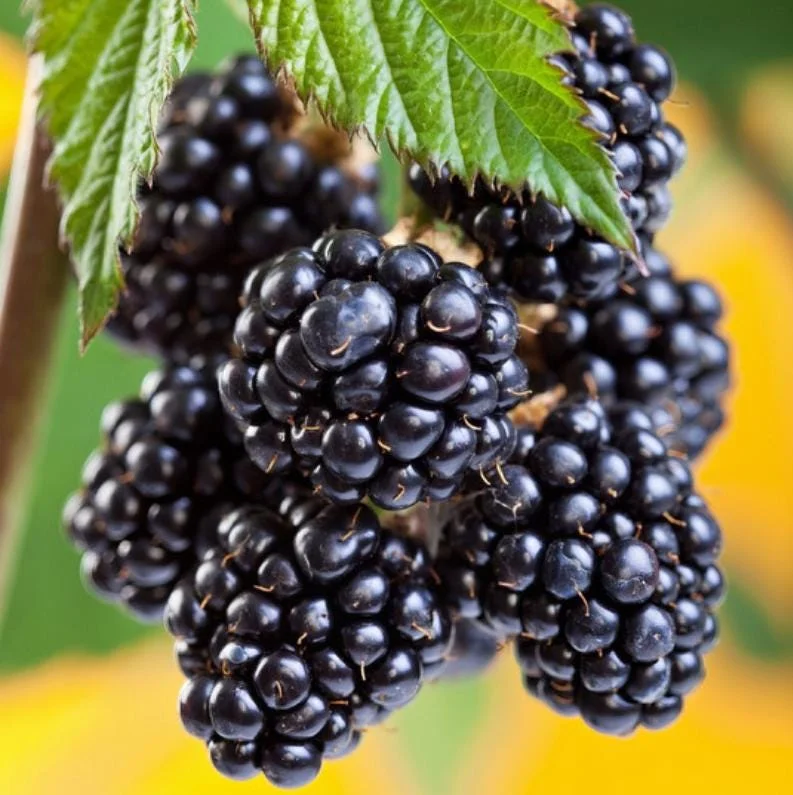
- Sweet, High-Quality Fruit: ‘Arapaho’ blackberries are known for their excellent flavor, combining sweetness with a slight tartness that is characteristic of premium blackberries. The berries are medium to large in size, firm, and have a beautiful glossy black appearance, perfect for fresh eating or preserving.
- Robust Growth and Disease Resistance: This variety exhibits strong vigor and good resistance to common blackberry diseases, contributing to a healthier plant and a more reliable harvest. Its resilience makes it suitable for various growing conditions, reducing the need for extensive chemical treatments.
- Versatile Culinary Uses: Beyond fresh consumption, the berries from your thornless blackberry shrub can be used in an endless array of culinary applications. Make delicious pies, cobblers, jams, jellies, smoothies, or simply sprinkle them over your morning cereal or yogurt for a burst of fresh flavor.
- Space-Efficient for Home Gardens: While productive, the ‘Arapaho’ blackberry tends to have an upright growth habit, which can be managed with proper pruning and trellising. This makes it a good option even for smaller gardens or those with limited space, allowing you to maximize your fruit production in a compact area.
- Self-Pollinating Convenience: Being a self-pollinating variety, you don’t need to plant multiple ‘Arapaho’ bushes to ensure fruit production. A single plant can yield a good harvest, though cross-pollination with other blackberry varieties can sometimes enhance fruit set and yield.
Plant Care & Growing Tips
Caring for your arapaho blackberry live plant is straightforward, ensuring a bountiful harvest with minimal effort. This resilient plant thrives when provided with the right conditions, leading to healthy growth and delicious fruit. Understanding the specific needs of growing thornless blackberries will set you up for success and help you maximize your yield each season.
Blackberries prefer a location with full sun, meaning at least 6-8 hours of direct sunlight per day. Adequate sunlight is crucial for fruit development and flavor. The soil should be well-draining, fertile, and slightly acidic, with a pH between 5.5 and 6.5. Amend heavy clay soils with organic matter like compost or aged manure to improve drainage and fertility. When planting, ensure the crown of the plant is at soil level. Water thoroughly after planting and keep the soil consistently moist, especially during dry spells and when the plant is fruiting. Aim for about 1 inch of water per week, either from rainfall or irrigation. Avoid overhead watering to reduce the risk of fungal diseases.
Pruning is essential for maintaining the health and productivity of your rubus fruticosus plant. Since ‘Arapaho’ is a primocane-fruiting variety, it produces fruit on first-year canes. After a cane has fruited, it will die back and should be removed. In late winter or early spring, prune out all dead, damaged, or weak canes. You can also thin out overcrowded canes to improve air circulation and sunlight penetration. Fertilize in early spring with a balanced slow-release fertilizer or an organic compost. Blackberries are generally hardy in USDA Zones 5-9. In colder zones, provide winter protection by mulching heavily around the base of the plant. Watch for common pests like aphids and Japanese beetles, and address them with organic pest control methods if necessary. Proper blackberry plant care outdoor ensures a thriving plant and abundant harvests.
Size & Details
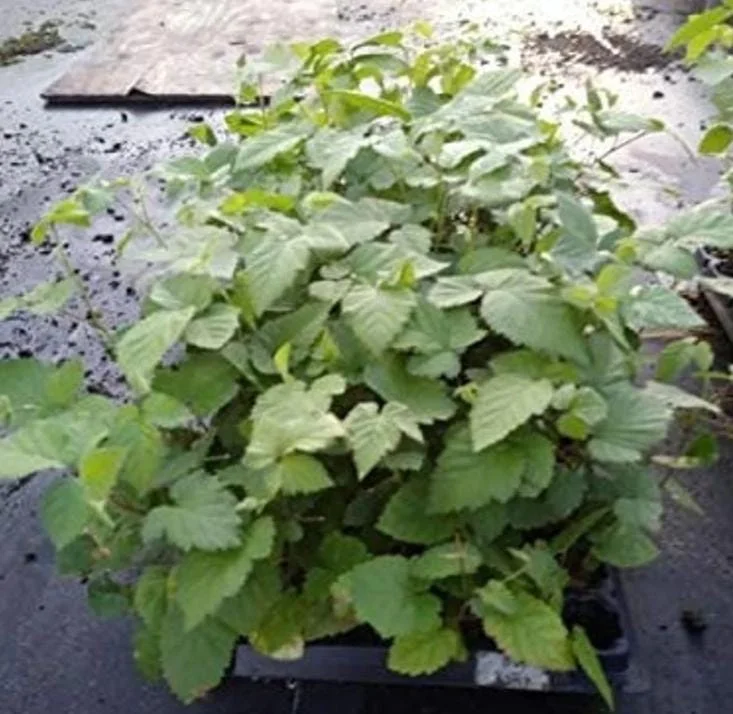
This arapaho blackberry live plant typically ships as a young, healthy specimen, measuring approximately 3-8 inches tall. It is generally shipped without a pot to minimize shipping stress and is ready for immediate planting upon arrival. When mature, ‘Arapaho’ blackberry bushes can reach heights of 4-6 feet and spread 3-4 feet wide, with an upright growth habit that benefits from trellising for support. This variety boasts a moderate growth rate, establishing itself well in its first year and beginning to produce fruit in its second year. Expect a significant harvest from mid-summer through early fall once the plant is established. The fruit production continues for several weeks, offering a prolonged period of fresh berry enjoyment.
Frequently Asked Questions
- Q: How big does this arapaho blackberry live plant get? A: When mature, the ‘Arapaho’ blackberry bush typically reaches a height of 4-6 feet and spreads about 3-4 feet wide. Its upright growth habit makes it manageable for most garden spaces.
- Q: Is this an indoor or outdoor plant? A: The arapaho blackberry live plant is an outdoor fruiting shrub. It requires full sun exposure and is best suited for planting directly in the ground in a garden or home orchard.
- Q: How much sunlight does it need? A: This plant thrives in full sun, requiring at least 6-8 hours of direct sunlight per day. Ample sunlight is crucial for optimal fruit production and flavor development.
- Q: Is this plant easy to care for? A: Yes, the ‘Arapaho’ blackberry is considered relatively easy to care for, especially for its thornless nature. With proper sunlight, well-draining soil, and regular watering, it provides a rewarding harvest.
- Q: What condition will it arrive in? A: Your arapaho blackberry live plant will arrive as a young, dormant or semi-dormant plant, typically 3-8 inches tall, shipped without a pot to ensure safe transit and readiness for planting.
- Q: When is the best time to plant thornless blackberries? A: The best time to plant thornless blackberry shrub varieties like ‘Arapaho’ is in early spring after the last frost, or in the fall before the ground freezes.
- Q: Will it survive winter in my zone? A: ‘Arapaho’ blackberries are hardy in USDA Zones 5-9. In colder zones, providing winter protection with heavy mulch around the base can help the plant survive.
- Q: How long until it produces fruit? A: This variety typically begins producing fruit in its second year after planting. Once established, you can expect a good harvest from mid-summer to early fall each year.
- Q: Do I need more than one plant for fruit? A: No, the ‘Arapaho’ blackberry is self-pollinating, meaning a single plant can produce fruit. However, planting multiple bushes may lead to a more abundant harvest.
- Q: What kind of soil is best for growing thornless blackberries? A: Blackberries prefer well-draining, fertile, and slightly acidic soil with a pH between 5.5 and 6.5. Amending with organic matter can improve soil structure and fertility.
Be the first to review “Arapaho Thornless Blackberry Live Plant – 3-8″ Tall – Outdoor Berry Shrub”
People Also Viewed
Vegetables
Mortgage Lifter Tomato Live Plants, Indeterminate, Heirloom, 3-Pack, 6-10 inches Tall, Outdoor
Sold 51 products
$36.00


Sold 95 products
Original price was: $39.98.$19.99Current price is: $19.99.
Sold 91 products
Original price was: $210.00.$157.50Current price is: $157.50.





Reviews
There are no reviews yet.