

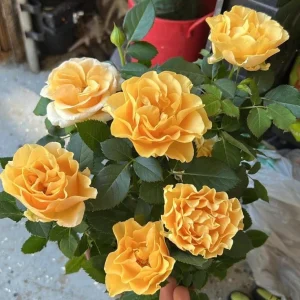
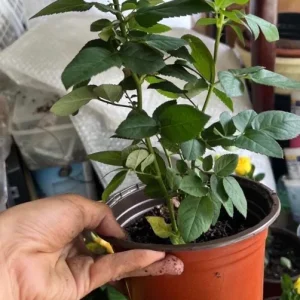

Apricot Rose Starter Live Plant – Beautiful Rose Bush, 3-6 inches
Original price was: $44.00.$22.00Current price is: $22.00.
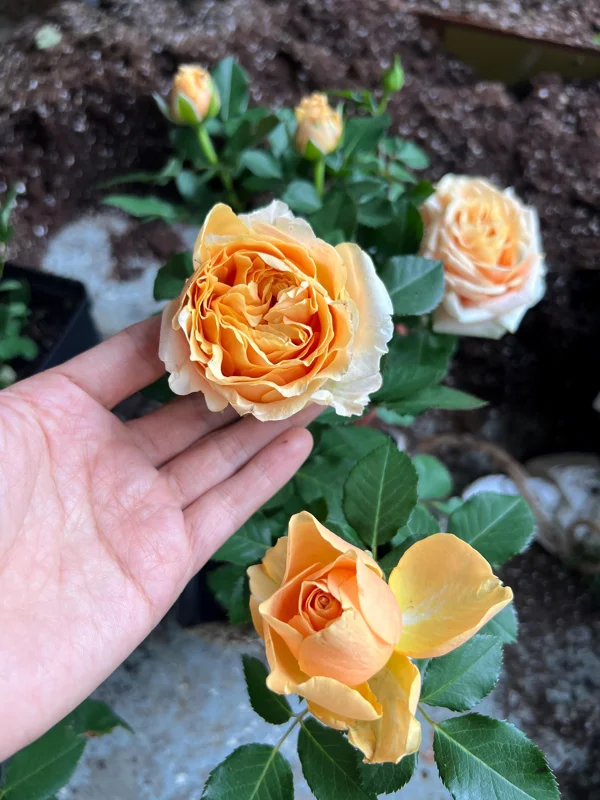
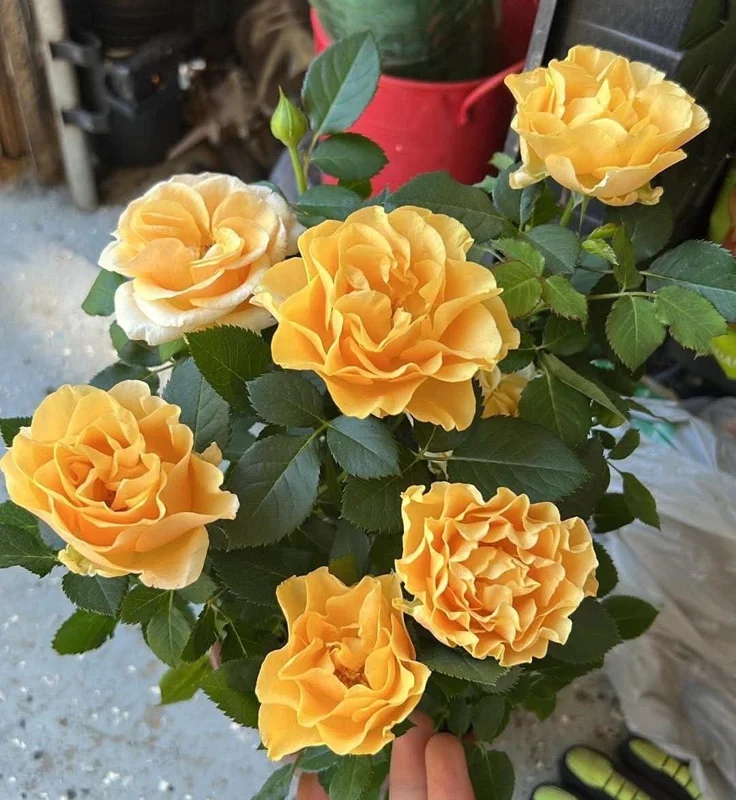
Bring charming color to your garden with this beautiful apricot rose live plant. This starter rose bush, measuring 3-6 inches, is perfect for adding elegance and a delightful hue to your outdoor space.
-
USDA Hardiness Zone
USDA Zones 5-9 -
Soil Type
Well-draining, fertile soil (pH 6.0-7.0) -
Sunlight Exposure
Full sun (6-8 hours daily) -
Expected Planting Period
Spring to early summer or early fall

You can track your order HERE
Sep 20
Sep 25 - Sep 27
Sep 30 - Oct 04
Shipping and return policies: Our Alive & Thrive Guarantee covers issues with your plants within the first 30 days. Reach out to us. Our team will answer your questions and help you find the plants that are truly suitable for your environment, climate, and personal preferences.

Overview
Introduce a touch of elegance and vibrant color to your garden with this exquisite apricot rose live plant. This starter rose bush promises to bloom with stunning, soft apricot-hued flowers, creating a picturesque display in any landscape. Known for their intricate petals and often delightful fragrance, apricot roses are a popular choice among gardeners for their beauty and versatility. This live plant is carefully cultivated to ensure a healthy start, ready to thrive in its new home. Whether you’re an experienced gardener or just beginning, adding an apricot rose live plant can transform your outdoor area into a charming sanctuary.
Roses, belonging to the genus Rosa, are celebrated worldwide for their ornamental value and symbolic meanings. The apricot variety offers a unique color palette, blending shades of pink, orange, and yellow to create a warm and inviting atmosphere. This particular offering is a starter plant, typically measuring 3-6 inches, making it easy to establish in your garden beds, borders, or even in large containers. Prepare to enjoy the unfolding beauty and potential fragrant blooms that this lovely rose bush will bring to your home.
Key Benefits
Cultivating an apricot rose live plant in your garden offers numerous advantages, enhancing both the aesthetic appeal and the overall enjoyment of your outdoor space. These roses are not only beautiful but also contribute to a vibrant ecosystem.
- Stunning Visual Appeal: The soft, warm apricot tones of these roses provide a unique and captivating color that stands out in any garden setting. They blend beautifully with other perennials and shrubs, creating harmonious color schemes.
- Potential Fragrance: Many apricot rose varieties are known for their lovely, subtle fragrance, which can add an aromatic dimension to your garden, especially when planted near patios or windows.
- Attracts Pollinators: Like many flowering plants, apricot rose live plant blooms can attract beneficial pollinators such as bees and butterflies, contributing to the health and biodiversity of your garden ecosystem.
- Versatile Landscaping: This rose bush is suitable for various garden designs, including mixed borders, cottage gardens, or as a focal point in a container arrangement on a patio or balcony.
- Long Blooming Season: With proper care, apricot roses can offer a prolonged blooming season, providing continuous color and beauty from late spring through to the first frost.
- Garden Enhancement: Adding a rose bush care routine to your gardening can be a rewarding experience, leading to a vibrant and thriving plant that significantly elevates your garden’s aesthetic.
- Stress Reduction: Tending to beautiful plants like an apricot rose can be a therapeutic and enjoyable activity, promoting well-being and a connection with nature.
Plant Care & Growing Tips
Ensuring the health and vitality of your apricot rose live plant requires consistent care and attention to its specific needs. Proper rose bush care will encourage robust growth and abundant blooms throughout the season.
Sunlight Requirements: Apricot roses thrive in full sun, meaning they need at least 6-8 hours of direct sunlight per day. Choose a location in your garden that receives ample morning sun, which helps to dry dew from the leaves and reduce the risk of fungal diseases. While they can tolerate some partial shade, too little sun will result in fewer blooms and weaker growth. For optimal growth and flowering, ensure your plant is not overshadowed by larger trees or structures.
Watering Schedule and Soil Moisture: Consistent moisture is crucial, especially for young plants. Water deeply 2-3 times a week, ensuring the soil is moist but not waterlogged. The best time to water is in the morning, allowing the foliage to dry before nightfall. Reduce watering frequency during cooler months or rainy periods. Check the soil moisture by sticking your finger about an inch or two into the soil; if it feels dry, it’s time to water. Avoid overhead watering if possible, as wet leaves can encourage disease. Adequate hydration is key to successfully growing roses at home.
Soil Type and Drainage: Roses prefer well-draining, fertile soil with a slightly acidic to neutral pH (6.0-7.0). Amend heavy clay soils with organic matter like compost or aged manure to improve drainage and aeration. Sandy soils can benefit from organic matter to improve water retention. Good drainage is paramount to prevent root rot, a common issue for roses. Consider raised beds if your native soil is particularly poor in drainage. Using a high-quality potting mix is essential for container-grown roses.
Temperature Range and USDA Hardiness Zone: Most roses, including many fragrant rose varieties, are hardy in USDA Zones 5-9, though specific varieties may vary. Protect your rose bush from extreme cold by mulching heavily around the base in late fall. In very hot climates, some afternoon shade can prevent scorching of petals and leaves. Ensure good air circulation to prevent fungal problems in humid conditions. Consistent temperatures within their preferred range will contribute to a healthy, thriving plant.
Fertilization Schedule and Type: Feed your apricot rose regularly during its growing season (spring through late summer). Use a balanced rose fertilizer or a granular fertilizer formulated for flowering plants. Follow the product instructions for application rates and frequency, typically every 4-6 weeks. Stop fertilizing in late summer to allow the plant to prepare for dormancy. Organic options like compost tea or fish emulsion can also provide beneficial nutrients. Proper feeding supports vigorous growth and abundant blooms, making it an easy to grow roses experience.
Common Problems and Solutions: Keep an eye out for common rose pests like aphids, spider mites, and Japanese beetles. Treat infestations with insecticidal soap or neem oil. Fungal diseases such as black spot and powdery mildew can be managed by ensuring good air circulation, proper watering techniques, and applying fungicides if necessary. Promptly remove any diseased leaves to prevent spread. Regular inspection and early intervention are vital for maintaining a healthy apricot rose live plant.
Size & Details
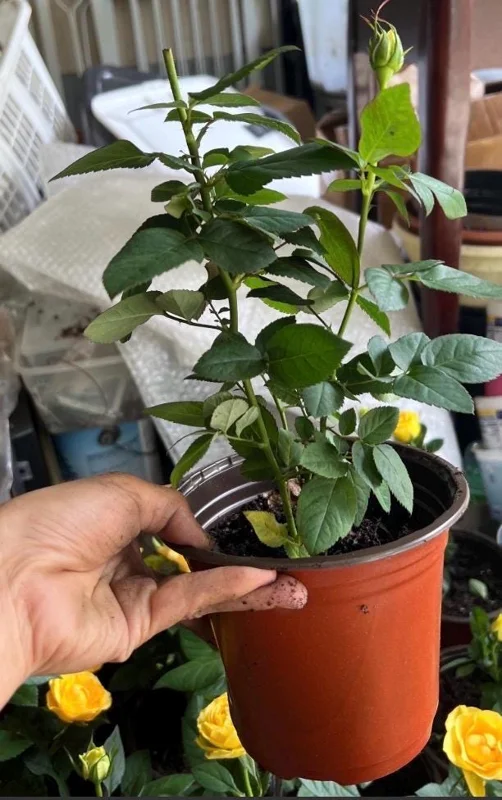
This offering is for one apricot rose live plant, provided as a starter plant, typically measuring between 3 to 6 inches in height from the top of the soil. These young plants are carefully nurtured to ensure they are healthy and ready for transplanting into your garden or a larger container. The ultimate size of your rose bush will depend on the specific variety, growing conditions, and pruning practices, but most garden roses can reach 3-5 feet in height and width at maturity. This rose bush care is critical to help it establish a strong root system and encourage vigorous top growth.
The plant will be shipped in a nursery pot or with its roots carefully protected, ready for immediate planting upon arrival. Expect a moderate growth rate, with the first significant blooms likely appearing in its first or second year after planting, depending on the growing season and care provided. The mature plant will provide a continuous display of charming apricot-colored flowers, adding a lovely aesthetic to your landscape. This size makes it an accessible option for those interested in growing roses at home without starting from seeds or cuttings.
Frequently Asked Questions
- Q: How big does this apricot rose plant get? A: This is a starter plant, typically 3-6 inches tall upon arrival. With proper care and ideal growing conditions, most garden rose bushes can reach a mature size of 3-5 feet in height and width. Regular pruning can help manage its size and shape.
- Q: Is this an indoor or outdoor plant? A: The apricot rose live plant is primarily an outdoor plant. It thrives in full sun and is best suited for garden beds, borders, or large outdoor containers where it can receive adequate sunlight and air circulation.
- Q: How much sunlight does an apricot rose need? A: Apricot roses require at least 6-8 hours of direct sunlight per day to produce abundant blooms and maintain healthy growth. Morning sun is particularly beneficial, helping to dry foliage and prevent disease.
- Q: Is this rose plant easy to care for? A: While roses require consistent attention to watering, feeding, and pruning, many easy to grow roses varieties are quite manageable for beginners. With good rose bush care practices, this apricot rose can be a rewarding addition to your garden.
- Q: What condition will the apricot rose live plant arrive in? A: Your apricot rose live plant will be securely packaged to minimize stress during transit. It will arrive as a healthy starter plant, typically in a nursery pot or with its roots protected, ready for planting. Some minor leaf yellowing or damage may occur due to shipping stress.
- Q: How long until this apricot rose blooms? A: As a starter plant, your apricot rose may produce its first blooms in the first growing season after planting, especially if planted in spring. More significant and abundant flowering typically begins in the second year once the plant is well-established.
- Q: What’s the best time to plant an apricot rose? A: The best time to plant an apricot rose live plant is in spring after the last danger of frost has passed, or in early fall, allowing the plant to establish roots before winter. This timing helps ensure successful growing roses at home.
- Q: Will this rose survive winter in my zone? A: Most garden roses, including popular fragrant rose varieties, are hardy in USDA Zones 5-9. It’s important to know your specific USDA zone. In colder zones, winter protection such as mulching around the base is recommended.
- Q: What type of soil is best for apricot roses? A: Apricot roses prefer well-draining, fertile soil with a slightly acidic to neutral pH. Amending the soil with organic matter like compost will significantly improve its structure and nutrient content.
- Q: Is this rose bush prone to pests or diseases? A: Like all roses, apricot roses can be susceptible to common pests like aphids and diseases such as black spot and powdery mildew. Regular inspection and good cultural practices, including proper watering and air circulation, are key to prevention and management.
Be the first to review “Apricot Rose Starter Live Plant – Beautiful Rose Bush, 3-6 inches”
People Also Viewed
Sold 65 products
Original price was: $39.16.$19.58Current price is: $19.58.
Sold 74 products
Original price was: $30.78.$21.54Current price is: $21.54.
Sold 89 products
Original price was: $32.98.$16.98Current price is: $16.98.

Sold 69 products
Original price was: $57.56.$28.78Current price is: $28.78.
Sold 80 products
Original price was: $33.99.$18.99Current price is: $18.99.
Sold 52 products
$47.47
Sold 75 products
Original price was: $31.96.$15.98Current price is: $15.98.
Sold 60 products
Original price was: $57.56.$28.78Current price is: $28.78.
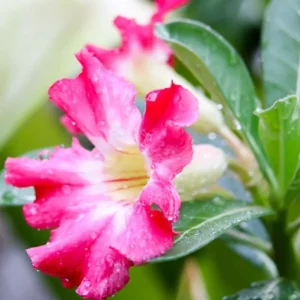
Sold 69 products
Original price was: $70.36.$35.18Current price is: $35.18.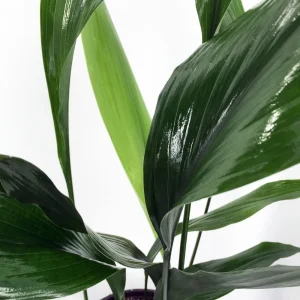
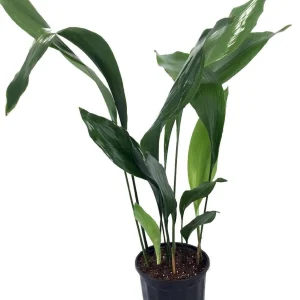
Sold 78 products
Original price was: $111.96.$55.98Current price is: $55.98.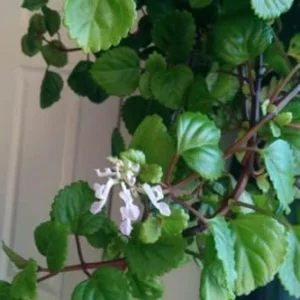
Sold 77 products
Original price was: $43.98.$21.99Current price is: $21.99.
Sold 79 products
Original price was: $55.61.$48.36Current price is: $48.36.
Sold 79 products
Original price was: $28.76.$14.38Current price is: $14.38.
Sold 70 products
Original price was: $219.76.$109.88Current price is: $109.88.
Sold 96 products
Original price was: $35.98.$17.99Current price is: $17.99.
Sold 87 products
Original price was: $79.96.$39.98Current price is: $39.98.
Sold 50 products
Original price was: $39.98.$19.99Current price is: $19.99.

Sold 93 products
Original price was: $70.00.$35.00Current price is: $35.00.





Reviews
There are no reviews yet.