
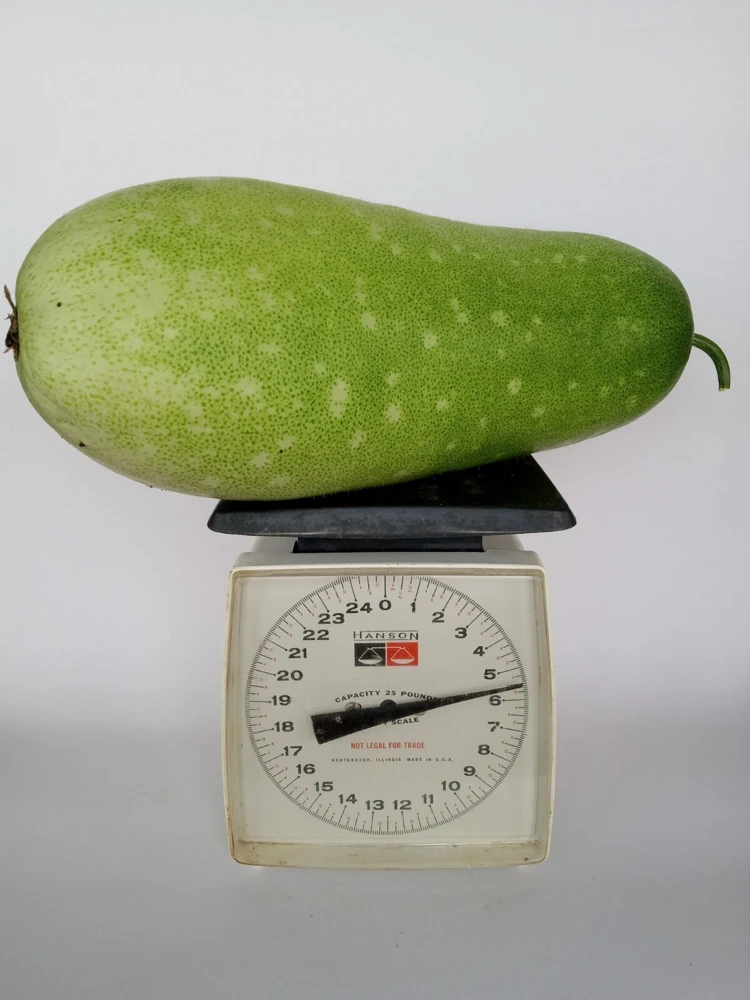
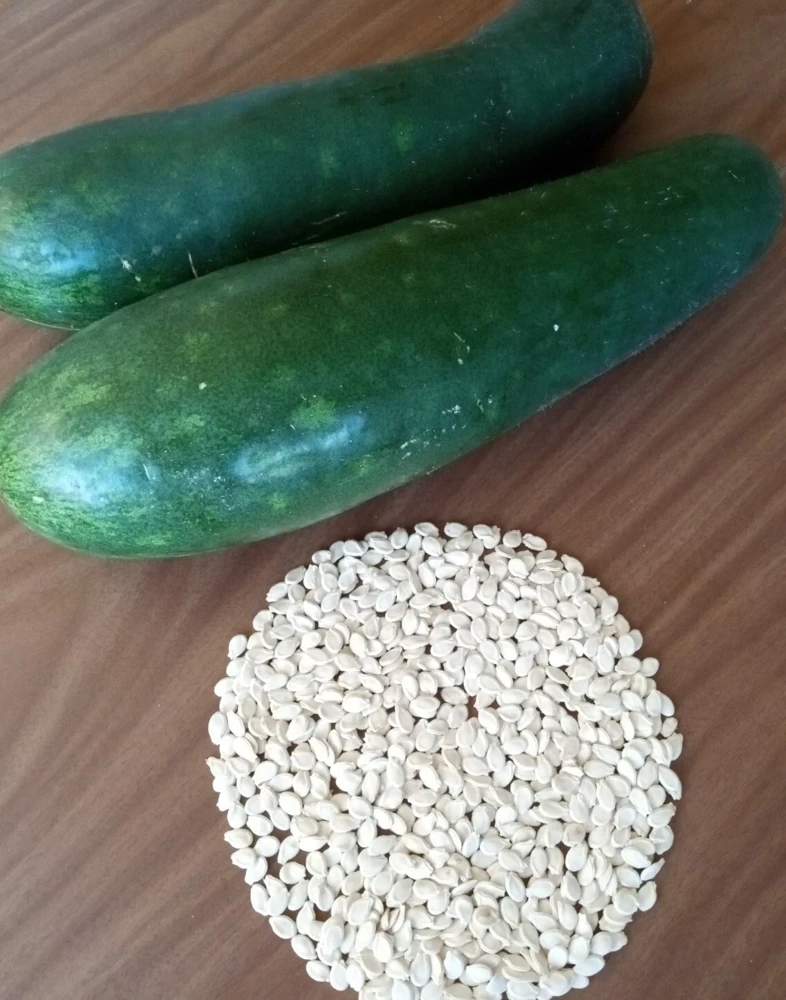
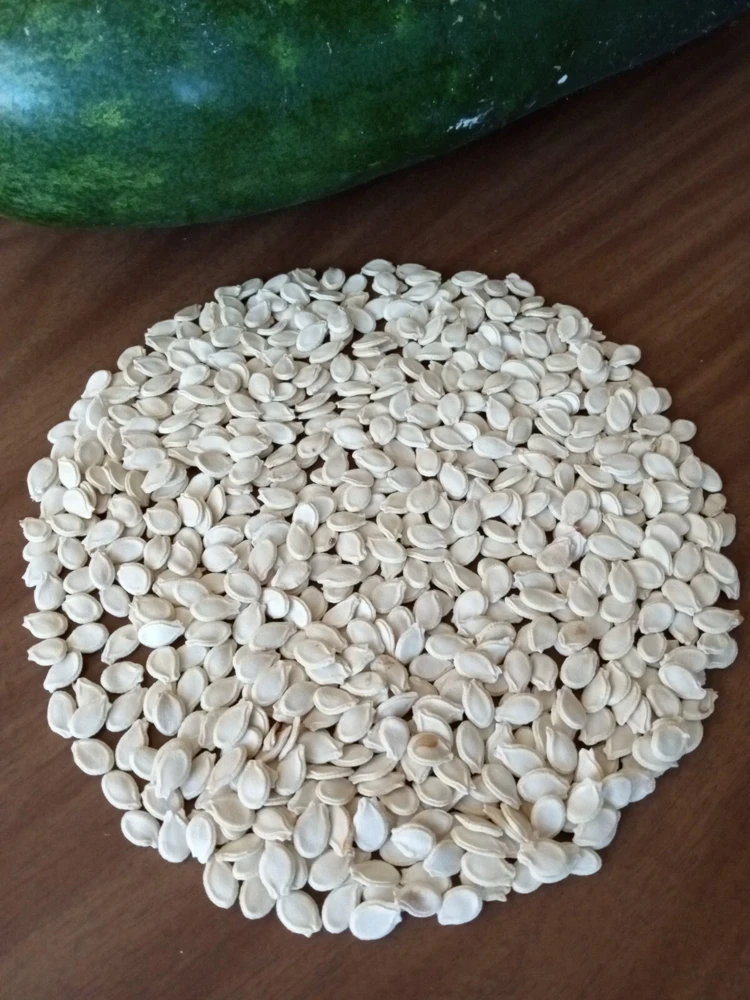
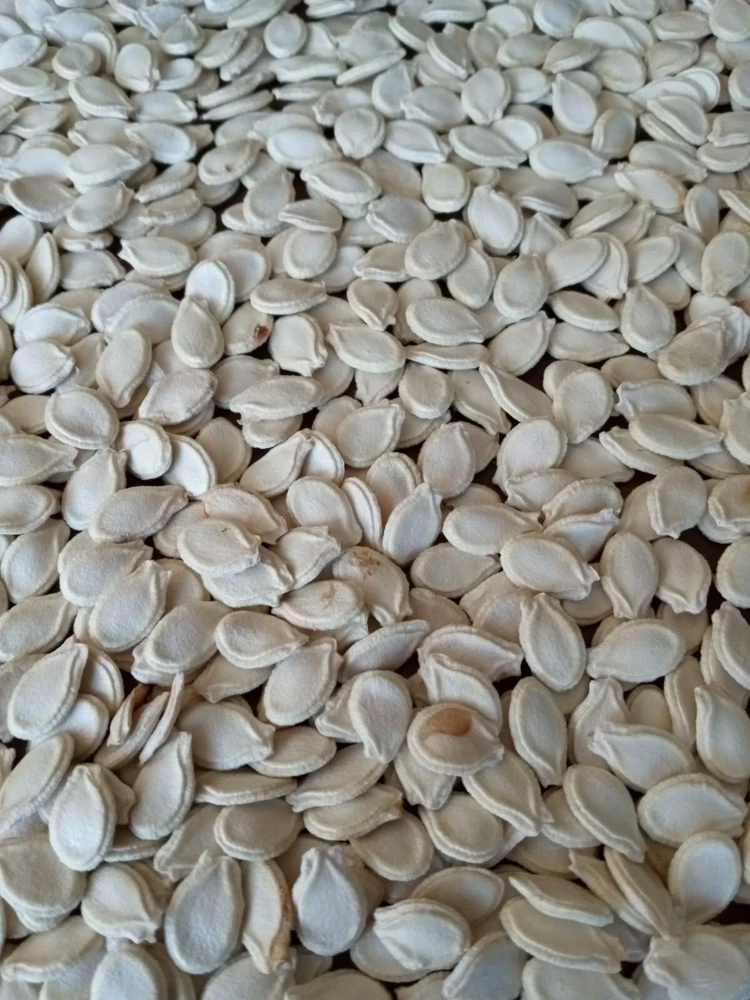

30+ Fuzzy Melon Wax Gourd Seeds – Hairy Squash Vegetable Seeds
$14.98
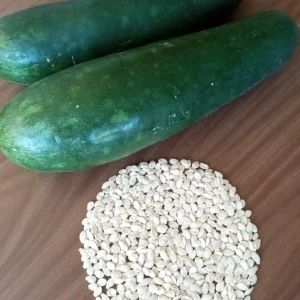
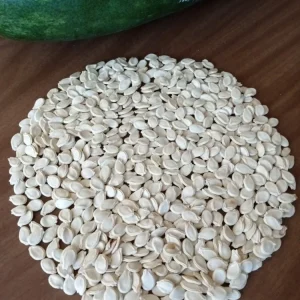
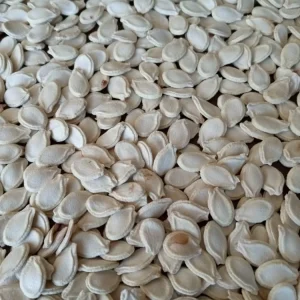
Cultivate your own delicious and versatile fuzzy melon seeds with this packet of 30+ high-quality seeds. Perfect for home gardeners, these wax gourd seeds are easy to grow and produce bountiful harvests of nutritious hairy squash, also known as winter melon.
-
USDA Hardiness Zone
unknown -
Soil Type
Well-draining loam -
Sunlight Exposure
Full Sun -
Expected Planting Period
Spring to Summer

You can track your order HERE
Sep 30
Oct 05 - Oct 07
Oct 10 - Oct 14
Shipping and return policies: Our Alive & Thrive Guarantee covers issues with your plants within the first 30 days. Reach out to us. Our team will answer your questions and help you find the plants that are truly suitable for your environment, climate, and personal preferences.

Overview
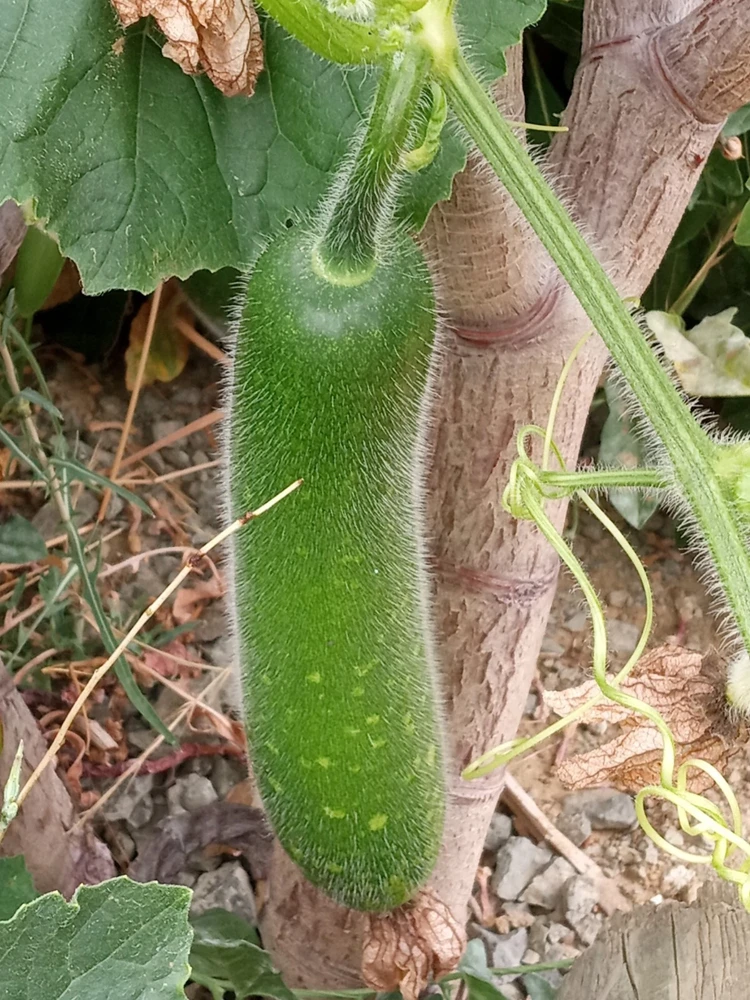
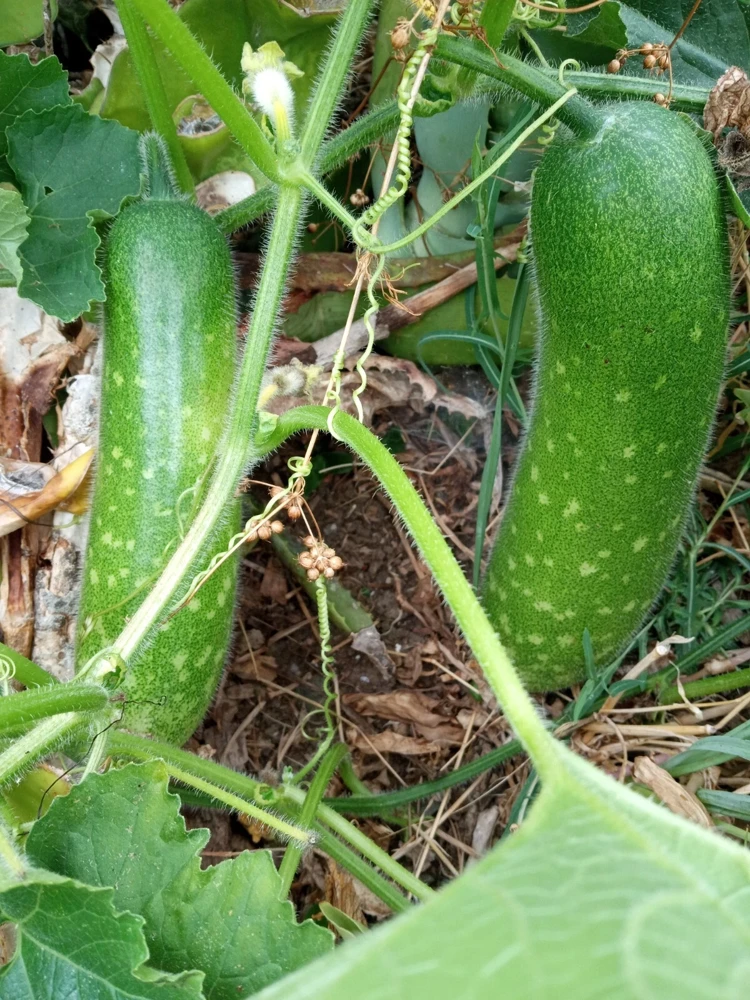
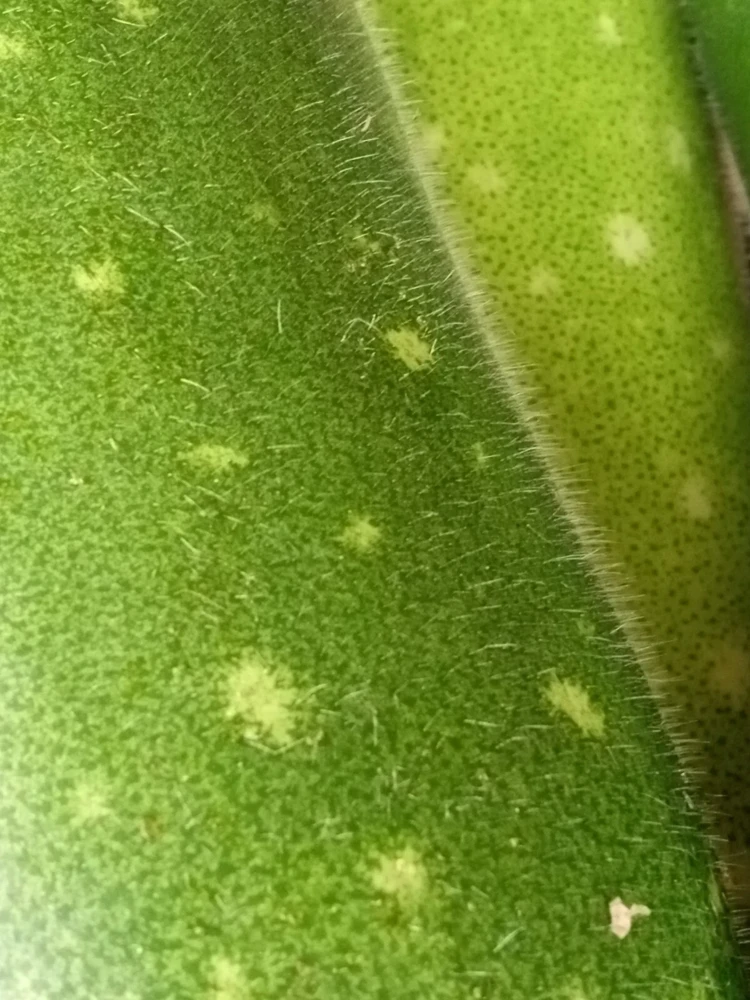
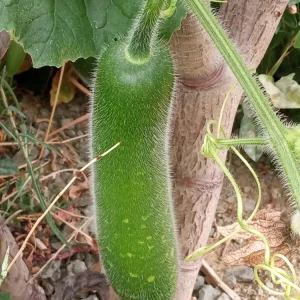
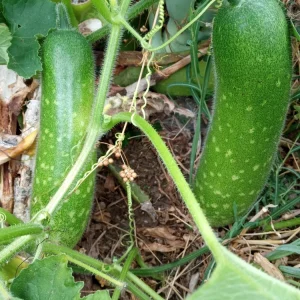
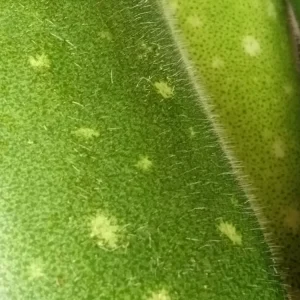
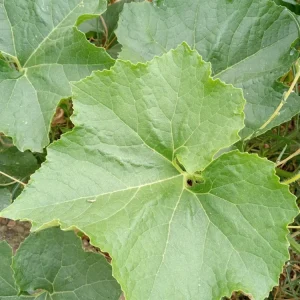
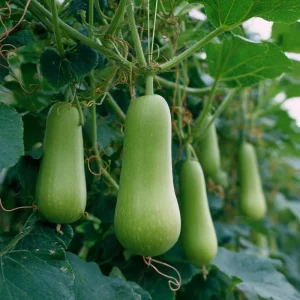
Embark on a rewarding gardening journey with our premium selection of fuzzy melon seeds. Also known as Wax Gourd or Hairy Squash, this unique vegetable is cherished in many Asian cuisines for its mild flavor and versatility. Each packet contains 30+ viable seeds, ready to germinate and transform your garden into a productive oasis. These vining plants produce large, elongated fruits covered in a fine, fuzzy down when young, which eventually mature into smooth, wax-coated gourds. Whether you’re an experienced gardener or just starting out, growing your own wax gourd seeds is a satisfying experience that yields delicious and healthy produce for your kitchen.
The fuzzy melon seeds we offer are selected for their robust growth potential, ensuring a successful harvest. This annual plant thrives outdoors, providing a continuous supply of fresh gourds throughout the growing season. The fruit is not only culinary delight but also packed with nutrients, making it a valuable addition to any home garden. Discover the joy of cultivating this fascinating vegetable and enjoy the fresh taste of homegrown produce.
Key Benefits
Growing fuzzy melon seeds offers a multitude of benefits, from enhancing your culinary options to providing a rewarding gardening experience. These seeds are a fantastic choice for anyone looking to expand their garden’s bounty with a unique and healthy vegetable.
- Nutritious and Versatile: Fuzzy melon is a low-calorie vegetable rich in vitamins and minerals, perfect for soups, stir-fries, and stews. Its mild flavor readily absorbs other ingredients, making it incredibly versatile in the kitchen. Enjoy fresh, healthy produce straight from your garden.
- Easy to Cultivate: With a cultivating difficulty rated as ‘Easy’, these hairy squash seeds are suitable for gardeners of all skill levels. They are known for being fast-growing and resilient, offering a high chance of success even for beginners.
- Fast-Growing & Productive: These plants grow quickly, producing a generous yield of gourds throughout the season. You’ll be amazed at how rapidly the vines establish and fruit, providing a continuous harvest for your culinary needs.
- Heat Loving: Fuzzy melon thrives in warm climates and full sun, making it an excellent choice for summer gardens where other plants might struggle. It is perfectly adapted to conditions where temperatures are consistently high.
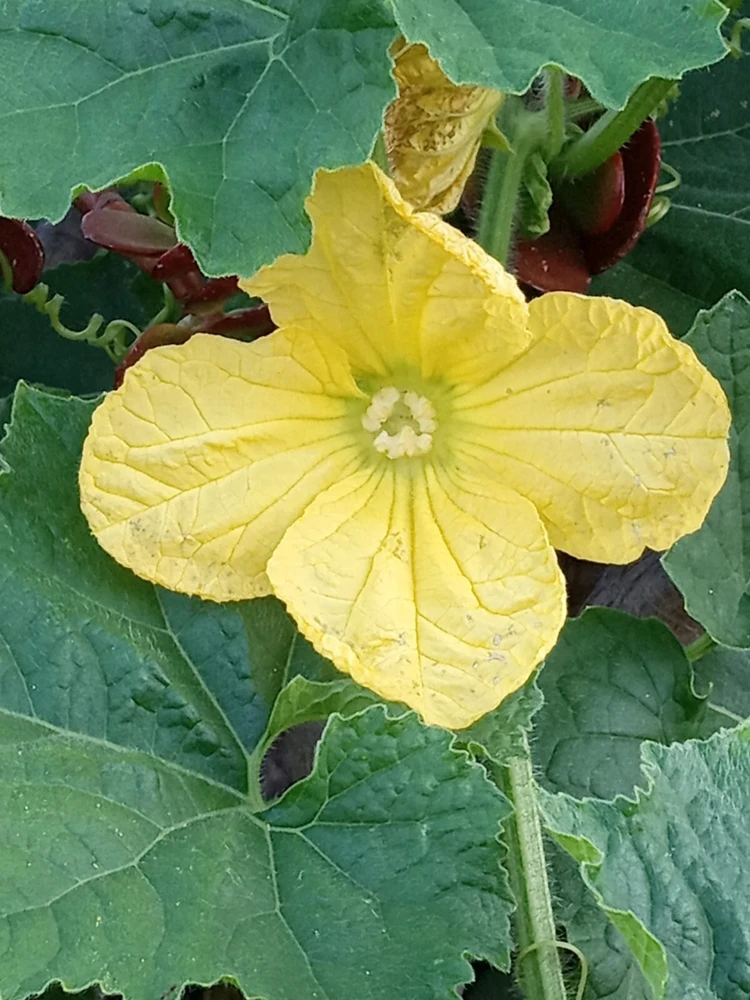
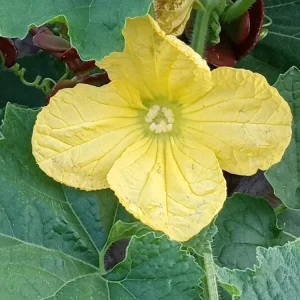
- Cross-Pollinating & Flowering: The plants produce attractive flowers before fruiting, adding a touch of beauty to your garden. Their cross-pollinating nature ensures good fruit set and healthy development.
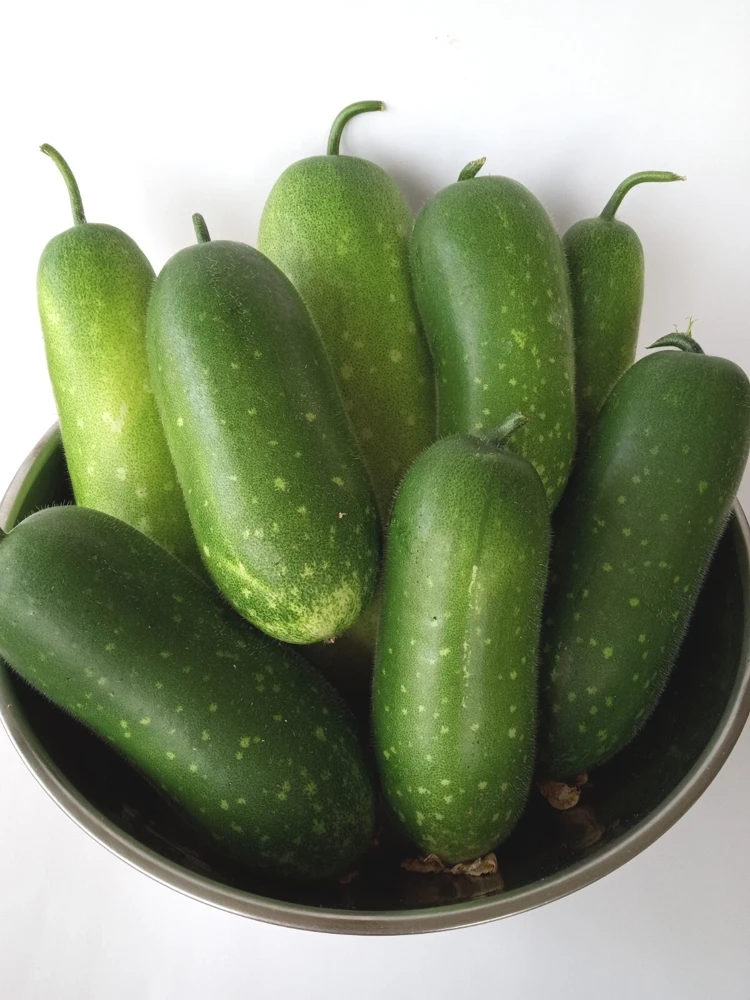
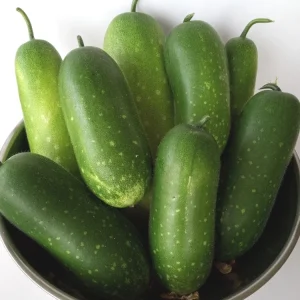
- Edible & Delicious: The primary benefit is the delicious, edible fruit. Harvested young, the fuzzy skin can be left on, while mature gourds have a waxy coating and are often peeled. They are a staple in many traditional dishes.
- Garden Diversity: Adding winter melon seeds to your garden introduces a unique texture and flavor profile, diversifying your homegrown produce and offering new culinary possibilities.
Plant Care & Growing Tips
Successful cultivation of fuzzy melon seeds requires attention to a few key environmental factors. These plants are annuals and thrive outdoors, preferring warm conditions. For optimal growth and a bountiful harvest of your hairy squash seeds, follow these detailed care instructions.
Sunlight Requirements: Fuzzy melon plants are sun-lovers. They require full sun, meaning at least 6-8 hours of direct sunlight per day. Choose a location in your garden that receives ample sunshine throughout the day. While they can tolerate medium sun, full sun will result in the best fruit production and overall plant health. Ensure they are not shaded by taller plants or structures.
Watering Schedule and Soil Moisture: These plants have medium watering needs. The soil should be kept consistently moist but not waterlogged. Water deeply and regularly, especially during dry spells and when the plants are flowering and fruiting. Avoid overhead watering to prevent fungal diseases; instead, water at the base of the plant. Good drainage is crucial to prevent root rot, so ensure your soil allows excess water to escape.
Soil Type and Drainage Requirements: Fuzzy melon is adaptable to a variety of soil types, including chalk, clay, loam, peat, saline, sand, and silt. The most important factor is excellent drainage. A well-draining soil prevents water from accumulating around the roots, which can lead to disease. Incorporating organic matter like compost into your soil will improve its structure, fertility, and drainage. Aim for a slightly acidic to neutral pH (6.0-7.0) for best results.
Temperature Range and Hardiness: As heat-loving plants, fuzzy melons thrive in warm temperatures. They are best grown in climates ranging from Highland to Tropical Wet & Dry, including Humid Continental, Humid Subtropical, Marine West Coast, Mediterranean, and Semiarid. They are not frost-tolerant and should only be planted outdoors after all danger of frost has passed in spring. They will grow vigorously throughout the warm summer months. The optimal temperature range for growth is typically between 70-95°F (21-35°C).
Fertilization Schedule and Type: Fertilize your fuzzy melon plants every 2-3 weeks once they start vining and producing fruit. Use a balanced organic fertilizer or one slightly higher in phosphorus and potassium to encourage flowering and fruiting. Avoid excessive nitrogen, which can lead to lush foliage at the expense of fruit production. Always follow the manufacturer’s instructions for application rates.
Common Problems and Solutions: Watch out for common garden pests like aphids and squash bugs, and diseases such as powdery mildew. Good air circulation, proper watering techniques, and regular inspection can help prevent these issues. Organic pest control methods and fungicides can be used if problems arise. Ensuring good plant spacing will also aid in air circulation and reduce disease risk. Learning how to grow fuzzy melon successfully involves proactive care.
Size & Details
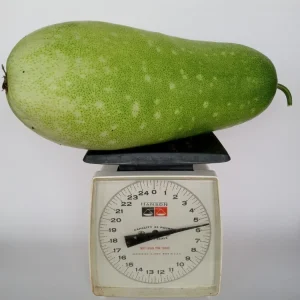
This offering includes 30+ high-quality fuzzy melon seeds, providing ample opportunity for a successful harvest. Fuzzy melon is a vining plant, meaning it will spread extensively and can benefit from trellising or ample ground space. The fruits themselves can vary in size, typically growing quite large, often 10-20 inches long, though some varieties can be smaller. The growth habit is fast-growing, with plants quickly establishing themselves and producing fruit throughout the warm season. These seeds are annuals, meaning they complete their life cycle within one growing season, producing fruit and then dying back.
The seeds are ready to germinate and are sourced from the United States, ensuring quality and suitability for US climates. With proper care, you can expect a continuous yield from spring through summer and into fall, depending on your local climate and planting time. The mature fruit can be harvested when it reaches the desired size and firmness, offering a long harvest window for fresh consumption or storage. These winter melon seeds are a fantastic addition to any garden.
Frequently Asked Questions
- Q: How many fuzzy melon seeds are included in this packet? A: Each packet contains 30+ premium fuzzy melon seeds, providing a generous quantity for multiple plantings or for sharing with fellow gardeners. This ensures a good chance of successful germination and a bountiful harvest.
- Q: Is fuzzy melon an indoor or outdoor plant? A: Fuzzy melon is primarily an outdoor plant. It is a vining annual that requires ample space and plenty of sunlight to thrive and produce fruit. While starting seeds indoors is possible, the mature plant needs to be grown outside.
- Q: How much sunlight do these hairy squash seeds need to grow? A: For optimal growth and fruit production, hairy squash seeds require full sun, meaning at least 6-8 hours of direct sunlight per day. They are heat-loving plants and perform best in bright, sunny locations.
- Q: Is this plant easy to care for, especially for beginners? A: Yes, the cultivating difficulty for fuzzy melon is rated as ‘Easy’. They are fast-growing and relatively low-maintenance once established, making them a great choice for both experienced and novice gardeners looking to grow fuzzy melon.
- Q: When is the best time to plant fuzzy melon seeds? A: The best time to plant wax gourd seeds is in the spring after all danger of frost has passed and soil temperatures have warmed up. They can be planted directly into the garden or started indoors a few weeks before the last frost date.
- Q: What type of soil is best for growing fuzzy melon? A: Fuzzy melon is adaptable to various soil types, including chalk, clay, loam, peat, sand, and silt. The most critical factor is well-draining soil to prevent root rot. Enriching the soil with organic matter will also promote healthier growth.
- Q: How big do fuzzy melons typically get? A: The fruits of the fuzzy melon can grow quite large, often reaching lengths of 10-20 inches, though size can vary by variety and growing conditions. The vines themselves can spread extensively, requiring support or ample ground space.
- Q: What are fuzzy melons used for in cooking? A: Fuzzy melons are incredibly versatile in the kitchen. They are commonly used in soups, stir-fries, stews, and curries, particularly in Asian cuisine. Their mild flavor makes them excellent for absorbing other flavors, and they add a lovely texture to dishes.
- Q: Do these fuzzy melon plants need a lot of water? A: Fuzzy melon plants have medium watering needs. It’s important to keep the soil consistently moist, especially during fruiting, but never waterlogged. Deep and regular watering is more beneficial than frequent shallow watering.
- Q: Can I save seeds from my harvest to plant next year? A: If your fuzzy melon plants are open-pollinated varieties, you can typically save seeds from mature fruits for planting the following year. Ensure the seeds are fully mature, clean them, and store them in a cool, dry place. This is a common practice for those who love to grow fuzzy melon.
Be the first to review “30+ Fuzzy Melon Wax Gourd Seeds – Hairy Squash Vegetable Seeds”
People Also Viewed

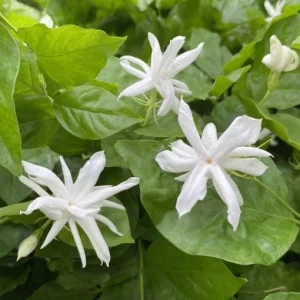
Flowers
Jasmine ‘Belle of India’ Live Plant – Fragrant Double White Flowers, 4 inch pot, Indoor/Outdoor
Sold 78 products
From $50.00








Sold 98 products
Original price was: $96.00.$48.00Current price is: $48.00.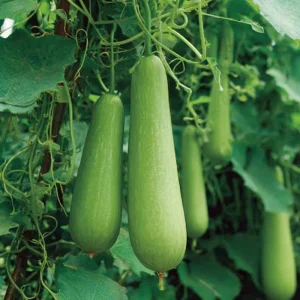


Succulents
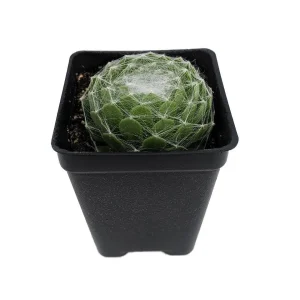
Cobweb Hens & Chicks Live Plant – Sempervivum Arachnoideum – 2.5″ Pot – Drought Tolerant Succulent
Sold 90 products
Original price was: $28.76.$14.38Current price is: $14.38.





%20–%20Pack%20of%202%20–%205-9%20inches%20tall%20–%20Orange%20Firecracker%20Flower%20–%20Outdoor%20Shrub&url=https://gardennursery.net/product/big-cigar-cuphea-live-plant-cuphea-ignea-pack-of-2-5-9-inches-tall-orange-firecracker-flower-outdoor-shrub/&media=https://img.gardennursery.net/2026/05/big-cigar-cuphea-live-plant-cuphea-ignea-pack-of-2-accb6105.webp)
%20–%205-9″%20Tall%20Starter%20Plants&url=https://gardennursery.net/product/bleeding-heart-vine-live-plant-set-4-mixed-2-white-2-red-5-9-tall-starter-plants/&media=https://img.gardennursery.net/2026/03/bleeding-heart-vine-live-plant-set-4-mixed-2-white-67795d3d.webp)


Reviews
There are no reviews yet.