
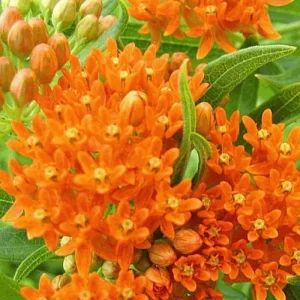
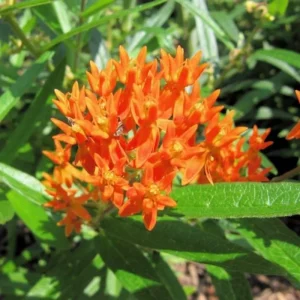
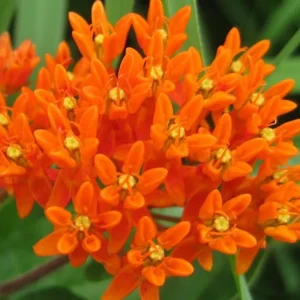
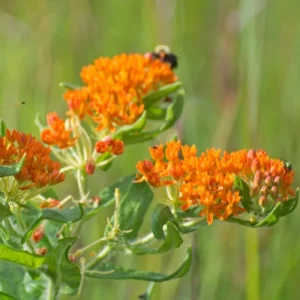
Orange Milkweed Live Plant 4-6 Inch Tall – Butterfly Host Plant, Perennial
$16.78
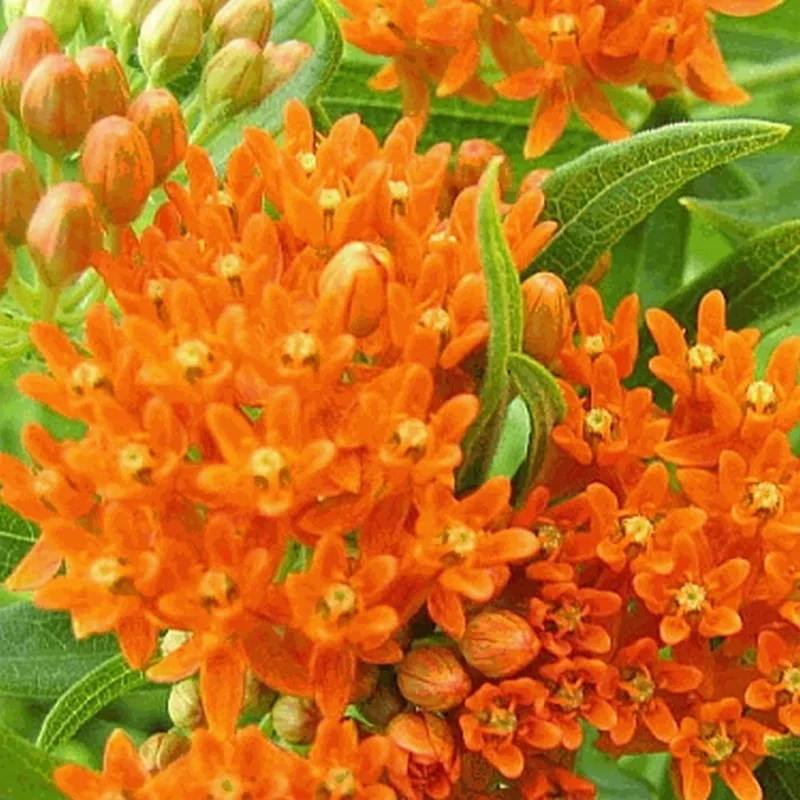
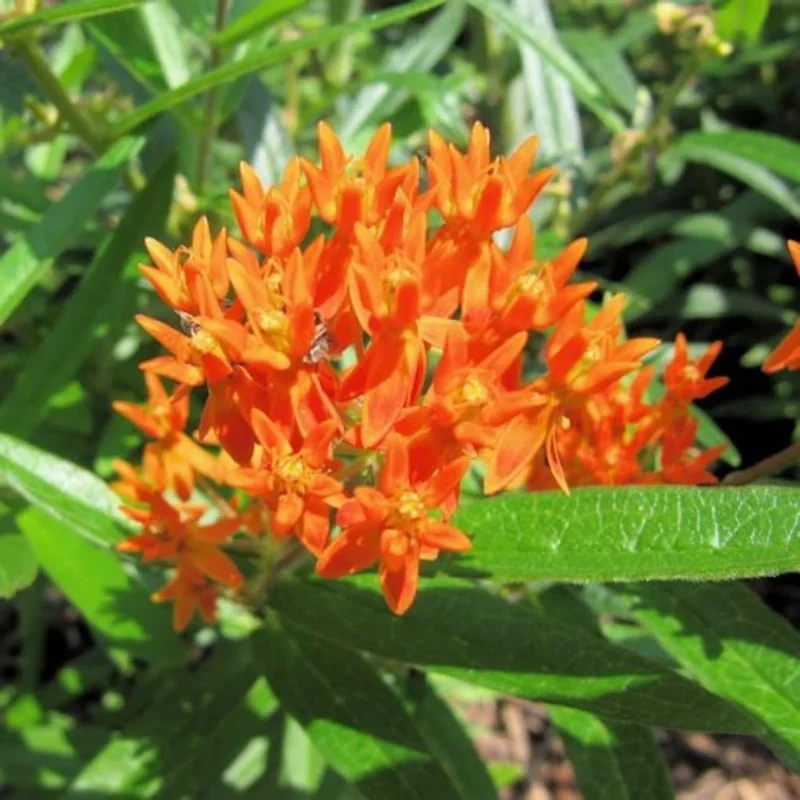
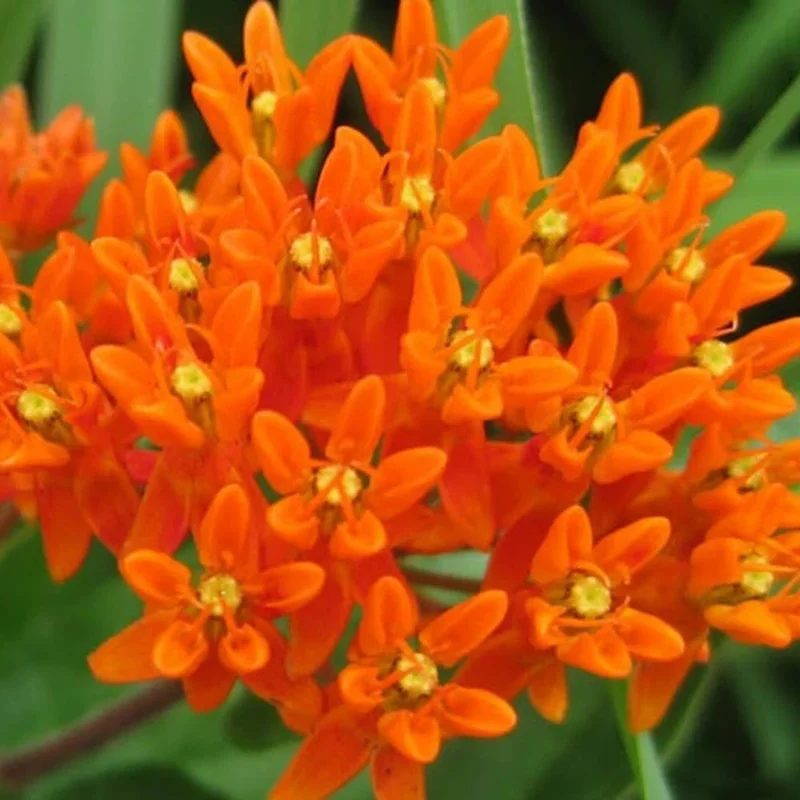
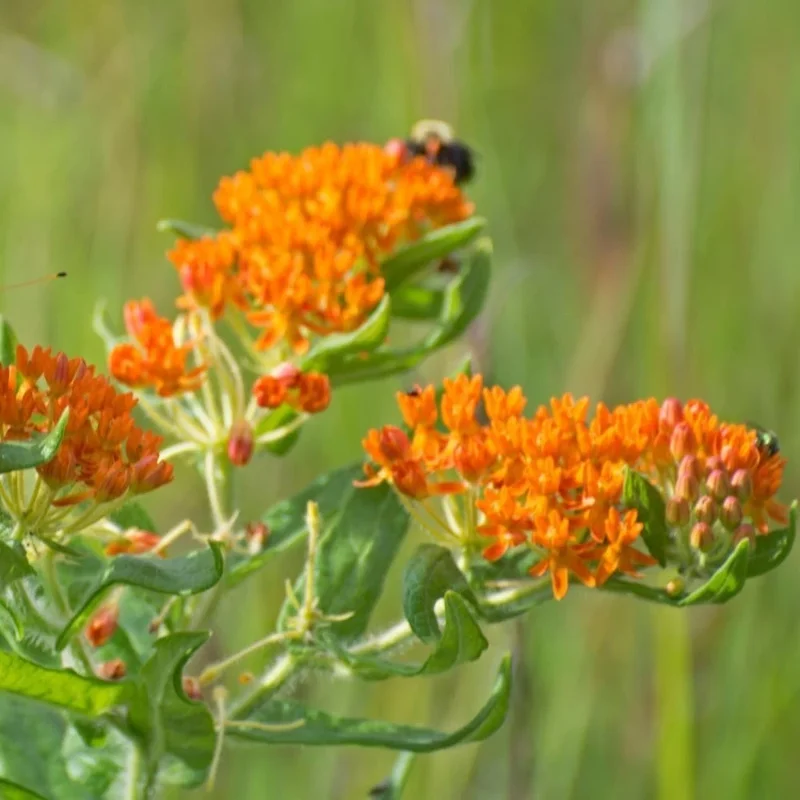
Bring vibrant color and life to your garden with this beautiful orange milkweed live plant. Standing 4 to 6 inches tall, it’s a vital monarch host plant, perfect for attracting butterflies and supporting local ecosystems. This perennial is easy to grow and thrives outdoors, offering stunning orange blooms throughout the summer.
-
USDA Hardiness Zone
USDA zones 3-9 -
Soil Type
Well-draining soil -
Sunlight Exposure
Full Sun -
Expected Planting Period
Spring to early summer

You can track your order HERE
Nov 14
Nov 19 - Nov 21
Nov 24 - Nov 28
Shipping and return policies: Our Alive & Thrive Guarantee covers issues with your plants within the first 30 days. Reach out to us. Our team will answer your questions and help you find the plants that are truly suitable for your environment, climate, and personal preferences.

Overview
Introduce a burst of color and ecological benefit to your garden with the vibrant orange milkweed live plant (Asclepias tuberosa). This particular offering provides a healthy, live plant that is 4 to 6 inches tall, ready to establish itself in your outdoor space. Known for its striking, bright orange flowers, this perennial is not just a beautiful addition to any landscape; it’s also a crucial resource for local wildlife. Commonly referred to as butterfly milkweed, it is an essential host plant for monarch caterpillars, providing them with the necessary food source to grow and metamorphose into butterflies. Beyond monarchs, its nectar-rich flowers attract a wide array of pollinators, including bees and other butterflies, making your garden a lively and thriving ecosystem. This robust plant is perfect for gardeners looking to combine aesthetic appeal with environmental stewardship, offering a captivating display during its summer blooming season.
Key Benefits
The orange milkweed live plant offers numerous advantages for both your garden and the environment. Its presence transforms your outdoor area into a vibrant habitat, rich with activity and natural beauty.
- Attracts Monarch Butterflies: As a primary monarch host plant, this milkweed species is indispensable for the monarch butterfly life cycle, providing food and shelter for caterpillars. Planting it directly contributes to monarch conservation efforts.
- Pollinator Magnet: Beyond monarchs, the brilliant orange flowers are a beacon for various pollinators, including honeybees, native bees, and other butterfly species, enhancing biodiversity in your garden.
- Vibrant Summer Blooms: Enjoy a spectacular display of bright orange flowers from early summer through fall, adding intense color and visual interest to your landscape when many other plants are fading.
- Drought Tolerant: Once established, Asclepias tuberosa is remarkably drought-tolerant, making it an excellent choice for xeriscaping or gardens in regions with dry summers, requiring less frequent watering.
- Low Maintenance Perennial: This perennial milkweed returns year after year with minimal fuss. It’s generally pest-resistant and doesn’t require complex care, making it suitable for gardeners of all experience levels.
- Native Plant Appeal: Being native to much of North America, it integrates well into naturalized gardens and supports local wildlife better than non-native alternatives, contributing to ecological balance.
- Ideal for Sunny Spots: Thrives in full sun, making it perfect for those bright, open areas in your garden where other plants might struggle with intense light.
Plant Care & Growing Tips
Caring for your orange milkweed live plant is straightforward, ensuring a thriving addition to your garden. This resilient perennial prefers specific conditions to reach its full potential, providing abundant blooms and attracting pollinators. The most critical factor for butterfly milkweed is sunlight; it absolutely loves the sun. Plant it in a location where it will receive at least 6-8 hours of direct sunlight daily. Full sun exposure is key for robust growth and prolific flowering. When it comes to soil, this plant is not overly particular but thrives in well-draining soil. It can tolerate a range of soil types, including sandy or rocky soils, as long as they don’t retain too much moisture, which can lead to root rot. A neutral soil pH is generally preferred, though it can adapt to slightly acidic or alkaline conditions.
Watering should be consistent but moderate, especially during the plant’s establishment phase. Once mature, Asclepias tuberosa is quite drought-tolerant and prefers drier conditions, so avoid overwatering. Allow the soil to dry out between waterings. Fertilization is typically not required for this native plant, as it is adapted to leaner soils. Excessive fertilization can lead to lush foliage but fewer flowers. If your soil is extremely poor, a light application of a balanced, slow-release granular fertilizer in spring can be beneficial. This plant is a hardy perennial, typically thriving in USDA zones 3-9. It is child-safe, adding peace of mind for families. Common problems are few, but watch out for aphids, which can be easily managed with a strong spray of water or insecticidal soap. Providing the right environment will ensure your orange milkweed live plant flourishes, becoming a vibrant sanctuary for monarchs and other beneficial insects.
Size & Details
This offering is for a single orange milkweed live plant, typically arriving at a height of 4 to 6 inches tall. It is shipped as a young seedling, ready to be transplanted into your garden or a larger pot. The plant is a perennial, meaning it will return year after year, growing into a mature clumping habit. Its growth rate is considered fast, and with proper care, you can expect it to establish quickly and begin producing its distinctive orange flowers during the summer season. While it can be grown indoors with sufficient light, it truly flourishes as an outdoor plant, reaching its full size and attracting the most pollinators. The plant will arrive in a form suitable for immediate planting, ensuring a smooth transition to its new home.
Frequently Asked Questions
- Q: How big does this orange milkweed plant get? A: This particular orange milkweed live plant is 4 to 6 inches tall upon arrival. When mature, Asclepias tuberosa typically grows to about 1 to 3 feet tall and spreads 1 to 2 feet wide, forming an attractive clump.
- Q: Is this an indoor or outdoor plant? A: While it can be grown indoors in a bright, sunny spot, the orange milkweed live plant thrives best outdoors in full sun. It’s a perennial that tolerates a wide range of outdoor conditions.
- Q: How much sunlight does it need? A: This plant requires full sun, meaning at least 6-8 hours of direct sunlight per day, to produce the most vibrant blooms and support healthy growth.
- Q: Is this plant easy to care for? Is it good for beginners? A: Yes, butterfly milkweed is considered low-maintenance and relatively easy to care for, making it an excellent choice for beginner gardeners. Once established, it’s quite resilient and drought-tolerant.
- Q: What condition will it arrive in? A: Your orange milkweed live plant will arrive as a healthy, live seedling, carefully packaged to ensure its safety during transit and ready for planting.
- Q: Is it shipped in soil? A: The plant is typically shipped with its root ball intact, often in a small nursery pot or carefully wrapped to retain moisture, ensuring it arrives in optimal condition for transplanting.
- Q: How long until it blooms? A: Depending on when it’s planted, your orange milkweed live plant may bloom in its first year, especially if planted in spring. Established plants reliably bloom every summer.
- Q: Can this plant survive winter? A: Yes, as a perennial milkweed, it is hardy in USDA zones 3-9 and will die back to the ground in winter, returning vigorously in spring.
- Q: What’s the minimum temperature it can tolerate? A: This plant is cold-hardy down to about -40°F (-40°C) in USDA Zone 3, making it suitable for a wide range of climates.
- Q: Is this orange milkweed a host plant for monarch butterflies? A: Absolutely! Orange milkweed (Asclepias tuberosa) is one of the most important host plants for monarch butterflies, providing essential food for their caterpillars.
Be the first to review “Orange Milkweed Live Plant 4-6 Inch Tall – Butterfly Host Plant, Perennial”
People Also Viewed


Flower Plants
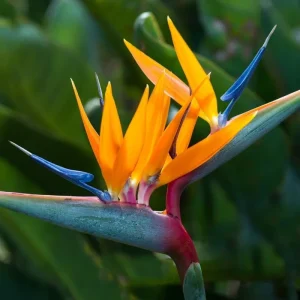
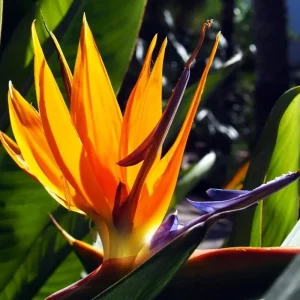
Orange Bird of Paradise Live Plant – Strelitzia reginae – 4in Tall Tropical Houseplant
Sold 50 products
$28.79













Reviews
There are no reviews yet.