
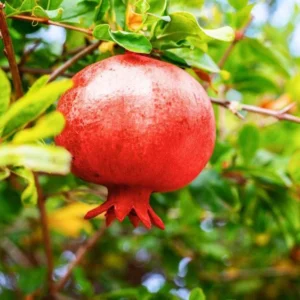
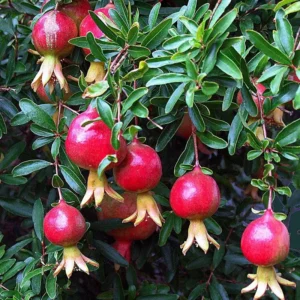
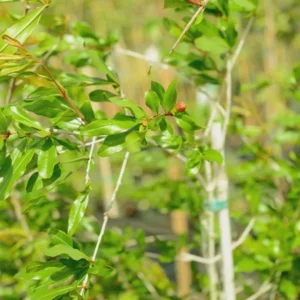
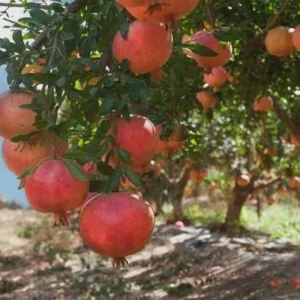
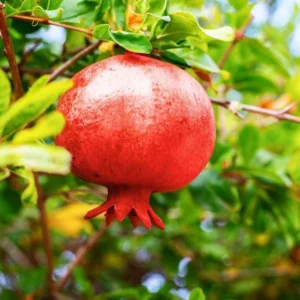
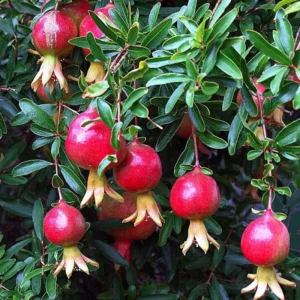
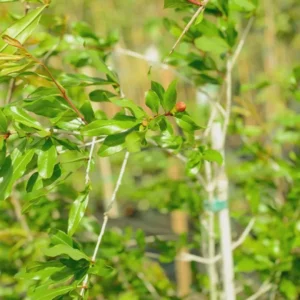
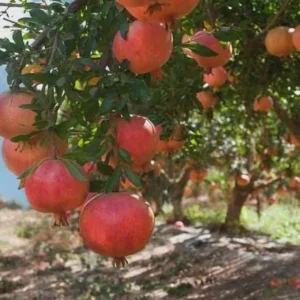
3 Afganski Russian Pomegranate Tree Starter Plants – Cold Hardy, Punica granatum
Original price was: $58.00.$46.40Current price is: $46.40.
Cultivate your own delicious fruit with this pack of 3 Afganski Russian Pomegranate Tree starter plants. Known for exceptional cold hardy pomegranate production, these vigorous bare root plants thrive in USDA Zones 6-10 and are drought-resistant once established.
-
USDA Hardiness Zone
USDA Zones 6-10 -
Soil Type
Well-draining soil -
Sunlight Exposure
Full sun (6-8+ hours daily) -
Expected Planting Period
Late winter to early spring

You can track your order HERE
Feb 27
Mar 04 - Mar 06
Mar 09 - Mar 13
Shipping and return policies: Our Alive & Thrive Guarantee covers issues with your plants within the first 30 days. Reach out to us. Our team will answer your questions and help you find the plants that are truly suitable for your environment, climate, and personal preferences.

Overview
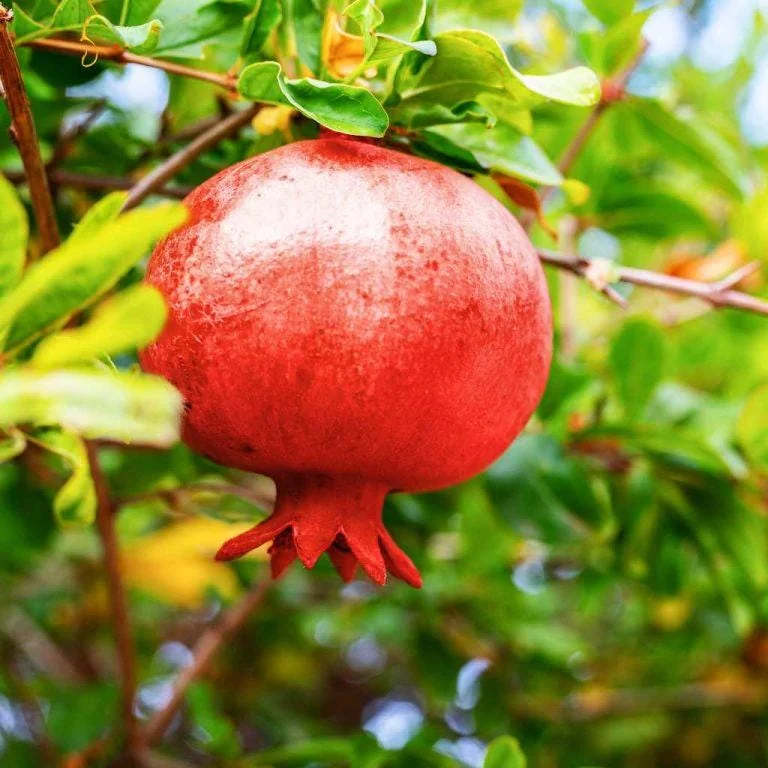
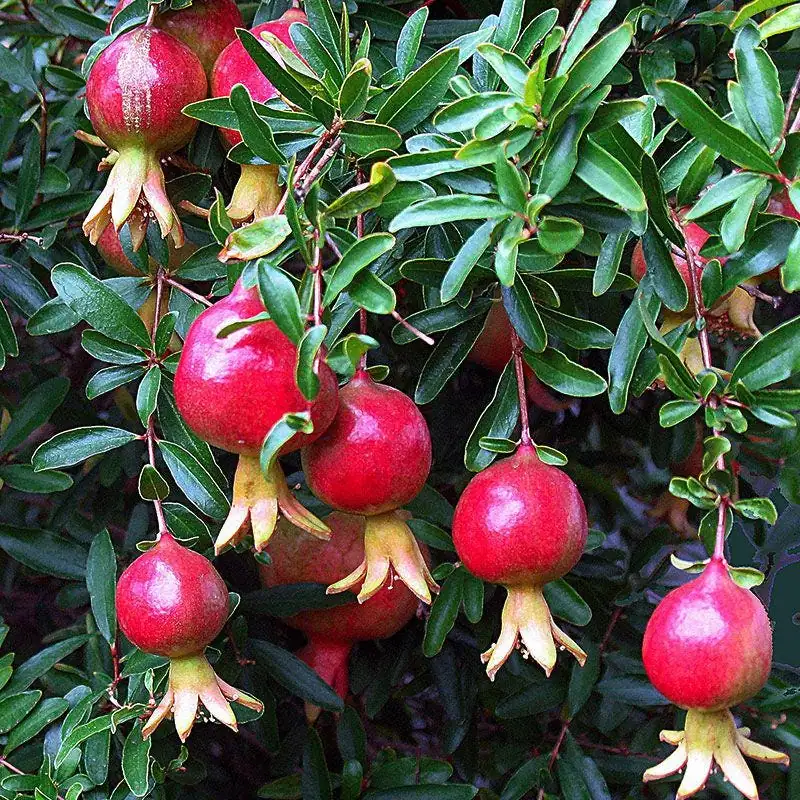
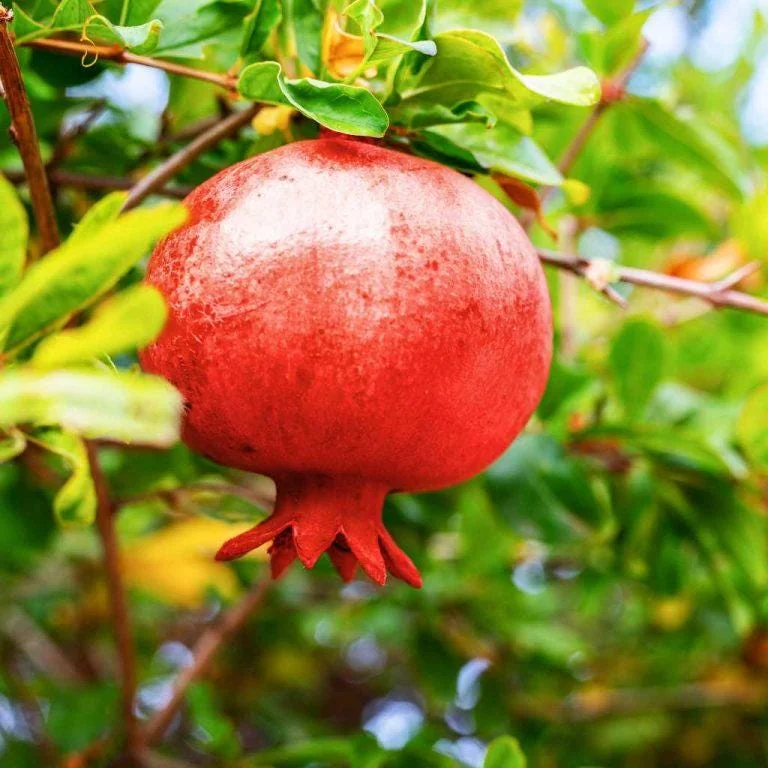
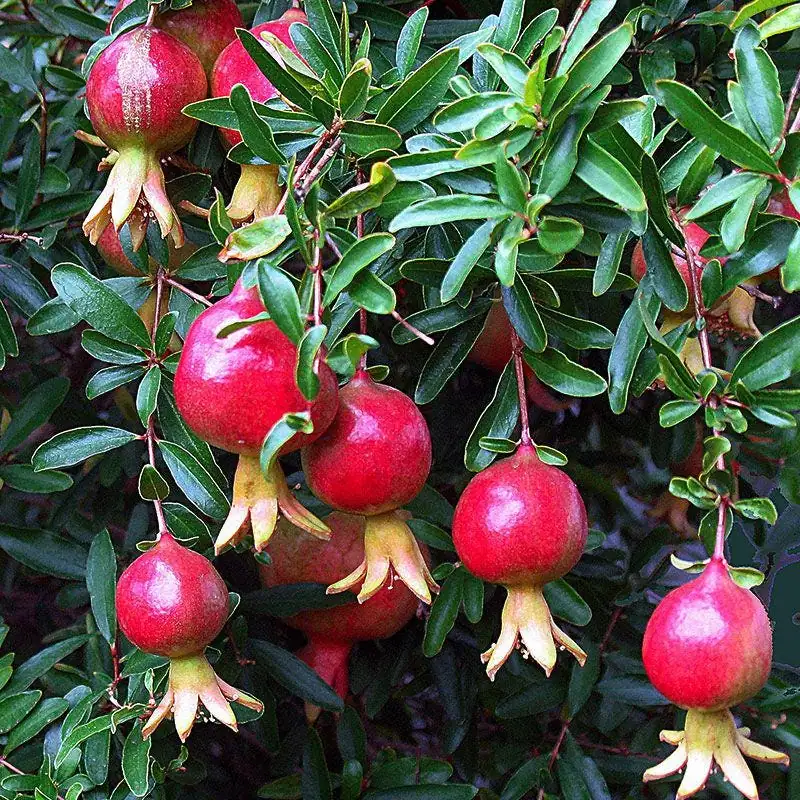
Bring the unique flavor and health benefits of fresh pomegranates to your garden with this offering of 3 Afganski Russian Pomegranate Tree starter plants. The ‘Afganski’ variety of Punica granatum is an heirloom gem, celebrated for its remarkable cold hardiness and consistent fruit yield. Originating from Afghanistan and further developed in Russia for its resilience in cooler climates, this particular pomegranate is an excellent choice for gardeners in USDA Zones 6–10. Each bare root starter plant provides a strong foundation for a thriving fruit-bearing tree, promising to enrich your landscape with both beauty and bounty. This vigorous plant is not only productive but also notably resistant to drought once it has established itself, making it a sustainable and rewarding addition to your edible garden.
The Afganski Russian Pomegranate Tree is a deciduous shrub or small tree that will provide ornamental appeal with its bright orange-red flowers in spring, followed by large, flavorful fruit in the fall. These starter plants are an ideal way to begin your journey into growing your own pomegranates, offering a reliable path to fresh, homegrown fruit.
Key Benefits
The Afganski Russian Pomegranate Tree offers numerous advantages to the home gardener, combining aesthetic appeal with practical yields. Its robust nature and delicious fruit make it a highly desirable plant. Here are some of the key benefits:
- Exceptional Cold Hardiness: This variety is specifically known for its ability to withstand colder temperatures, making it suitable for a wider range of climates, particularly USDA Zones 6-10 where many other pomegranates might struggle. This makes it a truly cold hardy pomegranate.
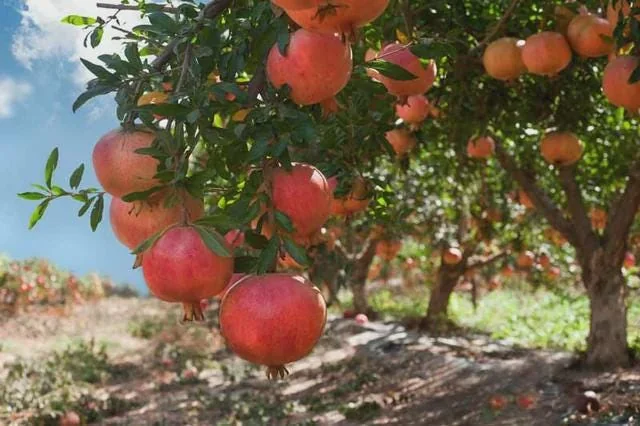
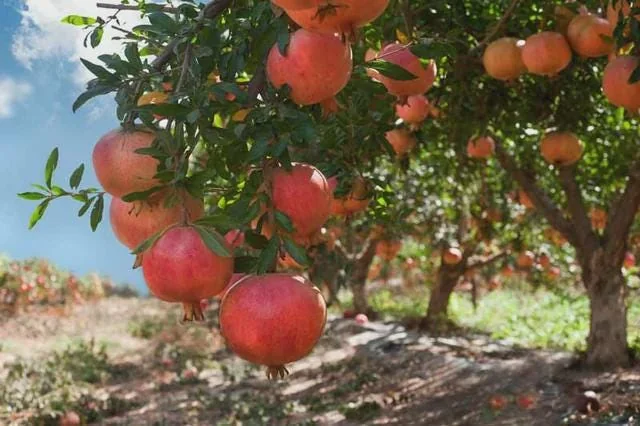
- Reliable Fruit Production: Expect consistent and abundant harvests of large, flavorful pomegranates, perfect for fresh eating, juicing, or culinary creations.
- Drought Resistance: Once established, the ‘Afganski’ pomegranate exhibits strong resistance to drought conditions, reducing the need for frequent watering and making it a low-maintenance option for many landscapes.
- Vigorous Growth Habit: These plants are known for their strong and healthy growth, quickly developing into productive specimens that can provide shade and visual interest.
- Ornamental Value: Beyond its fruit, the Punica granatum Afganski features attractive glossy green foliage and striking orange-red flowers in spring, adding beauty to your garden.
- Health Benefits: Pomegranates are rich in antioxidants and vitamins, offering a healthy and delicious addition to your diet directly from your garden.
- Adaptability: This variety thrives in a range of soil types and can be grown as a multi-stemmed shrub or trained into a small tree.
Plant Care & Growing Tips
Growing pomegranate trees, especially the robust ‘Afganski’ variety, can be a rewarding experience with proper care. These plants prefer a location with full sun, meaning at least 6-8 hours of direct sunlight per day is ideal for optimal fruit production and vigorous growth. While they are adaptable to various soil types, well-draining soil is crucial to prevent root rot. If your soil is heavy clay, consider amending it with organic matter like compost or sand to improve drainage.
Watering is important during the establishment phase. Water regularly to keep the soil consistently moist but not waterlogged. Once established, the Afganski Russian Pomegranate Tree becomes quite drought-tolerant, requiring less frequent watering, especially in cooler climates. However, consistent watering during fruit development will lead to larger, juicier pomegranates. Fertilize in early spring with a balanced slow-release fertilizer, following product instructions. Pruning should be done in late winter or early spring to remove dead or crossing branches and to maintain desired shape and size. This also helps encourage better air circulation and fruit production.
For those interested in pomegranate plant care, it’s important to note that while ‘Afganski’ is cold hardy, extreme young plants may benefit from winter protection in the colder parts of its USDA Zone 6 range. Covering the base with mulch can help insulate the roots. Watch out for common pests like aphids or mealybugs, and treat with horticultural oil or insecticidal soap if necessary. Fungal issues are rare with good air circulation and proper watering. With these tips, your Afganski Russian Pomegranate Tree should flourish and provide years of delicious fruit.
Size & Details
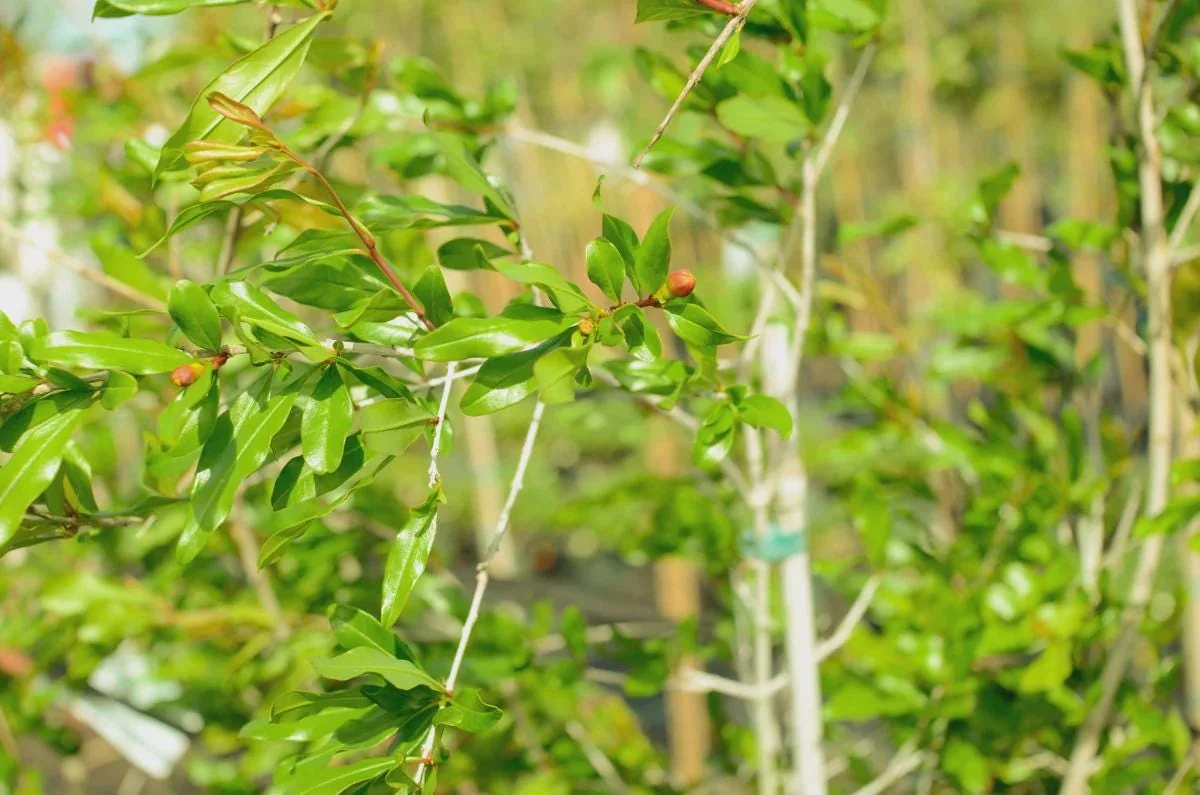
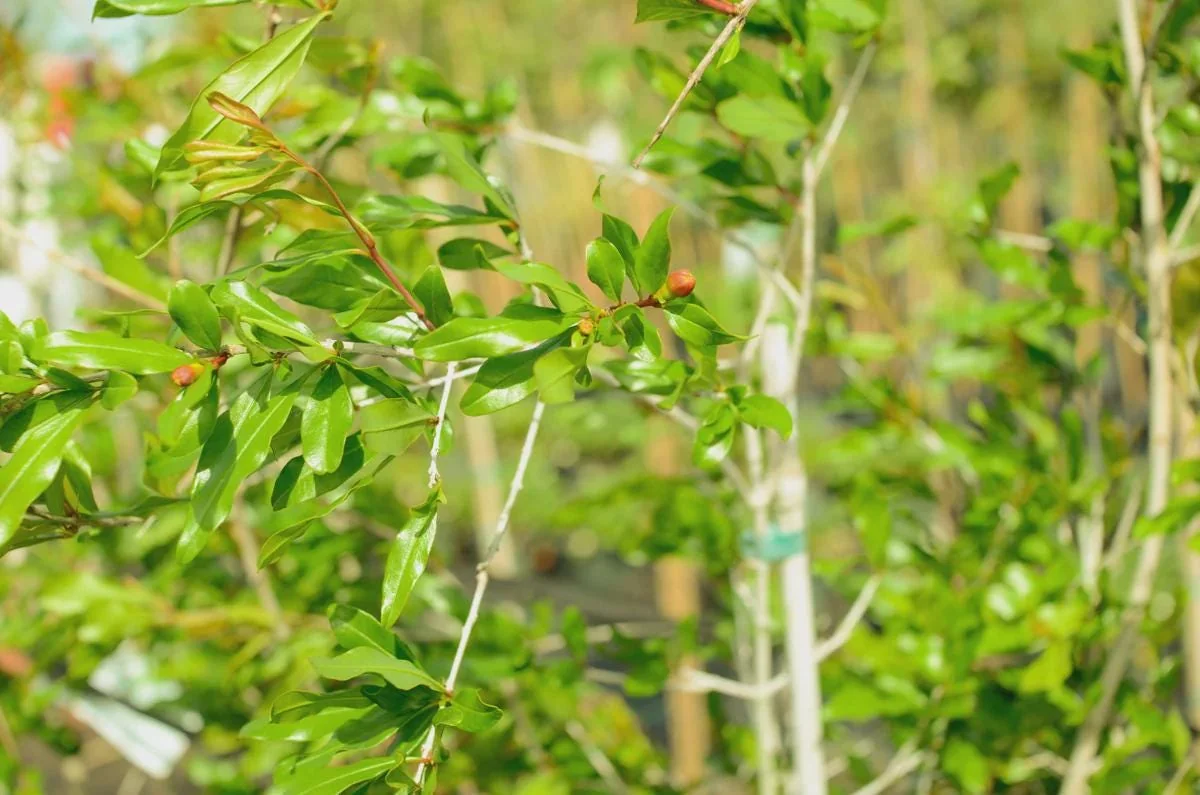
This offering includes 3 Afganski Russian Pomegranate Tree starter plants, which are shipped bare root. Bare root plants are dormant and lack soil around their roots, making them easier to transport and establish. Upon arrival, it is crucial to plant them promptly. These plants typically grow into a multi-stemmed shrub or can be trained into a small tree, reaching heights of 10-15 feet with a similar spread at maturity, depending on pruning and growing conditions. They have a moderate growth rate, and fruit production can begin within 2-3 years, with significant harvests usually starting around 3-5 years after planting.
The mature size of your Punica granatum Afganski will depend on your local climate, soil conditions, and how you choose to prune and manage the plant. Each starter plant is a young specimen, ready to be established in your garden, offering a promising start to your home orchard project.
Frequently Asked Questions
- Q: How big does this pomegranate tree get? A: The Afganski Russian Pomegranate Tree typically grows to a height of 10-15 feet with a similar spread. Its mature size can be influenced by pruning and growing conditions, allowing you to manage its shape and size in your garden.
- Q: Is this an indoor or outdoor plant? A: The Afganski Russian Pomegranate Tree is an outdoor plant, best suited for cultivation in a garden setting. It requires full sun exposure and is well-adapted to USDA Zones 6-10, making it an excellent choice for many outdoor landscapes.
- Q: How much sunlight does it need? A: For optimal growth and fruit production, the Afganski Russian Pomegranate Tree thrives in full sun, requiring at least 6-8 hours of direct sunlight per day. Adequate sunlight is crucial for developing sweet, abundant pomegranates.
- Q: Is this plant easy to care for? A: Yes, once established, the ‘Afganski’ pomegranate is considered relatively easy to care for. Its cold hardy pomegranate nature and drought resistance contribute to its low-maintenance profile, making it suitable for gardeners of varying experience levels.
- Q: What condition will the plants arrive in? A: These 3 Afganski Russian Pomegranate Tree starter plants will arrive bare root. This means they will be dormant, without soil or a pot, which is a common and effective way to ship deciduous plants for planting.
- Q: When is the best time to plant a pomegranate tree? A: The best time for growing pomegranate trees from bare root stock is typically in late winter or early spring, after the danger of hard frost has passed but before the plant breaks dormancy. This allows the roots to establish before the heat of summer.
- Q: Will it survive winter in my zone? A: The ‘Afganski’ variety is known for its exceptional cold hardiness and is suitable for USDA Zones 6-10. If you are within these zones, your Afganski Russian Pomegranate Tree should survive winter, though young plants in Zone 6 might benefit from some winter protection.
- Q: How long until it produces fruit? A: You can typically expect the Punica granatum Afganski to start producing fruit within 2-3 years after planting, with more substantial yields occurring around 3-5 years.
- Q: What kind of soil does it prefer? A: This pomegranate variety prefers well-draining soil. While adaptable, amending heavy clay soils with organic matter will improve drainage and overall plant health, which is key for good pomegranate plant care.
- Q: Can I grow this in a large container? A: While primarily an outdoor garden plant, the Afganski Russian Pomegranate Tree can be grown in very large containers (20-gallon or more) if you have limited garden space, provided it receives adequate sunlight and proper watering.
Be the first to review “3 Afganski Russian Pomegranate Tree Starter Plants – Cold Hardy, Punica granatum”
People Also Viewed
Sold 88 products
Original price was: $59.98.$29.99Current price is: $29.99.
Sold 96 products
Original price was: $79.96.$39.98Current price is: $39.98.
Sold 89 products
Original price was: $220.00.$110.00Current price is: $110.00.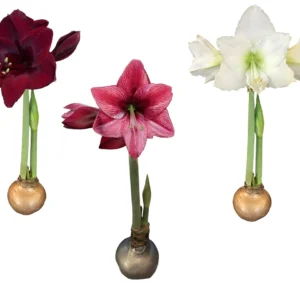
Flower Bulbs
Waxed Amaryllis Bulb Collection 28-30cm – Black Pearl, White Denver, Revelation – Indoor Gift Set
Sold 99 products
Original price was: $219.80.$109.90Current price is: $109.90.
Sold 59 products
Original price was: $45.76.$22.88Current price is: $22.88.
Sold 56 products
Original price was: $75.98.$37.99Current price is: $37.99.
Sold 80 products
Original price was: $49.98.$24.99Current price is: $24.99.
Sold 90 products
Original price was: $12.92.$7.76Current price is: $7.76.
Sold 54 products
From $31.98
Sold 86 products
Original price was: $149.98.$74.99Current price is: $74.99.
Sold 94 products
Original price was: $18.76.$9.38Current price is: $9.38.
Sold 100 products
Original price was: $11.96.$5.98Current price is: $5.98.
Sold 78 products
Original price was: $199.80.$99.90Current price is: $99.90.

Sold 58 products
Original price was: $51.80.$25.90Current price is: $25.90.
Green Bundle
Sold 79 products
Original price was: $3.24.$1.94Current price is: $1.94.
Sold 97 products
Original price was: $39.99.$19.99Current price is: $19.99.
Sold 87 products
Original price was: $10.78.$6.46Current price is: $6.46.
Sold 52 products
From $61.58



Reviews
There are no reviews yet.