
10 Sequoia Strawberry Bare Roots – Fragaria × ananassa – Sweet, Everbearing Variety
Original price was: $44.00.$35.20Current price is: $35.20.
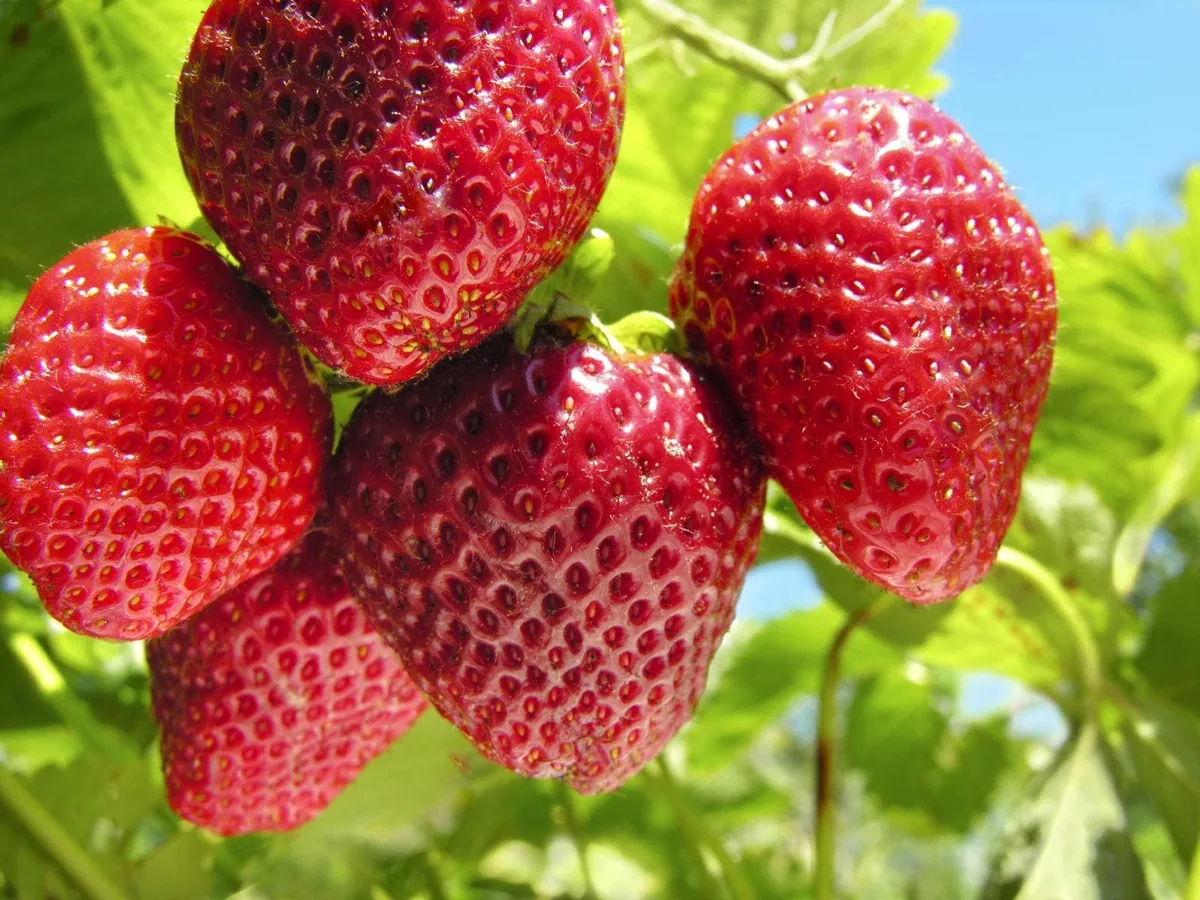
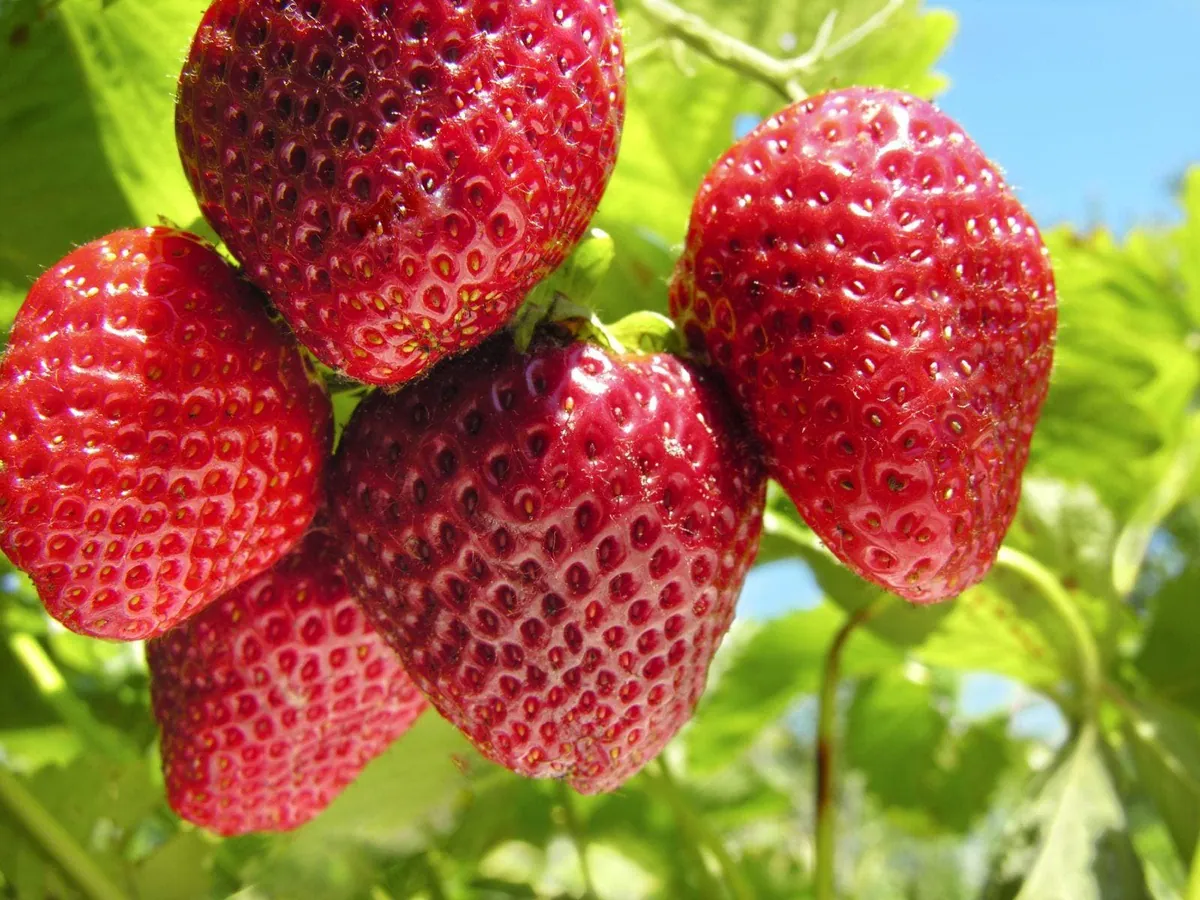
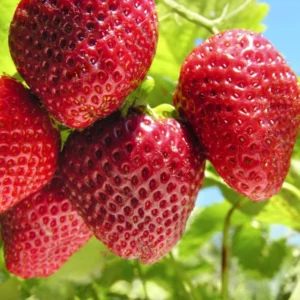
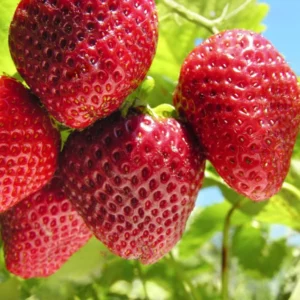
Cultivate delicious, large Sequoia strawberry bare roots in your home garden. This popular variety offers a continuous harvest from late spring through autumn in mild climates (USDA zones 6-9) or a bountiful early summer crop elsewhere. Enjoy fresh, sweet fruit all season long from these easy-to-grow plants.
-
USDA Hardiness Zone
USDA zones 6-9 -
Soil Type
Well-draining, slightly acidic soil -
Sunlight Exposure
Full sun -
Expected Planting Period
Early spring or late fall

You can track your order HERE
Feb 28
Mar 05 - Mar 07
Mar 10 - Mar 14
Shipping and return policies: Our Alive & Thrive Guarantee covers issues with your plants within the first 30 days. Reach out to us. Our team will answer your questions and help you find the plants that are truly suitable for your environment, climate, and personal preferences.

Overview
Bring the joy of fresh, homegrown fruit to your garden with these Sequoia strawberry bare roots. The ‘Sequoia’ strawberry, scientifically known as Fragaria × ananassa ‘Sequoia’, is a highly prized variety among home gardeners for its exceptionally large, sweet, and flavorful fruit. These bare root plants are an economical and effective way to establish a productive strawberry patch. Known for their vigorous growth and reliable fruiting, ‘Sequoia’ strawberries are a fantastic choice for anyone looking to enjoy an abundant harvest. Whether you’re a seasoned gardener or just starting out, these bare roots provide a robust foundation for a thriving strawberry bed, promising delicious returns year after year.
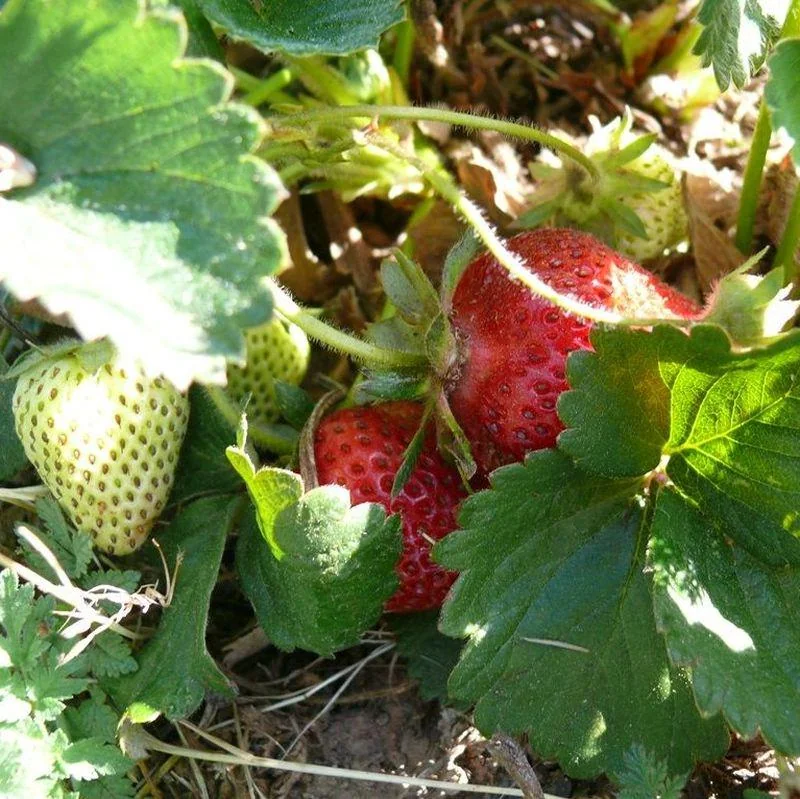
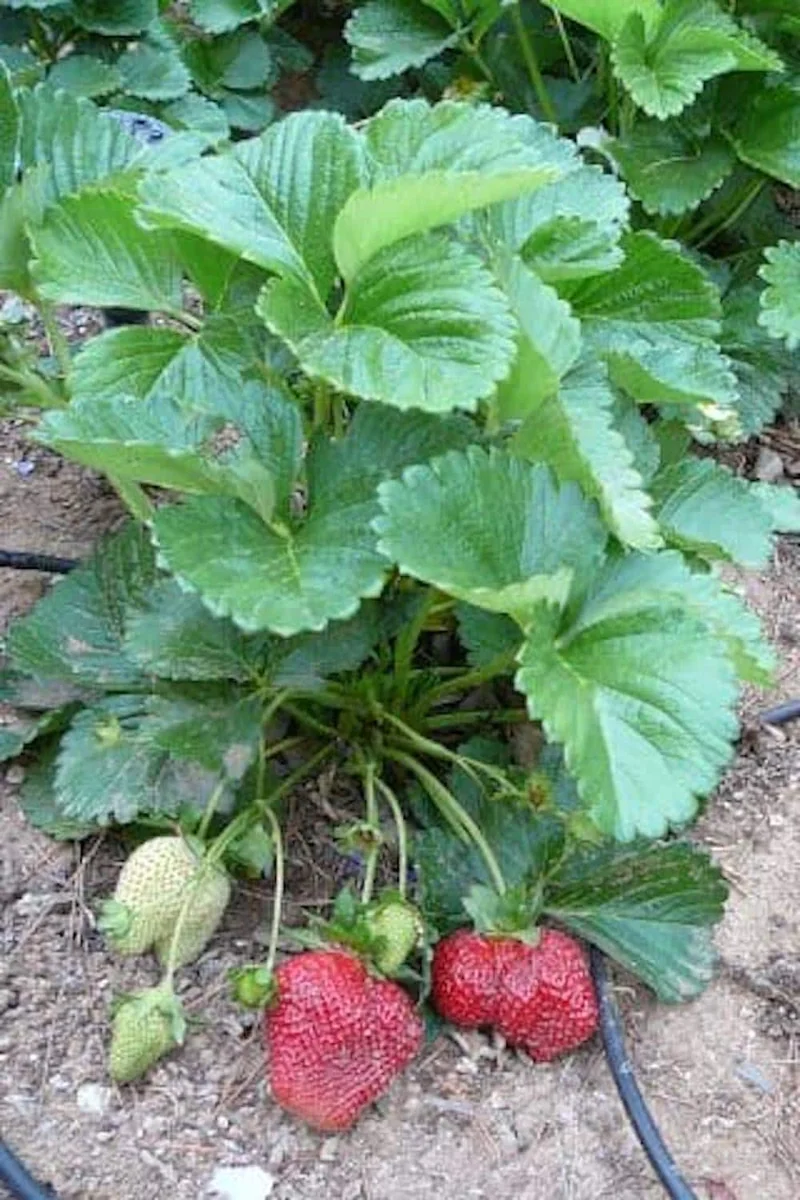
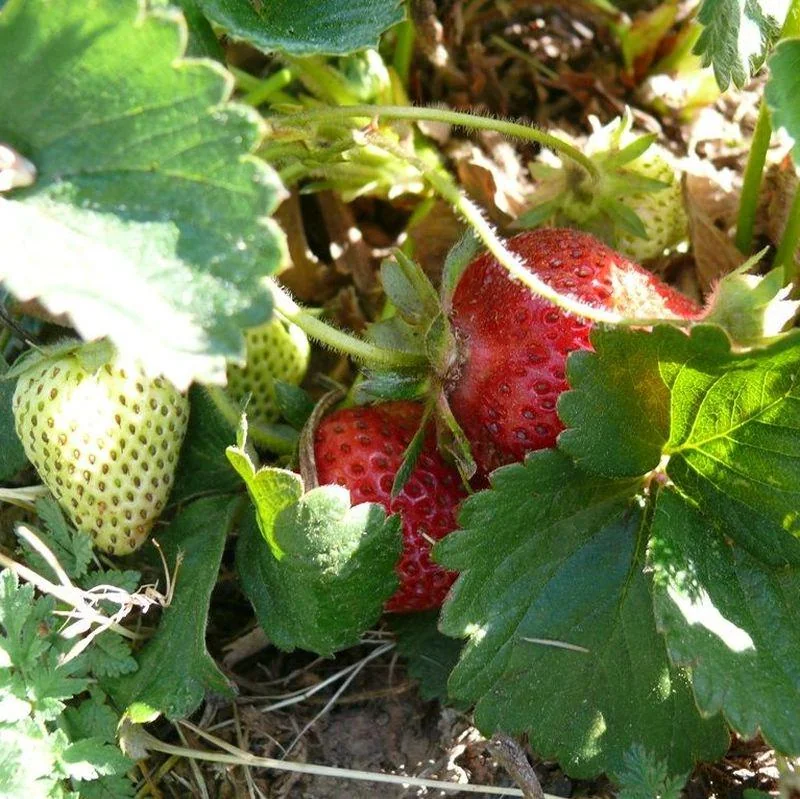
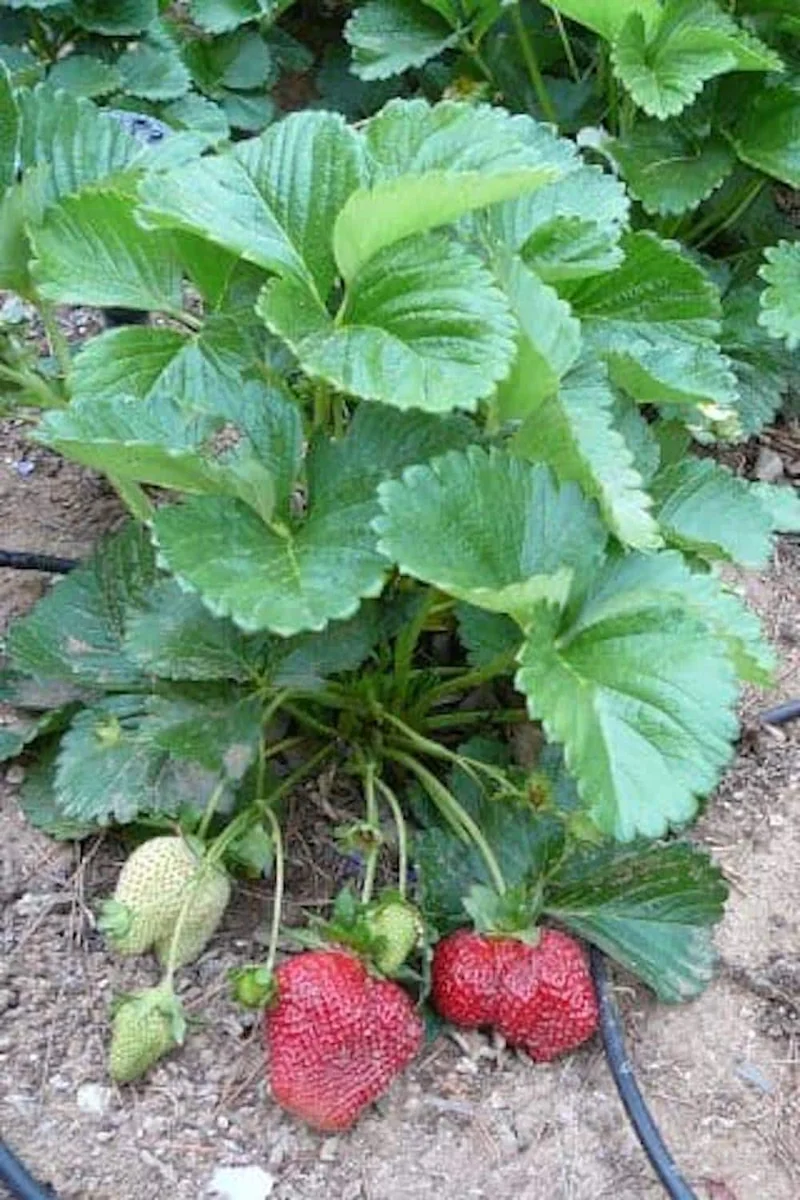
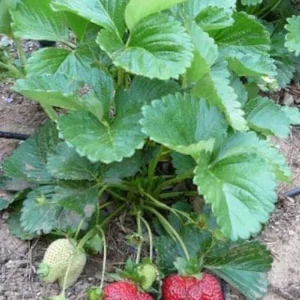
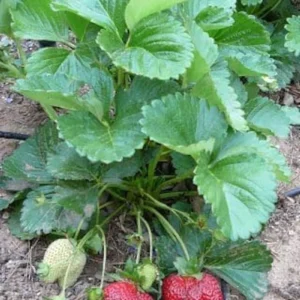
The ‘Sequoia’ strawberry is particularly celebrated for its unique fruiting habit. While officially classified as June-bearing, it demonstrates everbearing characteristics in warmer, milder climates, particularly USDA zones 6-9. This means you can anticipate a continuous supply of sweet berries from early summer right up until the first frost. In cooler climates, it still delivers a substantial, concentrated harvest in early summer, making it a versatile choice for various growing conditions. These adaptable plants grow to a manageable height of 8-10 inches and spread about 18 inches wide, making them suitable for traditional garden beds, raised beds, or even containers. With proper care, your everbearing strawberry plants will quickly establish themselves and begin producing runners, naturally expanding your patch and increasing future yields.
Key Benefits
Growing Sequoia strawberry bare roots offers a multitude of advantages for the home gardener, transforming your outdoor space into a productive and delightful haven. From their delicious fruit to their ease of cultivation, these plants are a superb addition to any garden:
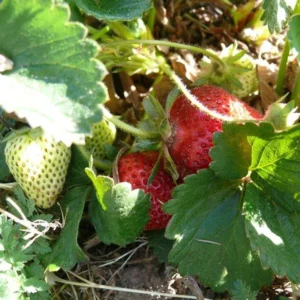
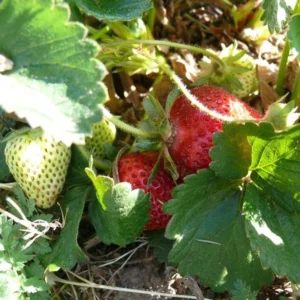
- Abundant, Continuous Harvest: In mild climates (USDA zones 6-9), the ‘Sequoia’ strawberry acts as an everbearing variety, providing a steady supply of large, sweet berries from late spring through autumn. This extended fruiting period means more fresh strawberries for eating, baking, and preserving throughout the season.
- Exceptional Flavor and Size: Renowned for their large size and intensely sweet flavor, ‘Sequoia’ strawberries are a true culinary delight. They are perfect for fresh eating, desserts, jams, and smoothies, offering a superior taste experience compared to store-bought varieties.
- Vigorous Growth and Runner Production: These plants are robust growers that produce numerous runners after their initial fruiting. This natural propagation allows you to easily expand your strawberry patch, creating more plants and increasing your overall yield without additional cost.
- Adaptable to Various Climates: While thriving as everbearers in warmer zones, ‘Sequoia’ strawberries also perform admirably in cooler regions, yielding a significant early summer crop. This adaptability makes them a reliable choice for a wide range of growing environments across the US.
- Easy to Establish: Planting Fragaria ananassa Sequoia as bare roots is a straightforward process, allowing for quick establishment and growth. With minimal initial care, these plants will rapidly develop into strong, fruit-producing specimens.
- Rewarding Home Gardening Experience: There’s immense satisfaction in harvesting your own fresh produce. Growing your own sweet strawberry variety provides a healthy, engaging hobby that yields delicious rewards for the whole family.
- Versatile Planting Options: Their moderate size makes ‘Sequoia’ strawberries suitable for various garden settings, including traditional garden beds, raised beds, and even large containers or hanging baskets, making them an excellent choice for urban gardeners or those with limited space.
Plant Care & Growing Tips
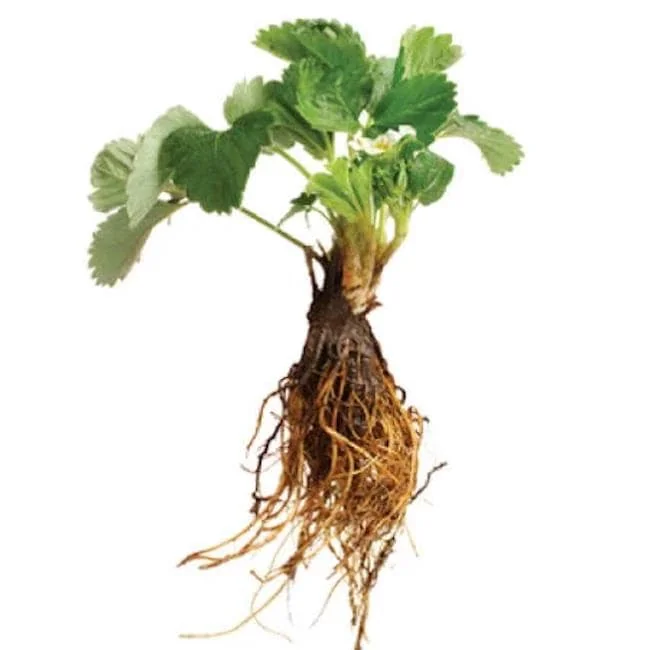
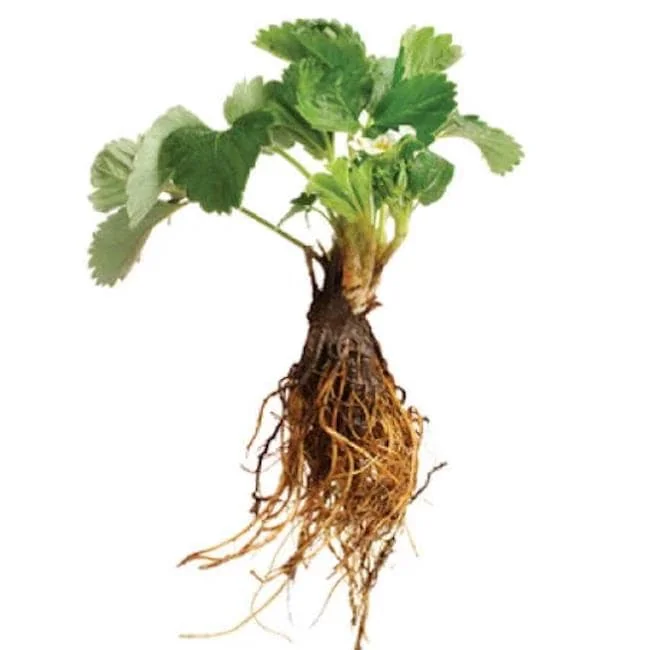
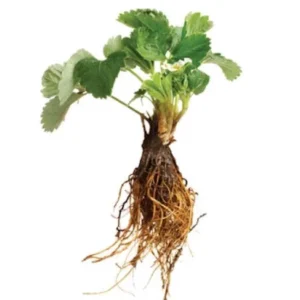
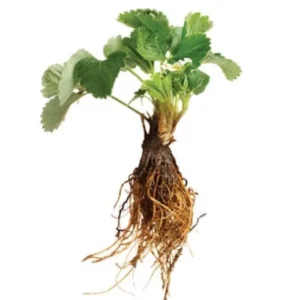
Proper care is essential for a bountiful harvest from your Sequoia strawberry bare roots. When planting, choose a site with full sun, meaning at least 6-8 hours of direct sunlight per day. Good air circulation is also important to prevent fungal diseases. Prepare the soil by enriching it with organic matter like compost, ensuring it is well-draining and slightly acidic (pH 5.5-6.5). When planting the bare roots, make sure the crown (the point where roots meet the leaves) is at soil level, with the roots spread out and covered, and the crown exposed. Water thoroughly after planting to settle the soil around the roots.
Once established, consistent watering is key, especially during fruiting and dry spells. Aim for about 1 inch of water per week, either from rain or irrigation. Avoid overhead watering if possible to reduce the risk of leaf diseases; drip irrigation or soaker hoses are ideal. Fertilize your everbearing strawberry plants in early spring and again after the first major flush of fruit using a balanced fertilizer or one specifically formulated for berries. Protect plants from extreme temperatures; in colder climates, apply a layer of straw mulch after the ground freezes to insulate the crowns, removing it in spring when new growth appears. In warmer zones, mulch can help retain soil moisture and keep roots cool.
Pest and disease management is an ongoing task for anyone who wants to grow strawberries at home. Watch out for common pests like slugs, birds, and aphids. Slugs can be managed with traps or organic baits, birds with netting, and aphids with insecticidal soap. Fungal diseases like powdery mildew or leaf spot can be minimized with good air circulation, proper spacing, and avoiding overhead watering. Remove any diseased leaves promptly. Over time, your ‘Sequoia’ plants will produce runners. While these can be used to propagate new plants, it’s often best to limit their number, especially in the first year, to encourage the mother plant to put more energy into fruit production. For older patches, consider renovating them every 3-4 years by removing older plants and allowing a few strong runners to take their place, ensuring continued vigor and yield from your sweet strawberry variety.
Size & Details
These Sequoia strawberry bare roots arrive ready for planting, providing a strong start for your strawberry patch. Each bare root is dormant upon arrival, ensuring successful transplanting. Once established, the plants typically grow to a medium height of about 8-10 inches tall and spread approximately 18 inches wide, forming attractive, productive mounds. They are known for their robust runner production after fruiting, which naturally helps increase your yield annually by creating new plants. The ‘Sequoia’ variety is classified as June-bearing but performs as an everbearing type in USDA zones 6-9, offering a continuous harvest from late spring through autumn. In cooler regions, it typically produces one large, concentrated crop in early summer. These plants are ideal for ground planting, raised beds, or large containers, offering flexibility for various garden designs.
Frequently Asked Questions
- Q: How big do these Sequoia strawberry plants get? A: Once established, Sequoia strawberry bare roots typically grow to about 8-10 inches tall and spread approximately 18 inches wide. They will also produce runners that create new plants.
- Q: Is this an indoor or outdoor plant? A: The ‘Sequoia’ strawberry is an outdoor plant, best suited for garden beds, raised beds, or large outdoor containers where it can receive adequate sunlight and space to grow.
- Q: How much sunlight does it need? A: For optimal fruit production, Fragaria ananassa Sequoia requires full sun, meaning at least 6-8 hours of direct sunlight per day.
- Q: Is this plant easy to care for? Is it good for beginners? A: Yes, ‘Sequoia’ strawberries are considered relatively easy to care for and are an excellent choice for beginners looking to grow strawberries at home. Consistent watering and good soil preparation are key.
- Q: What condition will the bare roots arrive in? A: Your Sequoia strawberry bare roots will arrive dormant, which is the ideal state for planting. They will have a healthy root system and no foliage, ready to awaken once planted.
- Q: How long until it starts producing fruit? A: You can expect your ‘Sequoia’ strawberry plants to start producing fruit in their first year, typically in late spring to early summer, depending on your climate and planting time.
- Q: When is the best time to plant Sequoia strawberry bare roots? A: The best time to plant bare root strawberries is in early spring, after the danger of hard frost has passed, or in late fall in milder climates.
- Q: Will it survive winter in my zone? A: The ‘Sequoia’ strawberry is hardy in USDA zones 6-9. In colder zones, it will need winter protection, such as a layer of straw mulch, to help it survive.
- Q: What is an everbearing strawberry? A: An everbearing strawberry, like the ‘Sequoia’ in mild climates, produces multiple flushes of fruit throughout the growing season, from late spring until the first frost, rather than just one large crop.
- Q: Can I grow this sweet strawberry variety in containers? A: Yes, ‘Sequoia’ strawberries can be successfully grown in large containers or hanging baskets, provided they have good drainage and receive sufficient sunlight.
Be the first to review “10 Sequoia Strawberry Bare Roots – Fragaria × ananassa – Sweet, Everbearing Variety”
People Also Viewed
Sold 53 products
Original price was: $529.96.$264.98Current price is: $264.98.
Sold 53 products
$76.98
Sold 81 products
$33.90
Sold 88 products
$41.12

Sold 89 products
From $71.80
Sold 70 products
Original price was: $22.76.$11.38Current price is: $11.38.
Sold 77 products
Original price was: $17.98.$14.38Current price is: $14.38.
Sold 81 products
From $99.80
Sold 97 products
From $107.80
Sold 83 products
Original price was: $11.92.$5.96Current price is: $5.96.
Sold 54 products
Original price was: $24.00.$19.20Current price is: $19.20.
Sold 66 products
Original price was: $28.99.$18.99Current price is: $18.99.
Sold 79 products
Original price was: $59.98.$29.99Current price is: $29.99.
Sold 73 products
Original price was: $26.76.$13.38Current price is: $13.38.
Sold 56 products
$54.98
Sold 59 products
Original price was: $127.98.$63.99Current price is: $63.99.
Sold 63 products
Original price was: $179.98.$143.98Current price is: $143.98.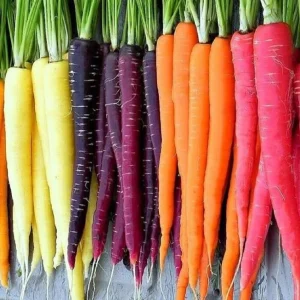
Vegetable Seeds
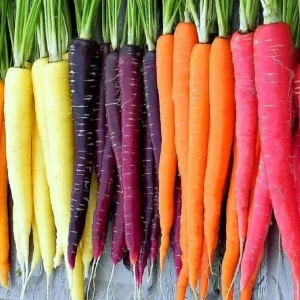
Rainbow Blend Carrot Seeds – Heirloom, Non-GMO Vegetable Garden Seeds Indoor/Outdoor
Sold 95 products
Original price was: $9.96.$4.98Current price is: $4.98.



Reviews
There are no reviews yet.