
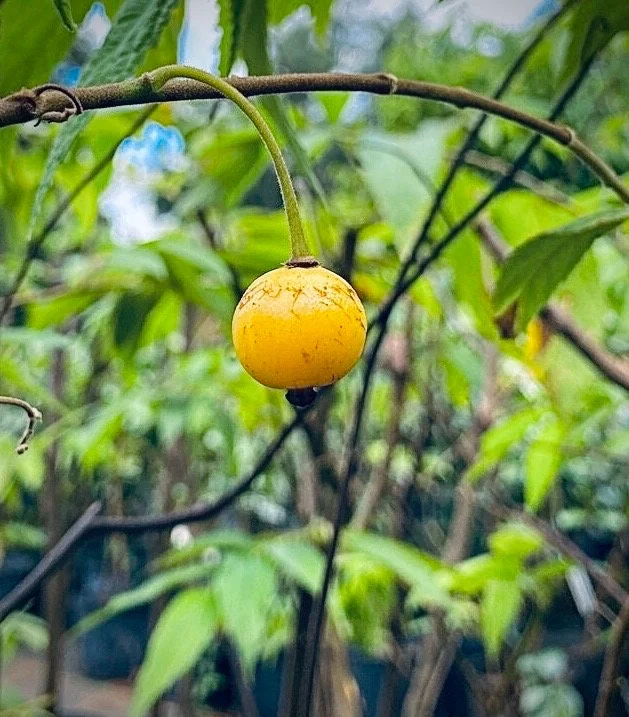
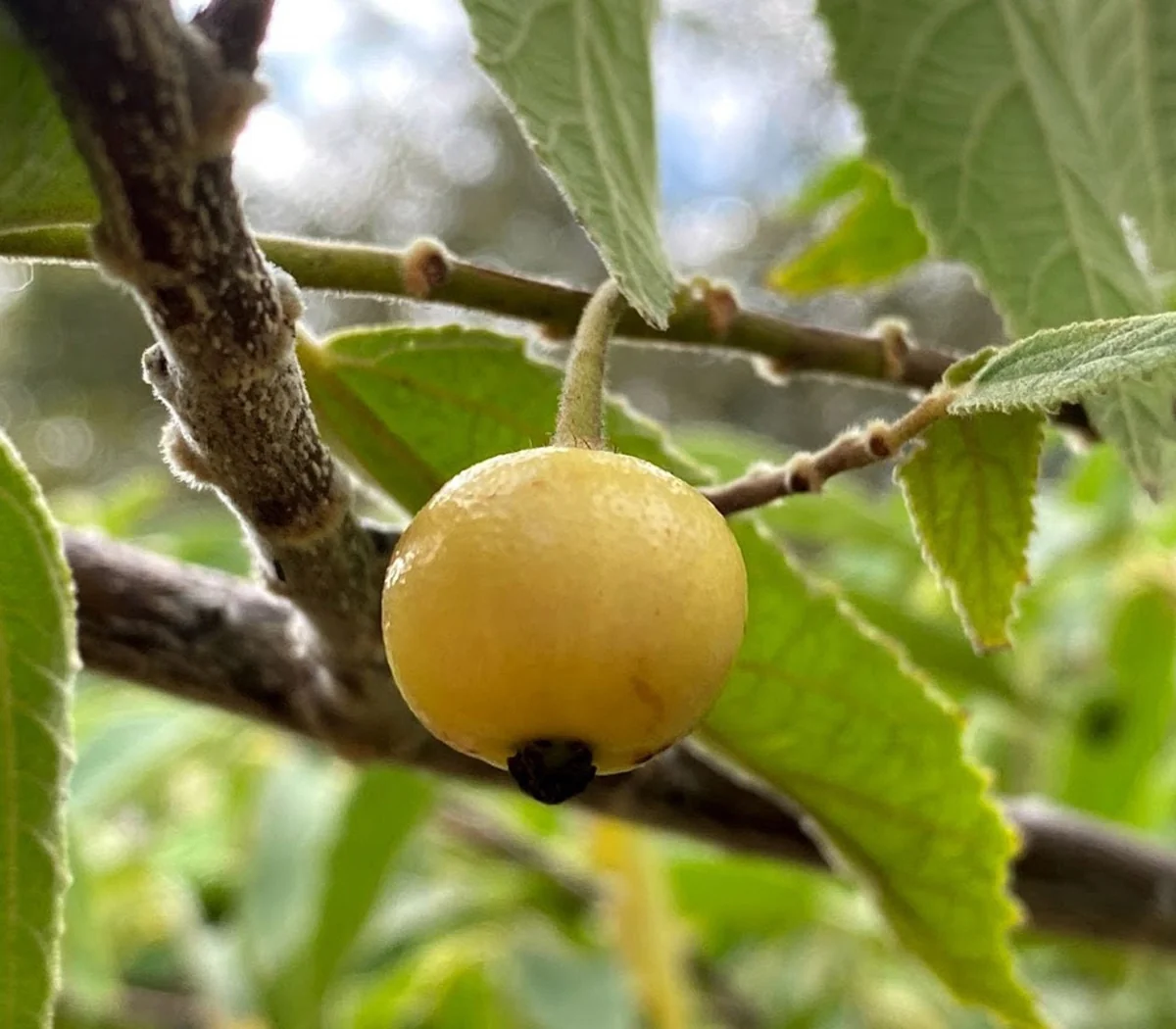
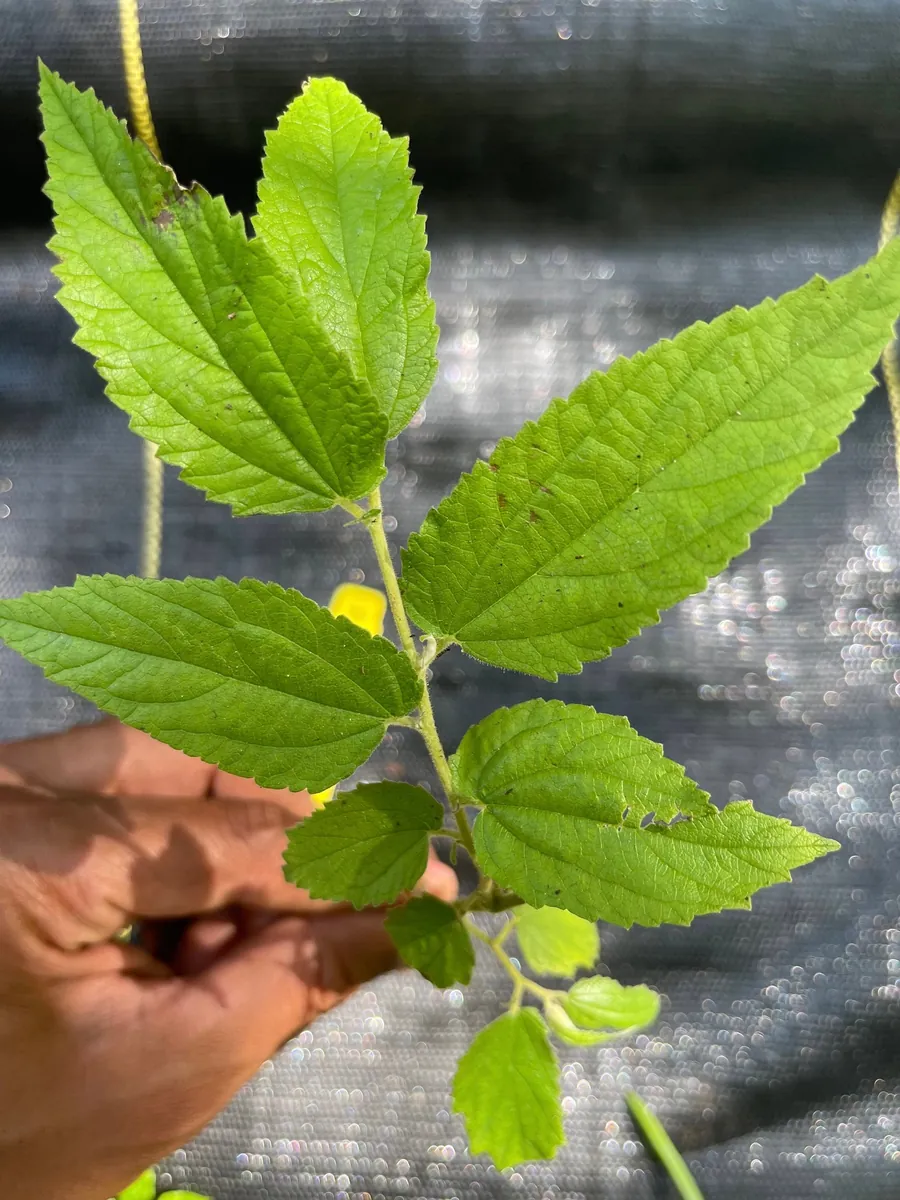
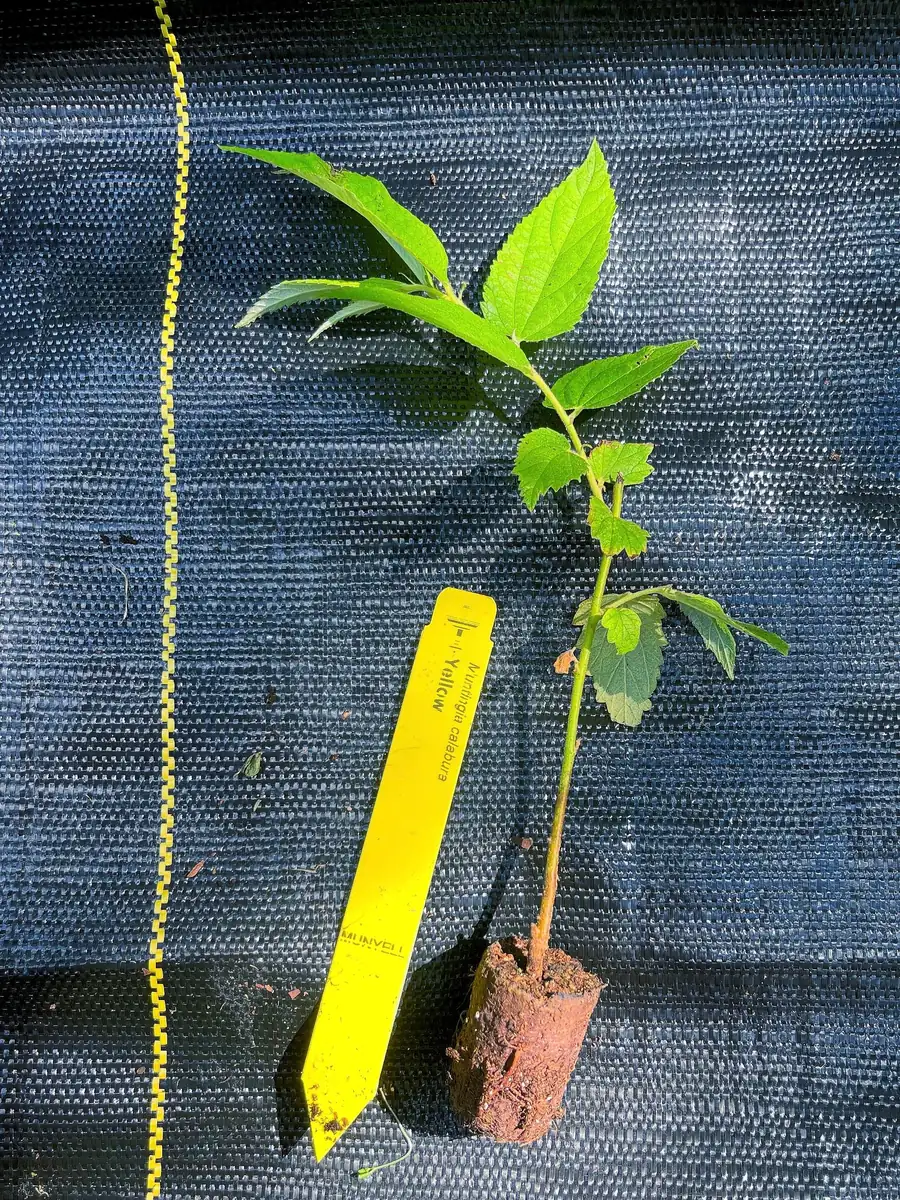
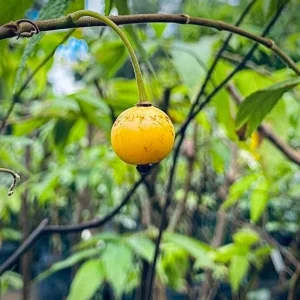
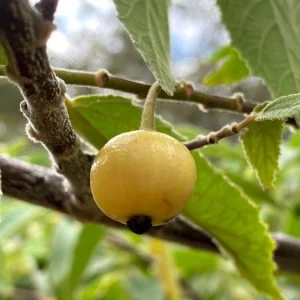
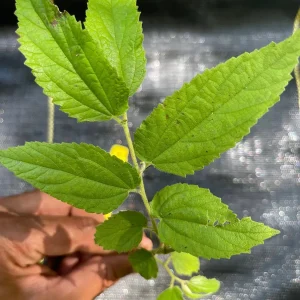
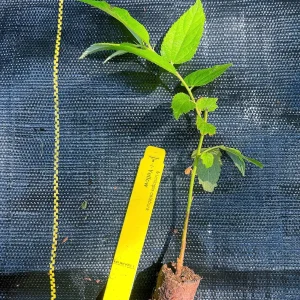
Yellow Strawberry Tree Live Plant (Muntingia calabura) – 7-14 inches tall
From $49.28
Discover the unique yellow strawberry tree live plant (Muntingia calabura), a tropical evergreen known for its delicious cotton candy-flavored berries. This easy-to-grow plant brings an exotic touch to any garden or patio, producing abundant, sweet fruit year-round. Perfect for fruit enthusiasts!
-
USDA Hardiness Zone
USDA Zones 9-11 (outdoor) or year-round indoors -
Soil Type
Well-draining, rich loamy soil -
Sunlight Exposure
Full sun (6-8 hours daily) -
Expected Planting Period
Year-round in warm climates; spring to summer in cooler regions

You can track your order HERE
Feb 28
Mar 05 - Mar 07
Mar 10 - Mar 14
Shipping and return policies: Our Alive & Thrive Guarantee covers issues with your plants within the first 30 days. Reach out to us. Our team will answer your questions and help you find the plants that are truly suitable for your environment, climate, and personal preferences.

Overview
Embark on a delightful culinary journey with the yellow strawberry tree live plant, scientifically known as Muntingia calabura. This extraordinary tropical to subtropical evergreen tree is a true garden gem, cherished for its rapid growth and continuous production of uniquely flavored fruit. Often called the Cotton Candy Berry, Jamaican Cherry, or Panama Berry, its small, sweet yellow berries offer an unforgettable taste experience, reminiscent of cereal milk and cotton candy. Each plant arrives ready to thrive, typically measuring 7-14 inches tall with a healthy 2-inch rootball, making it an ideal addition for both novice and experienced gardeners eager to cultivate something truly special.
The yellow strawberry tree live plant is not just about its delicious fruit; it’s also a visually appealing specimen. It features delicate white flowers that bloom profusely, leading to a year-round harvest of bite-sized, rapidly ripening berries. While birds and squirrels adore these fruits, the tree’s prolific nature ensures there’s always plenty to share. Due to their short shelf life, these rare fruits are almost impossible to find in commercial markets, making growing your own the best way to savor their wholesome and exotic flavor directly from the branch. This resilient plant is native to Central and South America, thriving in warm climates and requiring minimal care once established.
Key Benefits
Cultivating a yellow strawberry tree live plant offers a multitude of advantages, transforming your outdoor space into a vibrant, productive oasis. Beyond its unique fruit, this tree provides aesthetic beauty and ecological benefits.
- Exotic, Delicious Fruit: Enjoy the rare and delightful taste of berries often described as a blend of sweet cereal milk and cotton candy. The fruit is best eaten fresh, offering a unique flavor profile unavailable in stores.
- Year-Round Harvest: Unlike many fruit trees, the Muntingia calabura produces an abundance of berries continuously throughout the year in warm climates, ensuring a steady supply of fresh fruit.
- Easy to Grow & Low Maintenance: This tropical tree is surprisingly forgiving and requires minimal care, making it an excellent choice for gardeners of all skill levels. It adapts well to various conditions once established.
- Attracts Wildlife: The sweet berries are a favorite treat for birds and squirrels, adding lively natural activity to your garden ecosystem. Don’t worry, the tree produces so much fruit there’s plenty for everyone!
- Ornamental Appeal: With its delicate white flowers that resemble strawberry blossoms and lush green foliage, the cotton candy berry plant serves as an attractive ornamental tree, enhancing the beauty of your garden or patio.
- Fast Growing: Experience quick results as this tree grows rapidly, reaching fruiting maturity sooner than many other fruit-bearing plants.
- Adaptable to Containers: While it can grow into a sizable tree in the ground, the panama berry plant also thrives in large containers, making it suitable for patios, balconies, or regions with cooler winters where it can be moved indoors.
Plant Care & Growing Tips
Caring for your yellow strawberry tree live plant is straightforward, especially when provided with the right conditions. This resilient tree prefers warm, tropical, or subtropical environments. For optimal growth and fruit production, ensure it receives full sun exposure, ideally 6-8 hours of direct sunlight per day. If growing indoors or in a container, place it near a south-facing window or use supplemental grow lights to mimic these conditions. The tree is somewhat drought-tolerant once established but thrives with consistent moisture, so water regularly, allowing the top inch of soil to dry out between waterings. Avoid waterlogging, as this can lead to root rot.
The Muntingia calabura is not particular about soil type but prefers well-draining soil. A rich, loamy soil with good organic matter content is ideal. For container planting, use a high-quality potting mix that drains well. While generally low-maintenance, a balanced slow-release fertilizer applied during the growing season (spring and summer) can boost fruit production. Pruning is not strictly necessary but can be done to maintain shape, size, or to remove any dead or diseased branches. This tree is generally pest-resistant, but keep an eye out for common garden pests and address them promptly with organic solutions if they appear. Understanding muntingia calabura care will ensure your plant thrives.
In terms of temperature, the yellow strawberry tree live plant is happiest in temperatures above 50°F (10°C). It is not frost-tolerant, so in regions with cold winters, it should be grown in containers and brought indoors when temperatures drop. It can be grown as an annual in colder climates or as a perennial indoors. With proper care, your rare fruit trees will provide a bountiful harvest for many years.
Size & Details
This offering is for one yellow strawberry tree live plant, which typically arrives at a height of 7-14 inches tall, measured from the base of the rootball to the tip of the foliage. Each plant is carefully nurtured to develop a robust 2-inch rootball, ensuring a healthy start in its new home. The plant is shipped in a nursery pot or similar protective packaging to minimize stress during transit. Once planted, the Muntingia calabura is a fast grower, capable of reaching heights of 10-20 feet in ideal outdoor conditions, though it can be kept smaller with regular pruning or grown in a container. Its canopy can spread to a similar width, creating a lovely shade tree.
Given its rapid growth, you can expect your cotton candy berry plant to begin producing fruit within 1-2 years of planting. The berries are small, about 0.5 inches in diameter, and ripen quickly, often within a day or two of appearing. This continuous fruiting habit is one of its most appealing characteristics. The plant’s vigorous nature means it establishes quickly in the garden, providing both beauty and a consistent supply of delicious, fresh fruit. This makes it a rewarding choice for anyone looking to add unique rare fruit trees to their collection.
Frequently Asked Questions
- Q: How big does this yellow strawberry tree live plant get? A: In ideal outdoor conditions, the Yellow Strawberry Tree can reach heights of 10-20 feet and spread equally wide. However, it can be maintained at a smaller size through pruning or by growing it in a large container.
- Q: Is this an indoor or outdoor plant? A: The yellow strawberry tree live plant thrives outdoors in tropical and subtropical climates (USDA Zones 9-11). In colder regions, it can be grown outdoors during warm months and brought indoors as a container plant when temperatures drop below 50°F (10°C).
- Q: How much sunlight does the muntingia calabura care require? A: This tree requires full sun, meaning at least 6-8 hours of direct sunlight per day, to produce the most fruit. If grown indoors, place it in the brightest possible location.
- Q: Is this plant easy to care for? A: Yes, the cotton candy berry plant is considered relatively easy to care for. It’s quite resilient and adaptable, making it suitable for both beginner and experienced gardeners. Consistent watering and adequate sunlight are its main requirements.
- Q: What condition will it arrive in? A: Your plant will arrive healthy and well-packaged, typically 7-14 inches tall with a healthy 2-inch rootball, ready for planting. We take great care to ensure its safe transit.
- Q: Can I grow this plant in a pot? A: Absolutely! The panama berry plant is an excellent choice for container gardening, especially in areas where winter temperatures are too cold for outdoor planting. Use a large pot with good drainage.
- Q: How long until it produces fruit? A: With proper care, your Yellow Strawberry Tree can start producing its delicious berries within 1-2 years of planting. It’s known for its rapid growth and early fruiting.
- Q: What kind of soil does it prefer? A: While adaptable, the tree prefers well-draining soil rich in organic matter. A standard good-quality potting mix works well for container planting.
- Q: Is the fruit edible? A: Yes, the berries are fully edible and highly prized for their unique sweet flavor, often compared to cotton candy or cereal milk. They are best eaten fresh directly from the tree.
- Q: Will it survive winter in my zone? A: The yellow strawberry tree live plant is only cold-hardy in USDA Zones 9-11. In zones below 9, it must be protected from frost or brought indoors during winter.
| Number of Plants | 1, 2, 4 |
|---|
Be the first to review “Yellow Strawberry Tree Live Plant (Muntingia calabura) – 7-14 inches tall”
People Also Viewed
Sold 62 products
From $107.80
Sold 79 products
From $107.80
Sold 56 products
From $70.00
Sold 81 products
Original price was: $39.80.$19.90Current price is: $19.90.
Sold 75 products
Original price was: $78.38.$39.19Current price is: $39.19.
Sold 94 products
Original price was: $69.08.$34.54Current price is: $34.54.
Sold 82 products
Original price was: $47.96.$23.98Current price is: $23.98.
Sold 61 products
Original price was: $24.35.$7.74Current price is: $7.74.
Sold 93 products
$329.98

Sold 92 products
Original price was: $54.36.$27.18Current price is: $27.18.
Sold 66 products
Original price was: $460.00.$169.99Current price is: $169.99.
Sold 84 products
Original price was: $53.98.$26.99Current price is: $26.99.
Sold 51 products
Original price was: $63.98.$31.99Current price is: $31.99.
Sold 98 products
Original price was: $37.98.$18.99Current price is: $18.99.
Sold 94 products
From $61.58
Sold 93 products
Original price was: $28.76.$14.38Current price is: $14.38.
Sold 81 products
Original price was: $75.80.$37.90Current price is: $37.90.
Sold 63 products
From $45.80


Reviews
There are no reviews yet.