
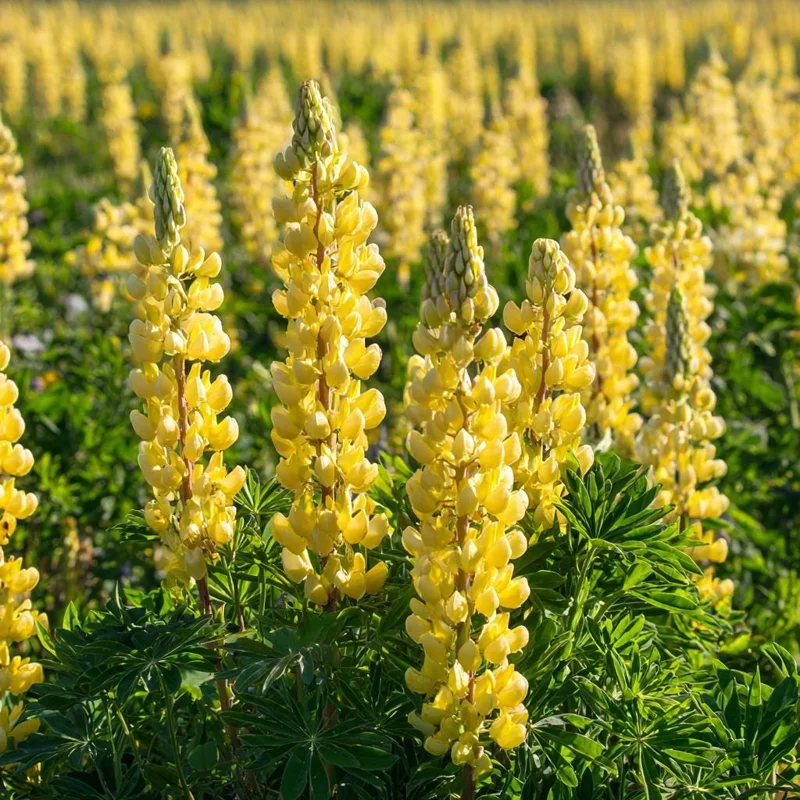
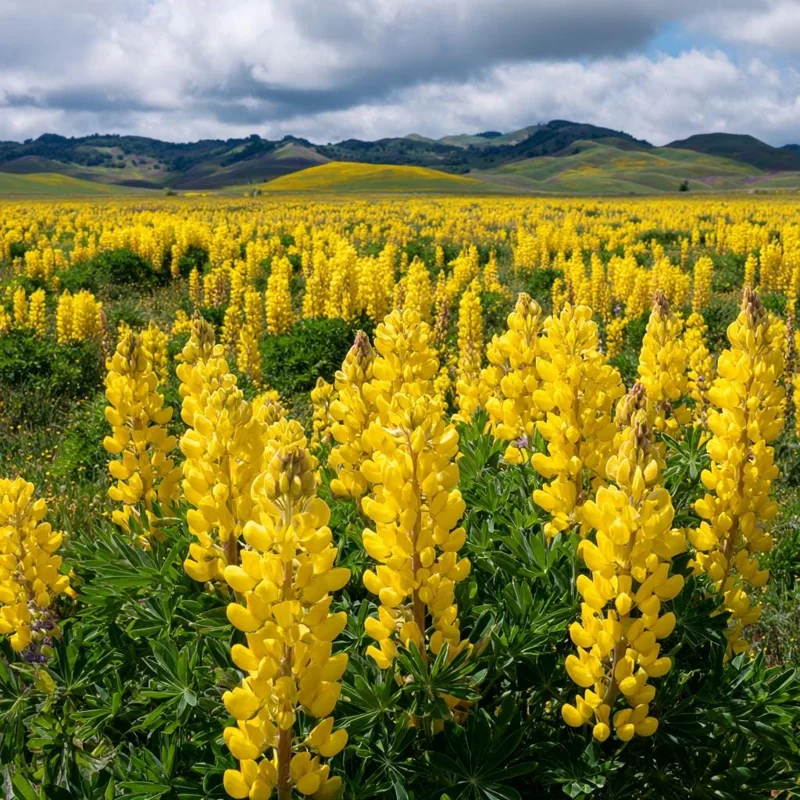
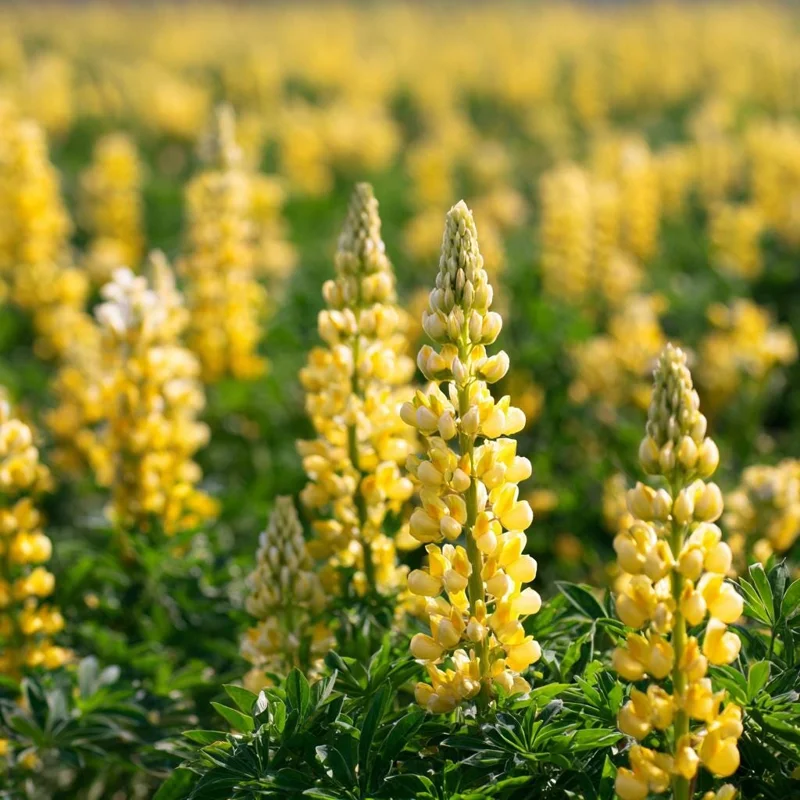
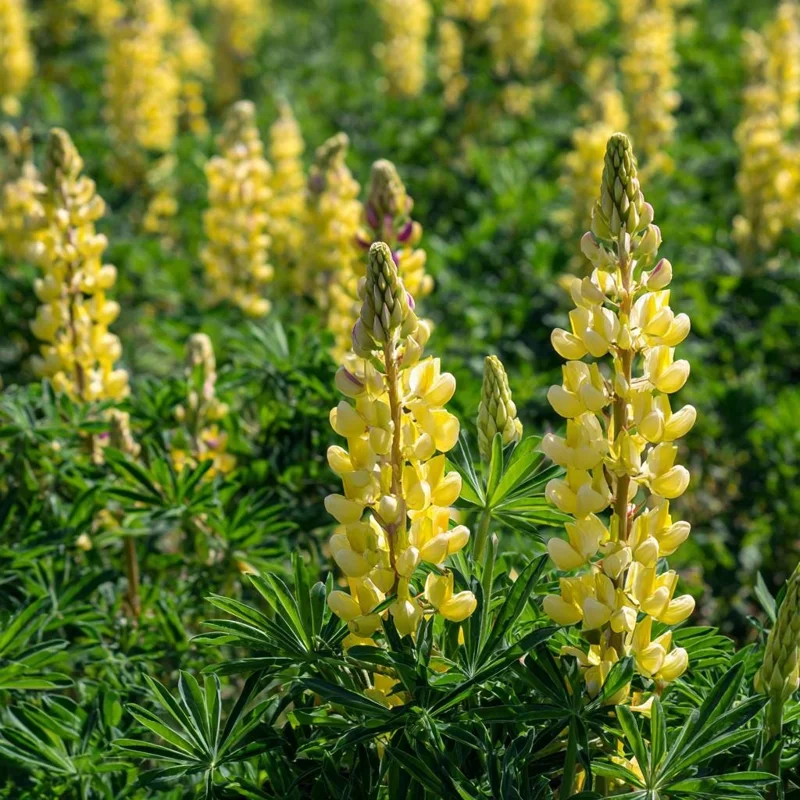
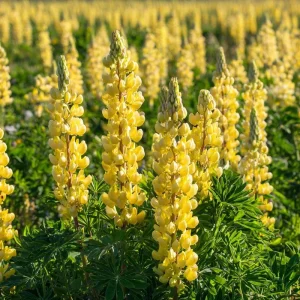
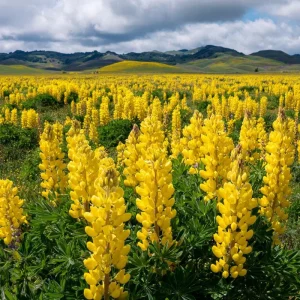
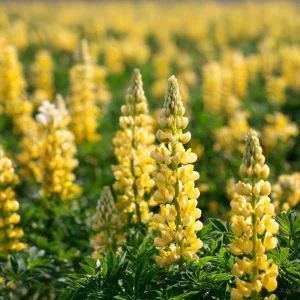
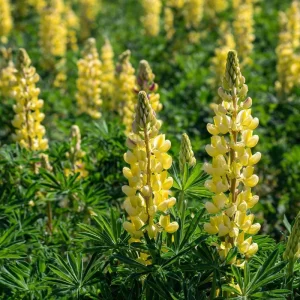
Yellow Lupine Seeds – 50 Count Lupinus densiflorus, Pollinator Friendly, Easy Grow Annual Flower Seeds
Original price was: $31.99.$11.99Current price is: $11.99.
Introduce vibrant yellow to your garden with yellow lupine seeds (Lupinus densiflorus). This 50-count packet offers pollinator friendly seeds that are easy grow flowers, perfect for beds, borders, and attracting beneficial insects. Enjoy beautiful, drought tolerant plants with minimal effort.
-
USDA Hardiness Zone
USDA zones 4-8 (as annuals in colder zones) -
Soil Type
Well-draining soil -
Sunlight Exposure
Full sun -
Expected Planting Period
Early spring or late fall

You can track your order HERE
Apr 12
Apr 17 - Apr 19
Apr 22 - Apr 26
Shipping and return policies: Our Alive & Thrive Guarantee covers issues with your plants within the first 30 days. Reach out to us. Our team will answer your questions and help you find the plants that are truly suitable for your environment, climate, and personal preferences.

Overview
Introduce a burst of sunshine and ecological support to your garden with these premium yellow lupine seeds. Each packet contains 50 high-quality seeds of Lupinus densiflorus, promising a delightful display of tall, cheerful yellow flower spikes. Yellow lupine seeds are an annual flower celebrated for its striking beauty and its significant role in supporting local ecosystems. These vibrant blooms are a magnet for bees, butterflies, and other essential pollinators, making them an excellent choice for anyone looking to create a thriving wildlife-friendly garden. Easy to sow and maintain, this plant quickly establishes itself, offering a rewarding gardening experience for both novice and experienced growers.
The cheerful disposition of the yellow lupine makes it a favorite for cottage gardens, wildflower meadows, and cutting gardens. Its unique flower structure and bright hue provide a captivating visual element, while its robust nature ensures a long-lasting bloom season. Whether you’re aiming to enhance your landscape’s aesthetic appeal or contribute to pollinator conservation, these lupinus densiflorus seeds offer an ideal solution. Grow these magnificent flowers and enjoy their vibrant presence from late spring through summer.
Key Benefits
Growing yellow lupine seeds offers numerous advantages for your garden and the local environment. These versatile flowers are not only beautiful but also contribute significantly to ecological balance. Here are some of the key benefits:
- Attracts Pollinators: Yellow Lupine seeds are incredibly attractive to bees, butterflies, and other beneficial insects, making them an excellent choice for creating a pollinator friendly seeds garden. By planting these flowers, you help support biodiversity and the health of local ecosystems.
- Vibrant Yellow Blooms: Known for its tall, showy spikes of bright yellow flowers, Lupinus densiflorus adds a cheerful and dramatic splash of color to any garden or landscape. These blooms are perfect for creating visual impact and are a standout among easy grow flowers.
- Easy to Grow: These easy grow flowers are straightforward to sow and maintain, making them suitable for gardeners of all skill levels. With minimal effort, you can achieve a stunning display of flowers, even if you’re new to gardening.
- Drought-Tolerant: Once established, Yellow Lupine is remarkably drought-tolerant, requiring less frequent watering compared to many other flowering plants. This makes it a sustainable choice for water-wise gardening, especially if you are looking for drought tolerant plants.
- Versatile Landscaping Use: Ideal for borders, wildflower meadows, cutting gardens, and large-scale plantings, the versatility of yellow lupine allows it to fit seamlessly into various garden designs and themes, providing continuous beauty.
- Excellent Cut Flowers: The long, sturdy stems and vibrant blooms of Yellow Lupine make them superb cut flowers. They add elegance and height to floral arrangements, bringing the beauty of your garden indoors for extended enjoyment.
- Enhances Soil Health: As a legume, lupines can fix nitrogen in the soil, improving its fertility and benefiting neighboring plants. This natural process contributes to a healthier garden environment, reducing the need for chemical fertilizers.
Plant Care & Growing Tips
Cultivating vibrant yellow lupine from seed is a rewarding process that requires attention to a few key care instructions. These plants thrive in specific conditions, ensuring robust growth and abundant blooms. For optimal results, sow your yellow lupine seeds directly outdoors in early spring after the last frost, or in late fall for germination the following spring. Alternatively, you can start seeds indoors 6–8 weeks before the last expected frost. To significantly improve germination rates, it’s recommended to scarify the seeds – gently nicking the seed coat – or soak them in warm water for 12–24 hours prior to planting. Sow seeds approximately 1/4 inch deep in well-drained soil, ensuring they are lightly covered. Keep the soil consistently moist until germination, which typically occurs within 10–21 days.
Once seedlings emerge and are large enough to handle, thin or transplant them to stand 12–18 inches apart. This spacing provides ample room for full growth and ensures good air circulation, which is crucial for healthy development. Lupinus densiflorus thrives in full sun, meaning it requires at least six hours of direct sunlight per day to produce the most prolific blooms. Well-drained soil is paramount; avoid heavy, waterlogged conditions, as this can lead to root rot. While the plant is drought-tolerant once established, moderate watering is beneficial, allowing the soil to dry slightly between watering sessions. Fertilization is generally not heavily needed due to its nitrogen-fixing capabilities, but a light application of a balanced, low-nitrogen fertilizer in spring can encourage more vigorous flowering. Deadhead spent blooms regularly to encourage continuous flowering throughout the season, or allow some flowers to go to seed if you wish for self-seeding and a naturalized look in future years. Protecting young plants from pests like aphids and slugs can help ensure a strong start. These are truly easy grow flowers that will reward you with beauty and are ideal for those seeking drought tolerant plants.
Size & Details
This packet contains 50 yellow lupine seeds (Lupinus densiflorus), providing ample opportunity to establish a beautiful patch of these cheerful flowers. Yellow Lupine typically grows to a height of 1 to 2 feet, with a spread of about 12 to 18 inches, forming attractive upright clumps. The plants produce tall, spire-like flower stalks that are densely packed with vibrant yellow blooms. These annual flowers boast a moderate growth rate, reaching maturity and beginning to bloom within one growing season when planted from seed. They are shipped as high-quality, viable seeds, ready for planting upon arrival. Expect a dazzling display of color from late spring through summer, especially with regular deadheading. These pollinator friendly seeds are a fantastic way to introduce a significant visual impact and ecological benefit to your garden, creating beautiful and resilient drought tolerant plants.
Frequently Asked Questions
- Q: How many yellow lupine seeds are included in this packet? A: This packet contains 50 high-quality yellow lupine seeds, providing a generous quantity for planting a vibrant display in your garden.
- Q: Is Yellow Lupine an indoor or outdoor plant? A: Yellow Lupine (Lupinus densiflorus) is primarily an outdoor plant, thriving in garden beds, borders, and meadows where it can receive ample sunlight and space to grow. It is not generally suitable as an indoor houseplant.
- Q: How much sunlight does Yellow Lupine need? A: These plants prefer full sun, requiring at least 6 hours of direct sunlight daily to produce the most abundant and vibrant blooms. Adequate sunlight is crucial for healthy growth of these easy grow flowers.
- Q: Is this plant easy to care for? A: Yes, yellow lupine is considered an easy grow flowers. With proper initial care and well-drained soil, it’s quite low-maintenance, especially once established, making it suitable for gardeners of all experience levels.
- Q: What condition will the seeds arrive in? A: Your order will arrive as a packet of viable, dry seeds, ready for you to sow according to the provided instructions. We ensure high quality for successful germination of your yellow lupine seeds.
- Q: When is the best time to plant yellow lupine seeds? A: The best time to plant yellow lupine seeds is in early spring after the last frost, or in late fall for germination the following spring. This timing allows them to establish well for a beautiful display.
- Q: How tall does Yellow Lupine typically grow? A: Yellow Lupine typically grows to a height of 1 to 2 feet, with its striking flower spikes adding significant vertical interest to your garden.
- Q: Is Yellow Lupine good for attracting pollinators? A: Absolutely! These are excellent pollinator friendly seeds, attracting bees, butterflies, and other beneficial insects to your garden, contributing significantly to local biodiversity.
- Q: Do I need to soak the seeds before planting? A: Soaking the yellow lupine seeds in warm water for 12-24 hours or scarifying them can significantly improve germination rates, though it’s not strictly required. It can help speed up the process for successful growth.
- Q: What type of soil does Yellow Lupine prefer? A: Yellow Lupine thrives in well-drained soil. It’s important to avoid heavy, waterlogged conditions to prevent root issues, especially since they are drought tolerant plants once established.
Be the first to review “Yellow Lupine Seeds – 50 Count Lupinus densiflorus, Pollinator Friendly, Easy Grow Annual Flower Seeds”
People Also Viewed
Flower Plants
Sold 66 products
Original price was: $27.98.$13.99Current price is: $13.99.
Sold 67 products
Original price was: $30.78.$15.39Current price is: $15.39.
Sold 65 products
Original price was: $64.00.$51.20Current price is: $51.20.
Sold 53 products
Original price was: $179.98.$143.98Current price is: $143.98.
Sold 76 products
Original price was: $54.36.$27.18Current price is: $27.18.
Sold 99 products
Original price was: $130.00.$104.00Current price is: $104.00.
Sold 81 products
Original price was: $47.98.$23.99Current price is: $23.99.
Sold 80 products
Original price was: $35.98.$28.78Current price is: $28.78.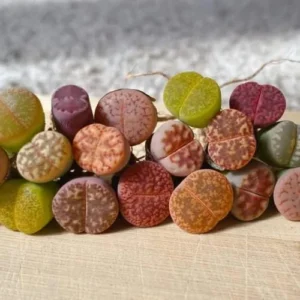
Sold 73 products
Original price was: $39.98.$19.99Current price is: $19.99.
Flower Plants
Sold 59 products
Original price was: $47.58.$23.79Current price is: $23.79.
Sold 88 products
Original price was: $201.60.$100.80Current price is: $100.80.
Sold 66 products
Original price was: $52.00.$41.60Current price is: $41.60.
Sold 60 products
Original price was: $391.96.$195.98Current price is: $195.98.
Sold 98 products
Original price was: $47.58.$23.79Current price is: $23.79.
Sold 55 products
Original price was: $39.98.$19.99Current price is: $19.99.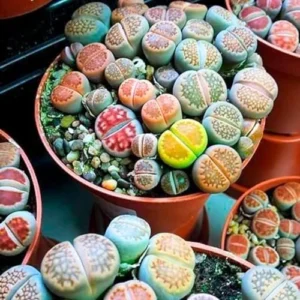
HousePlants
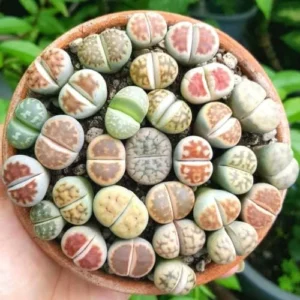
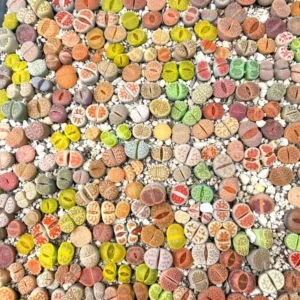
Lithops Live Plants Mix – 30 Colorful Succulents – Living Stones for Indoor/Outdoor Planting
Sold 79 products
Original price was: $65.98.$32.99Current price is: $32.99.

Sold 54 products
Original price was: $89.98.$44.99Current price is: $44.99.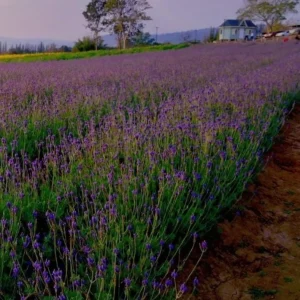
Flowers
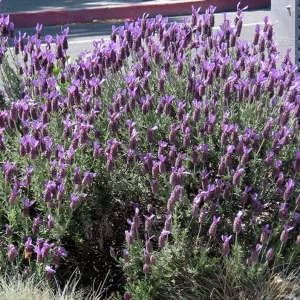
Set of 2 Spanish Eyes Lavender Live Plants – 4-6″ Tall – Fragrant Perennial Flowers – Indoor/Outdoor
Sold 90 products
Original price was: $36.38.$18.19Current price is: $18.19.



%20–%204-6″%20Tall%20Starter%20Plants%20–%20Attracts%20Butterflies%20&%20Hummingbirds%20–%20Outdoor&url=https://gardennursery.net/product/red-lantana-live-plant-set-2-4-6-tall-starter-plants-attracts-butterflies-hummingbirds-outdoor/&media=https://img.gardennursery.net/2026/03/red-lantana-live-plant-set-2-4-6-tall-starter-plan-8b65cb76.webp)


Reviews
There are no reviews yet.