
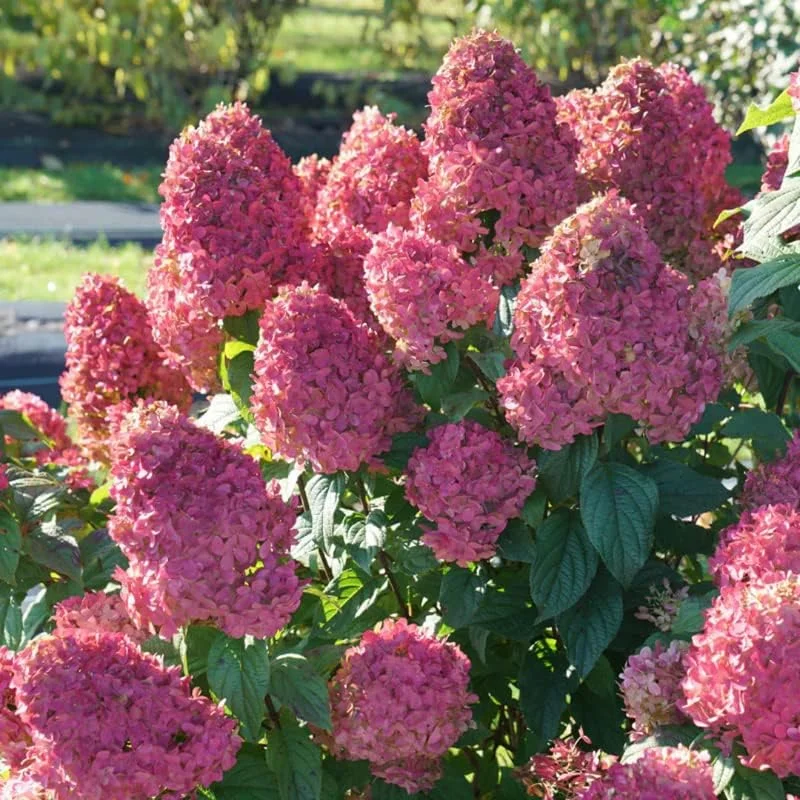
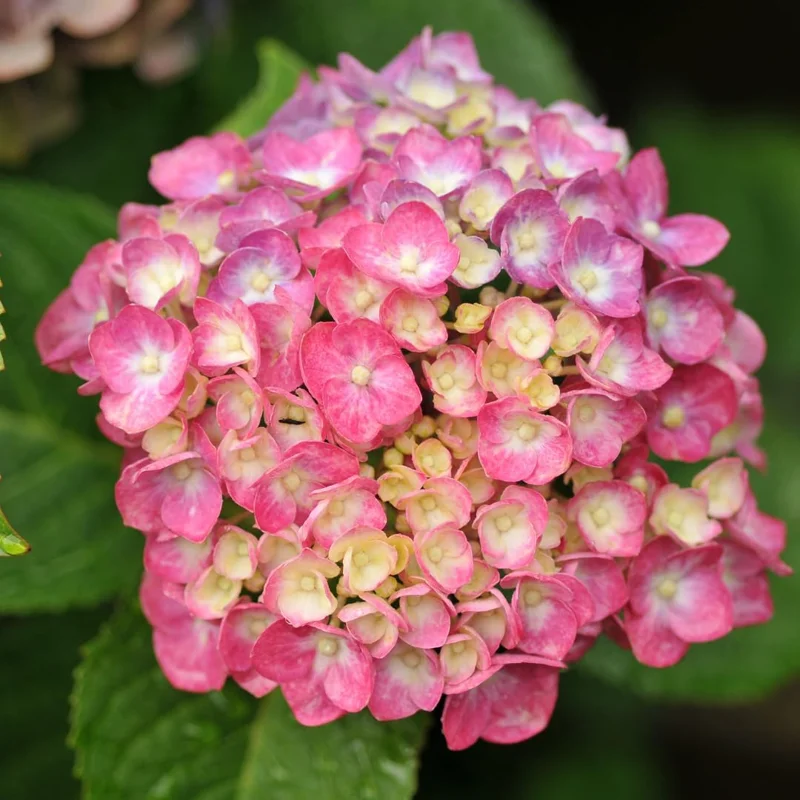
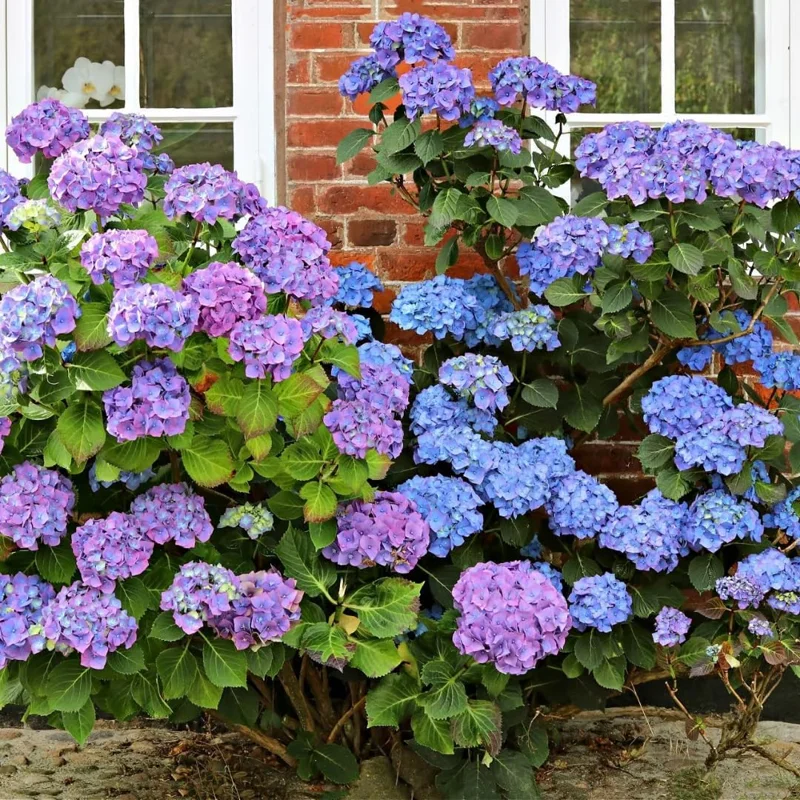
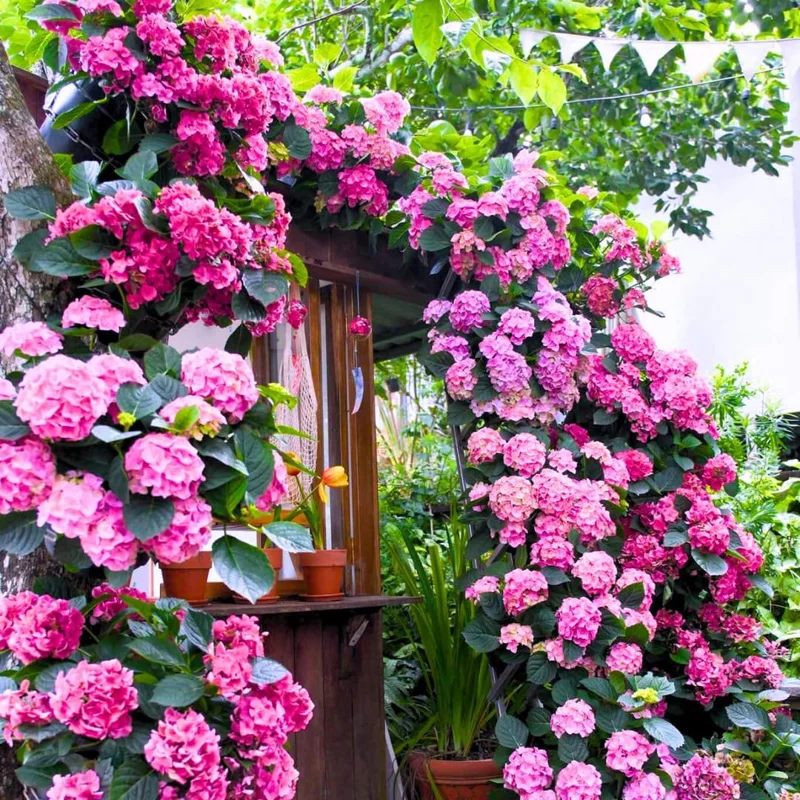
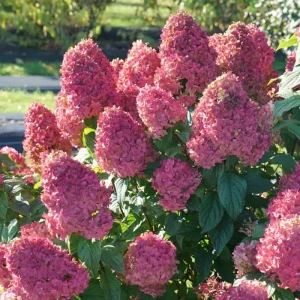
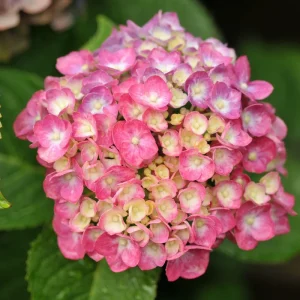
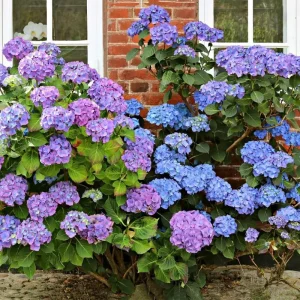
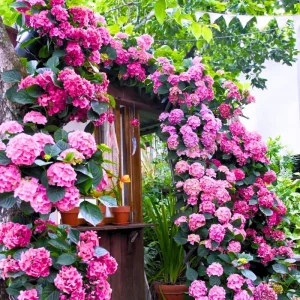
White to Pink Hydrangea Bush Live Plant, 5-12″ Starter Shrub, Temperate Hardy
Original price was: $39.98.$19.99Current price is: $19.99.
Add enchanting color to your landscape with this white to pink hydrangea bush. This live hydrangea plant is a starter shrub, typically 5-12 inches tall, and thrives in temperate climates. It’s a rebloomer, offering beautiful blooms from summer into fall.
-
USDA Hardiness Zone
3-8 -
Soil Type
Sandy Soil, Well-draining -
Sunlight Exposure
Full Sun, Partial Sun -
Expected Planting Period
Spring to Early Summer (Winter dormant)

You can track your order HERE
Mar 31
Apr 05 - Apr 07
Apr 10 - Apr 14
Shipping and return policies: Our Alive & Thrive Guarantee covers issues with your plants within the first 30 days. Reach out to us. Our team will answer your questions and help you find the plants that are truly suitable for your environment, climate, and personal preferences.

Overview
Transform your garden with the captivating beauty of a white to pink hydrangea bush. This live starter plant, typically measuring 5-12 inches, promises to bring a dynamic display of color to your outdoor spaces. Known for its stunning floral transitions, this hydrangea begins with pristine white blooms that gradually blush into lovely shades of pink as the season progresses. It’s a robust and temperate-hardy shrub, making it a wonderful addition to many garden designs. Perfect for creating a focal point, a lush border, or adding an elegant touch to your patio, this live hydrangea plant is a versatile and rewarding choice for gardeners of all levels.
Hydrangeas are beloved for their large, showy flower clusters and their ability to thrive in a range of conditions. This particular variety offers a unique color-changing characteristic, ensuring a continually evolving visual appeal throughout its blooming season. Whether you’re a seasoned horticulturist or just starting your gardening journey, this white to pink hydrangea bush provides an accessible way to enjoy spectacular floral displays.
Key Benefits
Choosing a white to pink hydrangea bush for your garden offers numerous advantages, enhancing both the aesthetic and ecological value of your outdoor living space. These resilient shrubs are celebrated for their vibrant blooms and ease of care, making them a popular choice among garden enthusiasts.
- Stunning Color Transformation: Enjoy the unique spectacle of flowers that shift from pure white to soft pink, providing continuous visual interest throughout the blooming season. This dynamic color change adds an artistic touch to any garden.
- Extended Blooming Period: This particular hydrangea is a rebloomer, meaning it produces flowers from summer well into the fall. This extended period of bloom ensures your garden remains vibrant and colorful for months on end, unlike many plants with shorter bloom cycles.
- Versatile Landscape Use: The live hydrangea plant is perfect for a variety of garden applications. Use it as a striking specimen plant, create a beautiful flowering hedge, or incorporate it into mixed borders for added texture and color. Its adaptability makes it suitable for both formal and informal garden designs.
- Attracts Pollinators: While hydrangeas are not primary pollinator magnets, their blooms can attract some beneficial insects, contributing to the biodiversity of your garden ecosystem. They also provide shelter for small garden creatures.
- Low Maintenance: Once established, this temperate hydrangea requires relatively little fuss, making it an excellent choice for busy gardeners. With proper planting and initial care, it will flourish with minimal ongoing effort.
- Cold Hardy Nature: Rated for USDA Zones 3-8, this hydrangea is exceptionally cold hardy, capable of withstanding significant winter temperatures. This resilience ensures it returns year after year, even in colder climates, providing reliable beauty.
- Enhances Curb Appeal: The lush foliage and abundant, colorful blooms significantly boost the aesthetic appeal of your home, increasing curb appeal and creating a welcoming atmosphere for visitors.
Plant Care & Growing Tips
Proper care is essential to ensure your white to pink hydrangea bush thrives and produces its signature stunning blooms. Understanding its specific needs will help you cultivate a healthy and vibrant plant that enhances your garden for years to come. This live hydrangea plant is relatively easy to care for, making it suitable for both novice and experienced gardeners.
Sunlight Requirements: This hydrangea performs best in a location that receives full sun to partial sun. Full sun (6+ hours of direct sunlight) will encourage more prolific blooming, especially in cooler climates. In hotter regions, partial sun (4-6 hours of morning sun with afternoon shade) is ideal to protect the foliage from scorching and prevent wilting during the hottest parts of the day. Ensure it has adequate light for optimal growth and flowering. The right amount of light is crucial for a healthy temperate hydrangea.
Watering and Soil: Hydrangeas prefer consistently moist, but not waterlogged, soil. Moderate watering is recommended, especially during dry spells and the plant’s establishment period. Water deeply at the base of the plant to encourage deep root growth. Sandy soil is acceptable, but ideally, the soil should be well-draining and rich in organic matter. A slightly acidic to neutral pH is generally preferred. Good drainage is key to preventing root rot, a common issue for many plants. Mulching around the base can help retain soil moisture and regulate temperature.
Temperature and Hardiness: This white to pink hydrangea bush is cold hardy, thriving in USDA Zones 3-8. It will enter a dormant state in winter, losing its leaves, which is a natural part of its life cycle and indicates its resilience to cold temperatures. Protection with mulch around the base can be beneficial in the coldest zones. Fertilize in early spring with a balanced slow-release fertilizer formulated for flowering shrubs to promote vigorous growth and abundant blooms throughout the season. Pruning should generally be done after flowering to shape the plant and remove spent blooms, as this encourages new growth and more flowers.
Size & Details
This offering is for a white to pink hydrangea bush supplied as a live starter plant, typically measuring between 5 to 12 inches in height. These young shrubs are ready to establish themselves in your garden, providing a foundation for future growth and abundant blooms. The plant is shipped in a dormant state during winter months, meaning it will arrive without leaves, which is completely normal and healthy for cold-hardy deciduous shrubs. This ensures the plant can safely endure transit and establish itself once planted.
Upon planting, this live hydrangea plant will begin to develop its root system and foliage, eventually growing into a mature shrub with a spread of several feet, depending on the variety and growing conditions. Expect the first blooms to appear in the summer, with the plant continuing to rebloom into the fall. Its mature size makes it an excellent candidate for various landscape roles, from accent planting to mass plantings. The specific growth rate will depend on local climate, soil conditions, and care practices, but hydrangeas are generally reliable growers once established.
Frequently Asked Questions
- Q: How big does this white to pink hydrangea bush get at maturity? A: This hydrangea typically grows to a mature size of 3-5 feet tall and wide, although this can vary slightly based on growing conditions, climate, and pruning practices. It will develop into a robust and bushy shrub over time.
- Q: Is this an indoor or outdoor plant? A: This live hydrangea plant is primarily an outdoor shrub. It is temperate hardy and designed to thrive in garden beds, borders, and as a landscape plant in USDA Zones 3-8. While young plants can be temporarily kept indoors in bright conditions, they require outdoor exposure for long-term health and blooming.
- Q: How much sunlight does this hydrangea need? A: This temperate hydrangea prefers full sun to partial sun. In cooler climates, full sun (6+ hours) is ideal for best blooming. In warmer regions, partial sun (4-6 hours of morning sun with afternoon shade) helps protect the plant from intense heat and sun scald.
- Q: Is this plant easy to care for, especially for beginners? A: Yes, this white to pink hydrangea bush is considered relatively easy to care for once established. Its cold hardiness and reblooming nature make it a forgiving plant for those new to gardening, provided basic care requirements for sunlight, water, and soil are met.
- Q: What condition will the plant arrive in, especially during winter? A: During winter months, the plant will arrive in a dormant state, meaning it will have no leaves. This is a natural and healthy condition for a cold-hardy shrub, ensuring it can safely be shipped and planted to thrive in the spring. In warmer months, it will arrive with foliage.
- Q: When is the best time to plant this live hydrangea plant? A: The best time to plant this hydrangea is in spring or early fall. This allows the plant sufficient time to establish its root system before the stress of summer heat or winter cold. However, it can be planted any time the ground is not frozen.
- Q: Will this reblooming hydrangea survive winter in my zone? A: Yes, this hydrangea is cold hardy and suitable for USDA Zones 3-8, meaning it is designed to survive winter temperatures in these regions. It will lose its leaves and go dormant, but will return with new growth in the spring.
| Color | Blue Pink To Purple, Deep Purple Blue To Pink, Pink To Blue, White to Pink |
|---|
Be the first to review “White to Pink Hydrangea Bush Live Plant, 5-12″ Starter Shrub, Temperate Hardy”
People Also Viewed
Sold 55 products
Original price was: $400.00.$200.00Current price is: $200.00.
Sold 69 products
Original price was: $232.00.$116.00Current price is: $116.00.
Sold 51 products
Original price was: $102.18.$51.09Current price is: $51.09.
Sold 80 products
From $59.80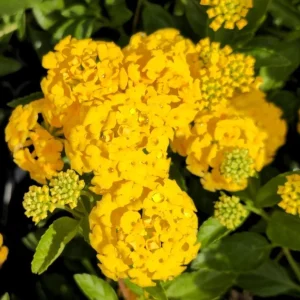
Flowers
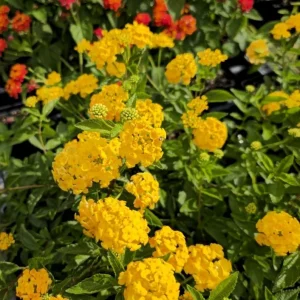
Set of 2 New Gold Lantana Live Plants – 4-6″ Tall – Yellow Flowers – Attracts Pollinators – Outdoor
Sold 61 products
Original price was: $32.18.$16.09Current price is: $16.09.

Sold 86 products
Original price was: $94.76.$47.38Current price is: $47.38.

Sold 92 products
Original price was: $18.76.$9.38Current price is: $9.38.
Sold 66 products
Original price was: $47.96.$23.98Current price is: $23.98.

Sold 91 products
Original price was: $61.00.$30.50Current price is: $30.50.
Sold 52 products
Original price was: $30.76.$15.38Current price is: $15.38.
Sold 50 products
Original price was: $67.98.$33.99Current price is: $33.99.

Sold 70 products
Original price was: $59.96.$29.98Current price is: $29.98.
Sold 55 products
Original price was: $15.98.$12.78Current price is: $12.78.
Sold 75 products
Original price was: $58.58.$29.29Current price is: $29.29.
Sold 51 products
Original price was: $87.00.$43.50Current price is: $43.50.
Sold 95 products
Original price was: $42.76.$21.38Current price is: $21.38.

Sold 52 products
Original price was: $30.76.$15.38Current price is: $15.38.
Sold 64 products
Original price was: $53.98.$26.99Current price is: $26.99.


Reviews
There are no reviews yet.