
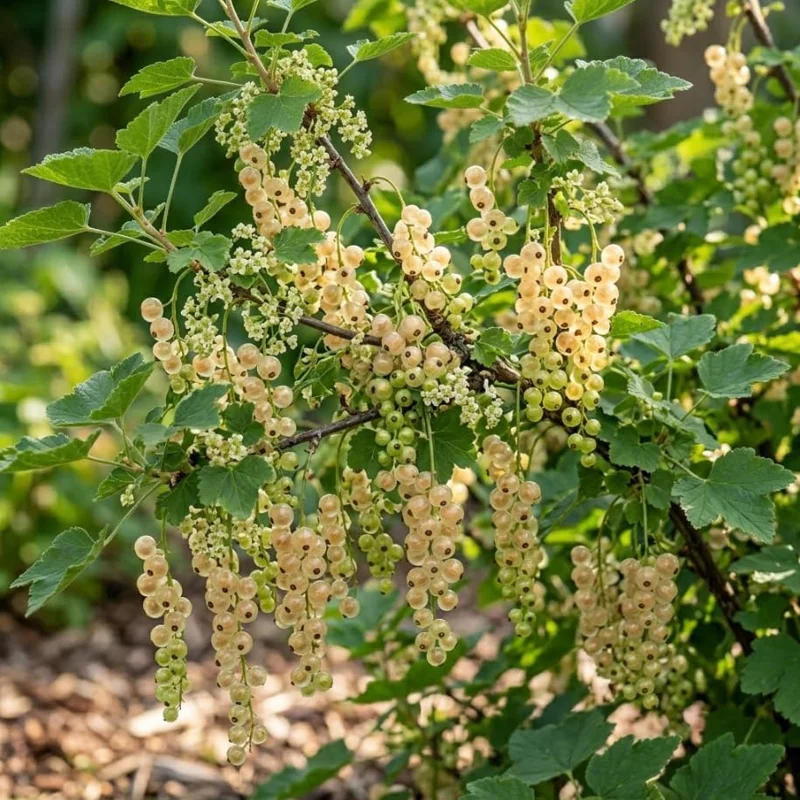
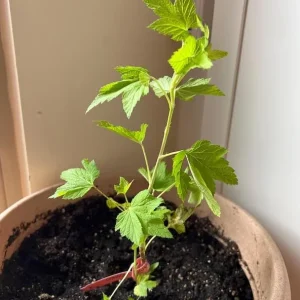
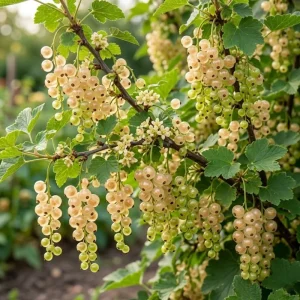
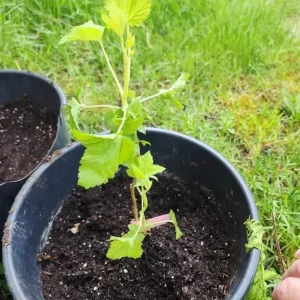
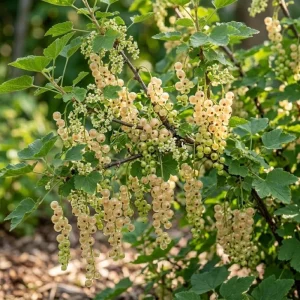
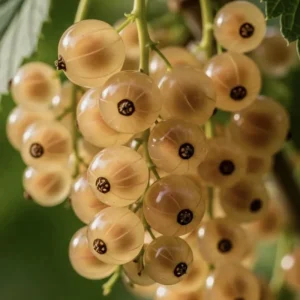
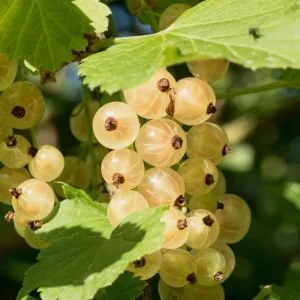
White Currant Live Plant – Cold Hardy Fruiting Shrub for Garden, 6-12″ Tall
Original price was: $56.98.$28.49Current price is: $28.49.
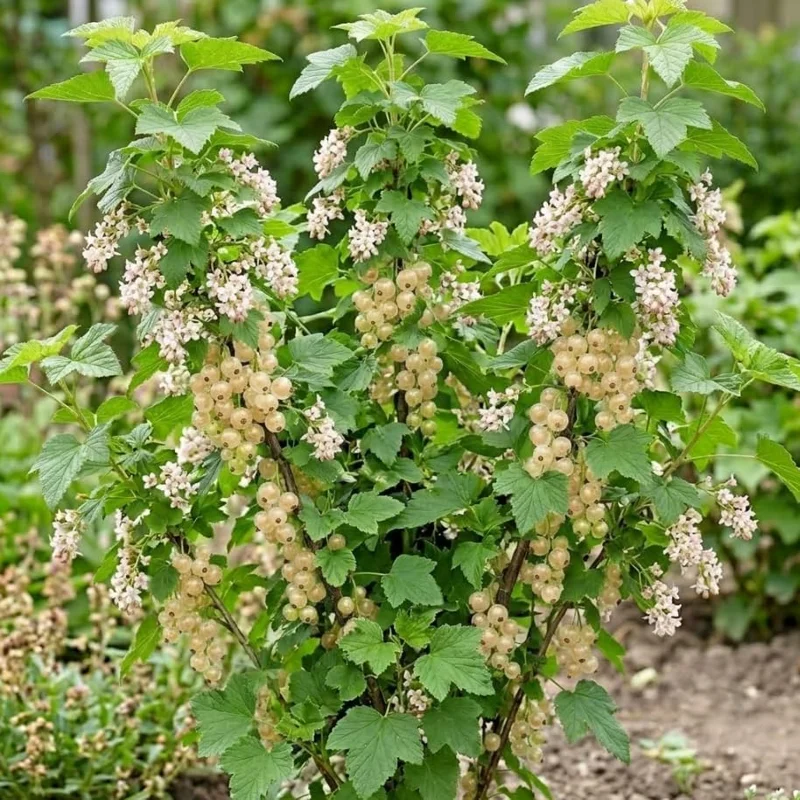
Bring home a delicious white currant live plant, perfect for fresh eating, jams, and desserts. This cold hardy currant is a low-maintenance, fruiting shrub for garden use, thriving in USDA Zones 3-8. Arrives as a 6-12 inch bare root plant, ready to establish quickly.
-
USDA Hardiness Zone
3-8 -
Soil Type
Well-draining, fertile soil rich in organic matter -
Sunlight Exposure
Full sun to partial shade -
Expected Planting Period
Early spring or late fall

You can track your order HERE
Sep 28
Oct 03 - Oct 05
Oct 08 - Oct 12
Shipping and return policies: Our Alive & Thrive Guarantee covers issues with your plants within the first 30 days. Reach out to us. Our team will answer your questions and help you find the plants that are truly suitable for your environment, climate, and personal preferences.

Overview
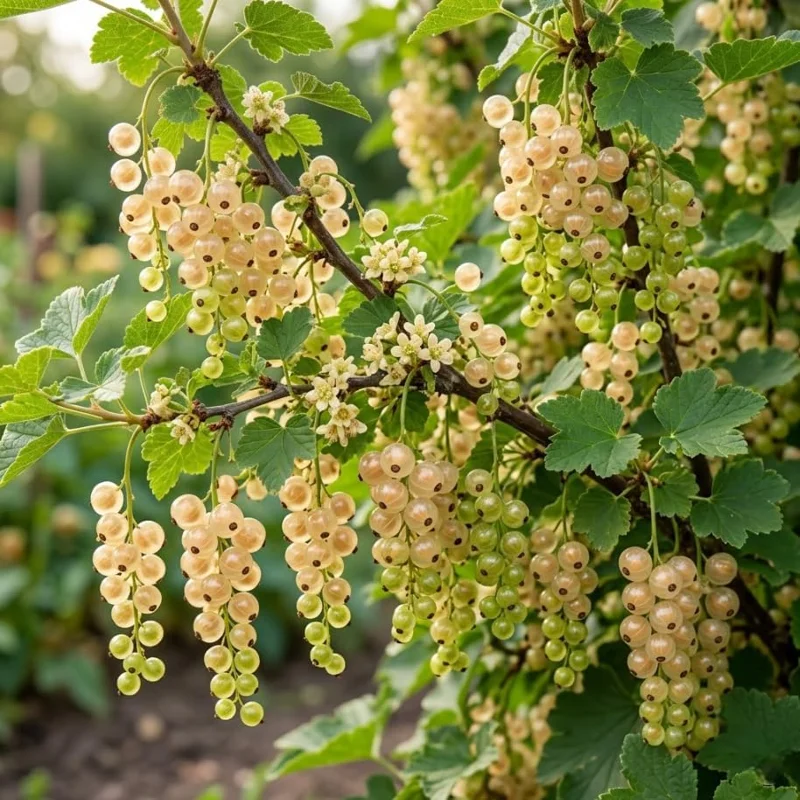
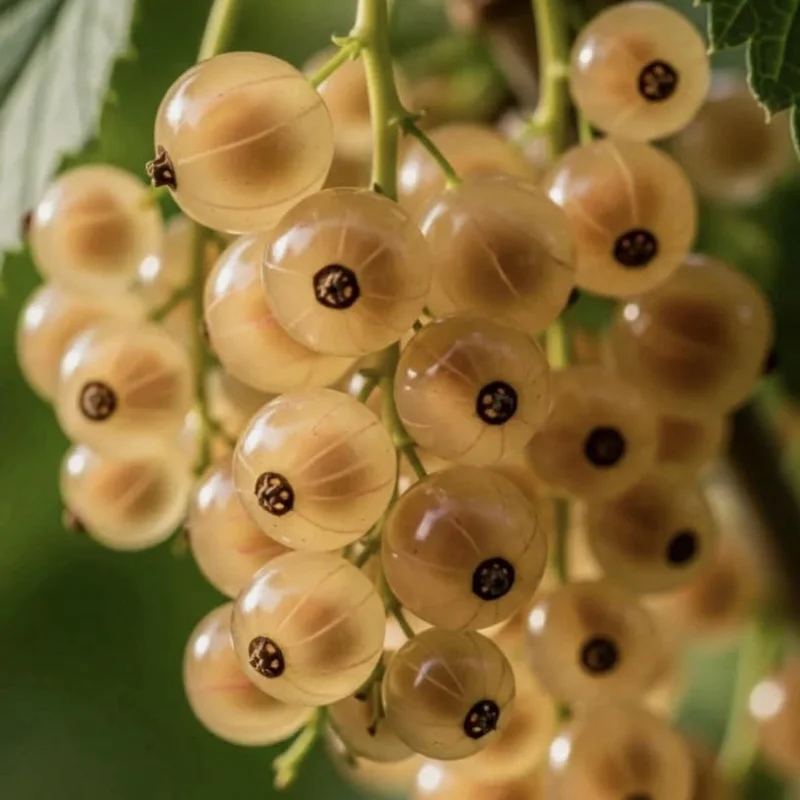
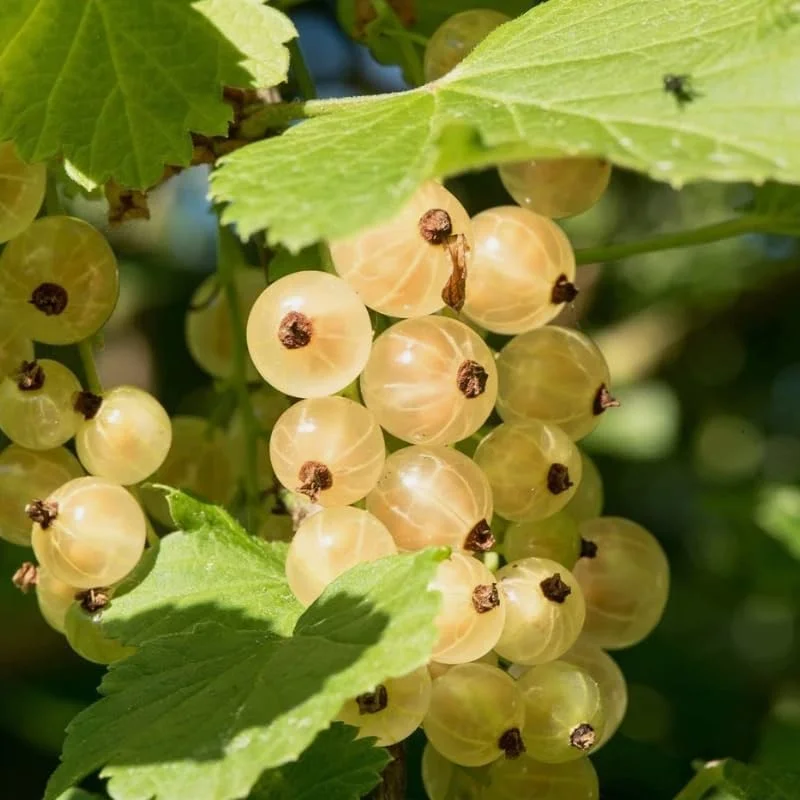
Introduce the delightful taste of home-grown fruit to your landscape with this exceptional white currant live plant. Scientifically known as Ribes rubrum ‘White Currant’, this vigorous and cold-hardy fruiting shrub is an ideal choice for both seasoned and beginner gardeners. Celebrated for its translucent, sweet-tart berries, the white currant offers a versatile culinary experience, perfect for enjoying fresh, crafting into jams and jellies, or incorporating into desserts. Our white currant live plant is shipped as a bare root plant with a robust root system, ensuring rapid establishment in your garden. This resilient shrub adapts well to various conditions, making it a dependable option for temperate climates and an excellent way to enrich your edible garden with a unique and productive fruit source. Currants are a classic garden fruit, admired for their delicious berries, attractive foliage, and manageable growth habit.
This particular variety of cold hardy currant has been specifically selected for its remarkable ability to withstand colder temperatures, promising a bountiful harvest even in challenging climates. You can plant it in traditional garden beds, integrate it into an attractive edible hedge, or cultivate it in large containers on your patio. The ease of care and generous yields make this white currant live plant an incredibly rewarding addition to any garden, providing years of fresh, healthy fruit.
Key Benefits
Adding a white currant live plant to your home garden offers a multitude of advantages. Beyond providing a steady supply of fresh, organic fruit, these shrubs are known for their hardiness and relatively low-maintenance nature, making them a smart choice for sustainable gardening. Explore the many benefits of growing your own white currants:
- Abundant Fruiting: Enjoy a prolific harvest of sweet, juicy white currants every season, ideal for culinary creations or simply snacking directly from the bush. This fruiting shrub for garden use is highly reliable in its production.
- Exceptional Hardiness: This variety is a truly cold hardy currant, flourishing across a wide range of USDA Zones from 3 to 8, making it suitable for many different climates.
- Easy to Grow: Requiring minimal attention once established, this shrub is an excellent choice for gardeners of all skill levels, simplifying how to grow currants successfully. Even beginners will find white currant care straightforward and rewarding.
- Versatile Use: Plant your white currant live plant in traditional garden beds, use it to create an attractive and edible hedge, or grow it in large containers to add both beauty and bounty to your patio or balcony.
- Nutritional Value: White currants are packed with essential vitamins, powerful antioxidants, and beneficial fiber, contributing significantly to a healthy diet straight from your backyard.
- Attractive Landscape Addition: Beyond its delicious fruit, the plant boasts appealing green foliage throughout the growing season, enhancing the ornamental value of your garden.
- Long-Lived Perennial: Once planted, this perennial shrub will continue to provide many years of delicious fruit with proper care, representing a sustainable and valuable investment for your edible landscape.
Plant Care & Growing Tips
Proper care is essential for ensuring a healthy and productive white currant live plant. While these plants are generally resilient, understanding their basic needs will help you achieve the best possible harvest. Follow these detailed guidelines for successful cultivation:
Sunlight Requirements: White currants prefer full sun to partial shade. For optimal fruit production, aim for at least 6 hours of direct sunlight per day. In hotter climates, providing some afternoon shade can be beneficial to prevent scorching of the leaves and fruit. Ensure your chosen planting site provides adequate light throughout the entire growing season.
Watering Schedule and Soil Moisture: It is crucial to keep the soil consistently moist, especially during the critical fruit development stage. Water deeply once or twice a week, adjusting frequency based on weather conditions and your specific soil type. Avoid allowing the soil to dry out completely, but also ensure excellent drainage to prevent waterlogging, which can lead to root rot. Regular moisture is key for a healthy fruiting shrub for garden enjoyment and successful white currant care.
Soil Type and Drainage: This adaptable plant thrives in well-draining, fertile soil that is rich in organic matter. An ideal pH range is slightly acidic to neutral (6.0-7.0). If you have heavy clay soil, it is highly recommended to amend it with compost or other organic materials to significantly improve drainage and aeration. This proactive step will greatly assist in the long-term health and productivity of your white currant live plant.
Temperature Range and USDA Hardiness Zone: This cold hardy currant is well-suited for USDA Hardiness Zones 3-8. It requires a specific period of cold dormancy during winter to effectively produce fruit. Once established, it can tolerate winter temperatures down to -40°F (-40°C). Protect young plants from extreme early frosts to ensure they thrive. Understanding these climate requirements is key to knowing how to grow currants successfully in your region.
Fertilization Schedule: Fertilize your white currant in early spring before new growth begins. Use a balanced, slow-release fertilizer or a granular fertilizer specifically formulated for fruit-bearing plants. Alternatively, a generous layer of well-rotted compost applied around the base of the plant can provide essential nutrients. Avoid over-fertilizing, especially with high-nitrogen fertilizers, as this can promote excessive leafy growth at the expense of fruit production.
Pruning: Prune your white currant in late winter or early spring while the plant is dormant. Focus on removing any dead, damaged, or diseased branches to maintain plant health. Thin out older, less productive stems to encourage new growth and improve air circulation within the bush. Currants produce most effectively on 2-3 year old wood, so aim to maintain a healthy balance of younger and slightly older canes. Proper pruning is essential for continued productivity and simplifies how to grow currants with success, ensuring a bountiful harvest from your white currant live plant.
Size & Details
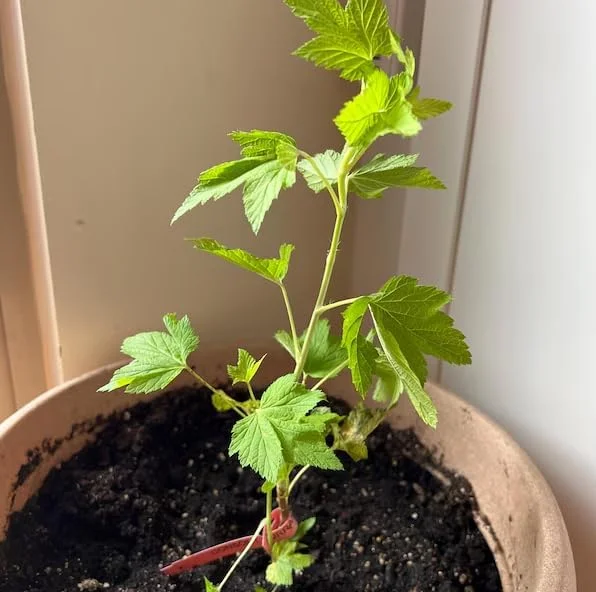
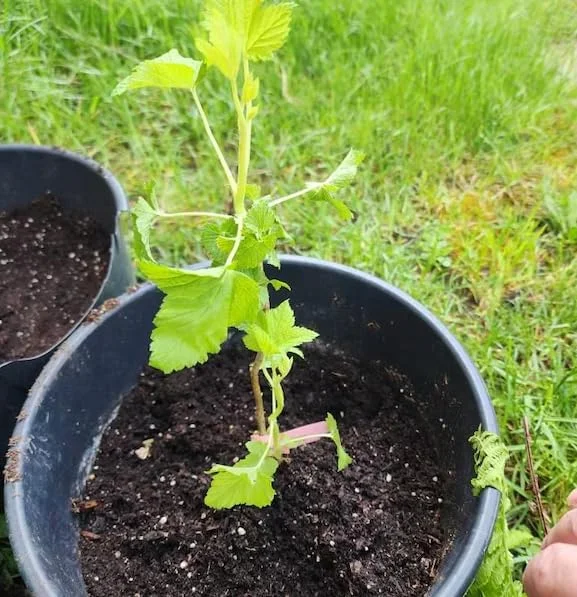
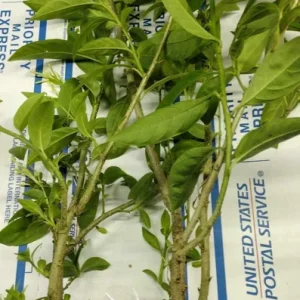
Your white currant live plant will arrive as a dormant bare root plant, typically measuring approximately 6-12 inches tall, depending on the season and its current growth stage. This presentation allows for easy establishment upon planting. Once mature and with proper white currant care, a white currant shrub can reach an expected height of about 4 feet with a similar spread, forming an attractive and highly productive bush. The growth rate is moderate, and with consistent care, you can typically expect fruit production within 1-2 years of planting. These shrubs are long-lived, providing many seasons of delicious berries. They are shipped without a pot, ready to be planted directly into your garden or a larger container, making it easy to integrate this fruiting shrub for garden into your landscape design.
Frequently Asked Questions
- Q: How big does this plant get? A: This white currant live plant typically grows to an expected height of about 4 feet tall with a similar spread when mature, creating a compact and productive bush in your garden.
- Q: What condition will the plant arrive in? A: Your plant will arrive as a dormant bare root plant, approximately 6-12 inches tall. This is the ideal state for planting and ensures strong root development once it’s in the ground, making it easier to begin how to grow currants.
- Q: Is this an indoor or outdoor plant? A: This is an outdoor fruiting shrub for garden use. It requires a period of dormancy in cold temperatures to produce fruit, making it unsuitable for year-round indoor growth. It truly is a cold hardy currant.
- Q: How much sunlight does it need? A: For the best fruit production, your white currant plant needs full sun, meaning at least 6 hours of direct sunlight per day. It can tolerate partial shade, but yields may be reduced when learning how to grow currants.
- Q: Is this plant easy to care for? A: Yes, white currants are considered easy-to-grow fruiting shrubs, making them suitable for beginners. They are quite forgiving once established, simplifying white currant care.
- Q: When is the best time to plant this white currant? A: The best time to plant bare root white currants is in early spring, after the danger of hard frost has passed, or in late fall before the ground freezes.
- Q: Will it survive winter in my zone? A: Absolutely! This is a very cold hardy currant, suitable for USDA Hardiness Zones 3 through 8, meaning it’s well-equipped to survive cold winters in a wide range of climates. Your white currant live plant will be fine.
- Q: What soil type does this plant prefer? A: It thrives in well-draining, fertile soil rich in organic matter. While adaptable, amending clay soils to improve drainage is recommended for optimal growth and better white currant care.
- Q: Can I use the white currants for cooking? A: Yes, white currants are excellent for culinary uses! They are delicious fresh, and also perfect for making jams, jellies, pies, sauces, and other desserts from your fruiting shrub for garden.
- Q: How long until it starts producing fruit? A: With proper care, your white currant live plant can start producing fruit within 1-2 years after planting, with increasing yields as the plant matures. This is a key aspect of understanding how to grow currants successfully.
Be the first to review “White Currant Live Plant – Cold Hardy Fruiting Shrub for Garden, 6-12″ Tall”
People Also Viewed
Sold 87 products
Original price was: $147.16.$73.58Current price is: $73.58.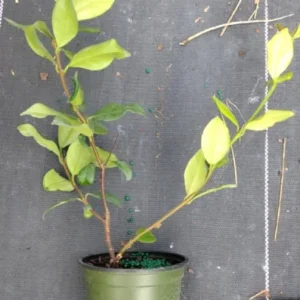


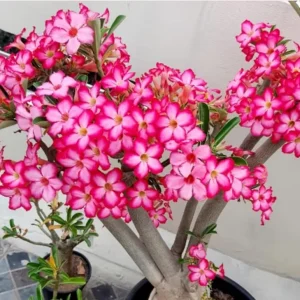
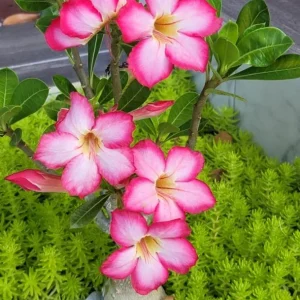
Succulents
Set of 2 Pink Desert Rose Live Plants (Adenium obesum) 4-6″ Tall – Indoor/Outdoor Flower Plant
Sold 99 products
Original price was: $51.78.$25.89Current price is: $25.89.



%20–%20Mediterranean%20Redbud%20Flowers,%20Hardy&url=https://gardennursery.net/product/judas-tree-seeds-cercis-siliquastrum-mediterranean-redbud-flowers-hardy/&media=https://img.gardennursery.net/2026/01/judas-tree-seeds-cercis-siliquastrum-mediterranean-d7ae0634.webp)


%20–%204-8″%20Tall%20–%20Attracts%20Monarch%20Butterflies&url=https://gardennursery.net/product/orange-milkweed-live-starter-plant-2-pack-4-8-tall-attracts-monarch-butterflies/&media=https://img.gardennursery.net/2026/01/orange-milkweed-live-starter-plant-2-pack-4-8-tall.webp)


%20–%2012-18%20Inches%20Tall,%20Outdoor&url=https://gardennursery.net/product/carolina-buckthorn-live-plant-frangula-caroliniana-12-18-inches-tall-outdoor/&media=https://img.gardennursery.net/2026/01/s-l1600-1768389804.webp)
%204-6″%20Tall%20–%20Indoor/Outdoor%20Flower%20Plant&url=https://gardennursery.net/product/set-of-2-pink-desert-rose-live-plants-adenium-obesum-4-6-tall-indoor-outdoor-flower-plant/&media=https://img.gardennursery.net/2026/03/set-of-2-pink-desert-rose-live-plants-adenium-obes-e3149aaf.webp)

Reviews
There are no reviews yet.