
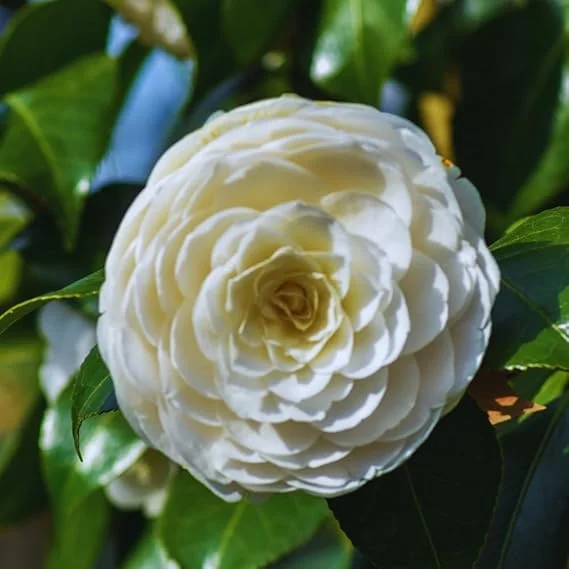
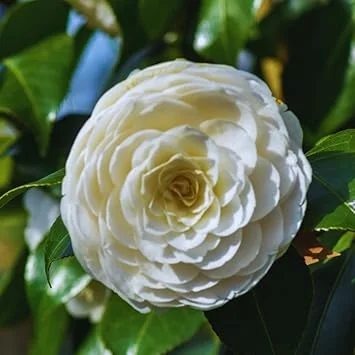
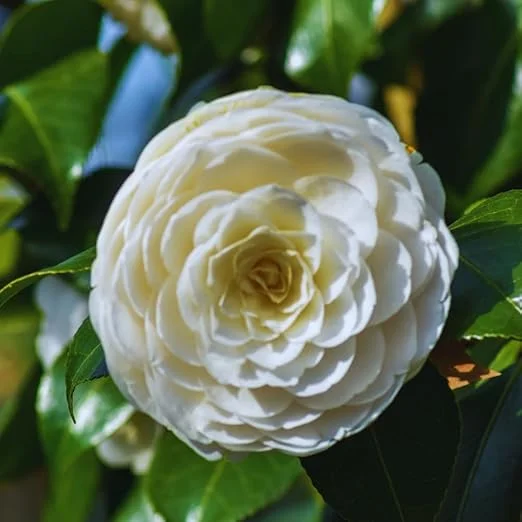
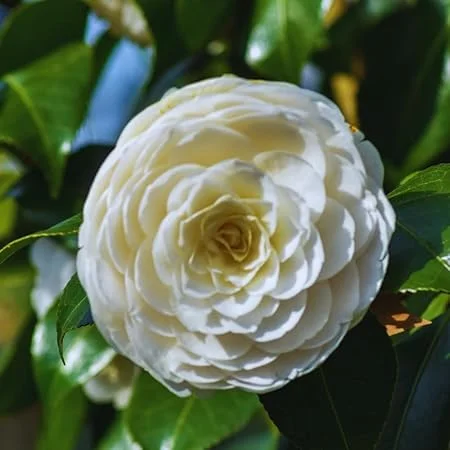
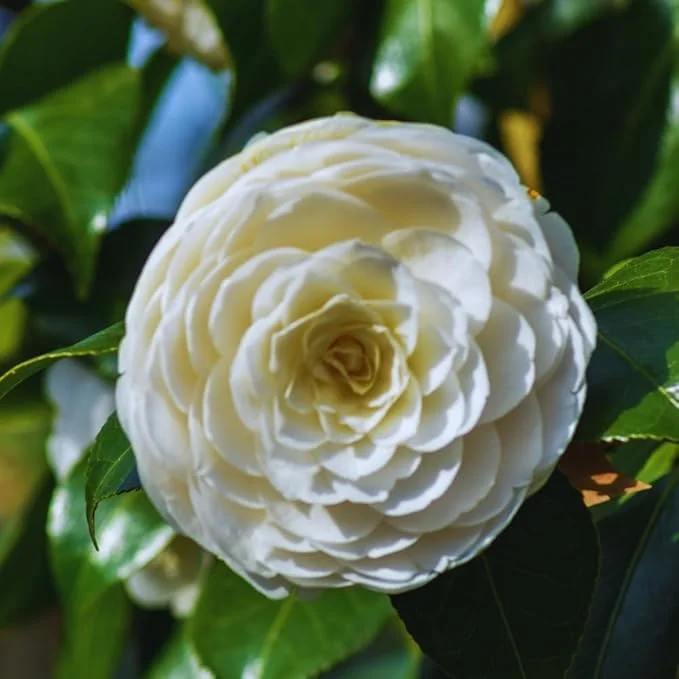
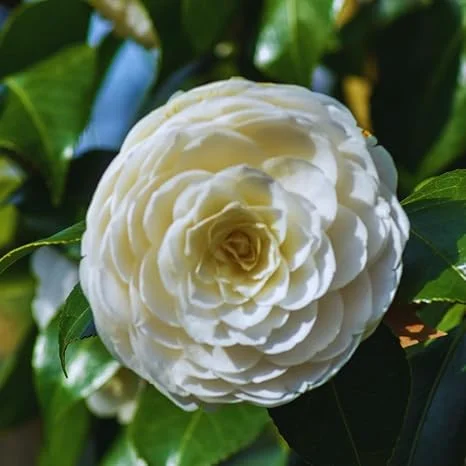
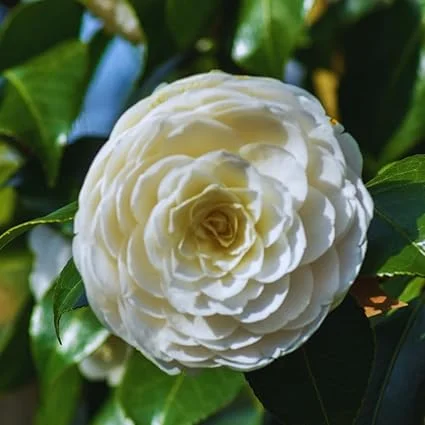
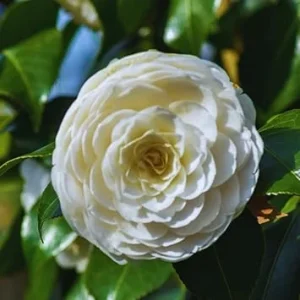
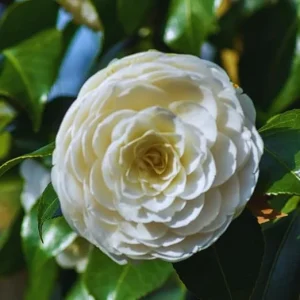
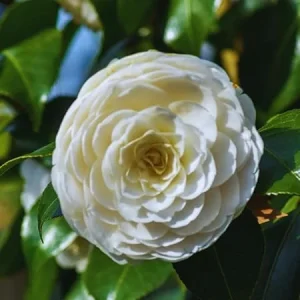
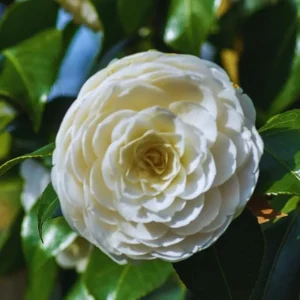
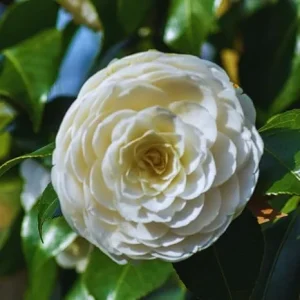
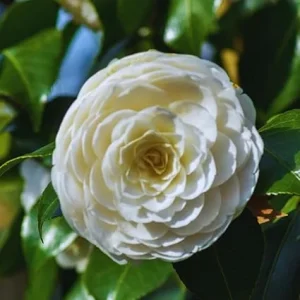
White Camellia Japonica Live Plant, 5-10 Inches Tall, Potted Bush, Outdoor
$61.36
Bring elegance to your garden with a white camellia live plant. This beautiful camellia japonica care is easy, offering stunning white blooms in late winter to early spring. Perfect for pots, containers, or garden beds.
-
USDA Hardiness Zone
6-9 -
Soil Type
Well-drained, acidic soil -
Sunlight Exposure
Partial to full shade -
Expected Planting Period
Fall or Spring

You can track your order HERE
Feb 14
Feb 19 - Feb 21
Feb 24 - Feb 28
Shipping and return policies: Our Alive & Thrive Guarantee covers issues with your plants within the first 30 days. Reach out to us. Our team will answer your questions and help you find the plants that are truly suitable for your environment, climate, and personal preferences.

Overview
Transform your outdoor space with a stunning white camellia live plant. This elegant Camellia Japonica is known for its exquisite white blooms that provide vibrant color during the colder months when most other plants are dormant. Arriving as a live, potted bush, typically 5 to 10 inches tall in a 4-inch pot, it’s ready to be planted in your garden, a larger container, or even enjoyed indoors in a bright spot. Camellias are cherished for their glossy evergreen foliage and their ability to thrive as a compact flower bush, making them a versatile choice for various landscape designs or patio accents. Its early blooming period makes it a highly anticipated addition to any plant collection, signaling the gradual arrival of spring with its pristine flowers.
The white camellia live plant is a true spectacle, offering a touch of classic beauty to any setting. Its robust nature and captivating blossoms make it a favorite among gardeners. Whether you’re looking to add a focal point to your yard or seeking a sophisticated potted plant for your patio, this Camellia Japonica is an excellent choice. Its ability to flourish in USDA Zones 6-9 further extends its appeal, ensuring many can enjoy its charm.
Key Benefits
Adding a Camellia Japonica to your garden or home offers numerous advantages beyond its visual appeal. This specific variety, the white camellia live plant, brings a unique set of benefits that make it a highly desirable choice for both novice and experienced gardeners:
- Stunning Winter Blooms: Enjoy beautiful white flowers from late winter to early spring, offering much-needed color and cheer during the colder, often drab, months. This characteristic makes it a standout feature in any landscape.
- Evergreen Foliage: The glossy, dark green leaves remain vibrant throughout the year, providing continuous visual interest even when the plant is not in bloom. This ensures your garden always has a touch of greenery.
- Versatile Planting Options: This compact flower bush is perfectly suited for a variety of settings. It thrives equally well in garden beds, large containers, or as a striking patio plant, allowing for flexible placement.
- Compact Growth Habit: Reaching a mature height of 3-5 feet, this camellia is ideal for smaller gardens, urban patios, or as a sophisticated indoor plant, fitting into various spaces without overcrowding.
- Durable and Resilient: Known for its hardiness, the white camellia live plant is a robust choice that can withstand a range of conditions, making it a reliable addition to your plant collection.
- Low Maintenance Beauty: Once established, Camellia Japonica requires relatively low maintenance, making it an excellent option for gardeners seeking beauty without constant upkeep. Understanding proper camellia japonica care ensures its longevity.
- Attracts Pollinators: Although blooming in cooler temperatures, the flowers can still attract early pollinators, contributing to the biodiversity of your garden ecosystem.
Plant Care & Growing Tips
Ensuring the health and vitality of your white camellia live plant involves understanding its specific needs. Camellias are generally robust plants, but a few key considerations will help them thrive and produce abundant blooms. Proper camellia japonica care begins with choosing the right location and providing consistent attention to its environmental requirements. This plant prefers a location that offers protection from harsh afternoon sun, especially in warmer climates, while still receiving adequate light to support flowering.
When it comes to sunlight, the Camellia Japonica prefers partial shade to full shade. In hotter regions, morning sun with afternoon shade is ideal. Avoid locations with intense, direct afternoon sun, which can scorch the leaves. For watering, consistent moisture is key, especially during dry spells and when the plant is establishing. The soil should be kept evenly moist but never waterlogged. Regular, deep watering is more beneficial than frequent shallow watering. Well-draining soil is crucial to prevent root rot. A slightly acidic soil (pH 5.5-6.5) is preferred, rich in organic matter. You can improve soil quality by incorporating compost or pine bark. Fertilize with a slow-release, acid-forming fertilizer specifically formulated for camellias or acid-loving plants, typically in early spring after blooming and again in mid-summer. Follow package instructions carefully to avoid over-fertilization. The plant is hardy in USDA Zones 6-9, meaning it can tolerate winter temperatures down to -10°F (-23°C) in zone 6. Protecting younger plants from severe frosts with a layer of mulch or burlap can be beneficial. Common problems include scale insects and camellia petal blight; monitoring your plant regularly and addressing issues promptly will help maintain its health. Understanding how to grow a healthy growing camellia bush is straightforward with these guidelines.
Size & Details
This white camellia live plant arrives as a vibrant, young specimen, ready to establish itself in your garden or container. Each plant is approximately 5 to 10 inches tall from the top of the soil and comes nestled in a 4-inch nursery pot. This size is ideal for safe shipping and allows for easy transplanting into its permanent location. At maturity, this Camellia Japonica variety typically grows into a compact flower bush, reaching an impressive height of 3 to 5 feet tall and a similar spread. Its moderate growth rate means you can enjoy its developing structure and increasing bloom production over time.
The plant is shipped as a live, rooted specimen with healthy foliage, ensuring it has the best chance to thrive upon arrival. Its compact nature makes it an excellent choice for various garden designs, including hedges, foundation plantings, or as a standalone specimen in a decorative pot. You can expect the first blooms to appear in late winter to early spring, with the plant continuing to flower for several weeks, providing a spectacular seasonal display. This particular outdoor flowering plant is cherished for its pristine white blossoms and robust growth habit.
Frequently Asked Questions
- Q: How big does this white camellia live plant get? A: This Camellia Japonica typically grows to a mature height of 3 to 5 feet tall and can spread a similar width, making it a compact yet impactful addition to your garden or patio.
- Q: What size pot does it come in? A: The plant is shipped in a 4-inch nursery pot, and the plant itself measures between 5 to 10 inches tall from the soil line, ready for transplanting.
- Q: Is this an indoor or outdoor plant? A: While it can be enjoyed indoors in a bright, cool location, the Camellia Japonica is primarily an outdoor flowering plant, thriving in garden beds or containers outdoors within its hardiness zones.
- Q: How much sunlight does it need? A: This camellia prefers partial to full shade. In hotter climates, morning sun with afternoon shade is ideal to protect its foliage from scorching.
- Q: Is this plant easy to care for? A: Yes, once established, the Camellia Japonica is relatively low-maintenance. Providing proper soil, consistent moisture, and appropriate light will ensure a healthy and beautiful growing camellia bush.
- Q: What condition will it arrive in? A: Your camellia will arrive as a live, healthy, rooted plant with vibrant foliage, carefully packaged to ensure its safe journey and readiness for planting.
- Q: How long until it blooms? A: Camellias typically bloom in late winter to early spring. If planted at the right time, you can expect blooms in subsequent seasons, depending on the plant’s maturity and establishment. This makes it a fantastic winter blooming camellia.
- Q: When is the best time to plant this camellia? A: The best time to plant is in the fall or spring, allowing the plant to establish its root system before extreme summer heat or winter cold.
- Q: Will it survive winter in my zone? A: This Camellia Japonica is hardy in USDA Zones 6-9. If you are within these zones, it should successfully overwinter with proper care and protection, especially when young.
- Q: What’s the minimum temperature it can tolerate? A: In USDA Zone 6, it can tolerate temperatures down to -10°F (-23°C), but young plants may benefit from winter protection in the colder parts of its range.
Be the first to review “White Camellia Japonica Live Plant, 5-10 Inches Tall, Potted Bush, Outdoor”
People Also Viewed
Sold 70 products
Original price was: $39.98.$19.99Current price is: $19.99.
Sold 78 products
Original price was: $39.94.$19.97Current price is: $19.97.
Sold 80 products
Original price was: $143.80.$71.90Current price is: $71.90.
Sold 75 products
Original price was: $39.98.$19.99Current price is: $19.99.

Sold 60 products
Original price was: $170.76.$85.38Current price is: $85.38.
Sold 76 products
$39.58
Sold 99 products
$63.78
Sold 85 products
Original price was: $45.98.$22.99Current price is: $22.99.
Sold 83 products
Original price was: $91.98.$45.99Current price is: $45.99.
Sold 54 products
Original price was: $37.98.$18.99Current price is: $18.99.

Sold 77 products
Original price was: $78.76.$39.38Current price is: $39.38.
Sold 73 products
Original price was: $18.76.$9.38Current price is: $9.38.
Sold 90 products
Original price was: $37.98.$18.99Current price is: $18.99.
Sold 87 products
Original price was: $55.96.$27.98Current price is: $27.98.
Sold 91 products
$44.00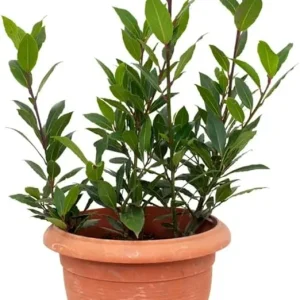
Herbs
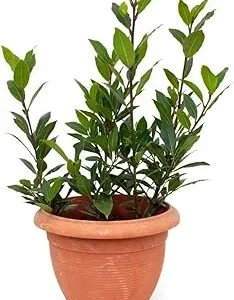
Bay Leaf Live Plant 8-12″ Tall – Sweet Bay Laurel, Laurus Nobilis, 4″ Pot, Indoor/Outdoor Herb Tree
Sold 63 products
Original price was: $39.98.$19.99Current price is: $19.99.
Sold 79 products
$59.38
Sold 68 products
Original price was: $39.96.$19.98Current price is: $19.98.


Reviews
There are no reviews yet.