
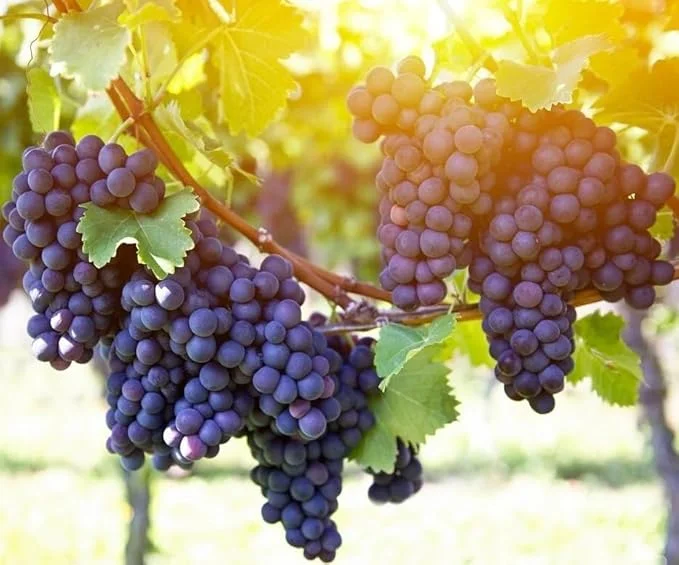
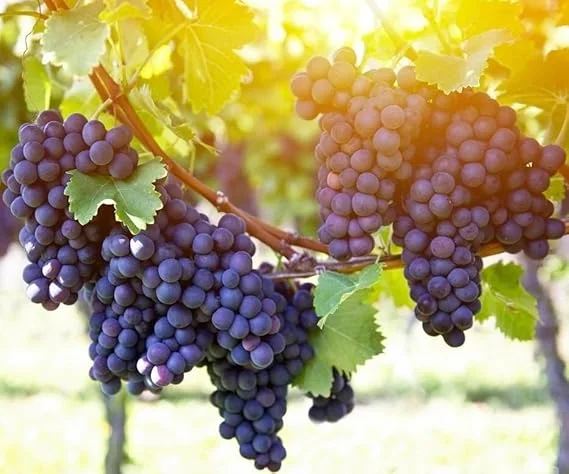
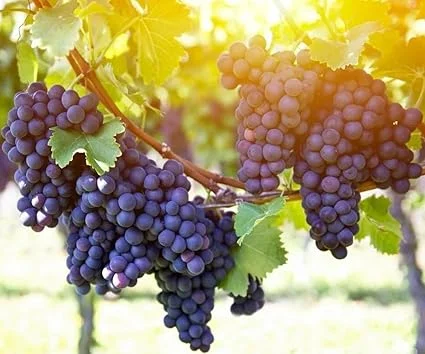
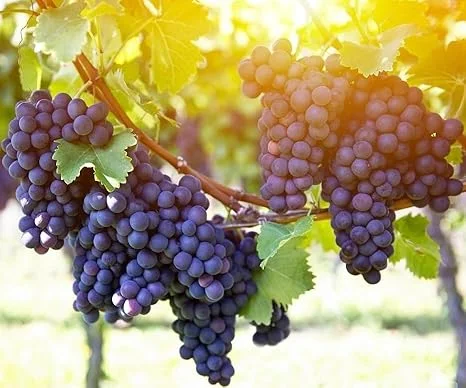
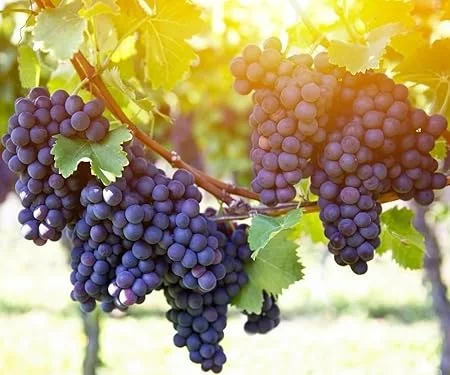
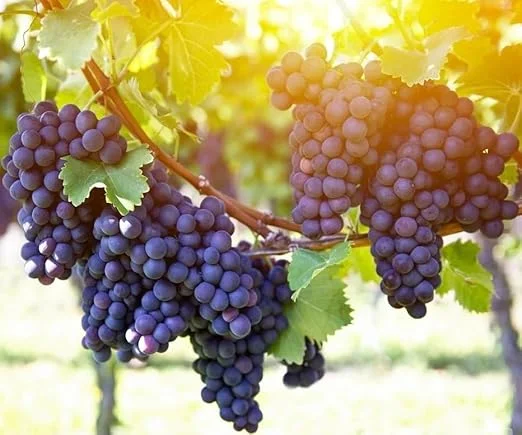
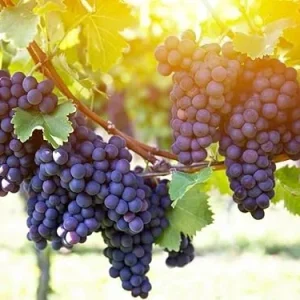
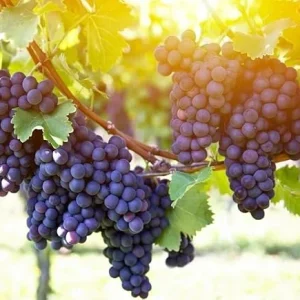
Venus Blue Black Seedless Grape Vine Live Plant – 2 Year Old, 2 Ft Tall, Outdoor
Original price was: $97.60.$48.80Current price is: $48.80.
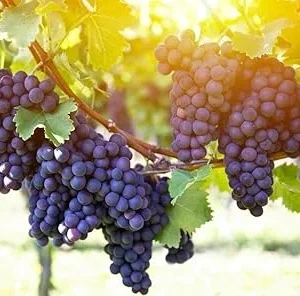
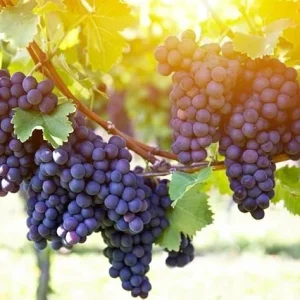
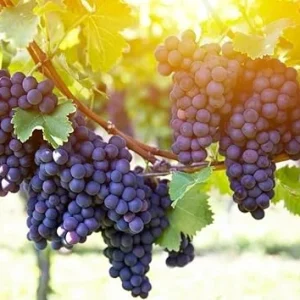
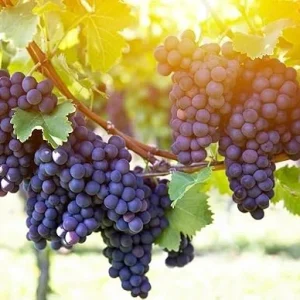
Cultivate your own sweet, juicy Venus grape vine live plant. This 2-year-old, 2-foot tall vine produces abundant blue-black, seedless grapes, perfect for eating fresh or making juice. Ideal for outdoor planting in USDA Zones 6-10, providing delicious fruit from spring to fall.
-
USDA Hardiness Zone
6-10 -
Soil Type
Loam Soil -
Sunlight Exposure
Full Sun -
Expected Planting Period
Late Fall or Early Spring

You can track your order HERE
Mar 24
Mar 29 - Mar 31
Apr 03 - Apr 07
Shipping and return policies: Our Alive & Thrive Guarantee covers issues with your plants within the first 30 days. Reach out to us. Our team will answer your questions and help you find the plants that are truly suitable for your environment, climate, and personal preferences.

Overview
Bring the joy of homegrown fruit to your garden with this vibrant Venus grape vine live plant. This robust 2-year-old vine is ready to establish itself and begin producing delicious, blue-black, seedless grapes. Known for their sweet flavor and abundant yields, Venus grapes are a fantastic choice for both novice and experienced gardeners. This particular variety, a hybrid of Vitis labrusca, is celebrated for its cold hardiness and disease resistance, making it a reliable addition to many landscapes. Imagine harvesting your own sweet grapes directly from your backyard, perfect for snacking, juicing, or making preserves. This live plant offers an excellent opportunity to enhance your outdoor space with both ornamental beauty and edible bounty.
The Venus grape vine live plant is a vigorous grower, quickly establishing a strong root system and climbing structure. Its lush green foliage provides an attractive backdrop throughout the growing season, before turning to beautiful autumnal hues. As a bare-root plant, it’s designed for optimal success when planted in late fall or early spring, ensuring it establishes well before the heat of summer or the deep cold of winter. With proper care, this grape vine will become a cherished part of your garden, offering years of productive growth and delicious harvests.
Key Benefits
Adding a Venus grape vine live plant to your garden offers a multitude of benefits, from aesthetic appeal to a bountiful harvest of delicious fruit. This versatile vine is a rewarding choice for any home gardener.
- Abundant Sweet Grapes: Enjoy a prolific harvest of sweet, juicy, blue-black seedless grapes. These grapes are perfect for fresh eating, making your own juice, or creating delicious jams and jellies right from your garden.
- Seedless Convenience: The seedless nature of Venus grapes makes them incredibly enjoyable for snacking and a favorite among children and adults alike, eliminating the hassle of spitting out seeds.
- Cold Hardy & Resilient: This variety is known for its excellent cold hardiness, thriving in USDA Zones 6-10. It also exhibits good resistance to common grape diseases, making it a relatively low-maintenance option for many climates. Cultivating a blue black seedless grape that can withstand various conditions is a significant advantage for home growers.
- Beautiful Ornamental Value: Beyond its fruit production, the Venus grape vine live plant provides attractive foliage that can be trained to cover arbors, pergolas, or fences, adding vertical interest and shade to your landscape. Its vibrant green leaves contribute to a lush garden aesthetic.
- Vigorous Growth: As a 2-year-old vine, it possesses a strong root system and is ready to establish quickly, offering quicker fruit production compared to younger plants. This fast growth allows you to enjoy harvests sooner.
- Supports Local Ecosystems: Growing your own fruit encourages biodiversity and provides a food source for beneficial insects and birds, contributing to a healthier garden ecosystem.
- Rewarding Gardening Experience: There’s immense satisfaction in nurturing a plant from vine to fruit. The process of growing Venus grapes is a fulfilling hobby that connects you with nature and provides a tangible reward.
Plant Care & Growing Tips
Caring for your Venus grape vine live plant is straightforward, and with a few key practices, you’ll ensure a healthy and productive vine. Grapes are sun-loving plants, so choose a location that receives at least 6-8 hours of direct sunlight daily. Full sun exposure is crucial for optimal fruit development and sweetness. Plant in well-draining soil, ideally a loam soil, which retains moisture but doesn’t become waterlogged. Good drainage is paramount to prevent root rot. If your soil is heavy clay, amend it generously with organic matter like compost to improve its structure and permeability.
When it comes to watering, your sweet grape plant requires moderate watering, especially during its first year of establishment and during dry spells. Water deeply and regularly, ensuring the soil remains consistently moist but not soggy. Once established, grape vines become more drought-tolerant but will still benefit from irrigation during prolonged dry periods, particularly when the fruit is developing. Support is vital for grape vines; provide a sturdy trellis, arbor, or fence for the vine to climb. Proper training and pruning are essential for managing growth, maximizing fruit production, and maintaining vine health. Prune your vine in late winter or early spring while it is dormant to remove dead or weak wood and to shape the plant.
Fertilization can be done in early spring with a balanced fertilizer, or one slightly higher in phosphorus and potassium to encourage fruiting. Avoid excessive nitrogen, which can promote leafy growth at the expense of fruit. Monitor your vine for common pests and diseases, and address them promptly with organic or chemical treatments as needed. The grape vine care routine, including proper pruning and pest management, will ensure a long and fruitful life for your plant. These grapes thrive in USDA Hardiness Zones 6-10, making them suitable for a wide range of climates. Plant bare-root vines in late fall or early spring when dormant for best results.
Size & Details
This offering is for one Venus grape vine live plant, which arrives as a robust 2-year-old bare-root vine. At the time of shipping, the plant typically measures around 2 feet in height, indicating a well-developed root system ready for planting. While the exact dimensions may vary slightly due to natural growth, the vine is prepared to quickly establish itself in your garden. When mature, a Venus grape vine can grow quite large, easily covering a trellis or arbor, with individual canes reaching lengths of 10-20 feet in a single season if not pruned. The expected plant height upon maturity, with proper support, can be several feet, creating a lush canopy.
The Venus variety is known for its moderate to fast growth rate, especially once established. You can typically expect your first significant harvest of blue black seedless grape fruit within 2-3 years of planting, with increasing yields in subsequent years. The grapes themselves are medium-sized, round to oval, and boast a delightful sweetness. This plant is shipped as a single unit, carefully packaged to ensure its health upon arrival, ready for immediate planting in your chosen outdoor location. Its inherent vigor makes growing Venus grapes a relatively easy and quick path to fresh fruit.
Frequently Asked Questions
- Q: How big does this plant get? A: This Venus grape vine live plant is a 2-year-old vine, approximately 2 feet tall upon arrival. With proper support and care, mature vines can easily grow to cover a large trellis or arbor, with individual canes reaching 10-20 feet in length annually, depending on pruning.
- Q: Is this an indoor or outdoor plant? A: This Venus grape vine is an outdoor plant, specifically bred for garden cultivation. It requires full sun exposure and is best suited for planting directly in the ground, where it can establish a robust root system.
- Q: How much sunlight does it need? A: For optimal growth and fruit production, your sweet grape plant needs full sun, which means at least 6-8 hours of direct sunlight per day. More sun generally leads to sweeter grapes.
- Q: Is this plant easy to care for? A: Yes, Venus grape vines are considered relatively easy to care for, especially due to their cold hardiness and disease resistance. Key care involves proper planting, regular watering during establishment, providing sturdy support, and annual dormant pruning.
- Q: What condition will it arrive in? A: Your Venus grape vine live plant will arrive as a bare-root plant, carefully packaged to ensure its health during transit. Bare-root plants are dormant and ready for planting upon arrival.
- Q: How long until it blooms and produces fruit? A: As a 2-year-old vine, it has a head start. You can typically expect your first significant harvest of blue black seedless grape fruit within 2-3 years of planting, with smaller yields potentially in the first year if conditions are ideal.
- Q: When is the best time to plant this grape vine? A: The best time to plant this bare-root grape vine is in late fall after the leaves have dropped or in early spring before new growth begins. This allows the roots to establish before extreme temperatures.
- Q: Will it survive winter in my zone? A: The Venus grape vine is known for its excellent cold hardiness and thrives in USDA Hardiness Zones 6-10. If you are within these zones, it should survive winter with appropriate care and mulching in colder areas of its range.
- Q: What type of soil is best for growing Venus grapes? A: This grape vine prefers well-draining soil, ideally a loam soil. If your soil is heavy clay, amend it with organic matter to improve drainage and aeration, which is crucial for healthy root development.
- Q: Do I need to provide support for the vine? A: Yes, providing sturdy support such as a trellis, arbor, or fence is essential for the Venus grape vine live plant. It’s a climbing plant and needs structure to grow upwards, which also helps with air circulation and fruit production.
Be the first to review “Venus Blue Black Seedless Grape Vine Live Plant – 2 Year Old, 2 Ft Tall, Outdoor”
People Also Viewed
Sold 87 products
Original price was: $27.98.$13.99Current price is: $13.99.
Sold 59 products
Original price was: $980.00.$490.00Current price is: $490.00.
Sold 86 products
Original price was: $359.60.$179.80Current price is: $179.80.
Sold 76 products
Original price was: $51.96.$25.98Current price is: $25.98.
Sold 73 products
From $83.80
Flower Plants
Sold 50 products
From $14.98
HousePlants
Lithops Live Plants Mix – 10 Large Colorful Living Stones Succulents for Indoor/Outdoor Growing
Sold 78 products
Original price was: $27.98.$13.99Current price is: $13.99.
Sold 94 products
Original price was: $39.98.$31.98Current price is: $31.98.
Sold 97 products
From $13.98
Flowers
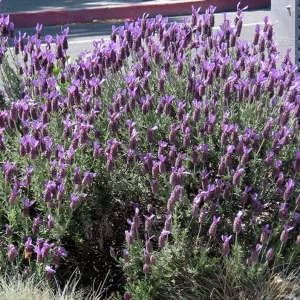
Set of 2 Spanish Eyes Lavender Live Plants – 4-6″ Tall – Fragrant Perennial Flowers – Indoor/Outdoor
Sold 67 products
Original price was: $36.38.$18.19Current price is: $18.19.
Flower Plants
Sold 85 products
Original price was: $27.98.$13.99Current price is: $13.99.
Sold 81 products
From $79.80
Sold 79 products
Original price was: $24.00.$19.20Current price is: $19.20.
Sold 57 products
Original price was: $74.36.$37.18Current price is: $37.18.
Sold 58 products
Original price was: $32.18.$16.09Current price is: $16.09.
Sold 52 products
Original price was: $36.38.$18.19Current price is: $18.19.
Sold 58 products
From $19.00
Sold 98 products
Original price was: $39.98.$19.99Current price is: $19.99.


Reviews
There are no reviews yet.