
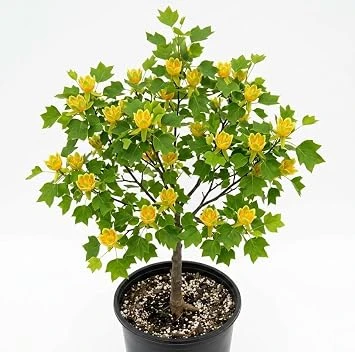
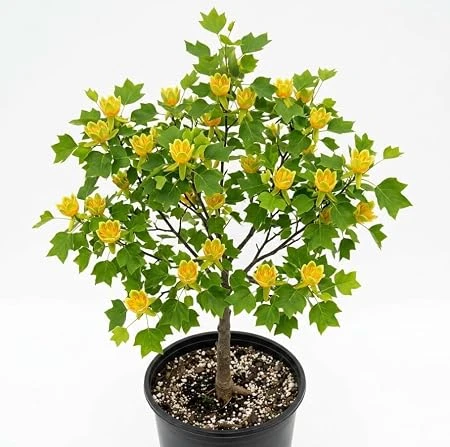
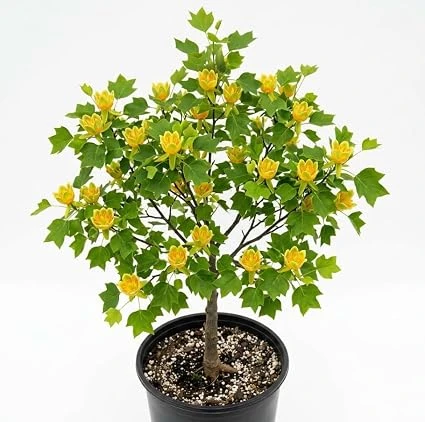
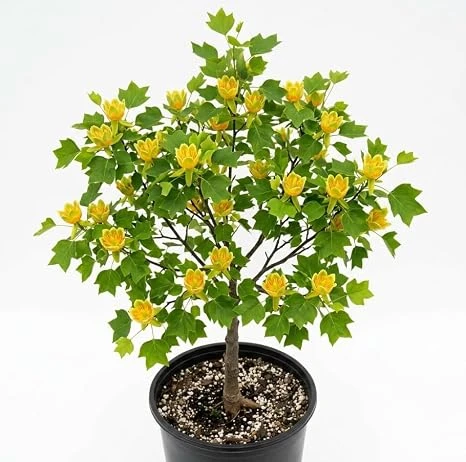
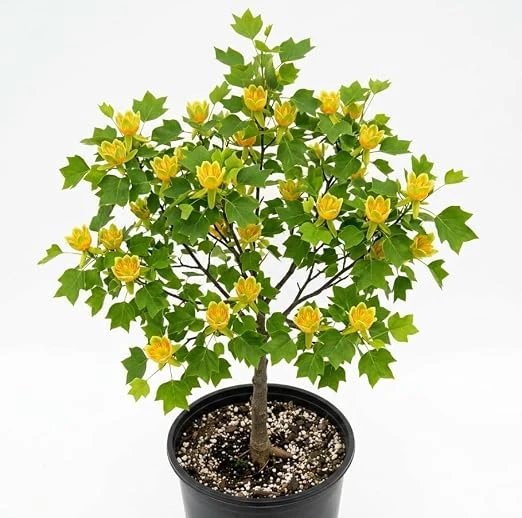
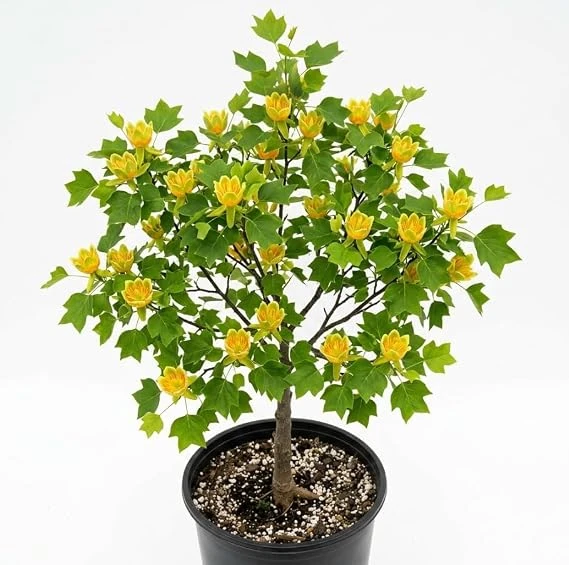
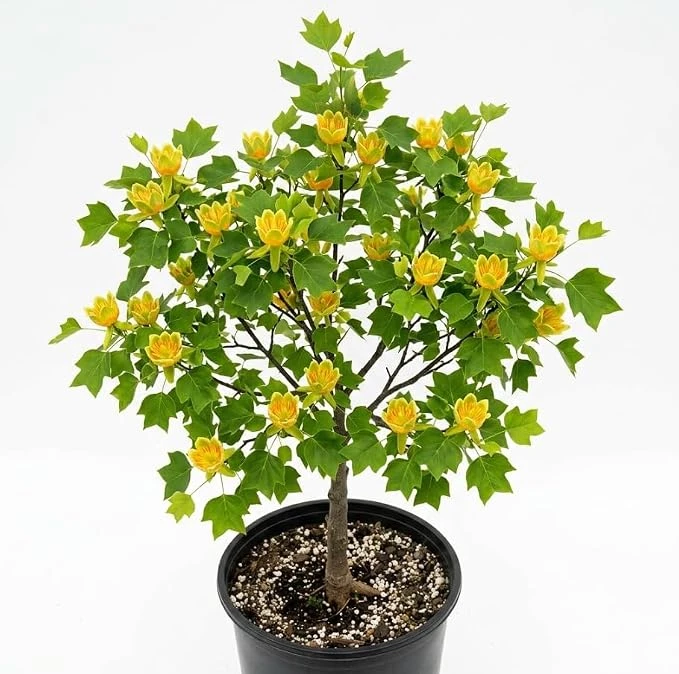
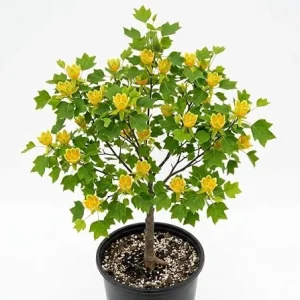
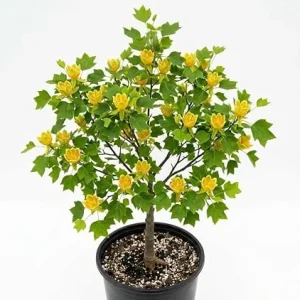
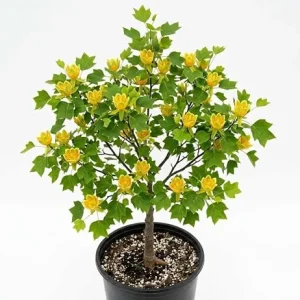
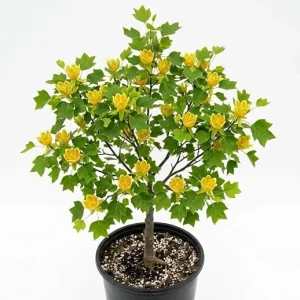
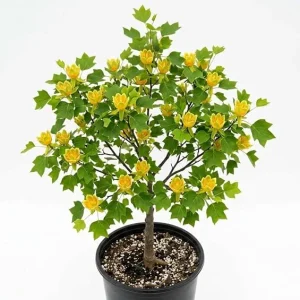
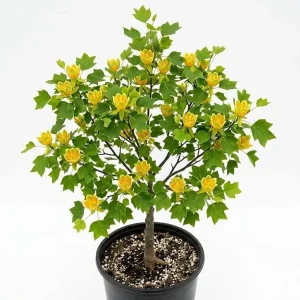
Tulip Poplar Trees Live Plant – Pack of 2 – Yellow Blossoms – 8-12″ Tall Potted
Original price was: $59.90.$29.95Current price is: $29.95.
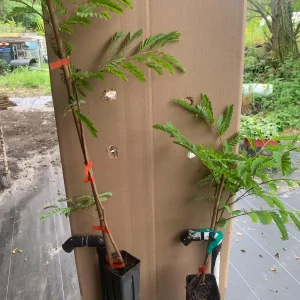
Enhance your landscape with a pack of two tulip poplar trees. These 8-12 inch tall live plants boast beautiful yellow, tulip-shaped blossoms and a rapid growth rate. Ideal for creating shade or as a striking specimen tree, they are hardy in USDA Zones 4-9 and thrive with minimal care once established. A perfect addition for a vibrant, year-round outdoor display.
-
USDA Hardiness Zone
USDA Zones 4-9 -
Soil Type
Moist, well-draining soil -
Sunlight Exposure
Full sun -
Expected Planting Period
Spring to Fall

You can track your order HERE
Oct 31
Nov 05 - Nov 07
Nov 10 - Nov 14
Shipping and return policies: Our Alive & Thrive Guarantee covers issues with your plants within the first 30 days. Reach out to us. Our team will answer your questions and help you find the plants that are truly suitable for your environment, climate, and personal preferences.

Overview
Transform your outdoor space with a pack of two vibrant tulip poplar trees, also known as Liriodendron tulipifera. These magnificent live plants arrive as robust seedlings, each measuring 8–12 inches tall and ready to establish deep roots in your garden. Renowned for their distinctive yellow, tulip-shaped blooms that emerge in late spring to early summer, these trees provide a spectacular floral display. Beyond their beautiful flowers, the tulip poplar plant is celebrated for its rapid growth and majestic stature, making it an excellent choice for creating natural shade or serving as a prominent focal point in any landscape design. Its striking foliage transitions to a brilliant golden yellow in autumn, ensuring year-round visual interest. This hardy and adaptable tree thrives across a wide range of climates and soil conditions, making it a beloved addition for gardeners seeking both beauty and resilience.
The tulip poplar trees are a native North American species, valued not only for their ornamental qualities but also for their ecological benefits, supporting local wildlife. These young trees are carefully nurtured in quart-sized containers, ensuring a healthy root system prepared for easy transplanting into your chosen location. Whether you’re an experienced gardener or just beginning, the ease of care and impressive growth habit of these trees make them a rewarding investment for any outdoor setting.
Key Benefits
Bringing tulip poplar trees into your garden offers a multitude of advantages, enhancing both the aesthetic and ecological value of your property. Their unique characteristics make them a standout choice for various landscaping needs.
- Stunning Floral Display: Enjoy the breathtaking sight of unique yellow, tulip-shaped blossoms that adorn the branches in spring and early summer, adding a touch of elegance and vibrant color to your landscape. This beautiful bloom is a hallmark of the yellow blossom tree.
- Rapid Growth and Shade Provision: Known for their impressive growth rate, these trees quickly develop into tall, stately specimens, providing ample shade and a cooling effect during warm months, making them an excellent fast growing shade tree option.
- Year-Round Visual Interest: Beyond their spring flowers, the large, distinctive leaves turn a brilliant golden yellow in the fall, offering a spectacular autumn show before dropping. The upright, architectural form of the tree also adds winter interest.
- Exceptional Hardiness and Adaptability: These resilient trees are well-suited for a wide range of growing conditions, tolerating various soil types and thriving in USDA Zones 4-9. They are a low-maintenance choice once established.
- Ecological Value: As a native species, the tulip poplar plant provides valuable habitat and nectar for pollinators, including bees and hummingbirds, contributing positively to local biodiversity.
- Versatile Landscape Use: Perfect as a specimen tree, a shade tree for large properties, or integrated into native landscape plantings, its tall, upright growth habit complements diverse garden styles.
- Easy to Establish: Arriving as healthy, potted seedlings, these trees are ready for easy transplanting, allowing them to quickly establish roots and begin their vigorous growth in your yard.
Plant Care & Growing Tips
Caring for your tulip poplar trees is straightforward, especially once they are established. These robust trees are known for their resilience, but providing optimal conditions during their initial growth stages will ensure a strong and healthy foundation. When selecting a planting site, consider the mature size of the tree; they can grow quite tall and wide, so ensure they have ample space away from structures and power lines. Dig a hole twice as wide as the root ball and just as deep, ensuring the top of the root ball is level with the ground. Backfill with native soil, gently tamping down to remove air pockets, and water thoroughly.
Sunlight requirements:Tulip poplar trees thrive in full sun, meaning they need at least six hours of direct sunlight per day to achieve their best growth and flowering. While they can tolerate partial shade, too much shade will result in sparser foliage and fewer blooms. Watering schedule: Young trees require consistent moisture. Water deeply 2-3 times a week during their first growing season, especially during dry periods. Once established, they are moderately drought-tolerant but will benefit from supplemental watering during prolonged dry spells. Avoid overwatering, which can lead to root rot. Soil type and drainage: These trees prefer moist, well-drained soil with a slightly acidic to neutral pH. They can adapt to a range of soil types, including clay, loam, and sand, as long as drainage is adequate. Incorporating organic matter at planting can improve soil structure and nutrient availability. Temperature range and USDA hardiness zone:Tulip poplar trees are hardy in USDA Zones 4–9, making them suitable for a wide range of climates across the United States. They are tolerant of both heat and cold within these zones. Fertilization schedule: Fertilize young trees in early spring with a balanced, slow-release granular fertilizer formulated for trees and shrubs. Follow package instructions for application rates. Established trees generally do not require regular fertilization unless soil tests indicate a nutrient deficiency. Common problems: While generally resistant to most pests and diseases, young trees can be susceptible to aphids or scale insects. Monitor your trees regularly and treat any infestations promptly with horticultural oil or insecticidal soap. Ensure good air circulation to prevent fungal issues.
Size & Details
This offering includes a pack of two (2) tulip poplar trees, each arriving as a healthy, live seedling. Each plant measures approximately 8–12 inches tall from the base of the soil to the tip of the highest growth. They are potted in individual quart-sized containers, providing a well-developed root system ready for successful transplanting into your garden. The tulip tree for sale here is a young specimen, offering the joy of watching it grow and mature over the years. These trees are known for their fast growth rate, typically adding 1-2 feet of height per year under ideal conditions, quickly developing into a substantial shade tree. Expect the first yellow, tulip-shaped blossoms to appear within 5-7 years, although vigorous growers may bloom earlier. They will eventually reach impressive heights of 70-90 feet with a spread of 30-50 feet at maturity, forming a grand, conical canopy.
These seedlings are shipped dormant or with young foliage depending on the season, ensuring they arrive in optimal condition for planting. The quart pot size makes them easy to handle and transplant, minimizing shock and encouraging rapid establishment. With proper care, these young trees will quickly become a cherished and iconic feature in your landscape, providing beauty and shade for decades to come.
Frequently Asked Questions
- Q: How big do these tulip poplar trees get? A: These seedlings arrive 8-12 inches tall in quart pots. At maturity, tulip poplar trees can reach impressive heights of 70-90 feet with a spread of 30-50 feet, making them a stately shade tree.
- Q: What size pot does the tulip poplar plant come in? A: Each tulip poplar plant is shipped in a quart-sized container, providing a healthy root system ready for transplanting into your garden.
- Q: Is this an indoor or outdoor plant? A: The tulip poplar trees are outdoor plants, ideally suited for landscaping in yards and larger spaces where they have room to grow to their mature size. They are not suitable for indoor cultivation.
- Q: How much sunlight does a tulip tree for sale need? A: These trees thrive in full sun, requiring at least 6 hours of direct sunlight per day for optimal growth and flowering. They can tolerate partial shade but may have fewer blooms.
- Q: Is this plant easy to care for? A: Yes, tulip poplar trees are relatively easy to care for, especially once established. They require consistent watering in their first year but become quite resilient and low-maintenance thereafter.
- Q: What condition will the trees arrive in? A: Your yellow blossom tree seedlings will arrive as healthy, live plants, either dormant or with young foliage depending on the time of year, carefully packaged to ensure their safe journey.
- Q: When is the best time to plant tulip poplar trees? A: The best time to plant tulip poplar trees is in early spring or fall when temperatures are moderate. This allows the roots to establish before extreme summer heat or winter cold.
- Q: How long until my tulip poplar trees bloom? A: While growth rate varies, you can generally expect your tulip poplar trees to begin producing their distinctive yellow, tulip-shaped blossoms within 5-7 years after planting.
- Q: Will these trees survive winter in my zone? A: Yes, these tulip poplar trees are hardy in USDA Zones 4-9, making them well-suited to survive winters across a broad range of climates in the United States.
- Q: What’s the minimum temperature these trees can tolerate? A: Being hardy in USDA Zone 4, these trees can tolerate winter temperatures down to approximately -30°F to -20°F (-34°C to -29°C) once established.
Be the first to review “Tulip Poplar Trees Live Plant – Pack of 2 – Yellow Blossoms – 8-12″ Tall Potted”
People Also Viewed


Sold 89 products
Original price was: $67.16.$33.58Current price is: $33.58.
















Reviews
There are no reviews yet.