
Top Hat Dwarf Blueberry Live Plant – Vaccinium angustifolium Bush – 4-6 Inch Starter
Original price was: $32.00.$25.60Current price is: $25.60.
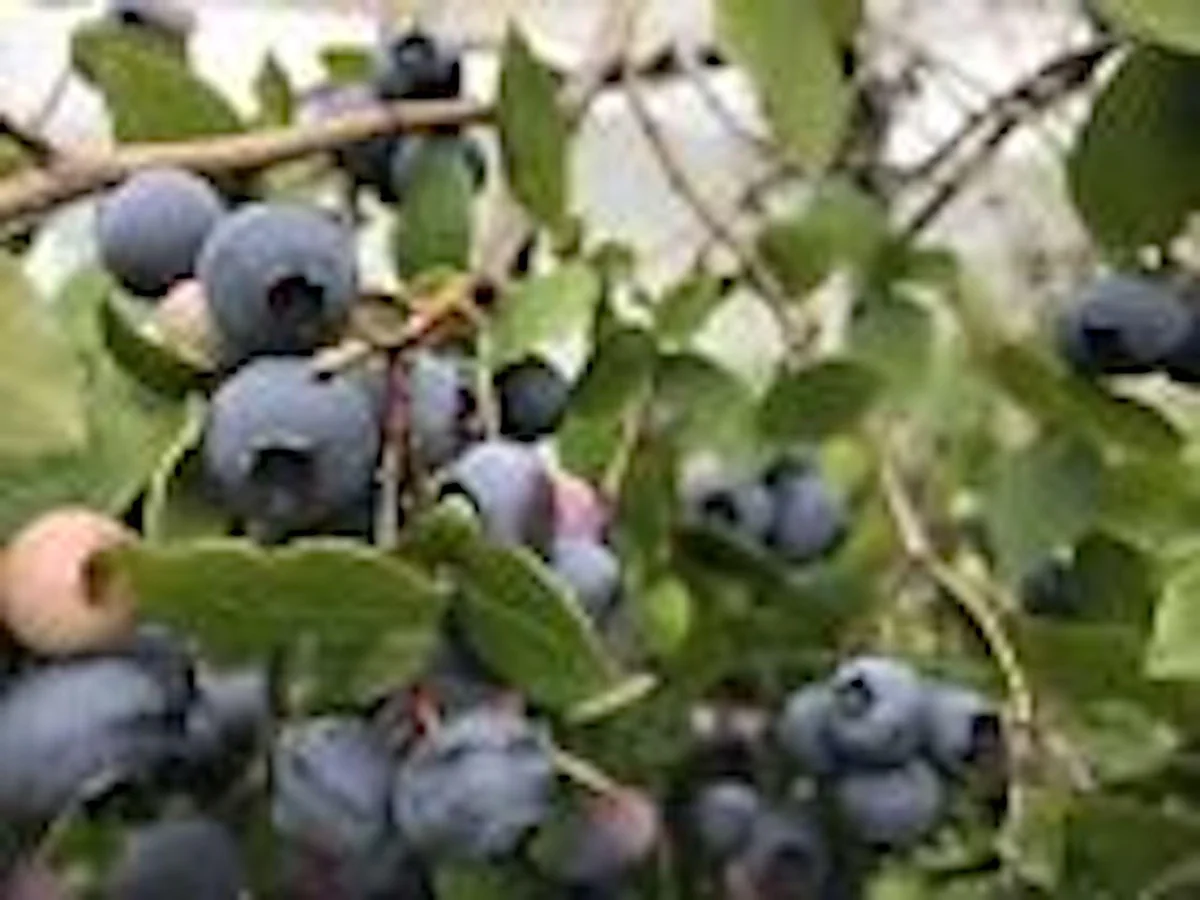
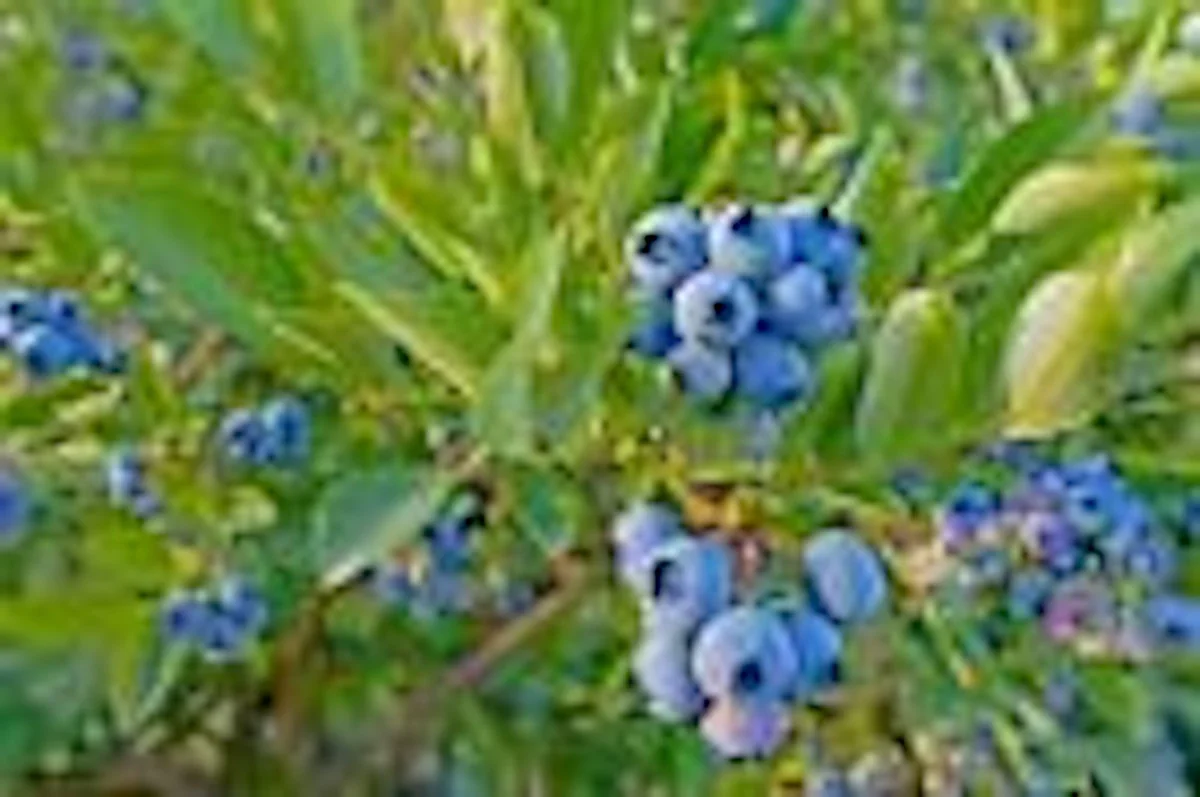
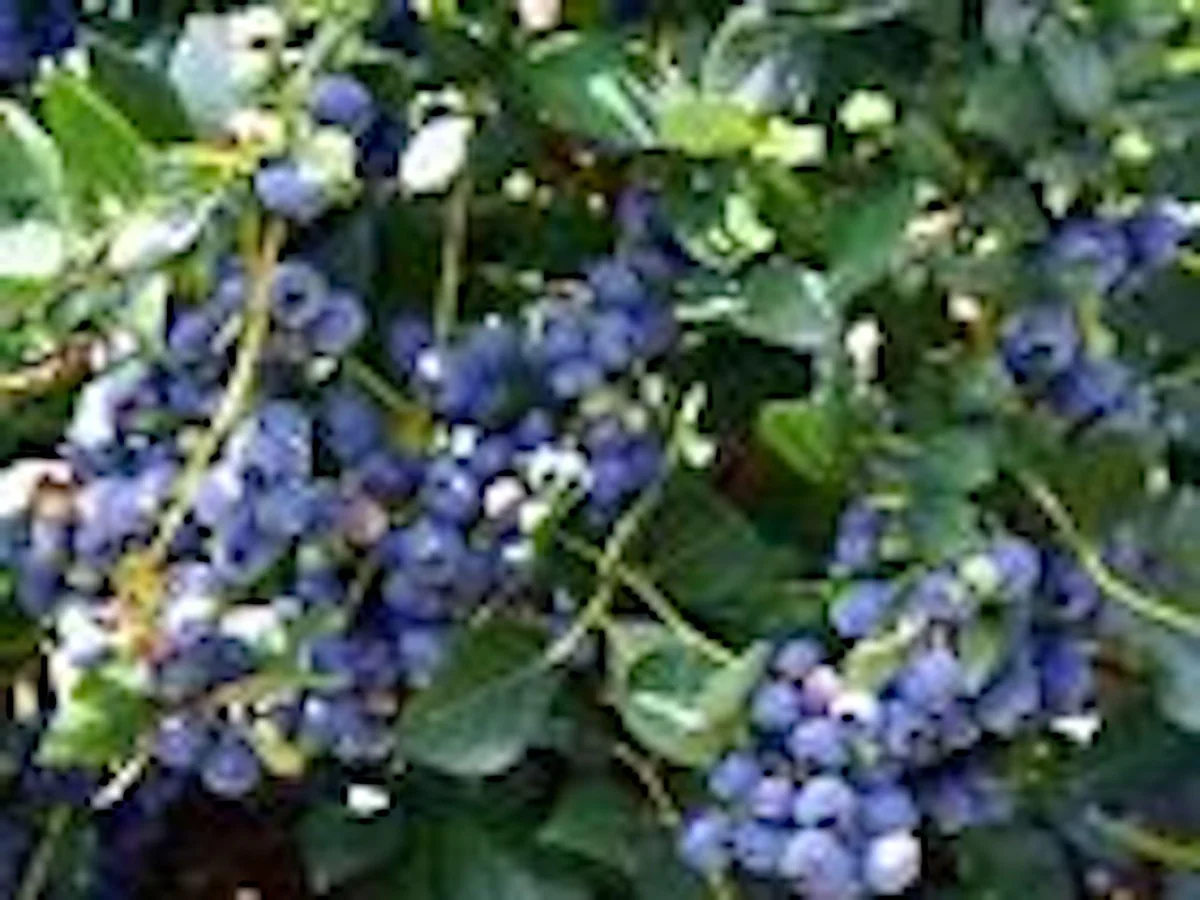
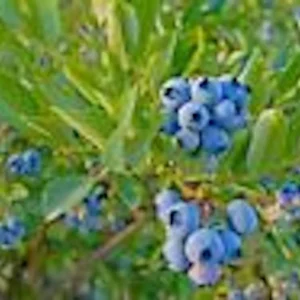
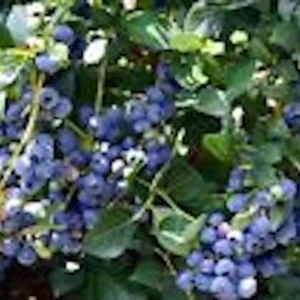
Cultivate your own sweet and tart berries with this Top Hat Dwarf Blueberry live plant. Perfect for container gardening, this compact dwarf blueberry bush care is easy and yields abundant, full-sized fruit. Enjoy beautiful whitish-pink blooms in spring followed by delicious summer blueberries. This edible fruit bush is ideal for small spaces and ornamental use.
-
USDA Hardiness Zone
USDA Zones 3-8 -
Soil Type
Well-draining, acidic soil (pH 4.0-4.5) -
Sunlight Exposure
Full sun (6-8 hours daily) -
Expected Planting Period
Early spring

You can track your order HERE
Feb 28
Mar 05 - Mar 07
Mar 10 - Mar 14
Shipping and return policies: Our Alive & Thrive Guarantee covers issues with your plants within the first 30 days. Reach out to us. Our team will answer your questions and help you find the plants that are truly suitable for your environment, climate, and personal preferences.

Overview
Bring the joy of fresh, homegrown blueberries to your garden with the Top Hat Dwarf Blueberry live plant. This exceptional variety, scientifically known as Vaccinium angustifolium plant, is renowned for its compact size and prolific yield of delicious, full-sized fruit. Originating from the lowbush blueberry species, the ‘Top Hat’ cultivar is a popular choice for both seasoned gardeners and beginners alike, especially those keen on container gardening. Its small stature, typically reaching 1 to 2 feet in height and spread, makes it an ideal candidate for patios, balconies, or even as an attractive ornamental in your landscape. Each Top Hat Dwarf Blueberry live plant arrives as a perfectly healthy starter, ready to be planted and begin its journey towards providing you with abundant harvests.
The ‘Top Hat’ blueberry is not just about fruit; it’s also a beautiful addition to any space. In spring, it graces your garden with charming bell-shaped flowers of a delicate whitish-pink hue, which then transform into a bountiful crop of blueberries by summer. These berries are celebrated for their sweet, rich flavor with a distinctive tart, wild blueberry essence, making them perfect for eating fresh, baking, or preserving. Its adaptability and ease of cultivation underscore why the Top Hat Dwarf Blueberry live plant is a fantastic choice for anyone looking to enjoy fresh, organic fruit right from their home.
Key Benefits
The Top Hat Dwarf Blueberry live plant offers a multitude of advantages, blending aesthetic appeal with practical benefits. Its compact nature and high yield make it a standout choice for various gardening styles.
- Abundant Edible Fruit: This edible fruit bush produces round, full-size, firm, and flavorful blueberries in abundance, allowing you to enjoy fresh, organic fruit directly from your garden. The berries have a delightful balance of sweetness and tartness.
- Ideal for Container Gardening: Due to its small size and ease of care, the Top Hat is a preferred choice for starting fruit container gardening. It thrives in pots, making it perfect for patios, balconies, or small yards where space is limited.
- Ornamental Appeal: Beyond its fruit-bearing capabilities, the Top Hat Dwarf Blueberry live plant offers significant ornamental value. Its beautiful bell-shaped whitish-pink blooms in spring and lush green foliage provide visual interest throughout the growing season, akin to a bonsai.
- Compact Growth Habit: Growing only 1 to 2 feet tall and spreading equally wide, this dwarf blueberry bush care is manageable and fits well into mixed borders, rock gardens, or as a charming low hedge.
- Easy to Grow: Known for its resilience and relatively low maintenance requirements, even novice gardeners can achieve success with this blueberry variety. Proper soil preparation and consistent watering are key to a thriving plant.
- Health Benefits: Blueberries are packed with antioxidants and vitamins, contributing to a healthy diet. Growing your own ensures you have access to fresh, nutritious produce.
Plant Care & Growing Tips
Ensuring the success of your Top Hat Dwarf Blueberry live plant involves understanding its specific needs for sunlight, soil, and watering. These plants thrive when their environmental preferences are met, leading to a healthy, productive bush. The key to successful dwarf blueberry bush care lies in providing the right conditions from the start.
Sunlight Requirements: Top Hat Dwarf Blueberries prefer full sun, meaning at least 6-8 hours of direct sunlight per day for optimal fruit production. While they can tolerate partial shade, fruit yield may be reduced. For container plants, ensure they receive ample light by placing them in a sunny location on your patio or balcony.
Soil & Watering: This Vaccinium angustifolium plant requires well-drained, acidic soil with a pH between 4.0 and 4.5. Mixing compost, peat moss, leaf mold, or manure can significantly enhance soil richness and acidity. For container growing, select pots with adequate drainage holes and use a specialized acidic potting mix. Keep the soil consistently moist but never waterlogged. Blueberries have shallow root systems, so they are sensitive to drought. Regular watering, especially during dry spells and fruit development, is crucial. Avoid using hard water, as it can raise the soil pH over time.
Temperature & Fertilization: The Top Hat Dwarf Blueberry is hardy in USDA zones 3-8. It requires a period of winter chill to produce fruit. During the growing season, a balanced acidic fertilizer formulated for blueberries or acid-loving plants can be applied in early spring and again in late spring. Avoid fertilizers containing nitrates, which can be harmful to blueberries. Pruning is generally minimal for dwarf varieties; remove any dead or weak branches in late winter to early spring to encourage new growth and maintain shape. This careful approach to dwarf blueberry bush care will ensure a thriving and fruitful plant.
Size & Details
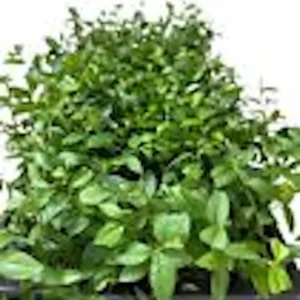
Your Top Hat Dwarf Blueberry live plant will arrive as a healthy starter plant, typically measuring 4-6 inches tall. These plants are shipped bare root, meaning they are carefully packaged without soil or a pot to ensure safe transit and readiness for planting upon arrival. The ‘Top Hat’ variety is known for its compact growth habit, reaching a mature height of 1 to 2 feet and spreading equally across. This makes it an excellent choice for smaller gardens, raised beds, or container culture, providing a generous harvest within a limited space. Expect your plant to begin producing fruit within 1-2 years of planting, with increasing yields as it matures.
This edible fruit bush is a relatively slow-growing plant initially but establishes well once planted in appropriate conditions. Its small stature and dense branching contribute to its ornamental appeal, resembling a miniature shrub. The roots are shallow, emphasizing the need for consistent moisture. With proper care, your Vaccinium angustifolium plant will provide years of delicious blueberries and beautiful seasonal interest.
Frequently Asked Questions
- Q: How big does this Top Hat Dwarf Blueberry live plant get? A: The Top Hat Dwarf Blueberry live plant typically grows to a compact size of 1 to 2 feet in height and spreads 1 to 2 feet across, making it ideal for small spaces and containers.
- Q: Is this an indoor or outdoor plant? A: This is primarily an outdoor plant that requires a winter chill period for fruit production. However, it can be grown in containers and moved indoors to a cool, protected area during extreme winter conditions in colder zones.
- Q: How much sunlight does the dwarf blueberry bush need? A: For optimal fruit production, the dwarf blueberry bush care requires at least 6-8 hours of direct sunlight per day. It can tolerate partial shade, but fruit yield may be reduced.
- Q: Is this plant easy to care for? A: Yes, the Top Hat Dwarf Blueberry is considered relatively easy to care for, especially for a fruit-bearing plant. Its compact size and resilience make it suitable for beginners, provided its specific soil and watering needs are met.
- Q: What condition will the Top Hat Dwarf Blueberry live plant arrive in? A: Your Top Hat Dwarf Blueberry live plant will arrive as a healthy 4-6 inch starter plant, shipped bare root and ready for immediate planting.
- Q: How long until it produces fruit? A: With proper care, you can expect your Top Hat Dwarf Blueberry plant to begin producing fruit within 1-2 years after planting, with full production achieved in subsequent years.
- Q: Can I use this Vaccinium angustifolium plant for ornamental purposes? A: Absolutely! The compact size, attractive bell-shaped flowers, and lush foliage of this Vaccinium angustifolium plant make it an excellent choice for ornamental use in pots, rock gardens, or as a low border.
- Q: What type of soil does this edible fruit bush prefer? A: This edible fruit bush thrives in well-drained, acidic soil with a pH between 4.0 and 4.5. Incorporating peat moss or compost can help maintain the ideal soil conditions.
- Q: Will it survive winter in my zone? A: The Top Hat Dwarf Blueberry is hardy in USDA Zones 3-8, meaning it can tolerate cold winter temperatures within these zones. In colder zones, container plants may need winter protection.
- Q: What is the best time to plant this dwarf blueberry bush? A: The best time to plant your dwarf blueberry bush care is in early spring after the last frost, allowing it ample time to establish its root system before the heat of summer.
Be the first to review “Top Hat Dwarf Blueberry Live Plant – Vaccinium angustifolium Bush – 4-6 Inch Starter”
People Also Viewed
Sold 56 products
Original price was: $117.60.$58.80Current price is: $58.80.
Sold 57 products
Original price was: $19.16.$9.58Current price is: $9.58.
Sold 72 products
Original price was: $57.98.$28.99Current price is: $28.99.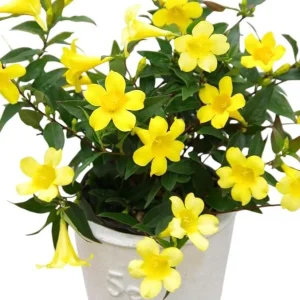
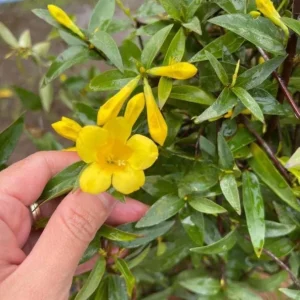
Vines
Carolina Yellow Jasmine Live Plant – Gelsemium Sempervirens Vine – 5-7 Inch Tall Starter Plant
Sold 59 products
Original price was: $45.99.$25.99Current price is: $25.99.
Sold 99 products
Original price was: $99.96.$49.98Current price is: $49.98.
Sold 61 products
From $67.80

Sold 77 products
Original price was: $188.00.$150.40Current price is: $150.40.
Sold 76 products
Original price was: $39.98.$19.99Current price is: $19.99.
Sold 81 products
From $5.98
Sold 88 products
Original price was: $47.96.$23.98Current price is: $23.98.
Sold 93 products
Original price was: $20.00.$16.00Current price is: $16.00.
Sold 96 products
Original price was: $43.99.$23.99Current price is: $23.99.
Sold 66 products
Original price was: $89.56.$44.78Current price is: $44.78.
Sold 84 products
Original price was: $46.99.$26.99Current price is: $26.99.
Sold 97 products
Original price was: $65.60.$32.80Current price is: $32.80.
Sold 57 products
Original price was: $97.60.$48.80Current price is: $48.80.
Sold 90 products
Original price was: $97.60.$48.80Current price is: $48.80.
Sold 64 products
$57.18


Reviews
There are no reviews yet.