
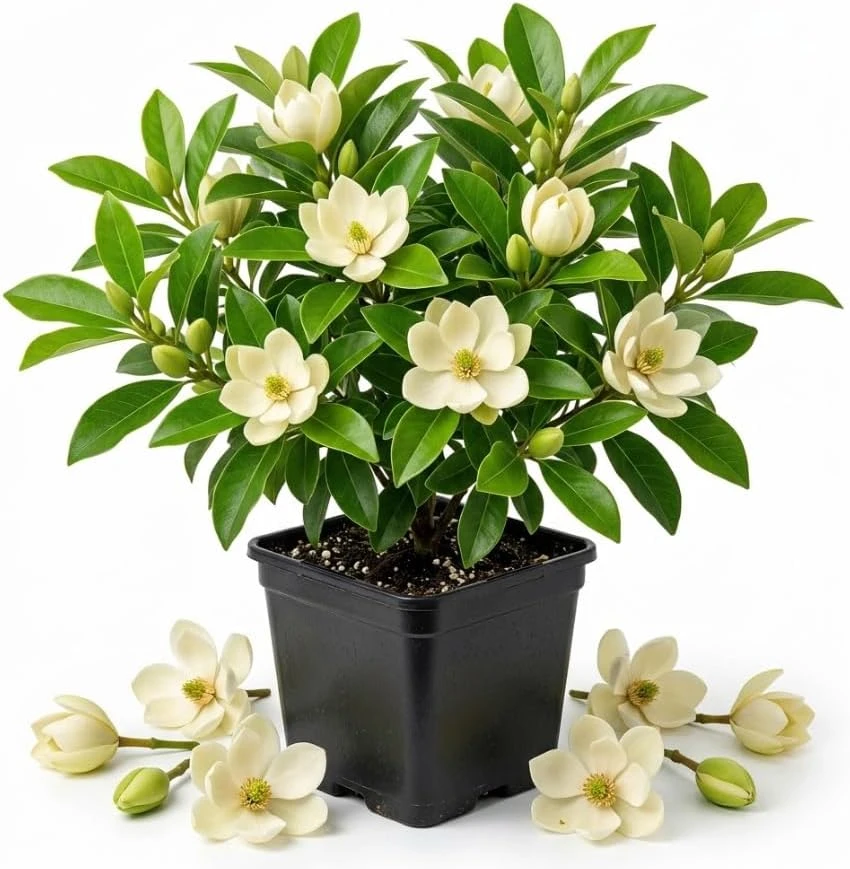
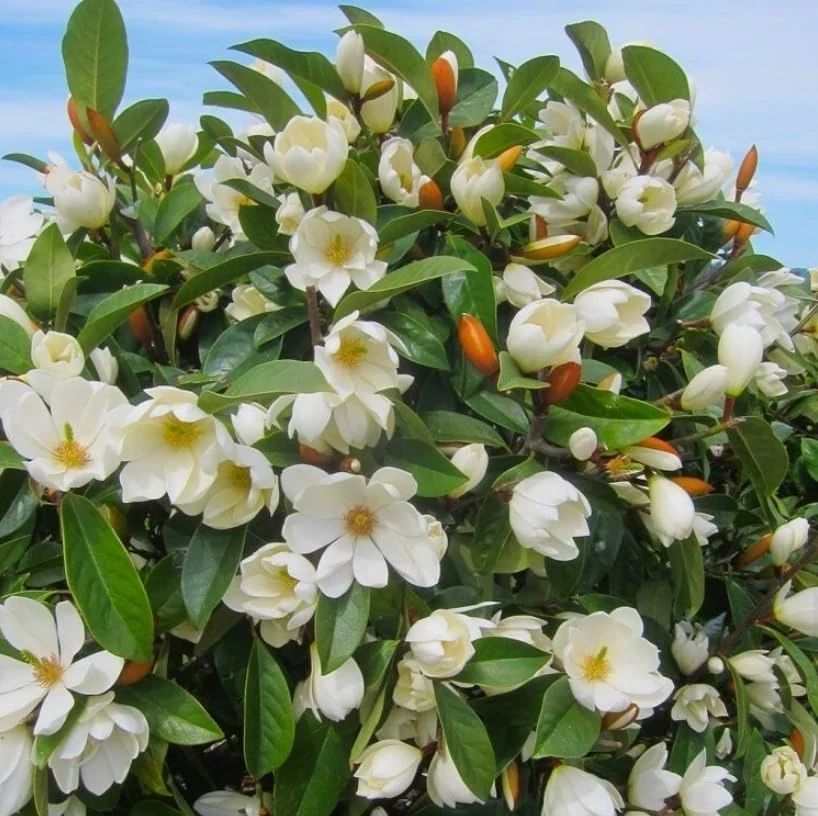
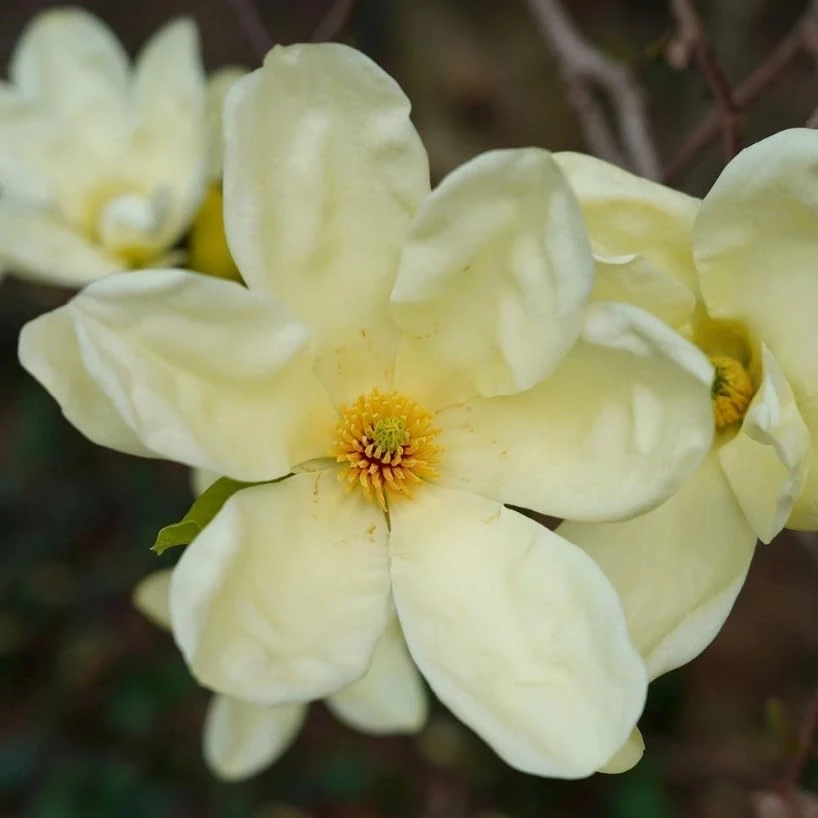
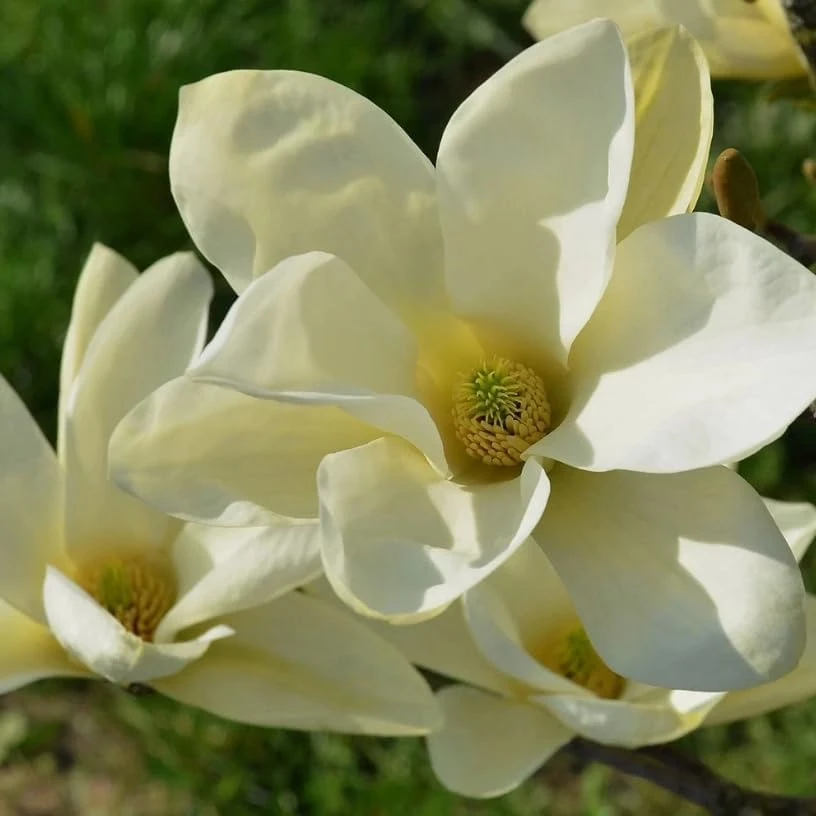
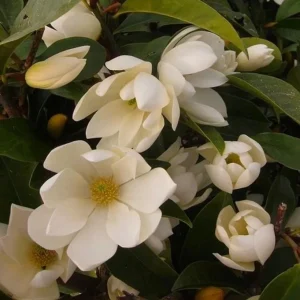
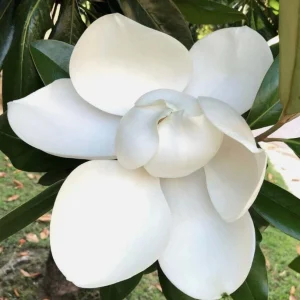
Sweetbay Magnolia Tree Live Plant – Fragrant White Flowers – 9-18″ Tall in Quart Pot
Original price was: $45.98.$22.99Current price is: $22.99.
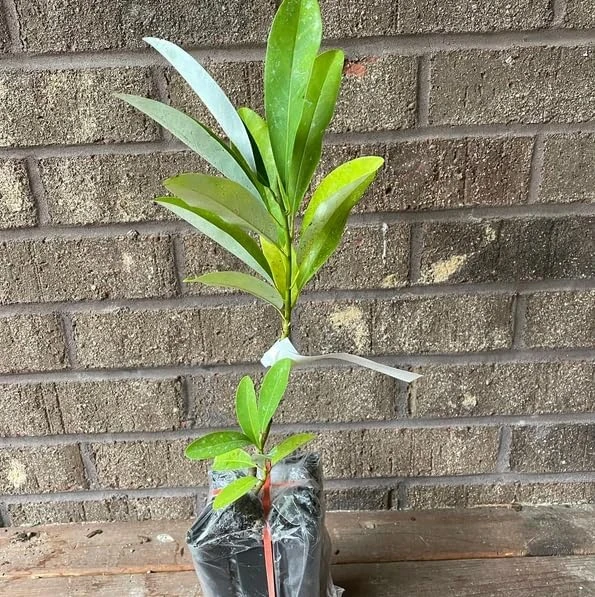
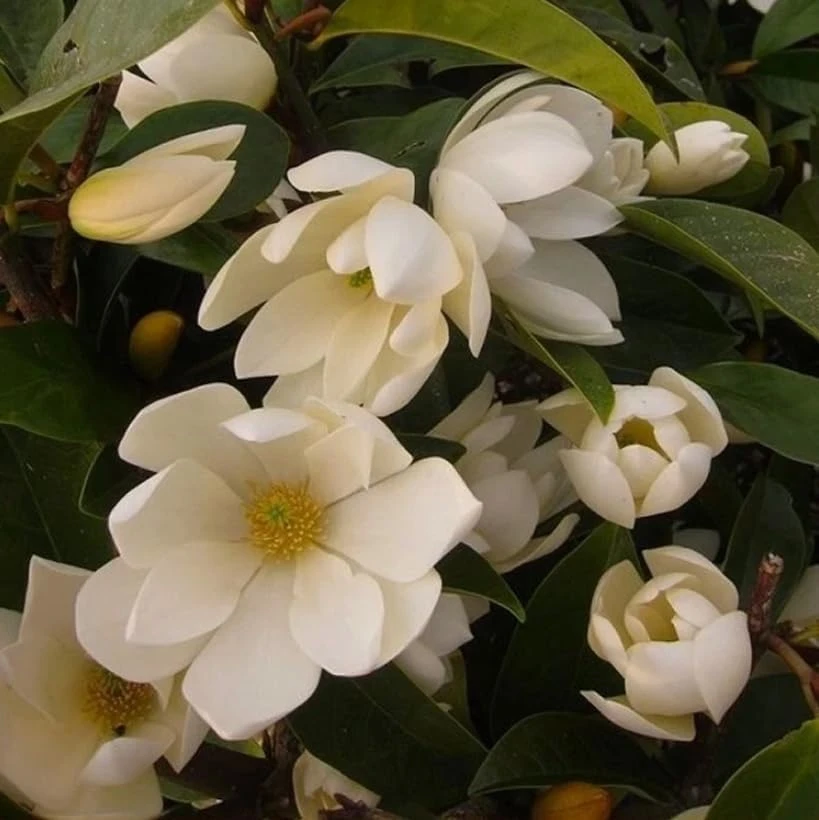
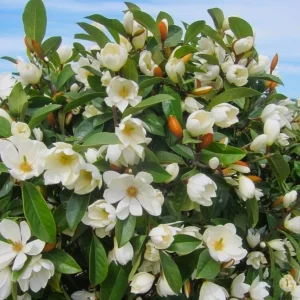
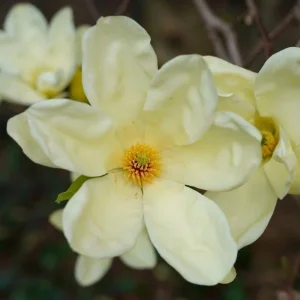
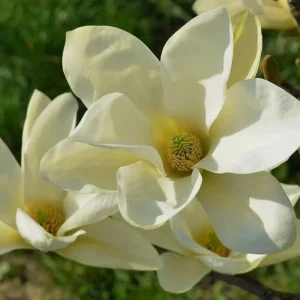
Bring elegance to your landscape with a sweetbay magnolia tree. This beautiful live plant features stunning, fragrant white flowers and can be grown as a multi-stemmed shrub or small tree. Arriving 9-18 inches tall in a quart pot, it’s ready to enhance your outdoor space.
-
USDA Hardiness Zone
USDA Zones 5-9 -
Soil Type
Moist, acidic to neutral, well-draining soil -
Sunlight Exposure
Full sun to partial shade -
Expected Planting Period
Spring to early summer

You can track your order HERE
Nov 04
Nov 09 - Nov 11
Nov 14 - Nov 18
Shipping and return policies: Our Alive & Thrive Guarantee covers issues with your plants within the first 30 days. Reach out to us. Our team will answer your questions and help you find the plants that are truly suitable for your environment, climate, and personal preferences.

Overview
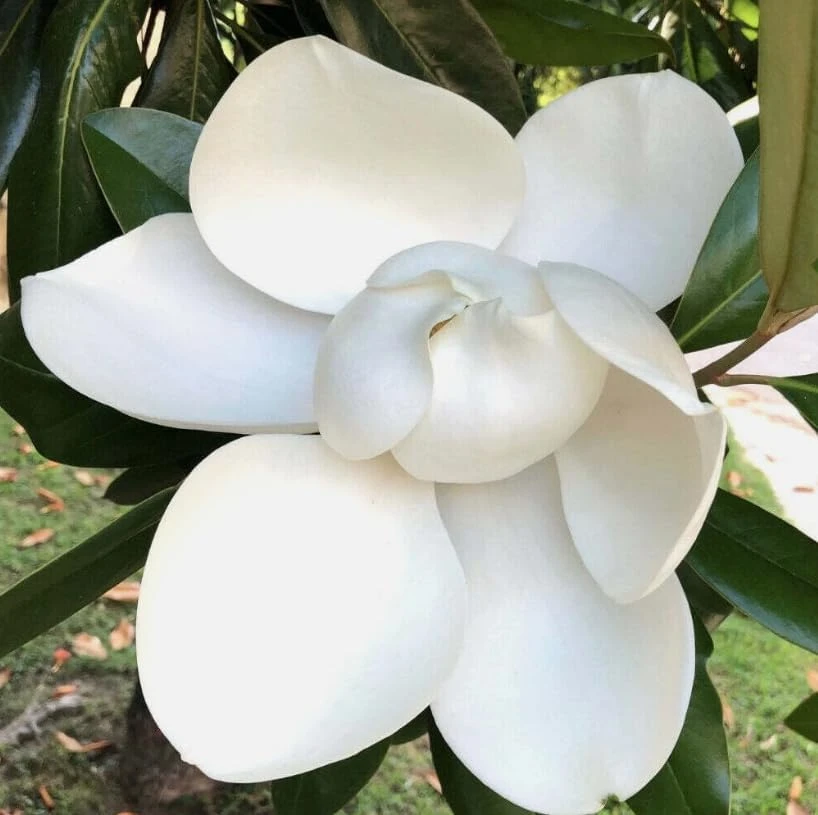
Introduce timeless elegance to your outdoor space with a beautiful sweetbay magnolia tree. This stunning live plant, scientifically known as Magnolia virginiana, is celebrated for its exquisite, fragrant white flowers that bloom from late spring into summer. A versatile addition to any garden or landscape, the sweetbay magnolia tree can be cultivated as a multi-stemmed shrub or trained into an attractive small tree, offering flexibility in its use. It is a deciduous to semi-evergreen species, depending on the climate, providing visual interest throughout various seasons. Its graceful form and captivating blooms make it a cherished plant for both seasoned gardeners and those new to horticulture.
The sweetbay magnolia tree is a native North American species, highly adaptable and relatively easy to care for, making it an excellent choice for a wide range of garden designs. Its ability to thrive in various conditions, from full sun to partial shade, and its tolerance for moist soils, underscore its hardiness. Whether you are looking to create a focal point, establish a privacy screen, or add a touch of natural beauty to your yard, this magnolia variety offers both aesthetic appeal and a delightful aromatic presence. Experience the joy of growing this classic plant and watch as its pristine white blossoms transform your garden into a serene sanctuary.
Key Benefits
The sweetbay magnolia tree offers a multitude of benefits that make it an exceptional choice for any garden. Its captivating features and robust nature contribute significantly to landscape aesthetics and environmental well-being.
- Stunning Floral Display: Enjoy a prolonged bloom season of large, showy, and intensely fragrant white magnolia flowers that create a magnificent visual and aromatic experience. These pristine blooms are a true highlight, attracting pollinators and delighting observers.
- Versatile Growth Habit: This plant can be grown as a handsome multi-stemmed shrub or pruned to form an elegant small tree, allowing you to customize its role in your landscape design. Its adaptability makes it suitable for various garden styles and sizes.
- Adaptable to Various Conditions: Thrives in a range of light conditions, from full sun to partial shade, and is tolerant of different soil types, including moist and wet areas, making it ideal for rain gardens or near water features. This resilience ensures easier establishment and long-term health.
- Attractive Foliage: The leaves are a glossy dark green on top with a silvery underside, providing year-round visual interest. In warmer climates, the foliage can be semi-evergreen, offering continuous beauty.
- Wildlife Attraction: The fragrant flowers attract beneficial pollinators like bees and butterflies, contributing to the biodiversity of your garden. Its fruit also provides food for birds, enhancing your garden’s ecosystem.
- Low Maintenance: Once established, the sweetbay magnolia tree requires minimal care, making it a great option for gardeners seeking beauty without extensive upkeep. Its natural resilience reduces the need for constant attention.
- Natural Privacy Screen: When grown as a shrub, its dense foliage can create an effective and beautiful privacy screen or border, adding seclusion and structure to your outdoor living spaces.
Plant Care & Growing Tips
Caring for your sweetbay magnolia tree is relatively straightforward, ensuring it flourishes and provides years of beauty. Understanding its specific needs for sunlight, water, and soil will help it reach its full potential. The sweetbay magnolia tree thrives in a variety of conditions, but optimal care will lead to the most vigorous growth and abundant blooms. Ensure you provide consistent care, especially during its establishment period, to help it settle into its new environment.
For sunlight, this versatile plant performs best in full sun to partial shade. In hotter climates, some afternoon shade can protect it from intense heat. It prefers consistently moist, acidic to neutral, well-draining soil, but is quite adaptable to various soil types, including heavy clay and wet conditions, which is unusual for many trees. Regular watering is crucial, especially during dry spells and in its first year after planting. Aim to keep the soil consistently damp but not waterlogged. Mulching around the base can help retain soil moisture and regulate temperature. The magnolia plant care routine is simplified by its natural hardiness.
The sweetbay magnolia tree is hardy in USDA zones 5-9. Fertilize in early spring with a balanced, slow-release fertilizer formulated for trees and shrubs, following package instructions. Pruning is generally minimal, focusing on removing dead, damaged, or crossing branches. If you wish to maintain it as a multi-stemmed shrub or shape it into a small tree, prune in late winter or early spring before new growth begins. This plant is generally resistant to pests and diseases, but monitor for common issues like leaf spots or scale insects and address them promptly with appropriate organic or chemical treatments. A healthy environment will help your deciduous magnolia shrub thrive.
Size & Details
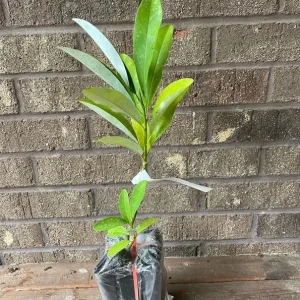
This sweetbay magnolia tree arrives as a vibrant live plant, typically standing 9 to 18 inches tall from the top of the soil to the tip of the plant. It is securely rooted in a quart-sized container, providing a well-established start for transplanting into your garden or a larger pot. These plants are carefully nurtured to ensure they are healthy and ready to thrive upon arrival, making the transition to your landscape seamless. The robust root system in the quart pot ensures the plant can quickly acclimate and begin to grow in its new home, setting the stage for future splendor.
Sweetbay Magnolias are known for their moderate to fast growth rate, eventually reaching a mature height of 10-20 feet and a spread of 10-15 feet when grown as a shrub, or up to 30 feet tall as a single-trunked tree. They typically begin to produce their fragrant white magnolia flowers within a few years of planting, offering a delightful display of creamy blossoms. The plant’s overall size and shape can be managed through pruning, allowing it to fit into various garden designs, from specimen planting to use in a mixed border. This adaptable plant brings a long-lasting presence to any outdoor setting.
Frequently Asked Questions
- Q: How big does this plant get? A: The sweetbay magnolia tree can grow to be 10-20 feet tall and 10-15 feet wide as a shrub, or up to 30 feet tall if trained as a single-trunk tree. Its ultimate size depends on growing conditions and pruning.
- Q: What size pot does it come in? A: Each sweetbay magnolia tree is shipped in a quart-sized container, and the plant itself is typically 9-18 inches tall upon arrival, ready for transplanting.
- Q: Is this an indoor or outdoor plant? A: The sweetbay magnolia tree is an outdoor plant, best suited for gardens and landscapes where it can receive adequate sunlight and space to grow. It is not typically grown as a houseplant.
- Q: How much sunlight does it need? A: This magnolia thrives in full sun to partial shade. In areas with intense summer heat, partial afternoon shade is beneficial to protect its foliage.
- Q: Is this plant easy to care for? A: Yes, the sweetbay magnolia tree is considered relatively easy to care for, especially once established. It’s adaptable to various soil types and moisture levels, making magnolia plant care manageable for most gardeners.
- Q: What condition will it arrive in? A: Your sweetbay magnolia tree will arrive as a healthy, live plant in a quart pot, carefully packaged to ensure it reaches you in excellent condition and ready for planting.
- Q: How long until it blooms? A: Sweetbay Magnolias typically start producing their fragrant white magnolia flowers within a few years of planting, often from late spring through summer.
- Q: Will it survive winter in my zone? A: The sweetbay magnolia tree is hardy in USDA zones 5-9, meaning it can tolerate winter temperatures in these regions. Check your local USDA zone for compatibility.
- Q: What’s the minimum temperature it can tolerate? A: This plant can generally withstand temperatures down to -20°F (-29°C) when established, making it suitable for a wide range of climates within its hardiness zones.
- Q: Can I grow a sweetbay magnolia in wet soil? A: Yes, one of the unique features of the sweetbay magnolia tree is its tolerance and even preference for moist to wet soils, making it an excellent choice for areas with poor drainage or near water features.
Be the first to review “Sweetbay Magnolia Tree Live Plant – Fragrant White Flowers – 9-18″ Tall in Quart Pot”
People Also Viewed




Shrubs
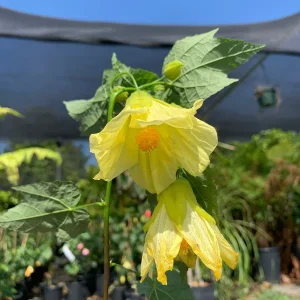
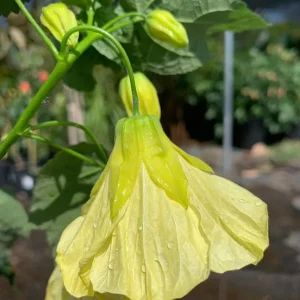
Abutilon Chiffon Live Plant – Flowering Maple Shrub, Yellow Bell Flowers, 2ft Tall, 6 Inch Pot
Sold 72 products
Original price was: $147.16.$73.58Current price is: $73.58.


Sold 78 products
Original price was: $111.80.$55.90Current price is: $55.90.





Vegetable Seeds
Thai Red Chili Seeds – Piri Piri Hot Pepper Seeds – Non-GMO Heirloom – Indoor/Outdoor
Sold 64 products
Original price was: $14.76.$7.38Current price is: $7.38.


Flower Seeds
Blue Sage Seeds – Salvia farinacea – Vibrant Blue-Purple Blooms – 100 Seeds – Pollinator Friendly
Sold 85 products
Original price was: $31.99.$11.99Current price is: $11.99.







Reviews
There are no reviews yet.