
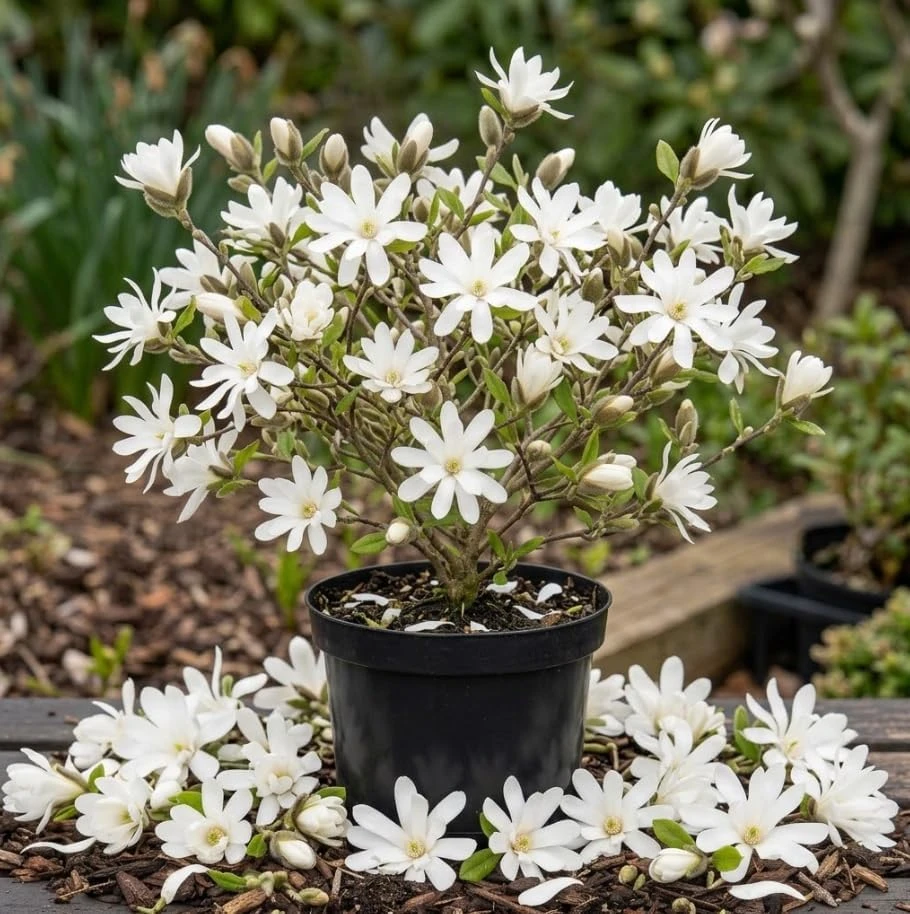
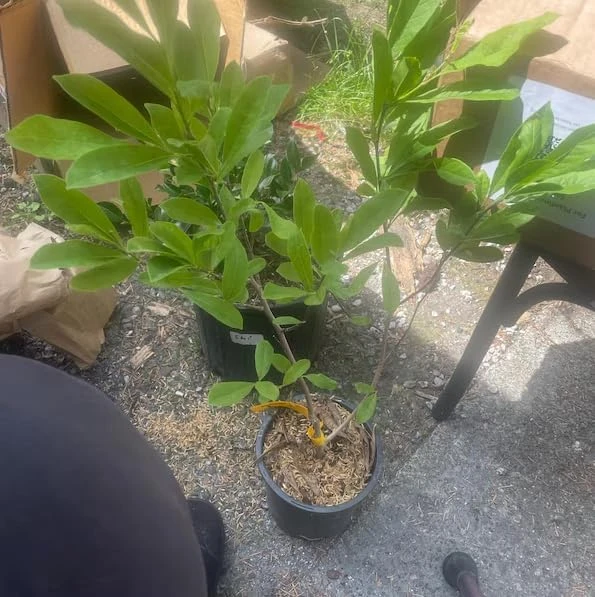
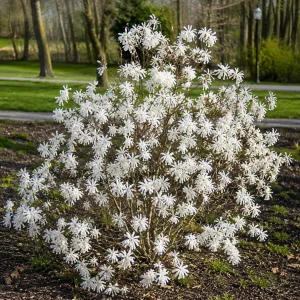
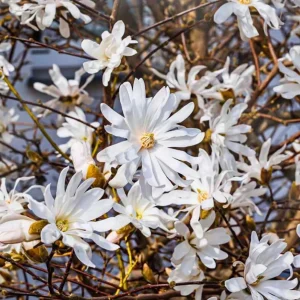
Star Magnolia Shrub Tree – Live Plant, 12-18″ Tall, Fragrant White Blooms, Gallon Pot, Outdoor
Original price was: $95.98.$47.99Current price is: $47.99.
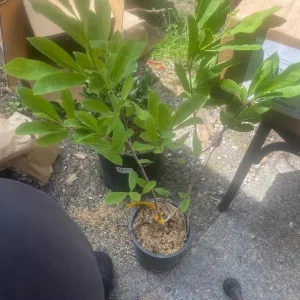
Add timeless elegance to your outdoor space with a beautiful star magnolia shrub tree. This live plant arrives 12-18 inches tall in a gallon pot, ready to produce stunning, fragrant white lily-like flowers. Perfect for gardens, borders, or container planting, it’s a hardy and low-maintenance deciduous shrub.
-
USDA Hardiness Zone
USDA zones 4-9 -
Soil Type
Well-draining, slightly acidic to neutral soil -
Sunlight Exposure
Full sun to partial shade -
Expected Planting Period
Early spring or fall

You can track your order HERE
Oct 30
Nov 04 - Nov 06
Nov 09 - Nov 13
Shipping and return policies: Our Alive & Thrive Guarantee covers issues with your plants within the first 30 days. Reach out to us. Our team will answer your questions and help you find the plants that are truly suitable for your environment, climate, and personal preferences.

Overview
Bring the timeless beauty of spring to your garden with the exquisite star magnolia shrub tree. This stunning live plant is celebrated for its breathtaking, fragrant white flowers that resemble delicate lilies, heralding the arrival of warmer weather. Known botanically as Magnolia stellata, the Star Magnolia is a cherished deciduous shrub that offers remarkable ornamental value. Originating from Japan, this compact and elegant plant is a perfect choice for adding a touch of sophistication to any outdoor setting, from sprawling landscapes to intimate container gardens. Its early spring bloom provides a spectacular show before most other plants awaken, making it a focal point in any garden design. This particular star magnolia shrub tree comes potted in a gallon container, standing between 12-18 inches tall, ensuring a healthy start for your new garden addition.
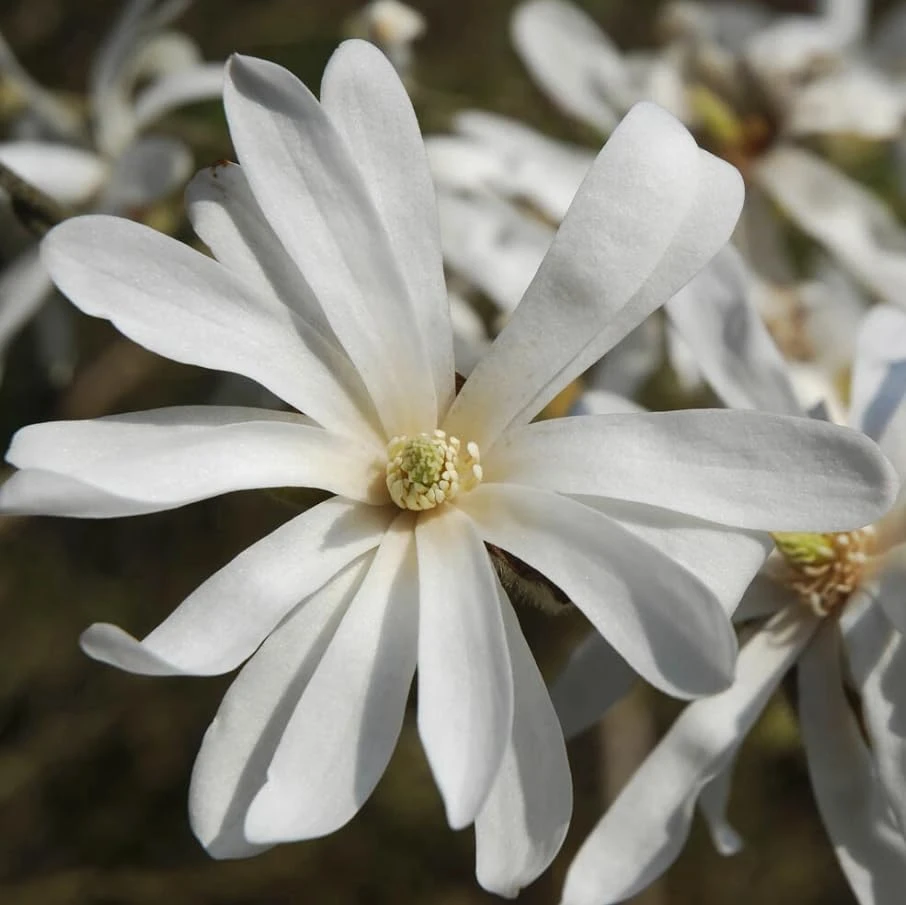
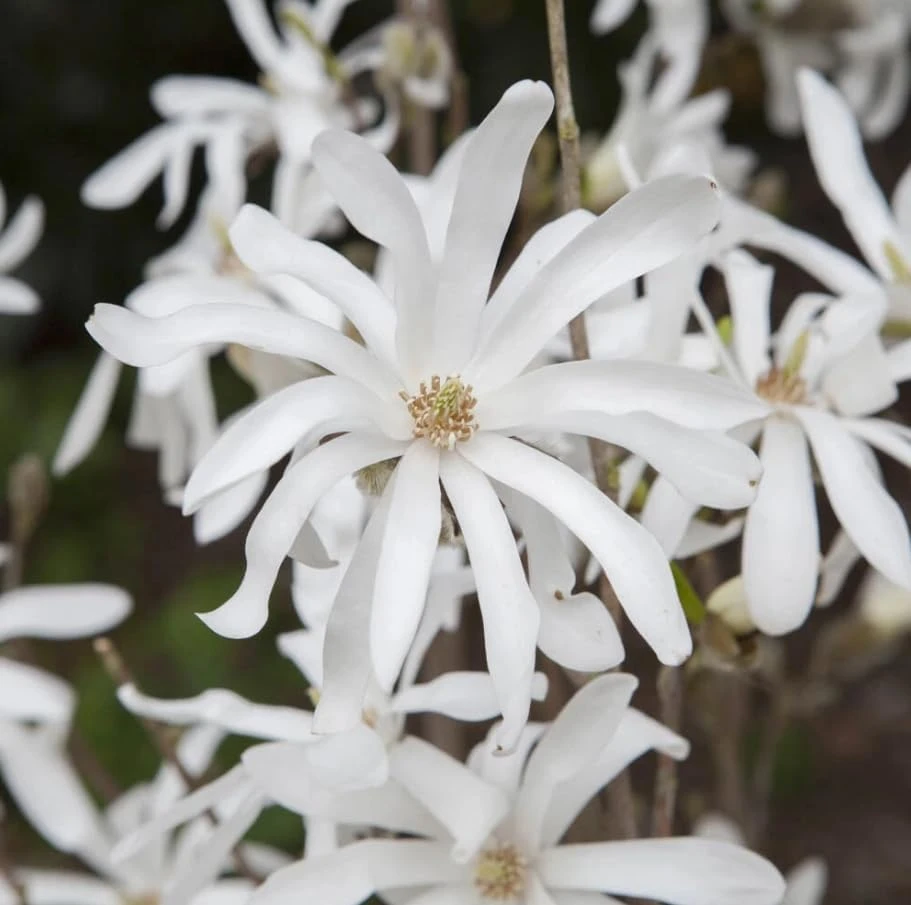
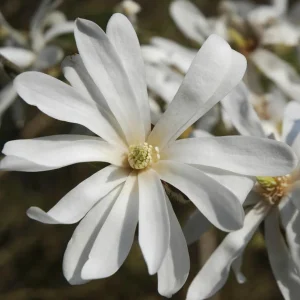
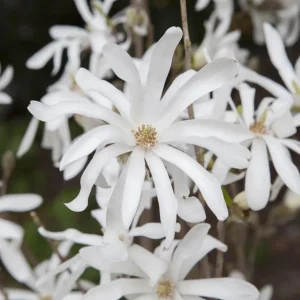
The Star Magnolia is renowned for its star-shaped, pure white petals that unfurl gracefully, often with a subtle pink blush in bud. The sweet fragrance of its blossoms fills the air, creating an inviting atmosphere in your garden. As a deciduous plant, it offers seasonal interest, with lush green foliage throughout the summer and a graceful, bare structure in winter. Its relatively slow growth rate and manageable size make it an excellent choice for smaller gardens or as an accent plant. Whether you’re an experienced gardener or just starting, this fragrant magnolia plant is a rewarding addition that promises years of beauty and delight.
Key Benefits
The star magnolia shrub tree offers a multitude of benefits, making it a highly desirable plant for any garden. Its exceptional beauty and easy care contribute to its widespread appeal. You’ll find it to be a truly rewarding investment for your outdoor space.
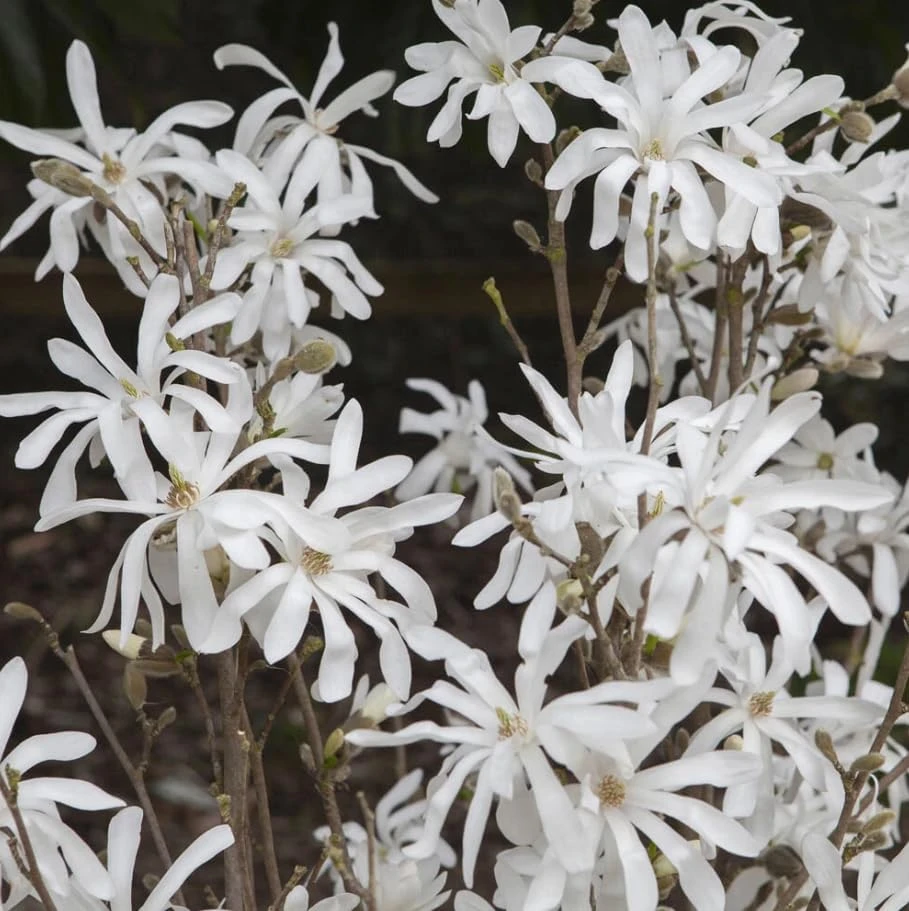
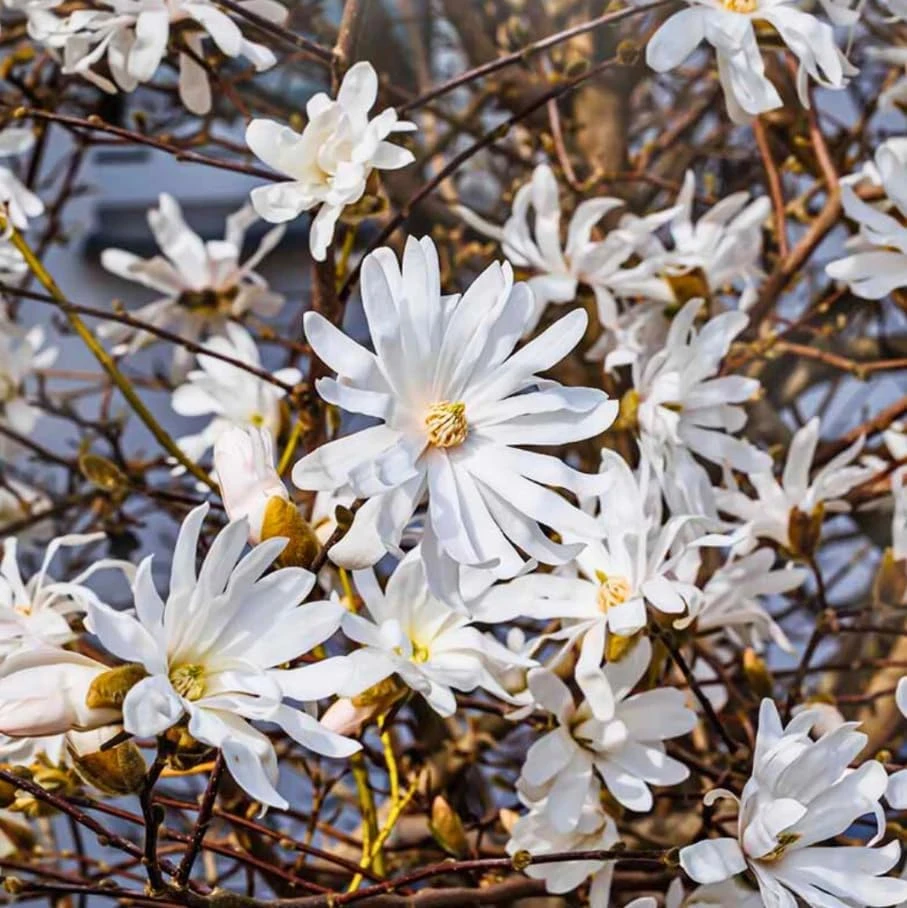
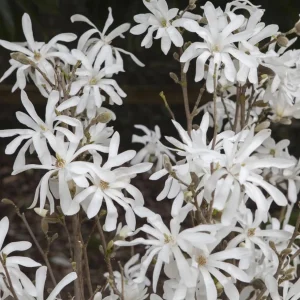
- Spectacular Early Spring Blooms: Be among the first to welcome spring with an abundance of pure white, star-shaped flowers. These elegant blooms appear before the leaves, creating a dramatic and beautiful display that brightens the late winter or early spring landscape.
- Delightful Fragrance: The delicate flowers of this fragrant magnolia plant emit a sweet, subtle perfume that can waft through your garden, enhancing the sensory experience of your outdoor space and attracting beneficial pollinators.
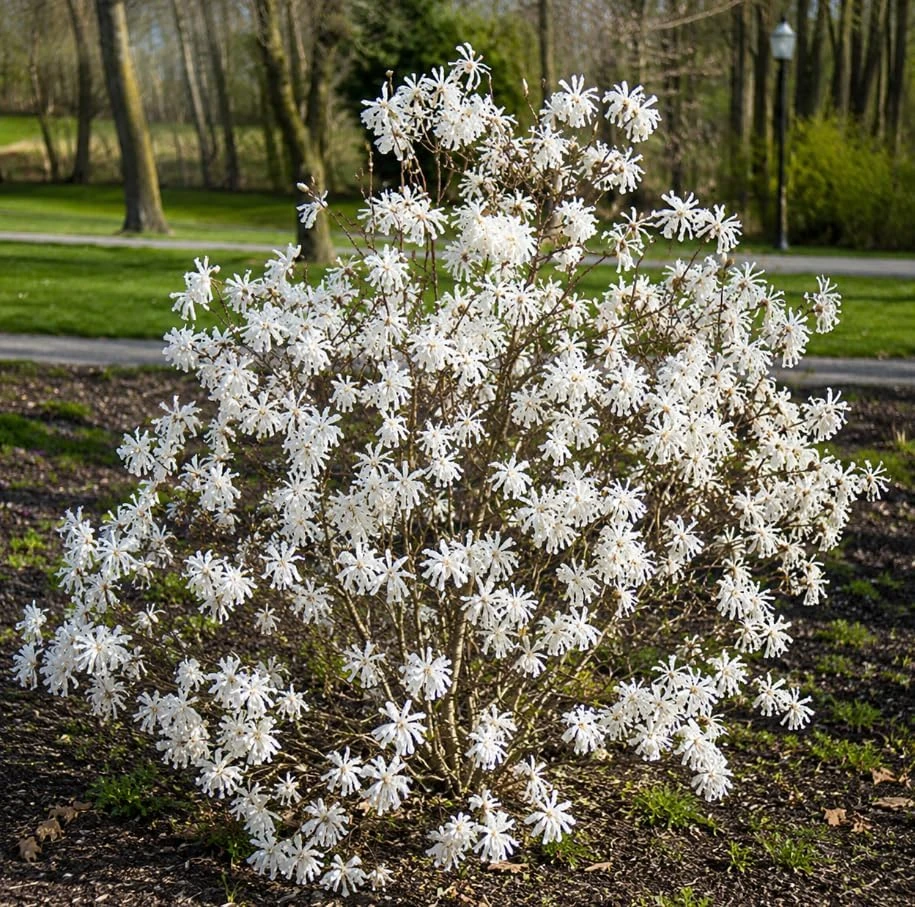
- Compact & Versatile Size: Growing into a manageable shrub or small tree, the Star Magnolia is ideal for various garden settings, including small gardens, borders, foundation plantings, or even as a striking specimen in a container. Its compact nature makes it an excellent outdoor flowering shrub.
- Low Maintenance & Hardy: Once established, this deciduous magnolia is relatively low-maintenance, requiring minimal care. It is known for its hardiness and resilience, making it a reliable choice for many climates.
- Year-Round Interest: Beyond its stunning spring flowers, the Star Magnolia provides lush green foliage in summer and an attractive branching structure in winter, ensuring visual appeal throughout the seasons.
- Pollinator Friendly: The early blooms provide a valuable nectar source for early-emerging pollinators, contributing to the biodiversity and health of your garden ecosystem.
- Elegant Aesthetic: The refined appearance of the Star Magnolia, with its delicate flowers and graceful form, adds a touch of classic elegance and sophistication to any landscape design.
Plant Care & Growing Tips
Caring for your star magnolia shrub tree is relatively straightforward, making it an excellent choice for gardeners of all experience levels. To ensure your plant thrives and produces abundant blooms, pay attention to its specific needs regarding sunlight, water, and soil. The Star Magnolia prefers a site with full sun to partial shade, meaning it should receive at least 4-6 hours of direct sunlight daily for optimal flowering. While it can tolerate some shade, too much shade may reduce the number of blooms. Protection from strong winds is also beneficial, especially during its delicate blooming period.
Watering is crucial, especially during the first growing season to help establish a strong root system. Keep the soil consistently moist but never waterlogged. Once established, the star magnolia plant care involves regular watering during dry spells, particularly in summer. Well-drained soil is paramount; Magnolias do not tolerate wet feet. A rich, slightly acidic to neutral soil (pH 5.5-6.5) amended with organic matter will provide the best growing conditions. Fertilize in early spring with a balanced, slow-release granular fertilizer formulated for acid-loving plants. Avoid over-fertilizing, as this can lead to excessive foliage growth at the expense of flowers.
This deciduous magnolia is generally hardy and resistant to most pests and diseases. Pruning is usually not necessary beyond removing any dead, damaged, or crossing branches. If shaping is desired, do so immediately after flowering to avoid cutting off next year’s flower buds. The Star Magnolia is suitable for USDA hardiness zones 4-9, demonstrating good cold tolerance. In colder zones, a layer of mulch around the base can help protect the roots during winter. Providing proper care will ensure your outdoor flowering shrub remains healthy and beautiful for many years.
Size & Details
This star magnolia shrub tree is delivered as a live plant, carefully nurtured in a gallon-sized container. Upon arrival, it stands approximately 12-18 inches tall, providing a robust and established specimen ready for transplanting into your garden or a larger container. The plant’s compact growth habit means it will mature into a beautiful shrub, typically reaching a height of 10-15 feet and a spread of 10-15 feet over time, though it can be maintained at a smaller size with selective pruning. Its relatively slow growth rate makes it manageable for various garden sizes and designs.
The Star Magnolia is known for its early spring bloom, often starting in late winter or very early spring, before its leaves emerge. The magnificent white, star-shaped flowers are the highlight, offering a sweet fragrance. It is a deciduous plant, shedding its leaves in the fall and providing interesting bare branches throughout the winter. This fragrant magnolia plant is shipped potted in soil, ensuring its roots are protected and hydrated during transit, allowing for a smooth transition to its new home in your outdoor landscape.
Frequently Asked Questions
- Q: How big does this plant get? A: The star magnolia shrub tree typically grows to a height of 10-15 feet and a similar spread at maturity. Its compact nature also makes it suitable for smaller spaces.
- Q: What size pot does it come in? A: This star magnolia shrub tree arrives in a standard gallon pot, standing 12-18 inches tall, ready for immediate planting.
- Q: Is this an indoor or outdoor plant? A: The Star Magnolia is an outdoor plant, best suited for garden beds, borders, or large outdoor containers where it can receive adequate sunlight and space to grow.
- Q: How much sunlight does it need? A: It thrives in full sun to partial shade, ideally receiving at least 4-6 hours of direct sunlight daily to ensure abundant flowering.
- Q: Is this plant easy to care for? A: Yes, the star magnolia plant care is considered low to moderate. Once established, it is quite hardy and requires minimal attention beyond regular watering during dry periods and occasional fertilization. It’s a great outdoor flowering shrub for beginners.
- Q: What condition will it arrive in? A: Your deciduous magnolia will arrive as a healthy, live plant, potted in soil within a gallon container, carefully packaged to ensure its safe journey.
- Q: When is the best time to plant? A: The best time to plant a Star Magnolia is in early spring or fall, allowing the roots to establish before extreme summer heat or winter cold.
- Q: How long until it blooms? A: This plant is already established, so you can expect it to bloom in the spring following its planting, or even in the current spring if planted early enough.
- Q: Will it survive winter in my zone? A: The Star Magnolia is hardy and suitable for USDA zones 4-9, making it quite resilient to cold temperatures.
- Q: What type of soil does it prefer? A: It prefers well-draining, slightly acidic to neutral soil that is rich in organic matter. Avoid heavy clay soils that retain too much moisture.
Be the first to review “Star Magnolia Shrub Tree – Live Plant, 12-18″ Tall, Fragrant White Blooms, Gallon Pot, Outdoor”
People Also Viewed


Sold 64 products
Original price was: $67.16.$33.58Current price is: $33.58.

Vegetable Seeds
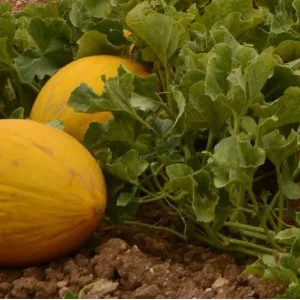
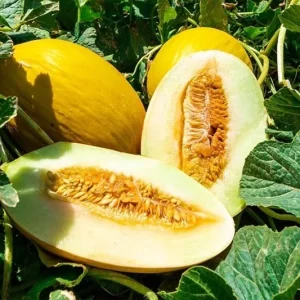
Amarillo Oro Melon Seeds – Winter Canary Yellow Gold Melon – 25, 100, or 200 Seed Packs
Sold 58 products
From $4.82
Sold 80 products
From $67.80






Sold 80 products
From $18.32




Reviews
There are no reviews yet.